Caregiver Form Sample For Employer In Collin
Description

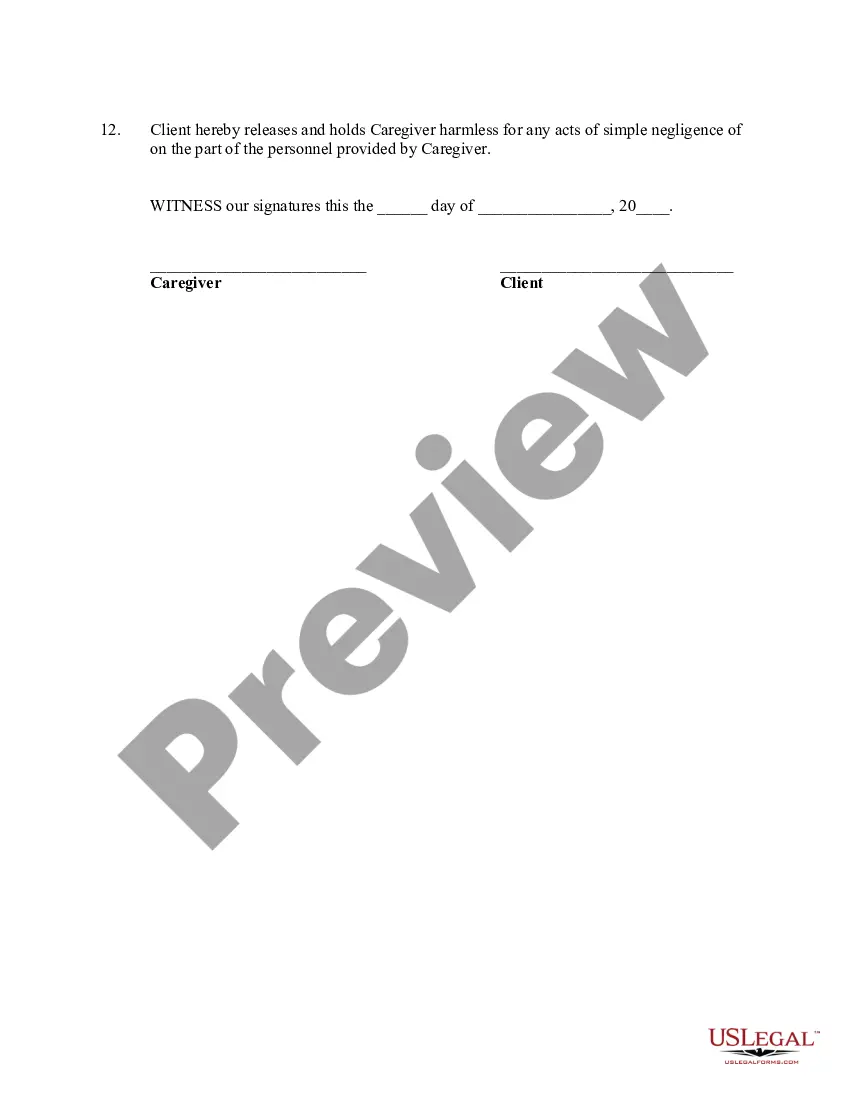

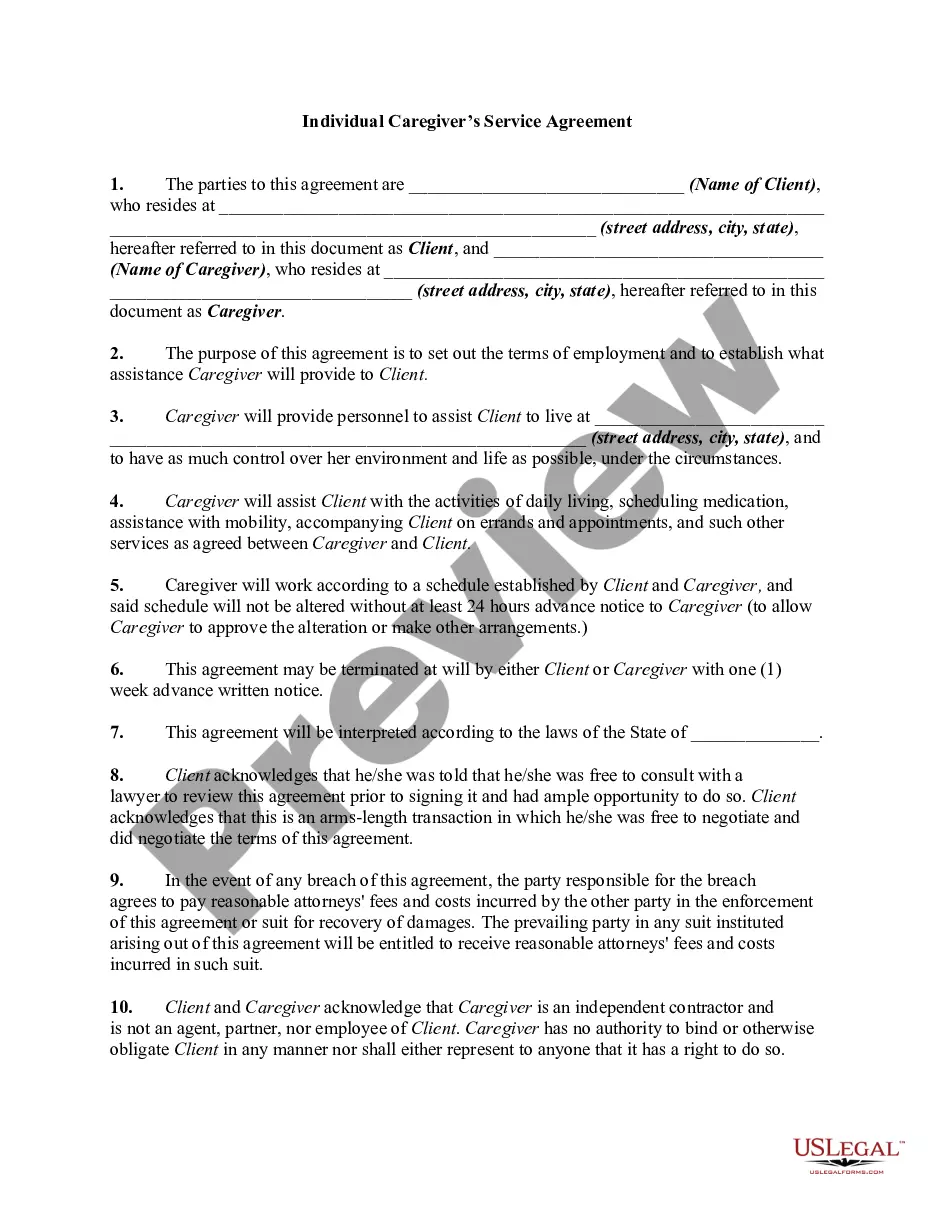
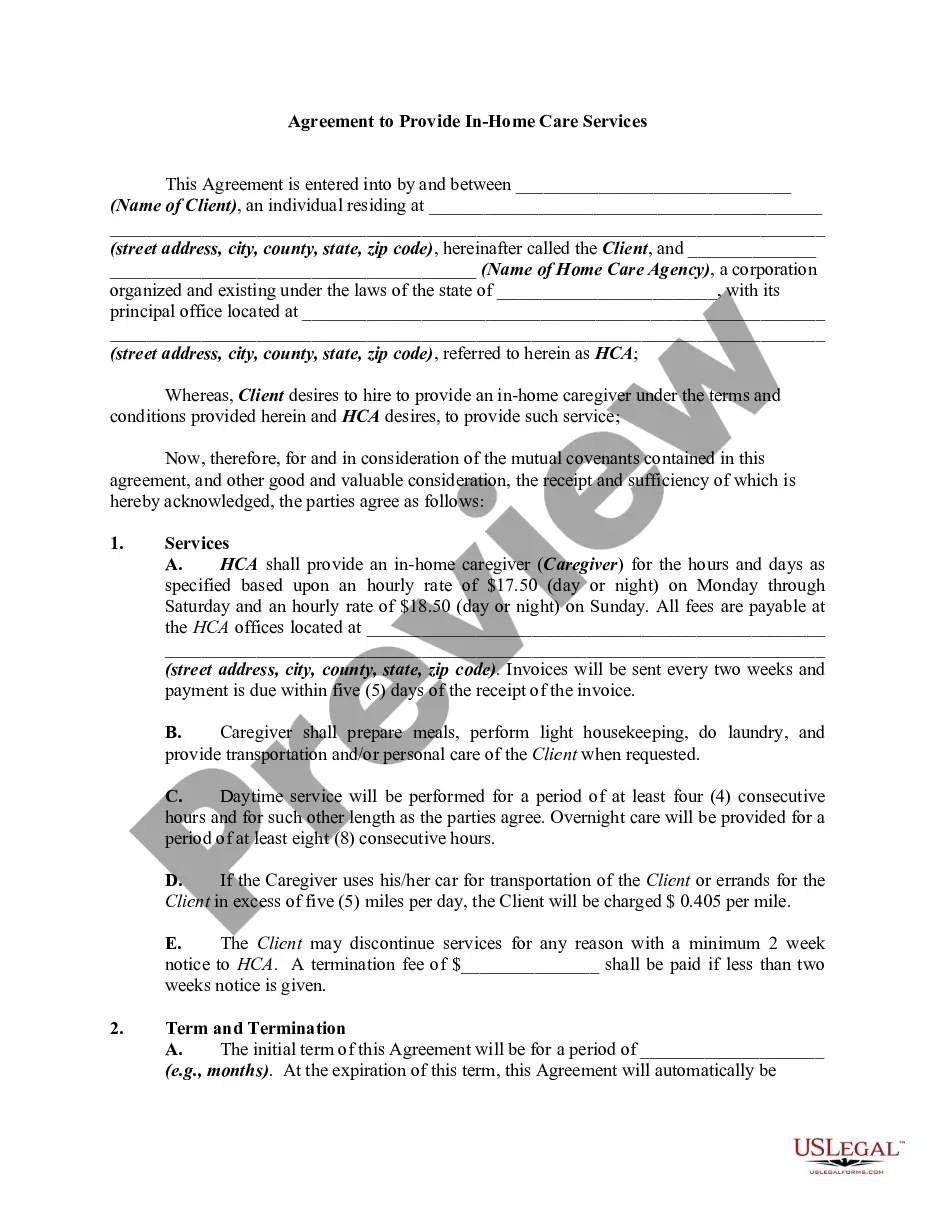
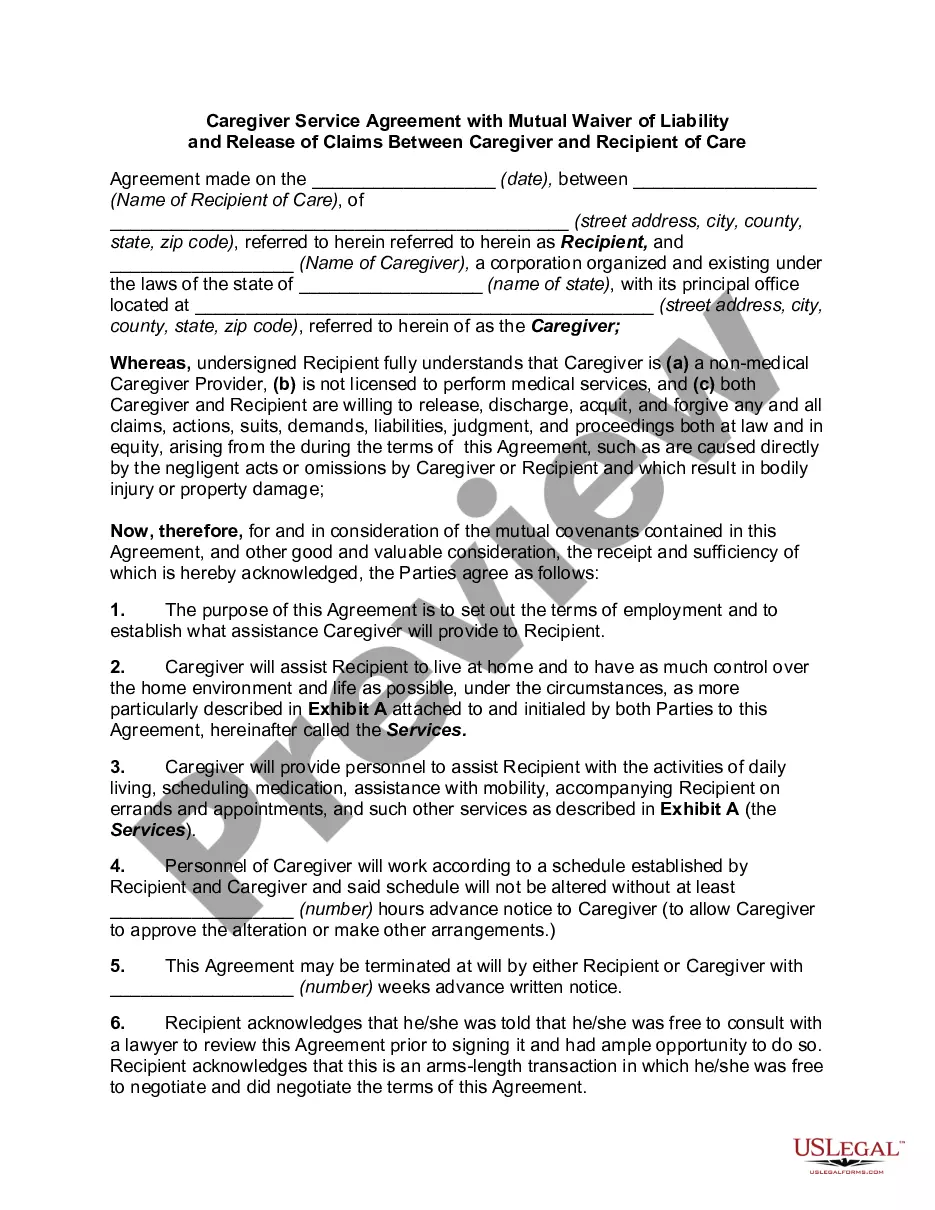
Get your form ready online
Our built-in tools help you complete, sign, share, and store your documents in one place.
Make edits, fill in missing information, and update formatting in US Legal Forms—just like you would in MS Word.
Download a copy, print it, send it by email, or mail it via USPS—whatever works best for your next step.
Sign and collect signatures with our SignNow integration. Send to multiple recipients, set reminders, and more. Go Premium to unlock E-Sign.
If this form requires notarization, complete it online through a secure video call—no need to meet a notary in person or wait for an appointment.
We protect your documents and personal data by following strict security and privacy standards.

Make edits, fill in missing information, and update formatting in US Legal Forms—just like you would in MS Word.

Download a copy, print it, send it by email, or mail it via USPS—whatever works best for your next step.

Sign and collect signatures with our SignNow integration. Send to multiple recipients, set reminders, and more. Go Premium to unlock E-Sign.

If this form requires notarization, complete it online through a secure video call—no need to meet a notary in person or wait for an appointment.

We protect your documents and personal data by following strict security and privacy standards.
Looking for another form?









Form popularity
FAQ
Best Practices for Caregiver Notes Use Standardized Formats. Document Observations & Actions Clearly. Maintain Objectivity & Avoid Personal Bias. Include Specifics for Follow-Up Actions. Regularly Review & Update Notes. Ensure Compliance With Regulations. Use Digital Tools for Efficient Data Management.
Messages for a family caregiver I know that not every day you spend caring for Mom is easy. Thank you for making Mom's life better. Caring for a loved one is a full-time job, and everybody needs a break. There's a quiet comfort knowing there are people like you who care so deeply.
Dear Hiring Manager, Looking for a reliable Caregiver? Search no further, because I am ready for the job. With over six years' experience as a Caregiver, I will step in and make an immediate contribution to the Western Avenue Health Services team and ensure your client care goals are met.
The top sections on a caregiver CV List 'Relevant Caregiving Experience' to highlight practical skills and past care roles. Detail 'Educational Background' to show any specific training or qualifications in care. Specify 'Key Care Skills' to showcase abilities in managing care tasks and patient needs.
How to write a letter of recommendation for a caregiver Read the job description. Add a salutation. Introduce yourself. List skills. Summarize your recommendation. Close the letter. Deliver the letter.
He is a caregiver for his autistic son. She is able to take care of her husband at home with the help of several caregivers. Unless you have been a caregiver or a close family member or friend to someone with Alzheimer's, it's hard to really understand what it's like.
Caregiving is providing care for the daily needs of someone that is unable to care for themselves. The care my include addressing the physical and emotional needs of someone that requires continuous support and attention. The individual could be a loved one or a friend. Most caregiving occurs in the home.
Completed light housekeeping duties; planned and prepared meals; changed bed linen. Maintained a daily journal of activities and reported any physical or cognitive changes to the family of loved one. Responded to all physical and emotional needs of the patient. Offered emotional support, companionship and conversation.
I have learnt how to be patient and listen and be supportive, also professional and responsible to do my duty and take care of them both. Good interpersonal and communication skills are essential for working in care. Also being able to listen and understand allows you to be an efficient carer.
Example 3 Provided short-care term to patients recovering from surgery. Offered companionship to patients receiving healthcare treatments. Assisted caregivers in bathing patients. Documented patient progress to share with family and physician. Received 10 positive reviews from patients.