Illinois Caregiver Application With Medicaid In California
Description

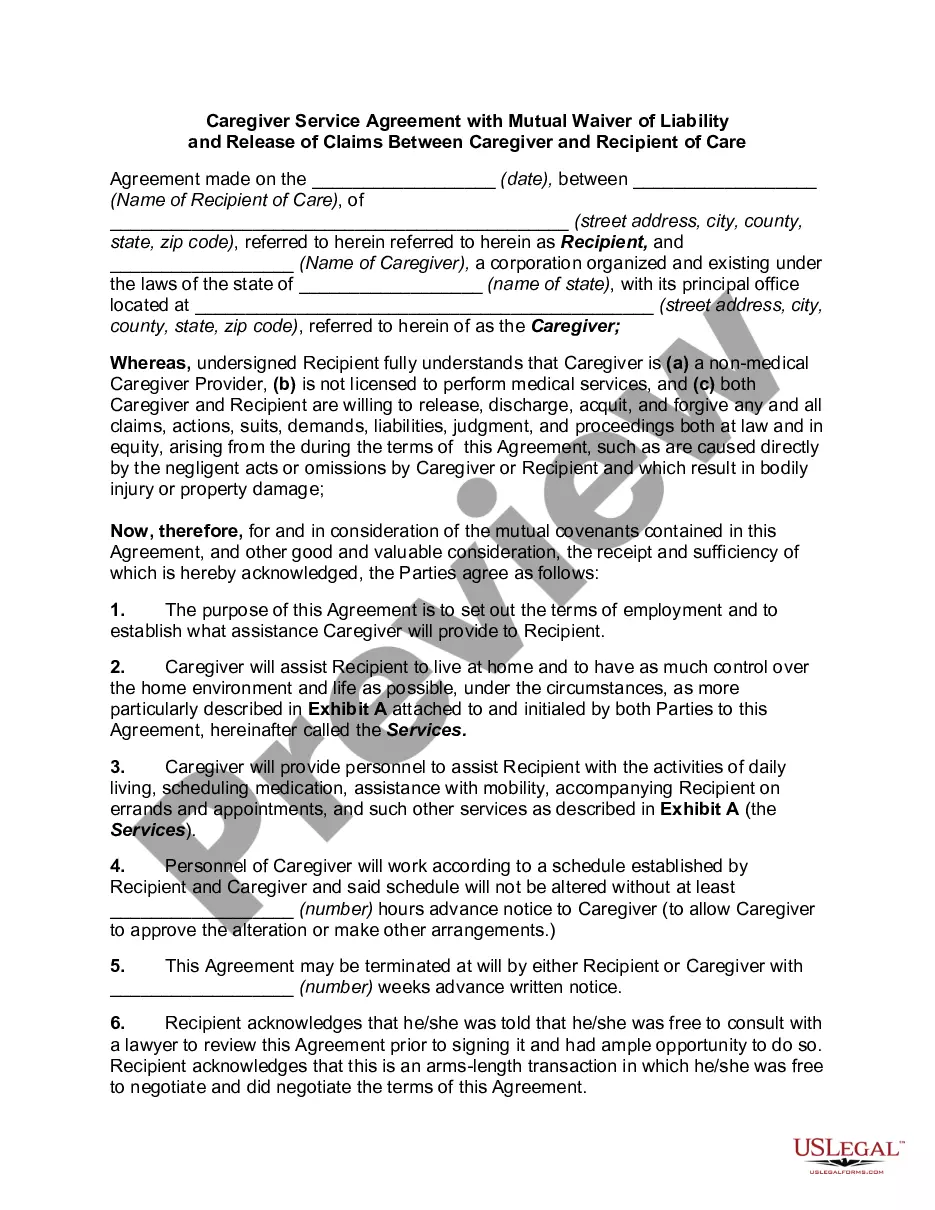
Get your form ready online
Our built-in tools help you complete, sign, share, and store your documents in one place.
Make edits, fill in missing information, and update formatting in US Legal Forms—just like you would in MS Word.
Download a copy, print it, send it by email, or mail it via USPS—whatever works best for your next step.
Sign and collect signatures with our SignNow integration. Send to multiple recipients, set reminders, and more. Go Premium to unlock E-Sign.
If this form requires notarization, complete it online through a secure video call—no need to meet a notary in person or wait for an appointment.
We protect your documents and personal data by following strict security and privacy standards.

Make edits, fill in missing information, and update formatting in US Legal Forms—just like you would in MS Word.

Download a copy, print it, send it by email, or mail it via USPS—whatever works best for your next step.

Sign and collect signatures with our SignNow integration. Send to multiple recipients, set reminders, and more. Go Premium to unlock E-Sign.

If this form requires notarization, complete it online through a secure video call—no need to meet a notary in person or wait for an appointment.

We protect your documents and personal data by following strict security and privacy standards.
Looking for another form?
Form popularity
FAQ
In conclusion, there are 4 types of caregivers: family caregivers, professional caregivers, volunteer caregivers, and informal caregivers. Each caregiver faces unique challenges, including physical and emotional exhaustion, financial strain, and balancing personal and caregiving responsibilities.
Emphasis on Role: “Caregiver” and “carer” emphasize the act of giving care, with a focus on the practical and emotional work involved. “Caretaker” suggests a more functional or managerial role, often with a broader focus on property or task management.
One cannot transfer their Medicaid benefits from one state to another state, nor can they receive Medicaid benefits simultaneously in two states. Instead, one must close their Medicaid case, and hence their benefits, in their original state, and then reapply for Medicaid in the state to which they are relocating.
@yolande73, I recommend that you contact a local hospice or someone at the hospital like chaplaincy or social work to inquire about supports for YOU. Hospice and social work services are available for caregivers. They can also help you navigate the challenges in communication with the care team.
You can apply over the phone by calling the DHS Help Line at 1-800-843-6154. A representative will take your information. Make sure to request the case number when you have completed the application. You should write this number down and keep it in a safe place.
Basic Requirements Aged 65, blind or disabled. Citizenship U.S. citizen, U.S. national or resident alien. Countable Resources $2,000 for individuals/$3,000 for married couples. Income Countable income can't exceed the federal benefit rate.
Legal Definition of a Caregiver In general, a family caregiver is an adult providing informal care to another adult. The California Department of Aging, for example, defines eligible caregivers as: Adult family members or other informal caregivers age 18 or older providing care to individuals age 60 or older.
