Caregiver Form Sample With Experience In Allegheny
Description

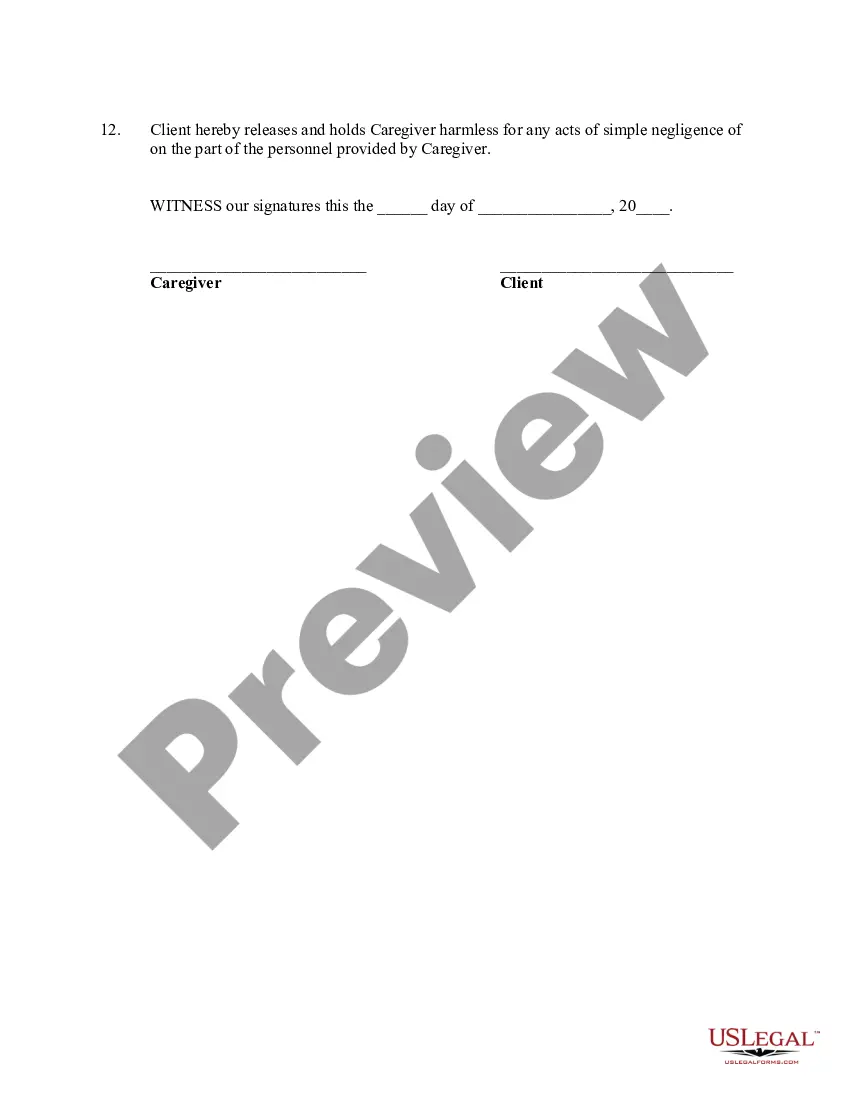
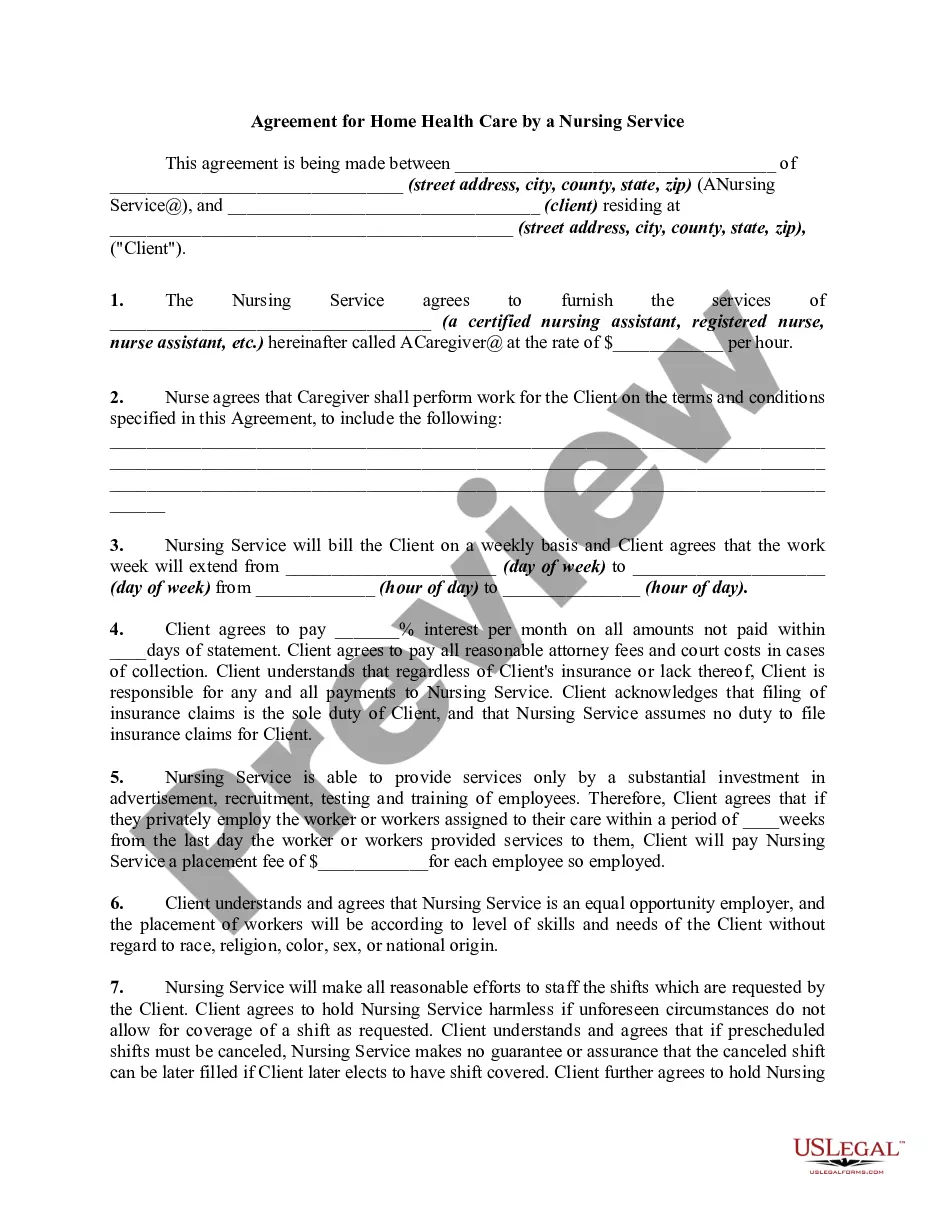
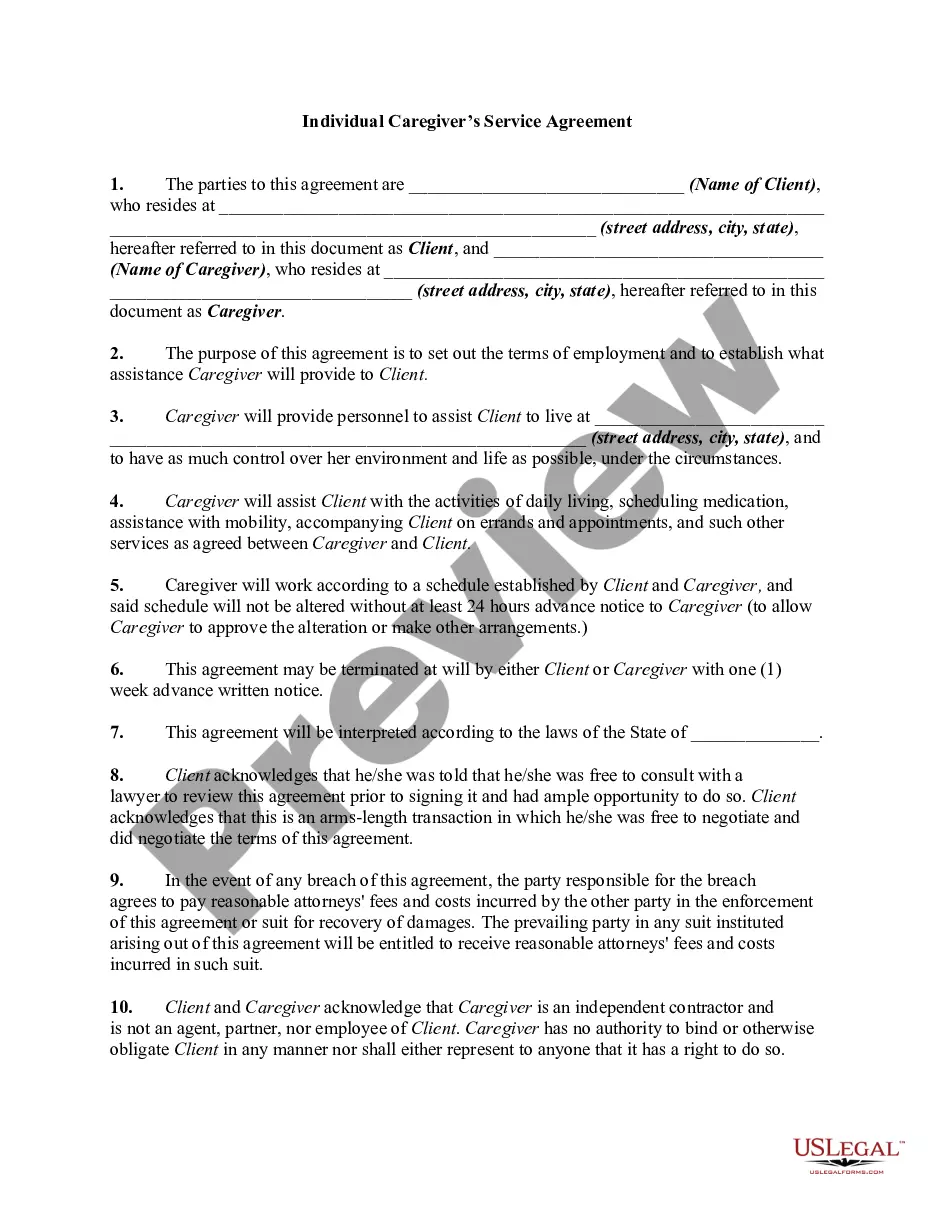
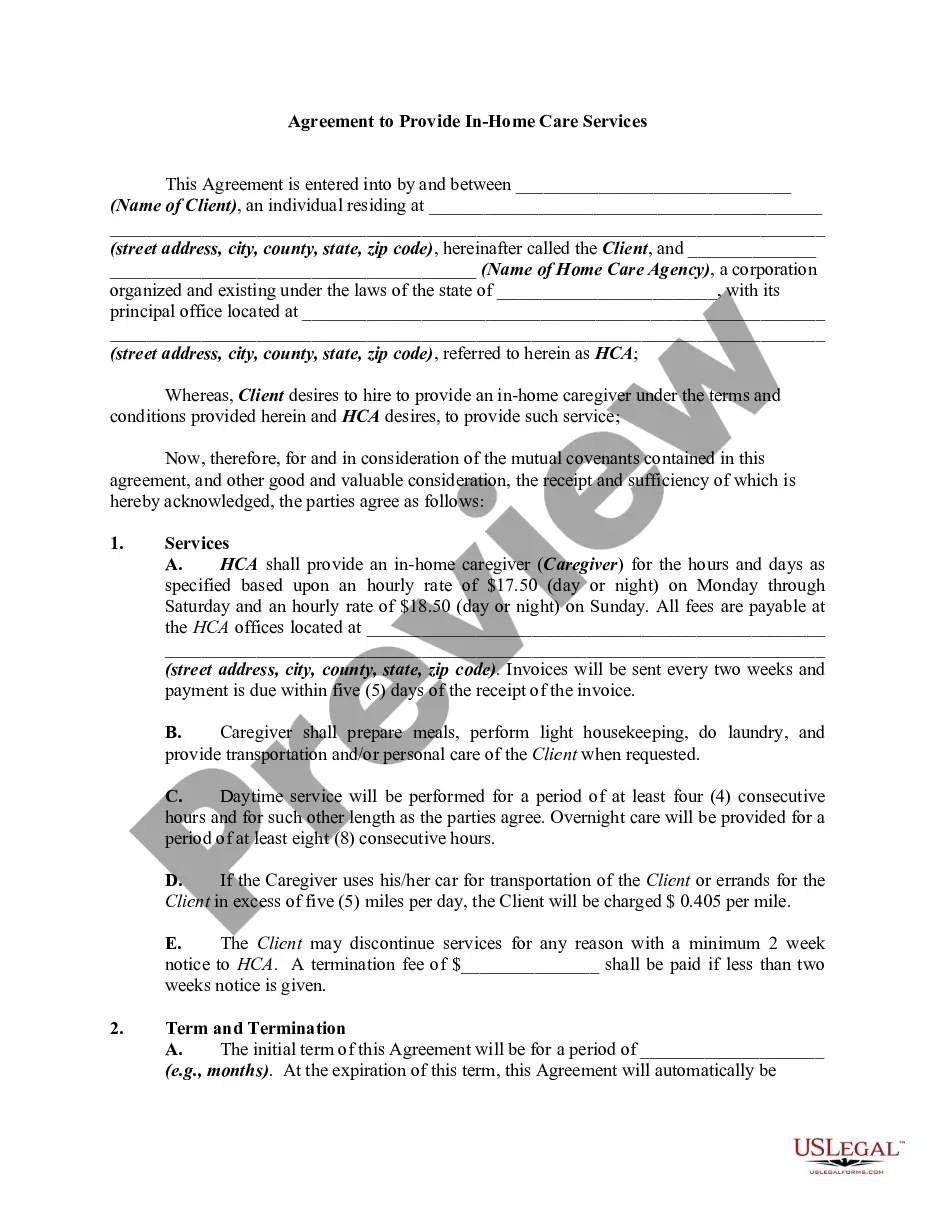
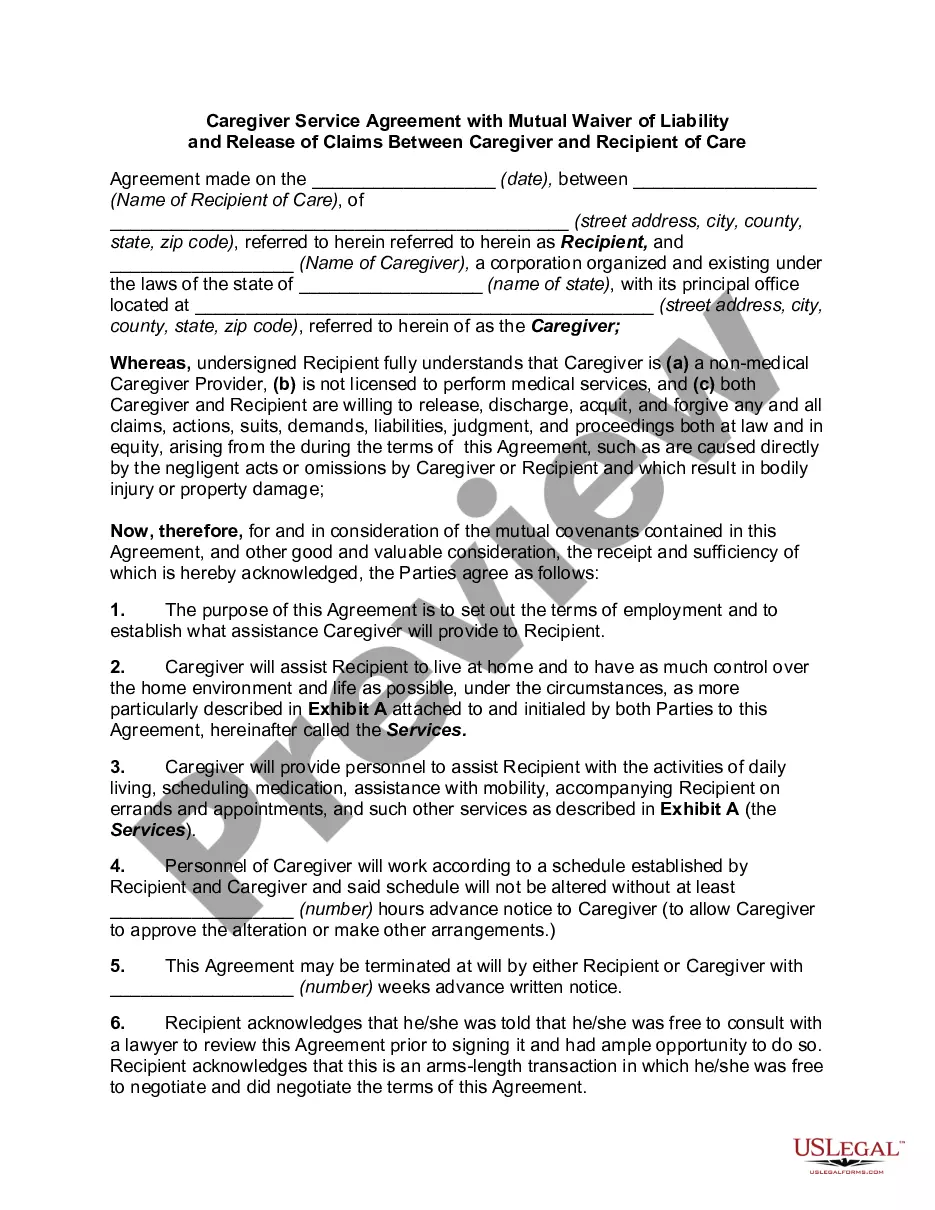
Get your form ready online
Our built-in tools help you complete, sign, share, and store your documents in one place.
Make edits, fill in missing information, and update formatting in US Legal Forms—just like you would in MS Word.
Download a copy, print it, send it by email, or mail it via USPS—whatever works best for your next step.
Sign and collect signatures with our SignNow integration. Send to multiple recipients, set reminders, and more. Go Premium to unlock E-Sign.
If this form requires notarization, complete it online through a secure video call—no need to meet a notary in person or wait for an appointment.
We protect your documents and personal data by following strict security and privacy standards.

Make edits, fill in missing information, and update formatting in US Legal Forms—just like you would in MS Word.

Download a copy, print it, send it by email, or mail it via USPS—whatever works best for your next step.

Sign and collect signatures with our SignNow integration. Send to multiple recipients, set reminders, and more. Go Premium to unlock E-Sign.

If this form requires notarization, complete it online through a secure video call—no need to meet a notary in person or wait for an appointment.

We protect your documents and personal data by following strict security and privacy standards.
Looking for another form?



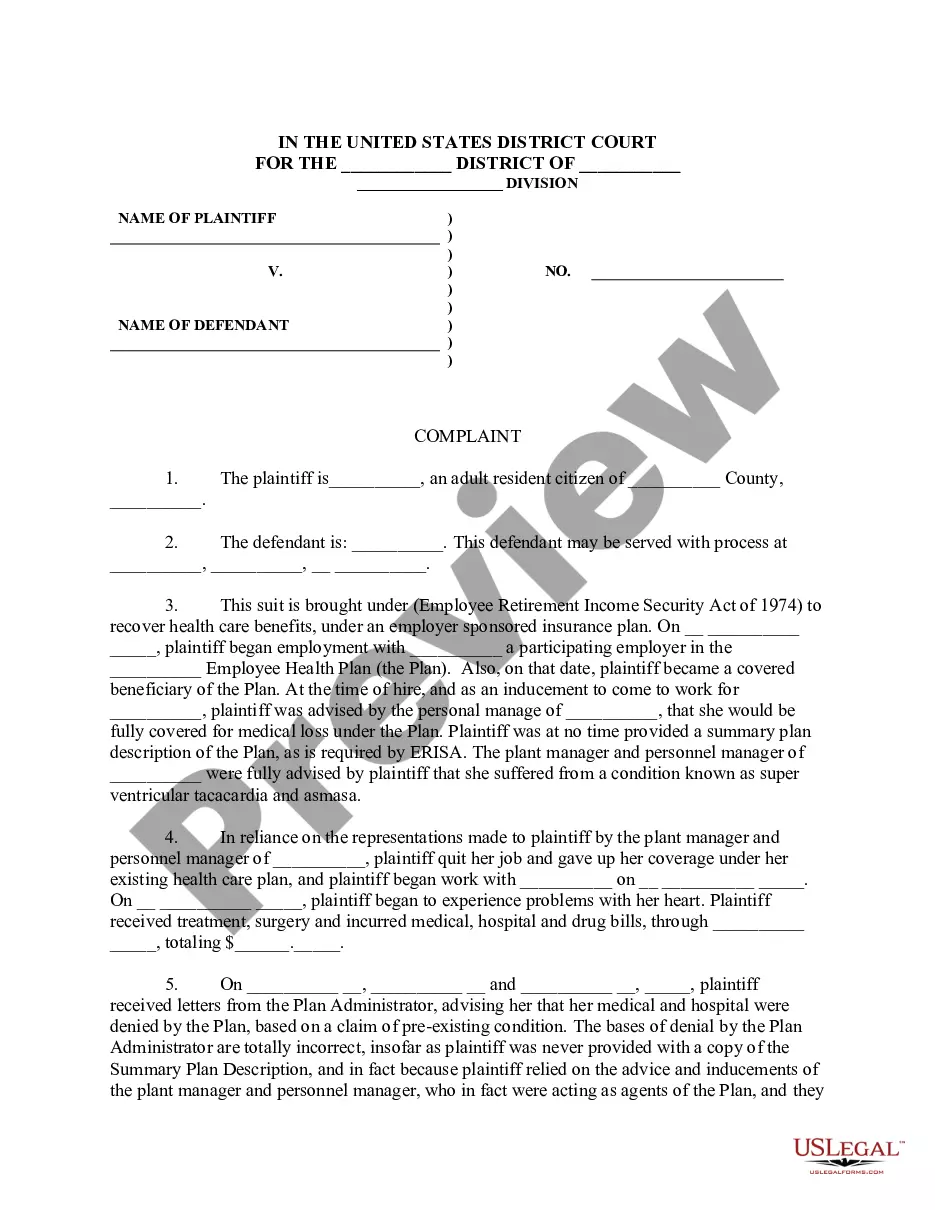






Form popularity
FAQ
CNA: This certified caregiver must pass a criminal background check, pass a physical exam, and complete a state-approved CNA training program that is at least 80 hours long. You must also pass the Pennsylvania National Nurse Aide Assessment Program within 24 months of completing your training program.
--The persons to be served under this act are unpaid, primary, unpaid caregivers who live with and provide continuous care to a functionally dependent older adult or other adult suffering from a chronic dementia such as Alzheimer's disease care receiver. to provide the benefits set forth in this act. act.
OPTIONS - Home and community-based services funded primarily through the Aging Block Grant. The services in this program are provided to eligible consumers aged 60+ to assist them in maintaining independence with the highest level of functioning in the community and delay the need for more costly care/services.
The Pennsylvania Caregiver Support Program helps people who take care of others. It offers resources and support to make caregiving easier and to keep a good relationship with the person being cared for. The program aims to reduce caregiver stress by focusing on the caregiver's well-being.
Offer support and resources. These resources can provide valuable information, advice, and emotional support. By offering access to caregiver support groups, national organizations, or online communities, they can share their experiences and connect with others in similar situations.
In conclusion, there are 4 types of caregivers: family caregivers, professional caregivers, volunteer caregivers, and informal caregivers. Each caregiver faces unique challenges, including physical and emotional exhaustion, financial strain, and balancing personal and caregiving responsibilities.
Emotional and physical stress: Studies have confirmed that family caregivers have higher levels of stress, anxiety, depression and other mental health challenges compared to those who don't do companion care. A loss of self-identity: Caregivers feel like they have less control over their own lives.
Personal Aide/Caregiver: An in-home caregiver in Pennsylvania is required to complete an 8 hour course and pass an exam to become a certified caregiver. The course covers basic training such as infection control, communication skills, and emergency procedures.
Here are the most widely seen 4 types of caregivers: Professional caregivers. Those who are trained, certified, and employed to provide care services are known as professional caregivers. Family caregivers. Volunteer caregivers. Informal caregivers.
