Release Of Information Form Template In Wayne
Description
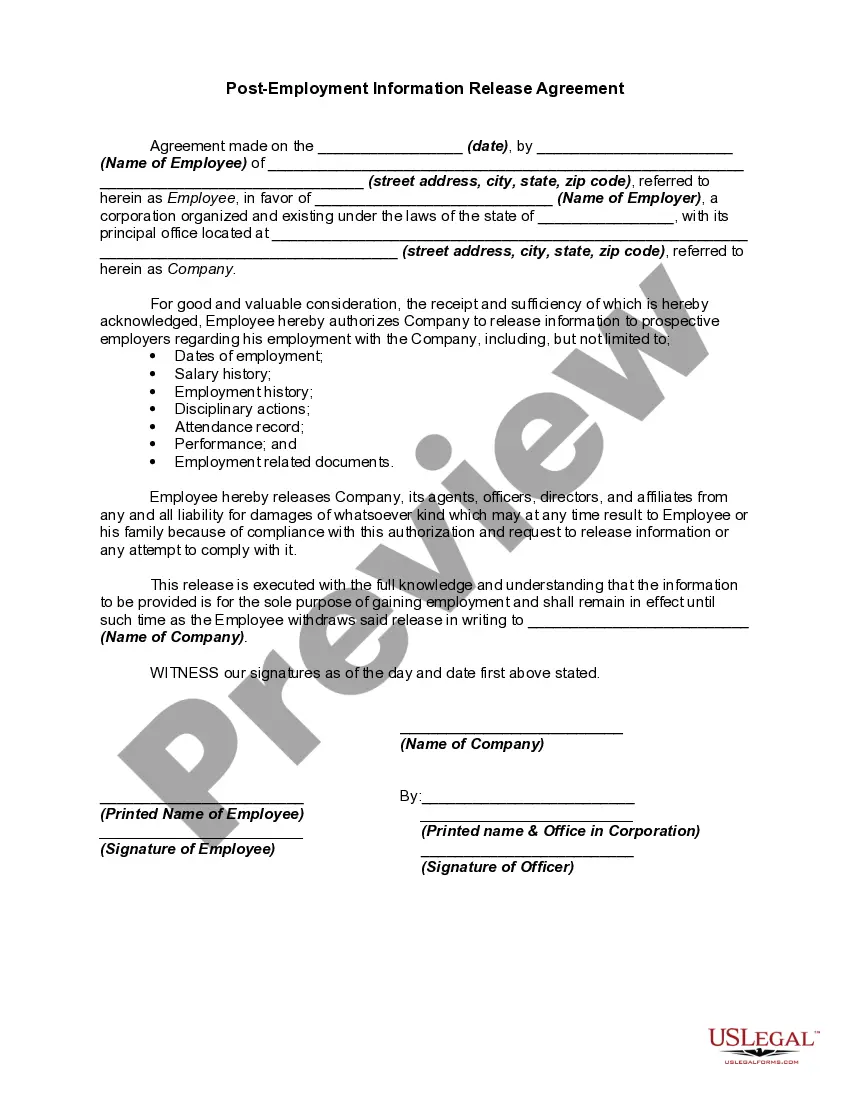
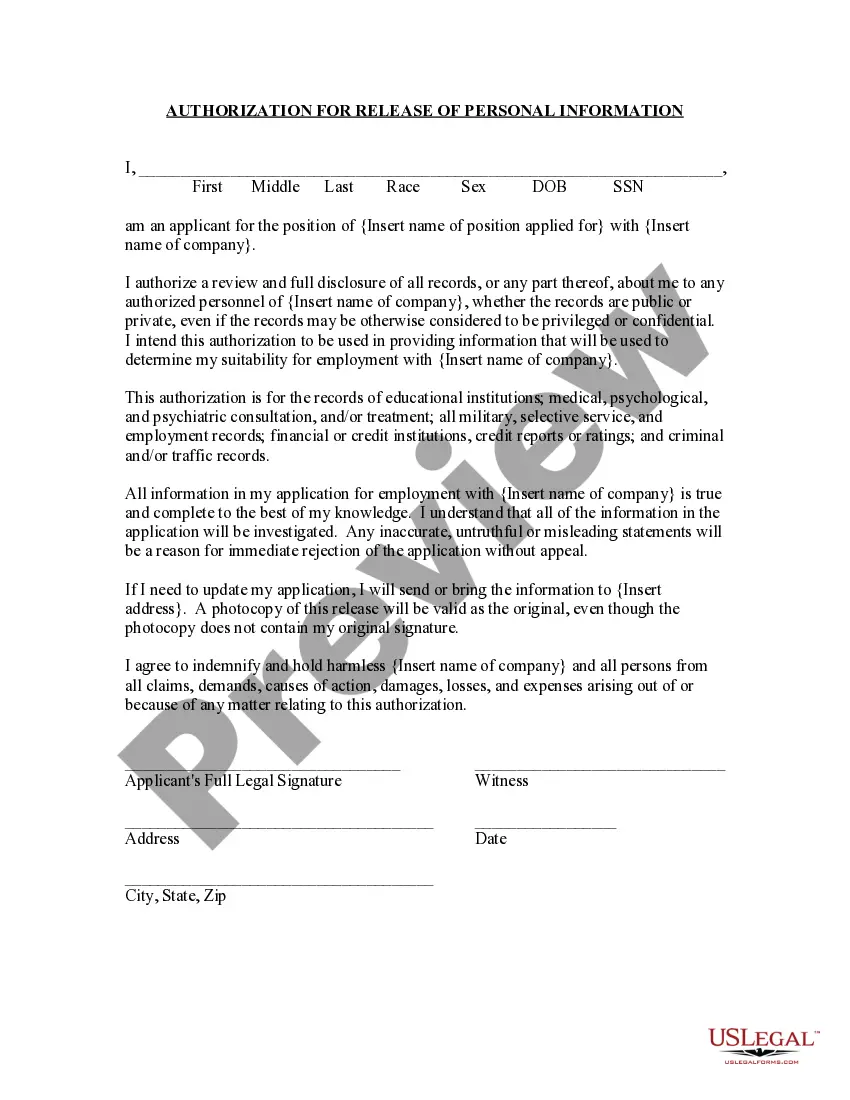
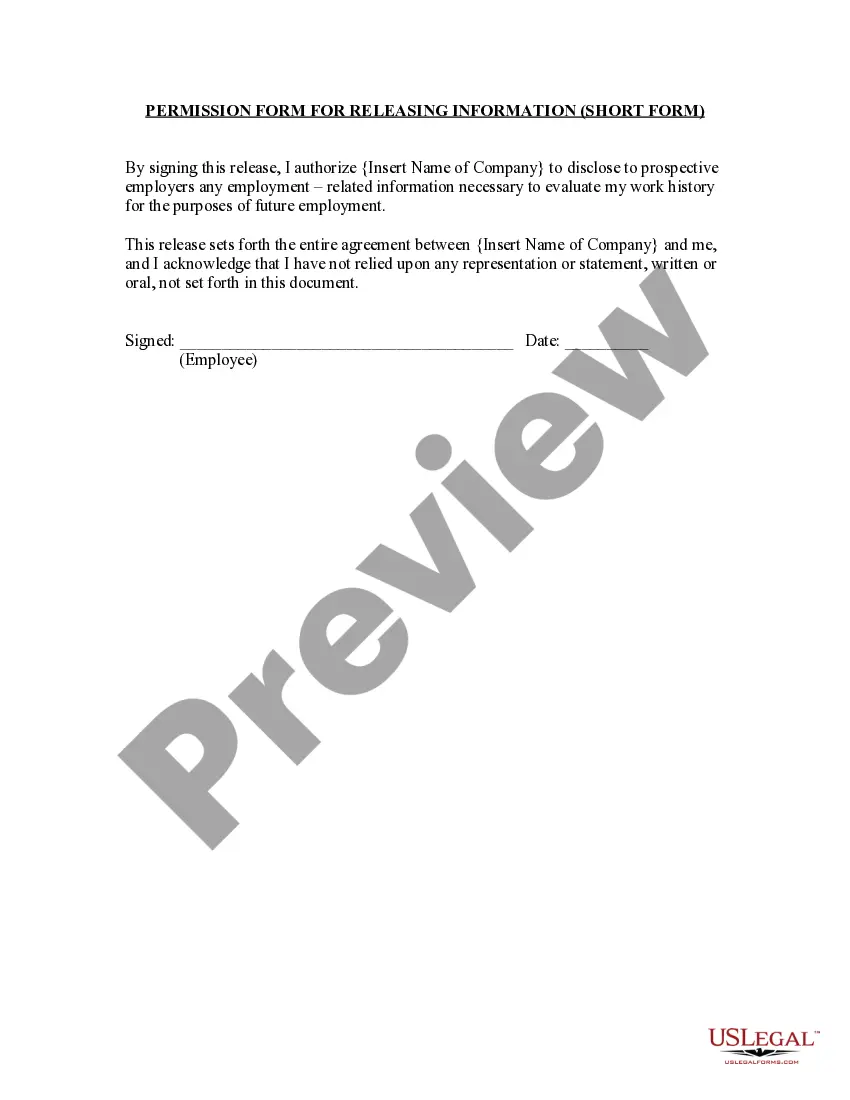
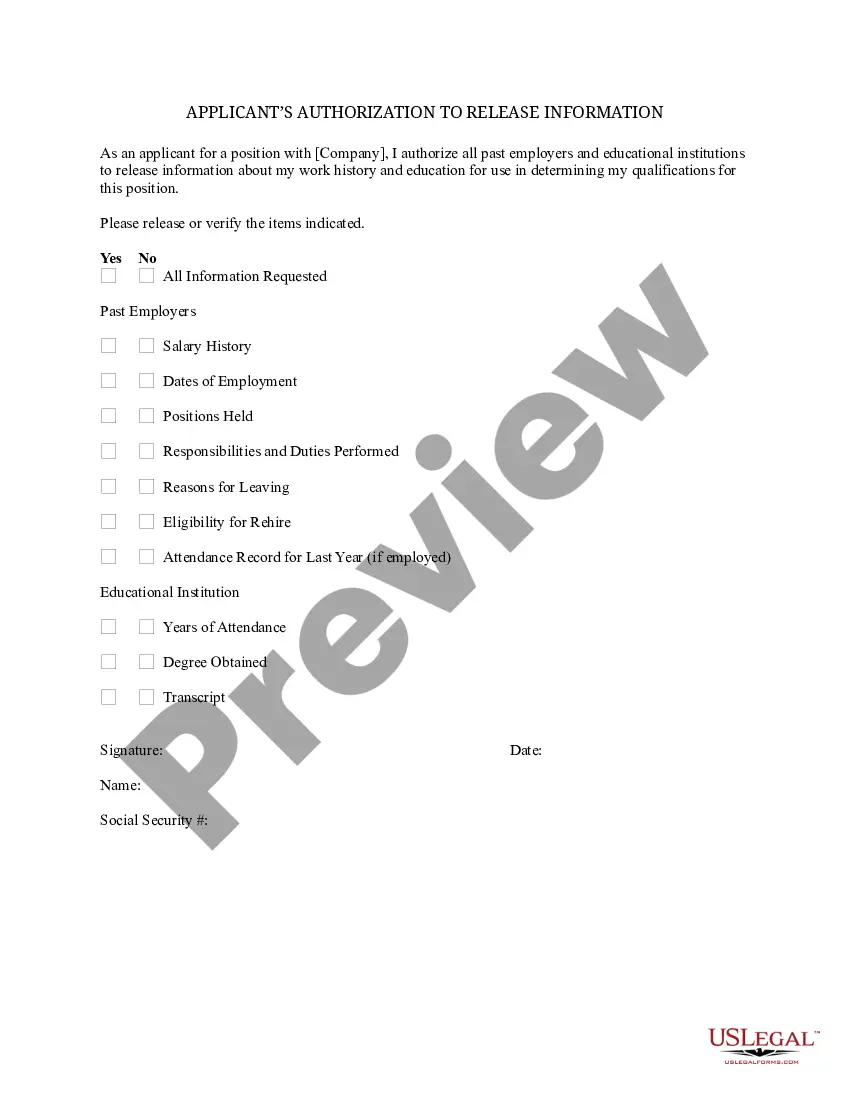
Get your form ready online
Our built-in tools help you complete, sign, share, and store your documents in one place.
Make edits, fill in missing information, and update formatting in US Legal Forms—just like you would in MS Word.
Download a copy, print it, send it by email, or mail it via USPS—whatever works best for your next step.
Sign and collect signatures with our SignNow integration. Send to multiple recipients, set reminders, and more. Go Premium to unlock E-Sign.
If this form requires notarization, complete it online through a secure video call—no need to meet a notary in person or wait for an appointment.
We protect your documents and personal data by following strict security and privacy standards.

Make edits, fill in missing information, and update formatting in US Legal Forms—just like you would in MS Word.

Download a copy, print it, send it by email, or mail it via USPS—whatever works best for your next step.

Sign and collect signatures with our SignNow integration. Send to multiple recipients, set reminders, and more. Go Premium to unlock E-Sign.

If this form requires notarization, complete it online through a secure video call—no need to meet a notary in person or wait for an appointment.

We protect your documents and personal data by following strict security and privacy standards.
Looking for another form?







Form popularity
FAQ
Release of Information Authorization Under the HIPAA Privacy Rule, when a release of information is intended for purposes other than medical treatment, healthcare operations, or payment, you'll need to sign an authorization for ROI.
Clinical record means a paper or electronic file that is main- tained by the provider and contains pertinent psychological, medical, and clinical information for each person served.
Begin by specifying your name, the entity authorized to disclose information, and the individuals or entities you authorize to receive it. Indicate the specific information and purpose for which it will be disclosed, add an expiration date or event, and sign and date the form to confirm your consent.
How you make your request will depend on your provider's processes. You may be able to request your record through your provider's patient portal. You may have to fill out a form — called a health or medical record release form, or request for access—send an email, or mail or fax a letter to your provider.
Personal health record (PHR) Electronic medical record (EMR)
How do I access my health records? Contact the custodian of your health records, such as a doctor, clinic or hospital, to request access. The custodian might ask you to make a formal request, in writing. You can write a letter or use this Request to Access Personal Health Information Form.
If you are not using a form, be sure to include the full name, address, phone number, and secure fax or secure email address where the provider can send you the records.
The main components of a medical record include patient identification details, medical history, current and past medication, treatment records, lab results, diagnostic reports, notes on progress, immunization records, billing information, etc.
By signing this form, you authorize the institution to which this form is submitted to release your information to the requester or their authorized representative. The consent must be signed and dated by the person giving the consent.
A release of information is a document that gives a consumer the opportunity to decide what material they want released from their medical file, who they want it delivered to, how long the data can be issued, and under what statutes and guidelines it is released.

