Release Of Information Example In Wayne
Description
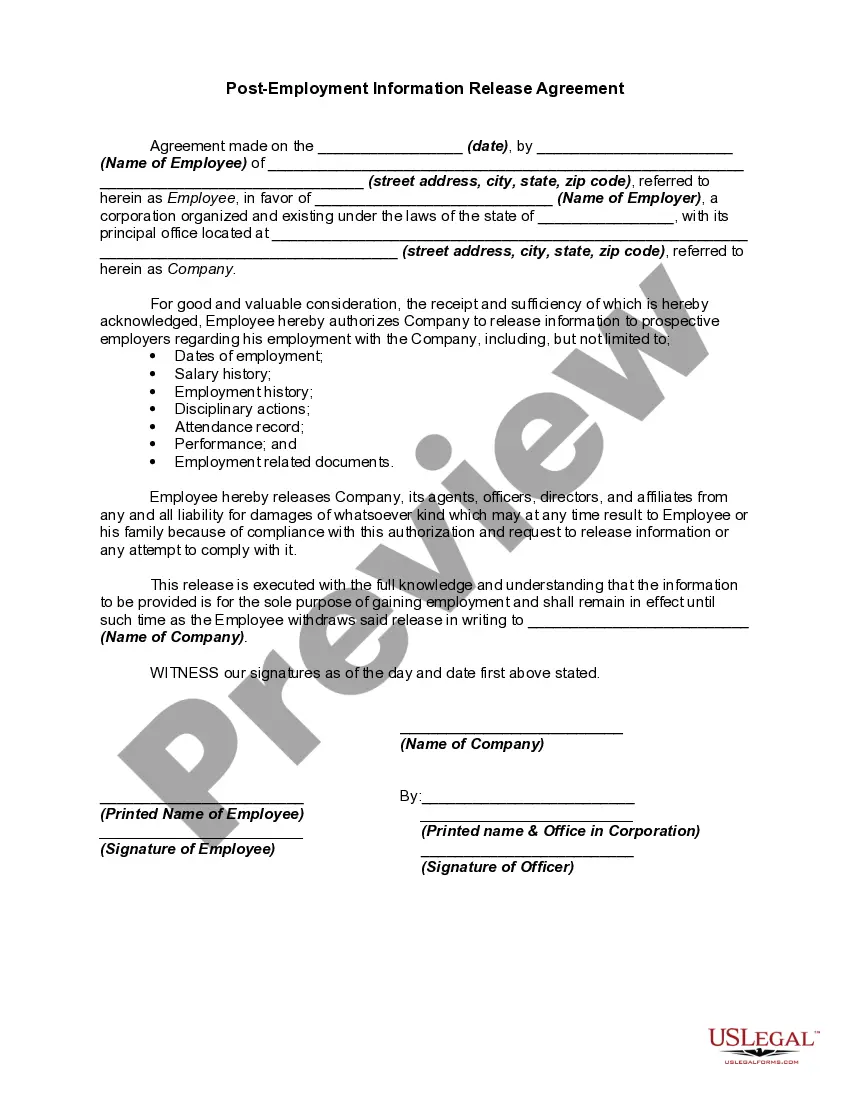
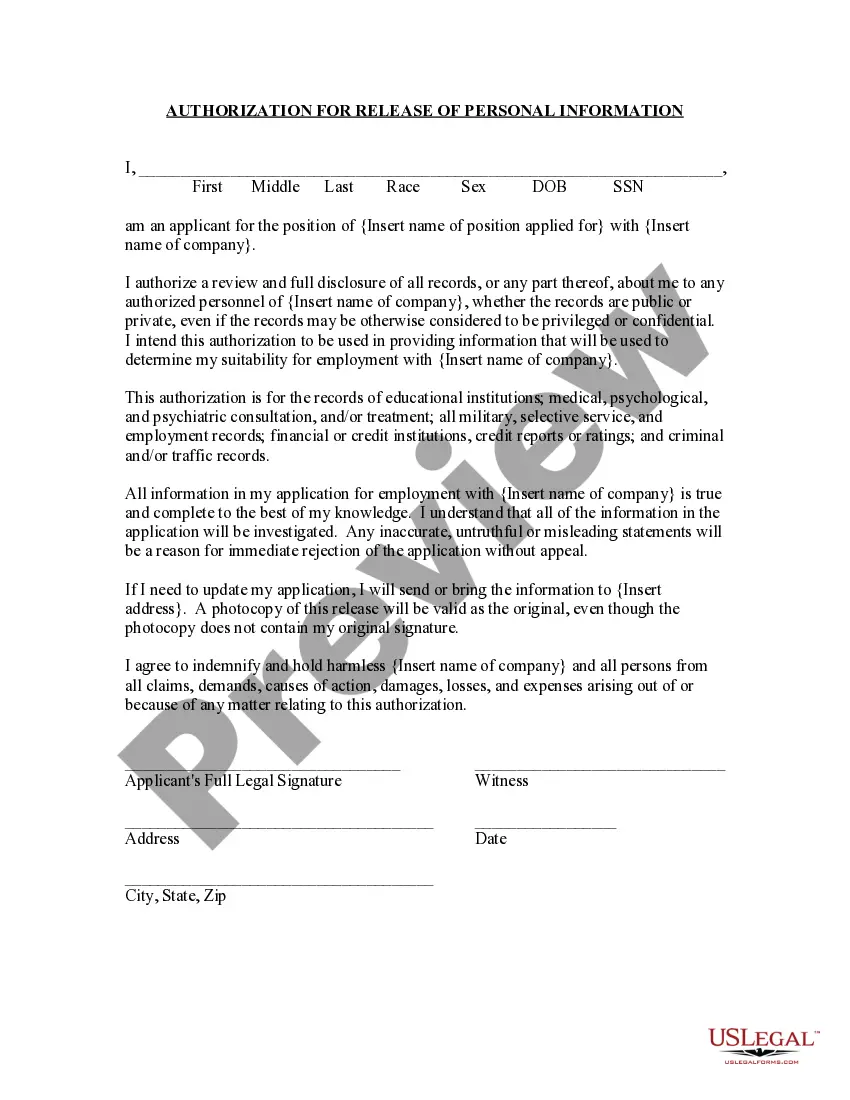
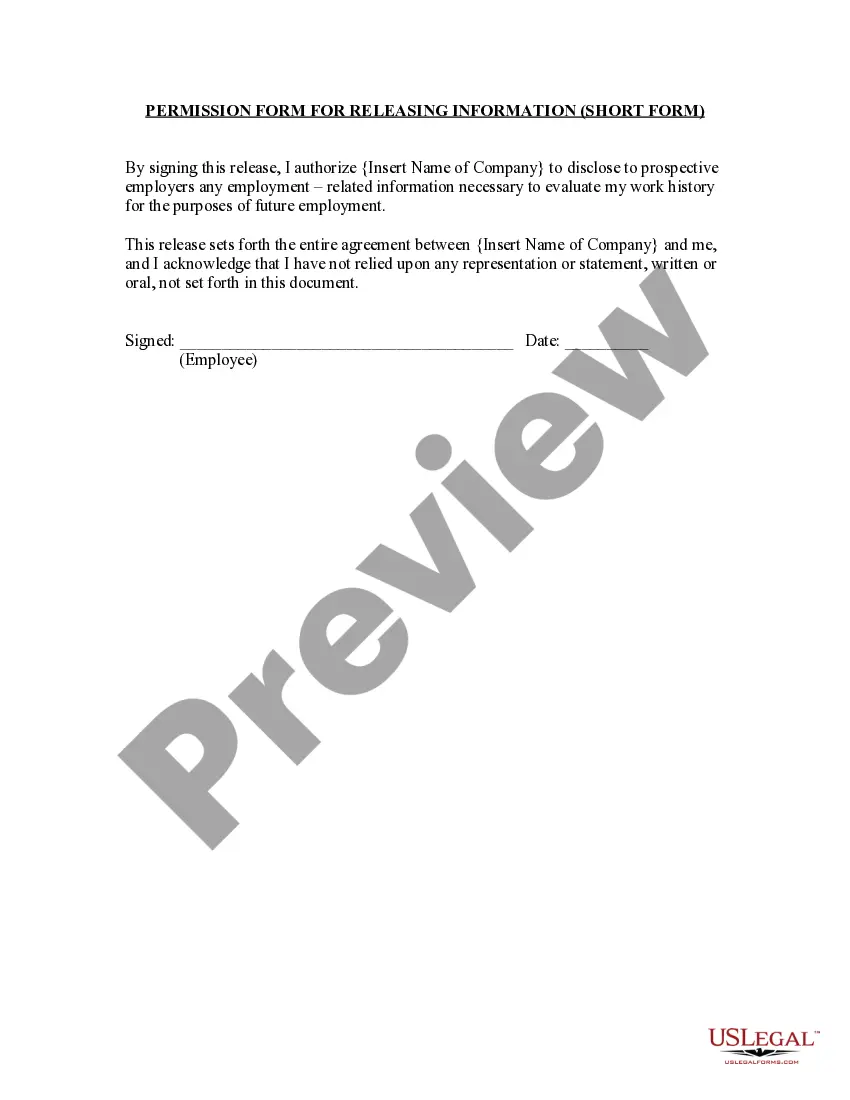
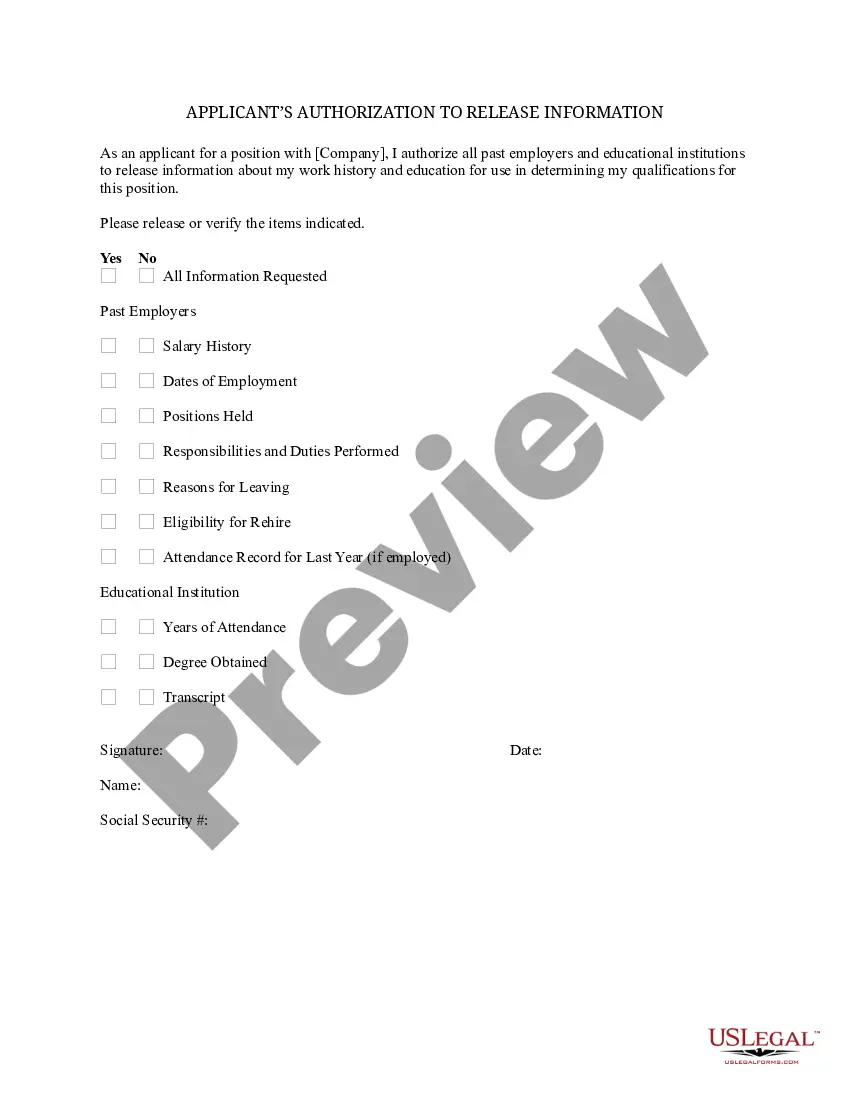
Get your form ready online
Our built-in tools help you complete, sign, share, and store your documents in one place.
Make edits, fill in missing information, and update formatting in US Legal Forms—just like you would in MS Word.
Download a copy, print it, send it by email, or mail it via USPS—whatever works best for your next step.
Sign and collect signatures with our SignNow integration. Send to multiple recipients, set reminders, and more. Go Premium to unlock E-Sign.
If this form requires notarization, complete it online through a secure video call—no need to meet a notary in person or wait for an appointment.
We protect your documents and personal data by following strict security and privacy standards.

Make edits, fill in missing information, and update formatting in US Legal Forms—just like you would in MS Word.

Download a copy, print it, send it by email, or mail it via USPS—whatever works best for your next step.

Sign and collect signatures with our SignNow integration. Send to multiple recipients, set reminders, and more. Go Premium to unlock E-Sign.

If this form requires notarization, complete it online through a secure video call—no need to meet a notary in person or wait for an appointment.

We protect your documents and personal data by following strict security and privacy standards.
Looking for another form?








Form popularity
FAQ
If you are not using a form, be sure to include the full name, address, phone number, and secure fax or secure email address where the provider can send you the records.
Personal health record (PHR) Electronic medical record (EMR)
Medical records are an integral part of the healthcare system and are meant to improve the quality of care. They contain 1. Patient Demographics · 2. Medical History · 3.
Release of Information Authorization Under the HIPAA Privacy Rule, when a release of information is intended for purposes other than medical treatment, healthcare operations, or payment, you'll need to sign an authorization for ROI.
The two most common types of databases found in healthcare... relational and object-oriented databases. An index creates a definition for terms that are within a database.
The two most commonly used filing systems for paper-based medical records are the chronologic and numeric systems. Chronologic Filing System: This organizes medical records based on the date of service. Numeric Filing System: This system arranges records by a unique identification number assigned to each patient.
The most commonly used health record format in healthcare settings as they transition to electronic records is the Electronic Health Record (EHR). EHRs are comprehensive digital records that contain a patient's medical history, medications, lab results, and treatment plans.
The primary purpose of a release of information form is to protect the patient's privacy and ensure that their medical information is only shared with their consent. It empowers patients to control who has access to their personal health data and under what circumstances.

