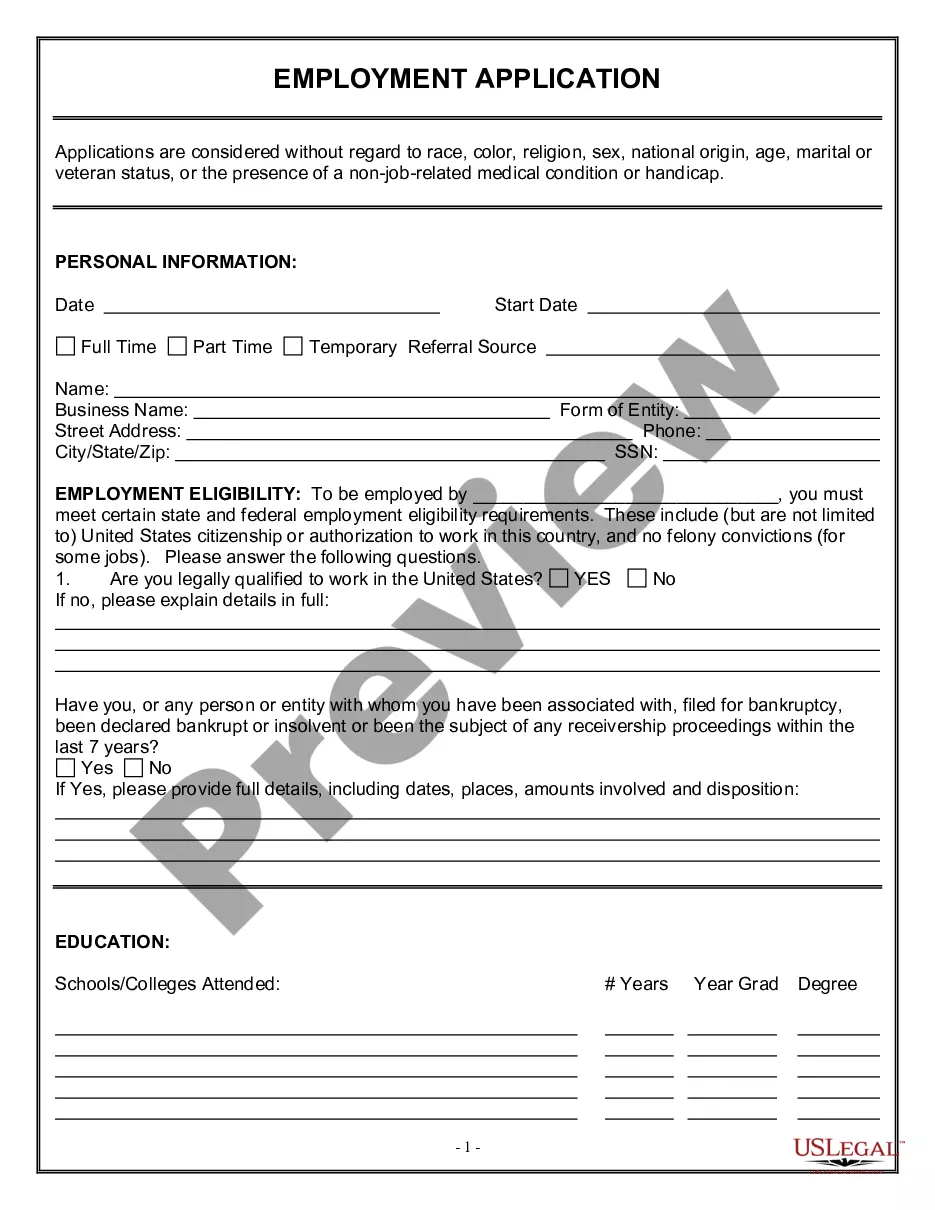
Employment Agreement With Non Compete Clause In Washington
Description
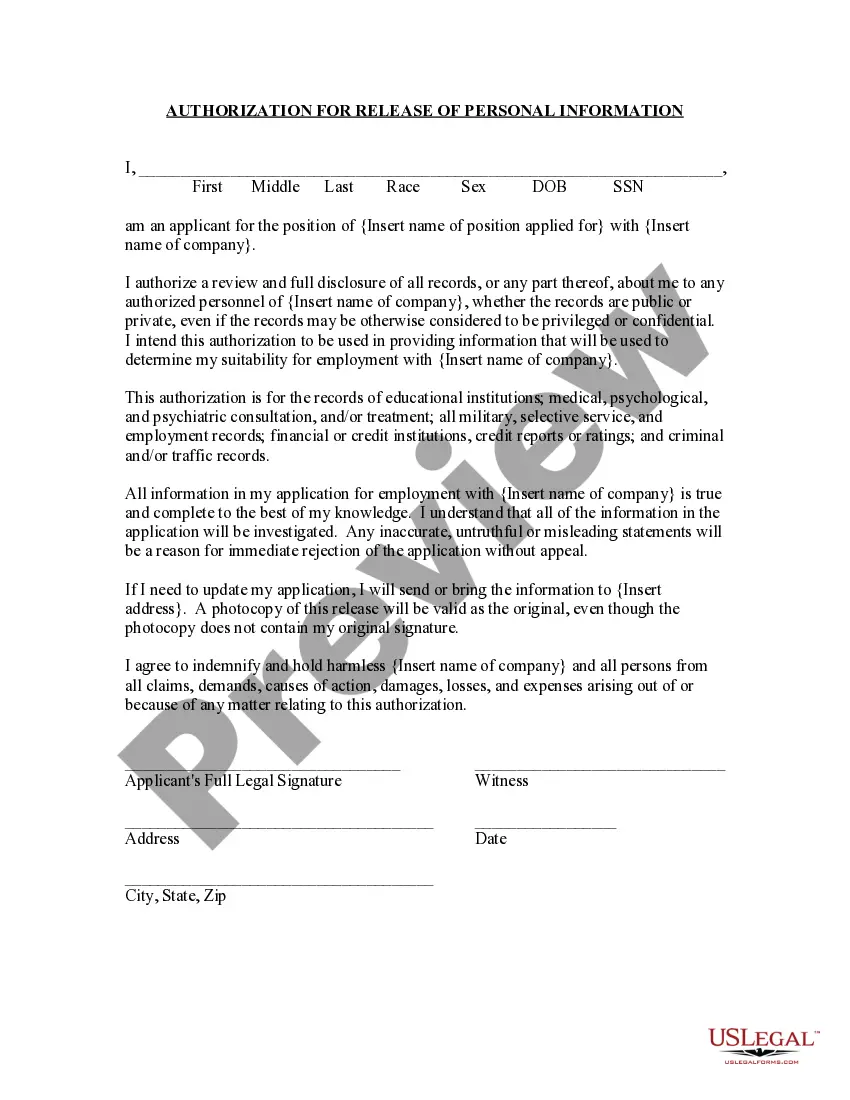
Get your form ready online
Our built-in tools help you complete, sign, share, and store your documents in one place.
Make edits, fill in missing information, and update formatting in US Legal Forms—just like you would in MS Word.
Download a copy, print it, send it by email, or mail it via USPS—whatever works best for your next step.
Sign and collect signatures with our SignNow integration. Send to multiple recipients, set reminders, and more. Go Premium to unlock E-Sign.
If this form requires notarization, complete it online through a secure video call—no need to meet a notary in person or wait for an appointment.
We protect your documents and personal data by following strict security and privacy standards.

Make edits, fill in missing information, and update formatting in US Legal Forms—just like you would in MS Word.

Download a copy, print it, send it by email, or mail it via USPS—whatever works best for your next step.

Sign and collect signatures with our SignNow integration. Send to multiple recipients, set reminders, and more. Go Premium to unlock E-Sign.

If this form requires notarization, complete it online through a secure video call—no need to meet a notary in person or wait for an appointment.

We protect your documents and personal data by following strict security and privacy standards.
Looking for another form?



Form popularity
FAQ
Only employees or independent contractors who earn more than the thresholds established by law can be held to non-competition agreements. If an employee or independent contractor has earnings less than the threshold specified under law, the non-compete agreements is considered void and unenforceable under RCW 49.62.
Washington has severely restricted non-competition agreements since 2020 when a new state law took effect. This law includes rules on anti-moonlighting policies and provisions: No Moonlighting Restrictions for Low Wage Workers, Unless an Exception Applies.
Only workers who earn more than $123,394.17 per year or $308,485.43 per year for independent contractors can be held to non-competition agreements. The maximum wage reimbursements for the Stay at Work and Preferred Worker Programs are increasing from $10,000 to $25,000 per claim in 2025.
Enforceability of Non-Compete Clauses In 2025, employees must earn at least $123,394.17, and independent contractors must earn $308,485.43, for such agreements to be valid, compared to the previous thresholds of $120,599.99 and $301,399.98, respectively.
Noncompete agreements (often referred to as noncompetes) are postemployment restrictions that prohibit departing employees from joining or starting a competing enterprise, typically within time and geographic boundaries (for examples, see Figures OE1, OE2, and OE3 in the Online Appendix).
On April 23, 2024, the FTC passed a final rule to ban most non-compete clauses in employment agreements, finding such agreements to be unfair methods of competition (the “FTC Rule”).
Ing to its website, the 2025 threshold for employees is $123,394.17. Washington maintains a higher income threshold for independent contractors, which increases to $308,485.43 in 2025.
For laid-off employees, noncompete agreements are unenforceable unless the employer pays the full base salary through the noncompete period. For Washington-based employees, out-of-state forum selection clauses will not be enforced, regardless of where the employer is based.
Only workers who earn more than $123,394.17 per year or $308,485.43 per year for independent contractors can be held to non-competition agreements. The maximum wage reimbursements for the Stay at Work and Preferred Worker Programs are increasing from $10,000 to $25,000 per claim in 2025.