Release Of Information Without Consent In New York
Description
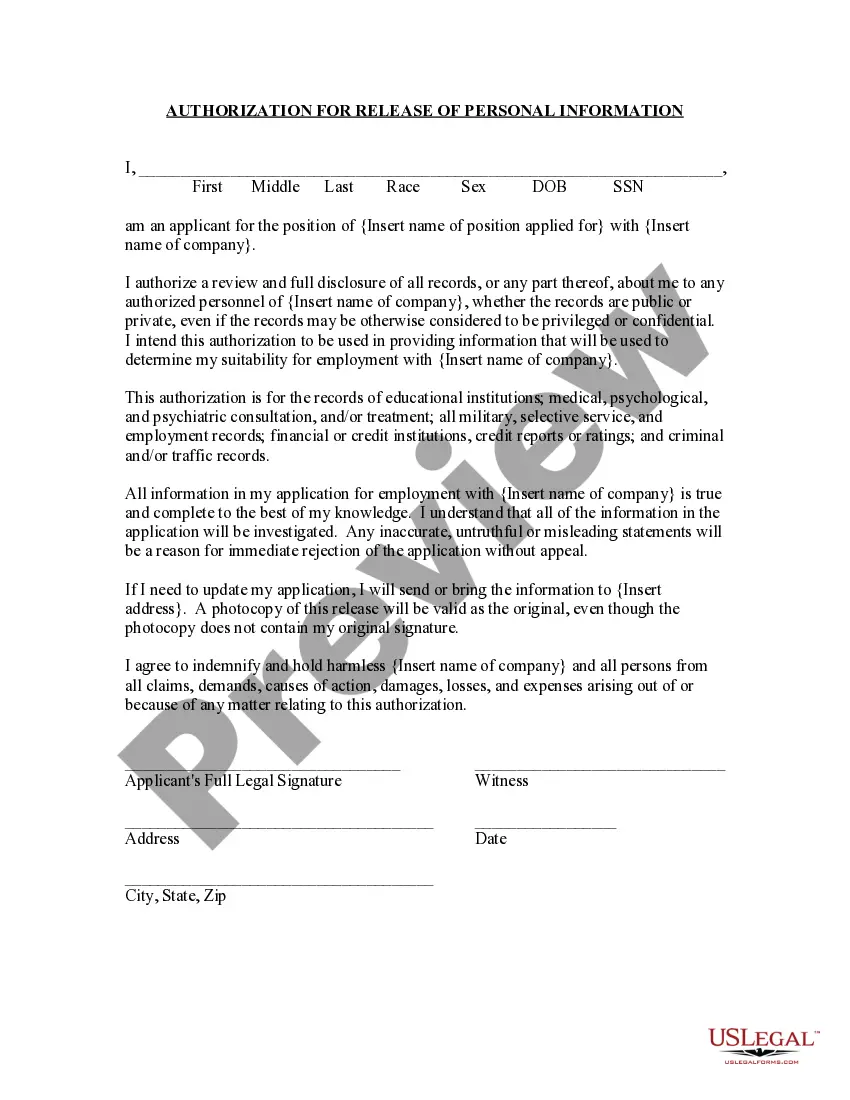
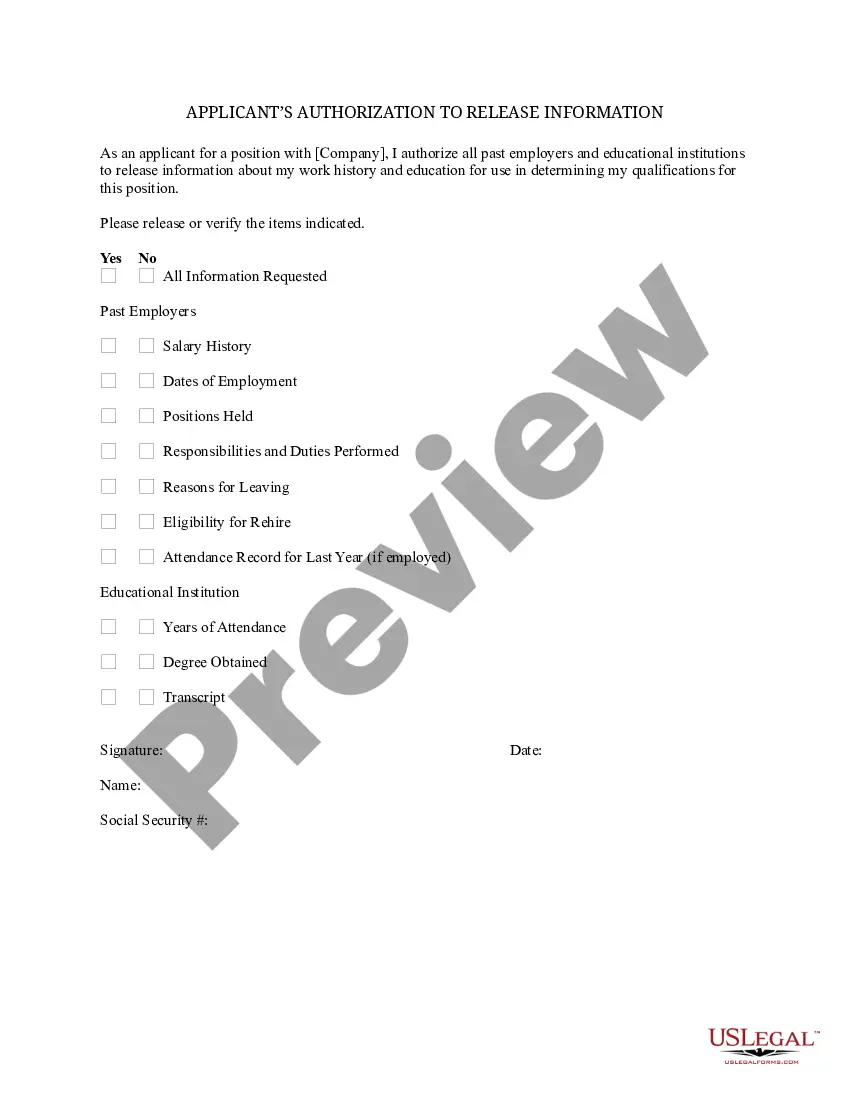
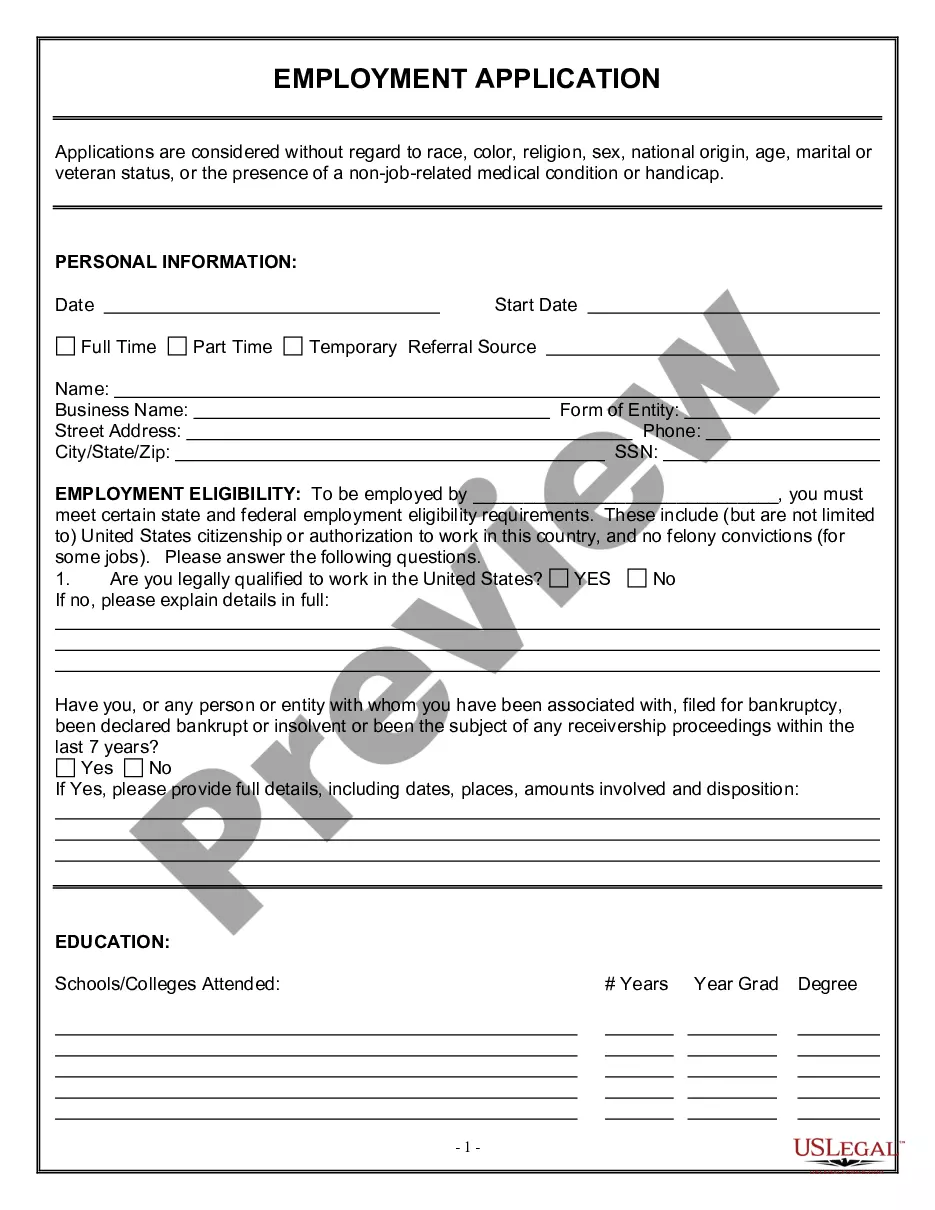
Get your form ready online
Our built-in tools help you complete, sign, share, and store your documents in one place.
Make edits, fill in missing information, and update formatting in US Legal Forms—just like you would in MS Word.
Download a copy, print it, send it by email, or mail it via USPS—whatever works best for your next step.
Sign and collect signatures with our SignNow integration. Send to multiple recipients, set reminders, and more. Go Premium to unlock E-Sign.
If this form requires notarization, complete it online through a secure video call—no need to meet a notary in person or wait for an appointment.
We protect your documents and personal data by following strict security and privacy standards.

Make edits, fill in missing information, and update formatting in US Legal Forms—just like you would in MS Word.

Download a copy, print it, send it by email, or mail it via USPS—whatever works best for your next step.

Sign and collect signatures with our SignNow integration. Send to multiple recipients, set reminders, and more. Go Premium to unlock E-Sign.

If this form requires notarization, complete it online through a secure video call—no need to meet a notary in person or wait for an appointment.

We protect your documents and personal data by following strict security and privacy standards.
Looking for another form?
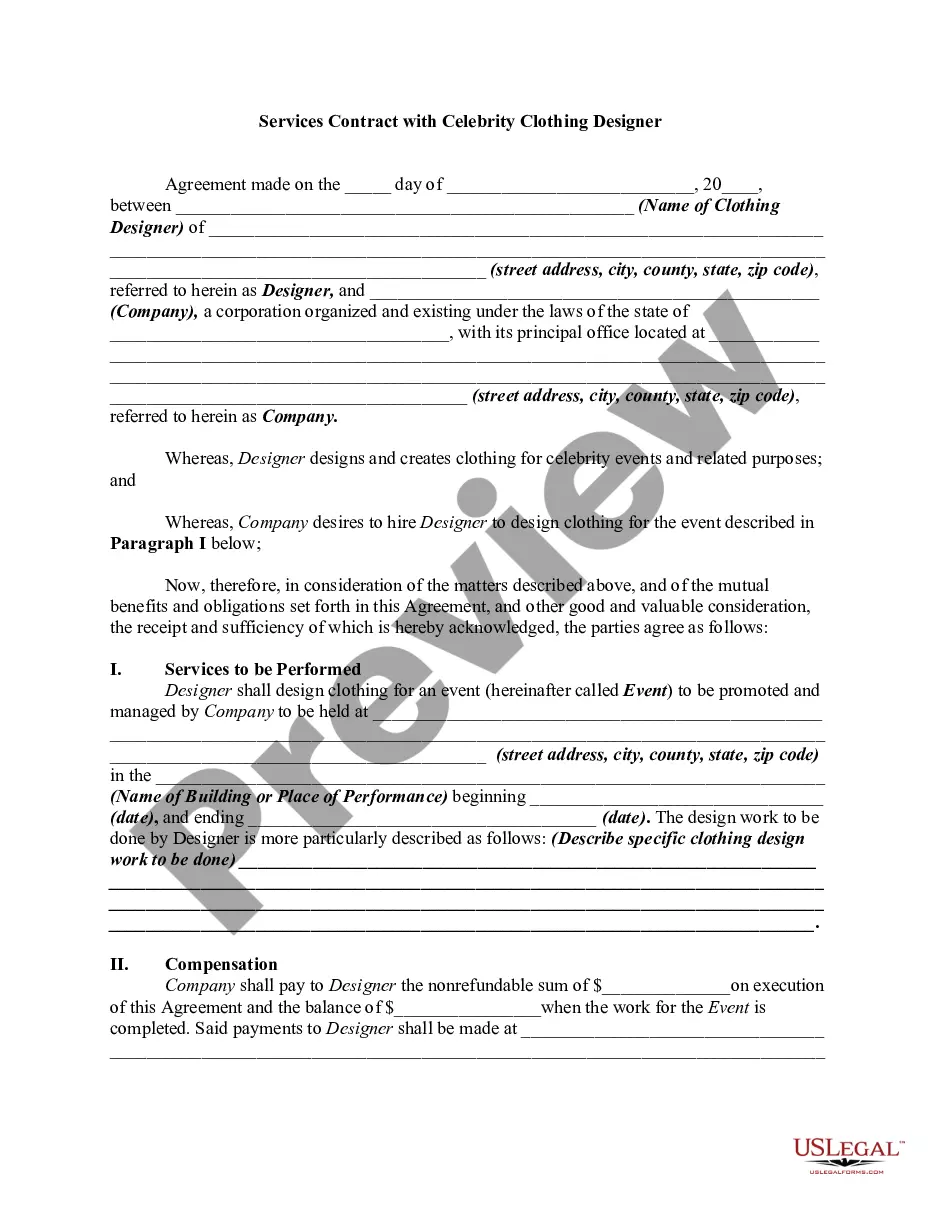




Form popularity
FAQ
The Freedom of Information Law (“FOIL”), Article 6 (Sections 84-90) of the NYS Public Officers Law, provides the public right to access to records maintained by government agencies with certain exceptions.
New York's eavesdropping law makes it a felony to use a device to overhear or record in-person conversations at which one is not present without the consent of at least one party to that conversation. N.Y. Penal Law §§ 250.00, 250.05.
Article 6 of the New York State Public Officers Law is known as the Freedom of Information Law (FOIL). This law allows members of the public to request records from New York State or local government agencies.
The statute exempts the following records from disclosure: (1) those exempt from disclosure by state or federal statute; (2) those which if disclosed would constitute an unwarranted invasion of privacy; (3) those which if disclosed would impair contract awards or collective bargaining negotiations; (4) those containing ...
The Health Insurance Portability and Accountability Act (HIPAA) is a federal law that requires covered entities (e.g., private health care providers, health plans) to protect individuals' health records and other personal health information that the entities maintain or transmit.
Lack of informed consent means the failure of the person providing the professional treatment or diagnosis to disclose to the patient such alternatives thereto and the reasonably foreseeable risks and benefits involved as a reasonable medical, dental or podiatric practitioner under similar circumstances would have ...
(a) An agency shall provide records on the medium requested by a person, if the agency can reasonably make such copy or have such copy made by engaging an outside professional service. Records provided in a computer format shall not be encrypted.
A Privacy Rule Authorization is an individual's signed permission to allow a covered entity to use or disclose the individual's protected health information (PHI) that is described in the Authorization for the purpose(s) and to the recipient(s) stated in the Authorization.
The Freedom of Information Law, effective January 1, 1978, reaffirms your right to know how your government operates. It provides rights of access to records reflective of governmental decisions and policies that affect the lives of every New Yorker.