Consent With Work In Minnesota
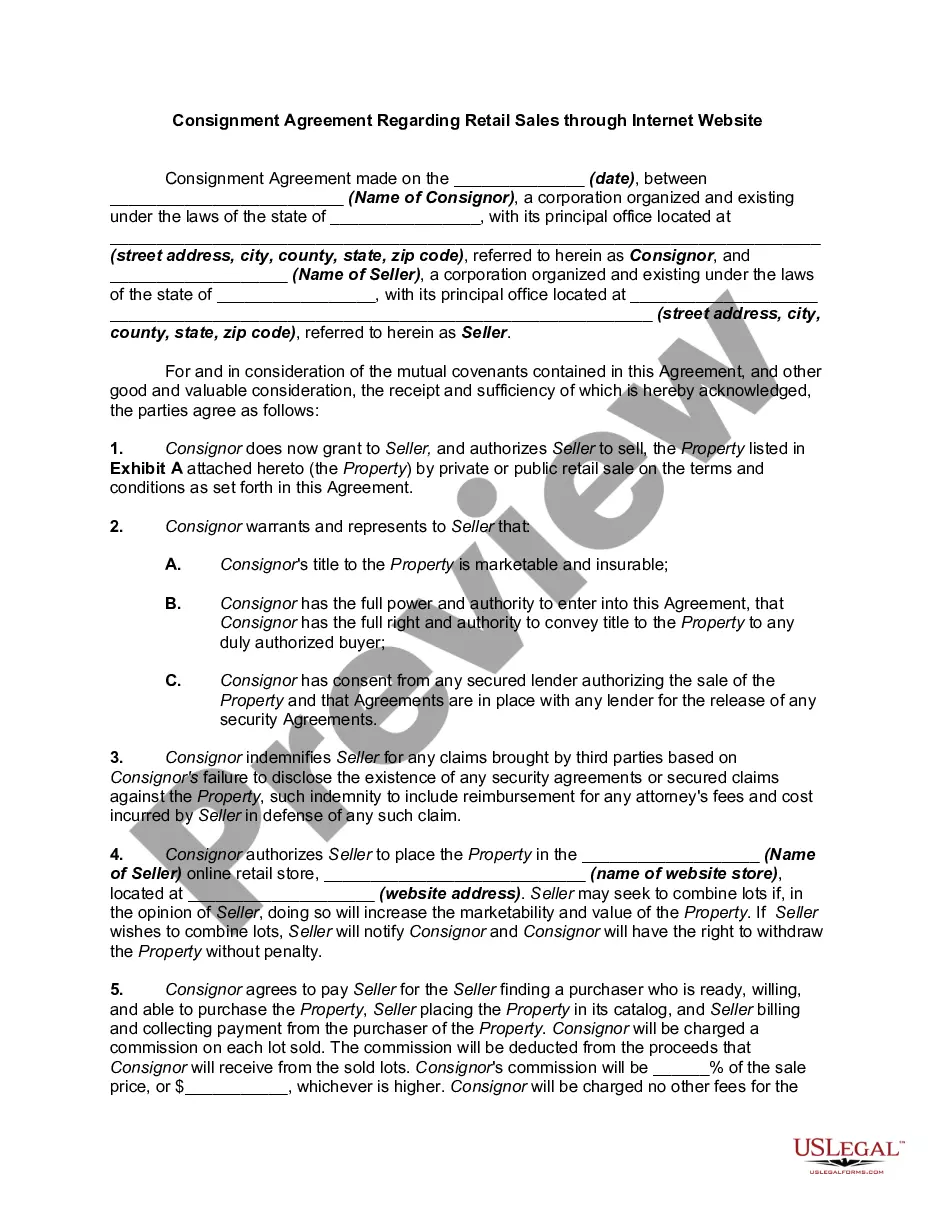
Description
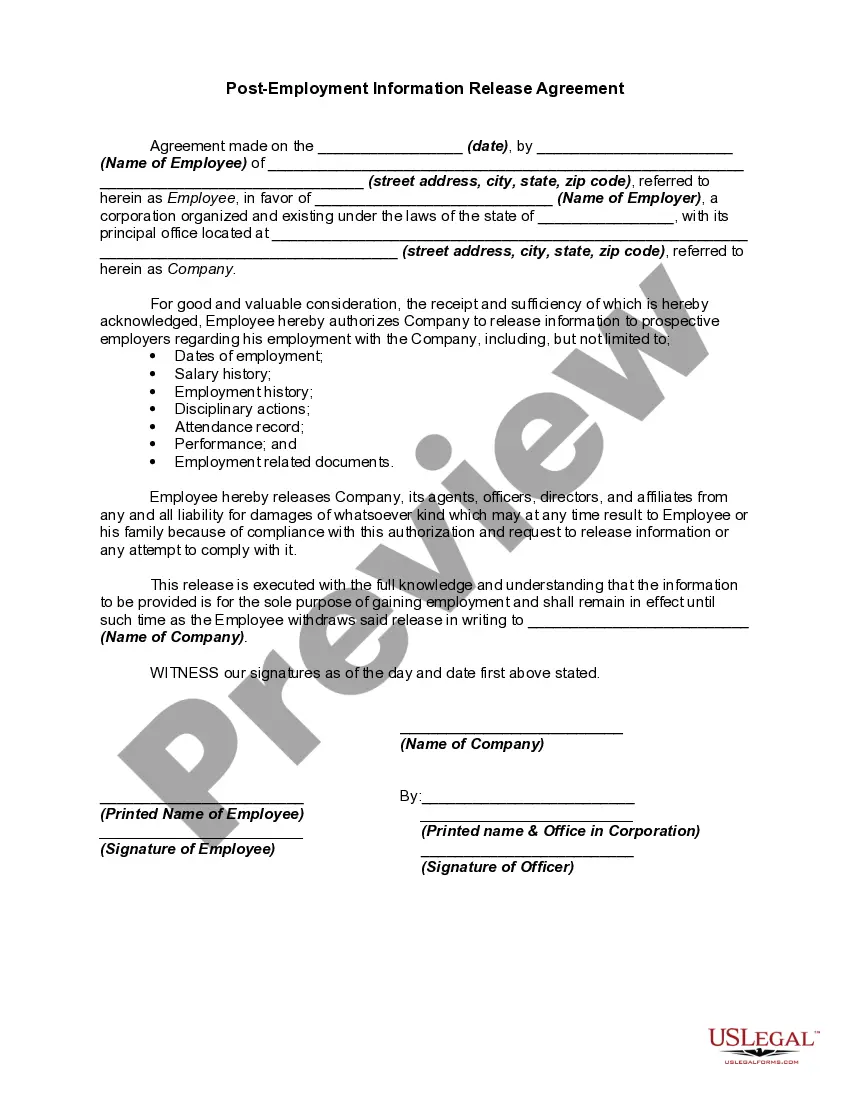
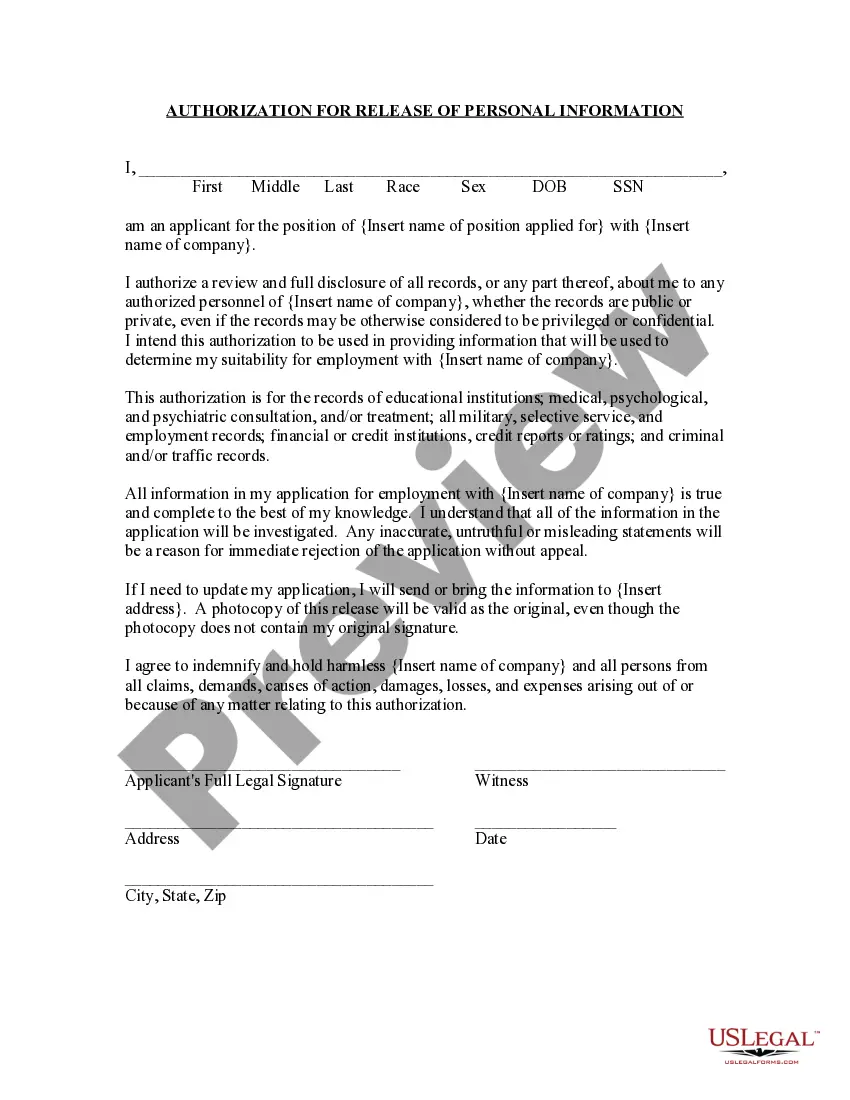
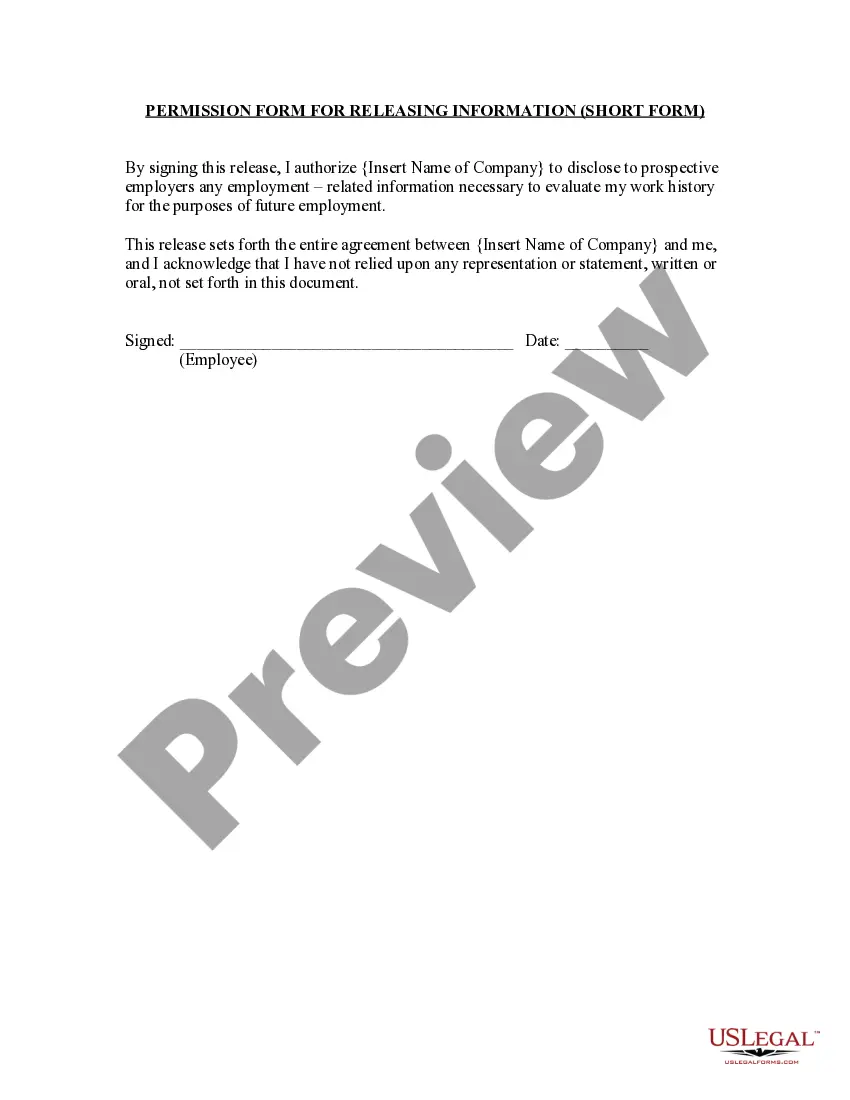
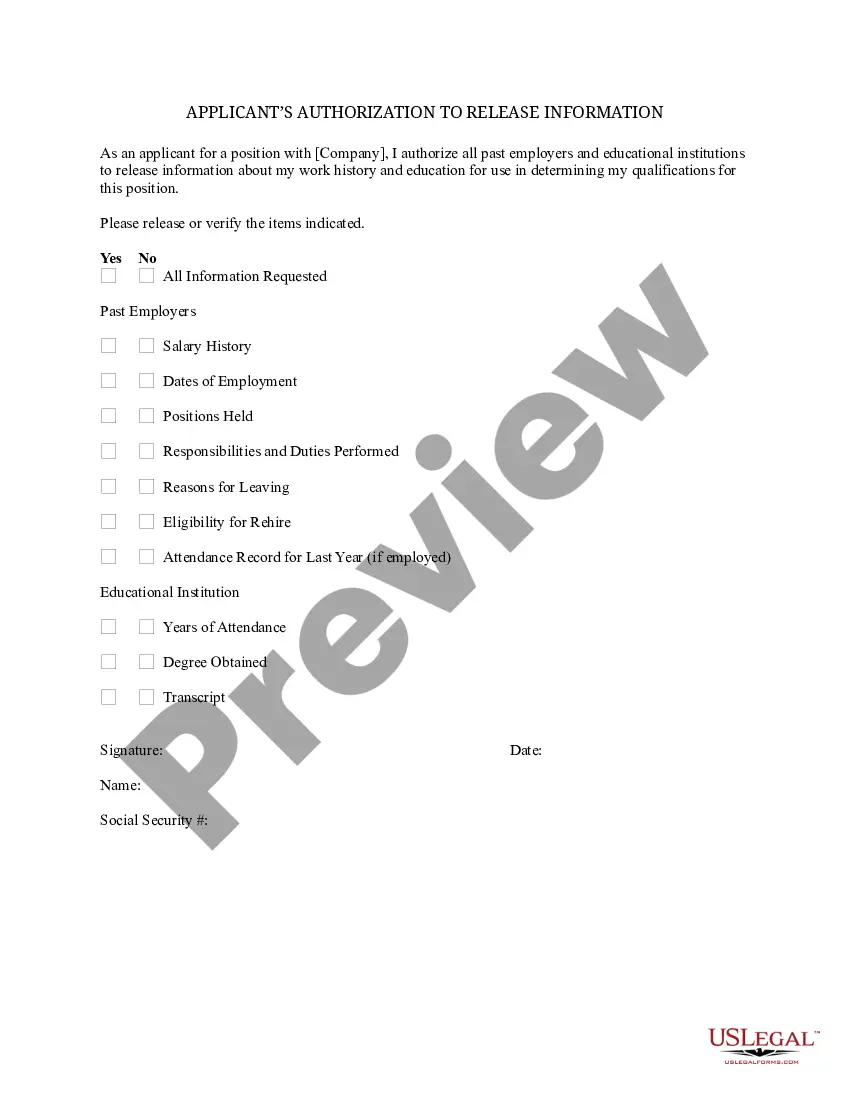
Get your form ready online
Our built-in tools help you complete, sign, share, and store your documents in one place.
Make edits, fill in missing information, and update formatting in US Legal Forms—just like you would in MS Word.
Download a copy, print it, send it by email, or mail it via USPS—whatever works best for your next step.
Sign and collect signatures with our SignNow integration. Send to multiple recipients, set reminders, and more. Go Premium to unlock E-Sign.
If this form requires notarization, complete it online through a secure video call—no need to meet a notary in person or wait for an appointment.
We protect your documents and personal data by following strict security and privacy standards.

Make edits, fill in missing information, and update formatting in US Legal Forms—just like you would in MS Word.

Download a copy, print it, send it by email, or mail it via USPS—whatever works best for your next step.

Sign and collect signatures with our SignNow integration. Send to multiple recipients, set reminders, and more. Go Premium to unlock E-Sign.

If this form requires notarization, complete it online through a secure video call—no need to meet a notary in person or wait for an appointment.

We protect your documents and personal data by following strict security and privacy standards.
Looking for another form?



Form popularity
FAQ
Minnesota is a one-party consent state. This generally carries up to five years of imprisonment, although penalties may be reduced in some circumstances.
You will need to submit a written request for an implied consent hearing. This is called the "implied consent petition," and your lawyer can help you correctly fill out this petition. If it is not correctly filled out, then your hearing can be denied. The petition must also list the issues that are to be challenged.
What You Can Expect From An Implied Consent Hearing. Minnesota's implied consent law permits the revocation of a person's driver's license if a person arrested for driving either fails or refuses to submit to a breath, blood or test.
Minnesota Rules 1205.1400, subpart 3, requires that individuals giving informed consent have sufficient mental capacity to understand the consequences of their decision to give consent. Minnesota Rules 1205.1400, subpart 4, requires that a valid informed consent must: Be voluntary and not coerced. Be in writing.
For the eyes of the law to recognize a person's consent, that person must be of a specific age, most often between 16 and 18. In Minnesota, the consenting age is 16 years old, which means a person must be at least 16 to be considered competent enough to consent to sexual activity with another individual.
Minnesota Rules 1205.1400, subpart 3, requires that individuals giving informed consent have sufficient mental capacity to understand the consequences of their decision to give consent. Minnesota Rules 1205.1400, subpart 4, requires that a valid informed consent must: Be voluntary and not coerced. Be in writing.
For the eyes of the law to recognize a person's consent, that person must be of a specific age, most often between 16 and 18. In Minnesota, the consenting age is 16 years old, which means a person must be at least 16 to be considered competent enough to consent to sexual activity with another individual.
Children ages 14 and 15 cannot work before 7 a.m., after 9 p.m., more than 40 hours a week or more than eight hours a day. After they reach age 16, they cannot work after 11 p.m. on nights before school or before 5 a.m. on school days.
State or other jurisdictionMaximum daily and weekly hours and days per week for minors of age: a Under 16 Arkansas 8-48-6 California 8-40 school day/week: 3-18 Colorado 8-40 school day: 651 more rows
In New York, for example, minors between the ages of 14 and 17 must have legal working papers to hold a job. However, other states have different requirements when it comes to employing minors. Some states, such as Tennessee and Florida, don't require work permits for minors.

