Employment Agreement With In Maryland
Description
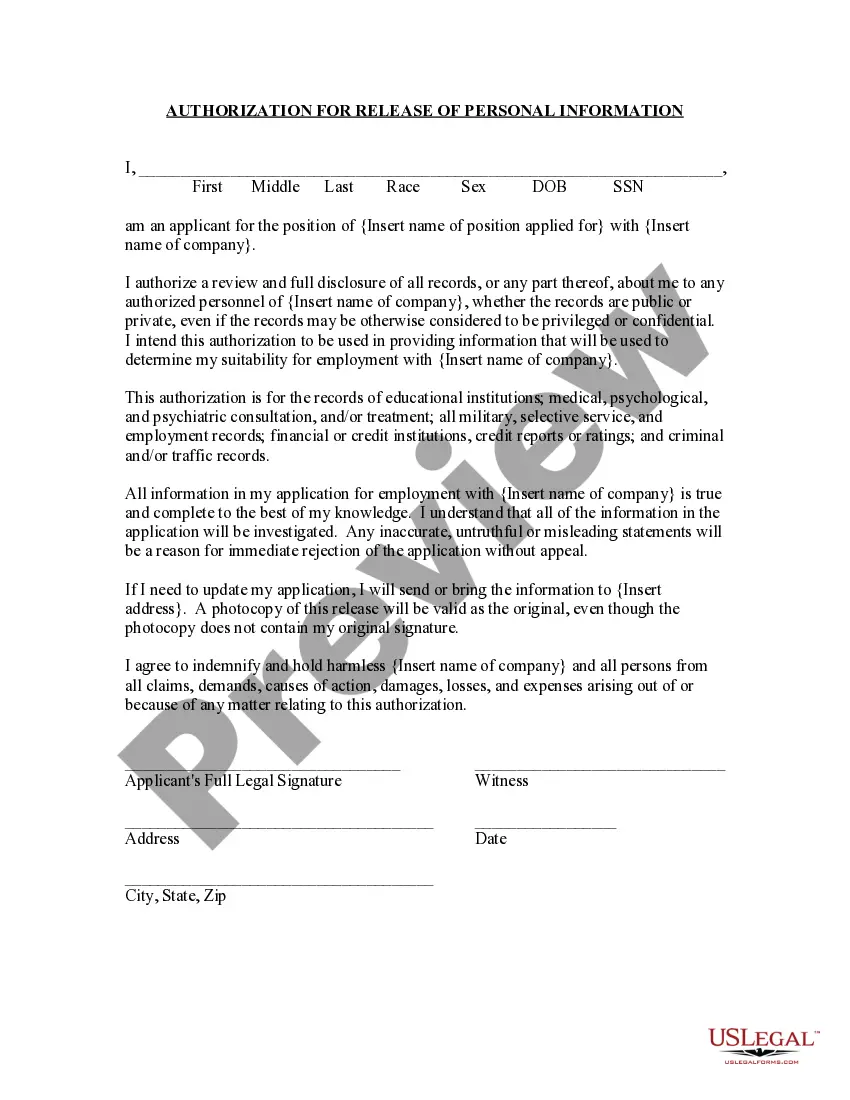
Get your form ready online
Our built-in tools help you complete, sign, share, and store your documents in one place.
Make edits, fill in missing information, and update formatting in US Legal Forms—just like you would in MS Word.
Download a copy, print it, send it by email, or mail it via USPS—whatever works best for your next step.
Sign and collect signatures with our SignNow integration. Send to multiple recipients, set reminders, and more. Go Premium to unlock E-Sign.
If this form requires notarization, complete it online through a secure video call—no need to meet a notary in person or wait for an appointment.
We protect your documents and personal data by following strict security and privacy standards.

Make edits, fill in missing information, and update formatting in US Legal Forms—just like you would in MS Word.

Download a copy, print it, send it by email, or mail it via USPS—whatever works best for your next step.

Sign and collect signatures with our SignNow integration. Send to multiple recipients, set reminders, and more. Go Premium to unlock E-Sign.

If this form requires notarization, complete it online through a secure video call—no need to meet a notary in person or wait for an appointment.

We protect your documents and personal data by following strict security and privacy standards.
Looking for another form?

Form popularity
FAQ
For a contract to be binding it needs to satisfy four principles, offer, acceptance, consideration, and the intention to create legal relations. Generally, the law believes that an agreement is made when one party makes an offer and the other party accepts it.
Generally, there's no cooling-off period after you sign a contract.
A contract will only be legally binding upon the contracting parties if the following requirements are complied with: consensus, contractual capacity, certainty, possibility, legality and formalities. 39 The above requirements will be discussed next. 39Para 1 1 above.
The terms of the contract must be agreed upon mutually. An offer is made, understood by both parties, and accepted. Both parties must agree to the same thing. This is sometimes referred to as “a meeting of the minds.”
This includes stating the employee's full name, their designated position within the organization, and their official start date. It is also essential to specify the job title accurately to avoid ambiguity and clearly outline the responsibilities and duties associated with the role.
In Maryland, for a contract to be valid, there must be an offer, acceptance, and consideration. Consideration means that each party gives up something of value as part of the deal. If one party breaks any part of this agreement, a breach has taken place.
Here are some steps you may use to guide you when you write an employment contract: Title the employment contract. Identify the parties. List the term and conditions. Outline the job responsibilities. Include compensation details. Use specific contract terms. Consult with an employment lawyer. Employment.
Maryland does not require that an employer give notice prior to terminating an employee unless they lay off 25 or more employees for more than seven days. However, it is customary to give two weeks' notice, which can be outlined in an employment agreement (Md. Code, Labor and Employment § 3-501).
While Maryland is an at-will employment state, meaning that either the employer or employee can end the employment relationship at any time and for any reason, there are important exceptions. Employers cannot terminate employees for reasons that are discriminatory, retaliatory, or in violation of public policy.
Maryland Layoff Notice Requirements The federal WARN Act, which applies in Maryland, requires employers to provide a minimum of 60 days' advance notice before a significant layoff or plant closure. This advance notice allows employees time to prepare financially and explore new employment or retraining opportunities.

