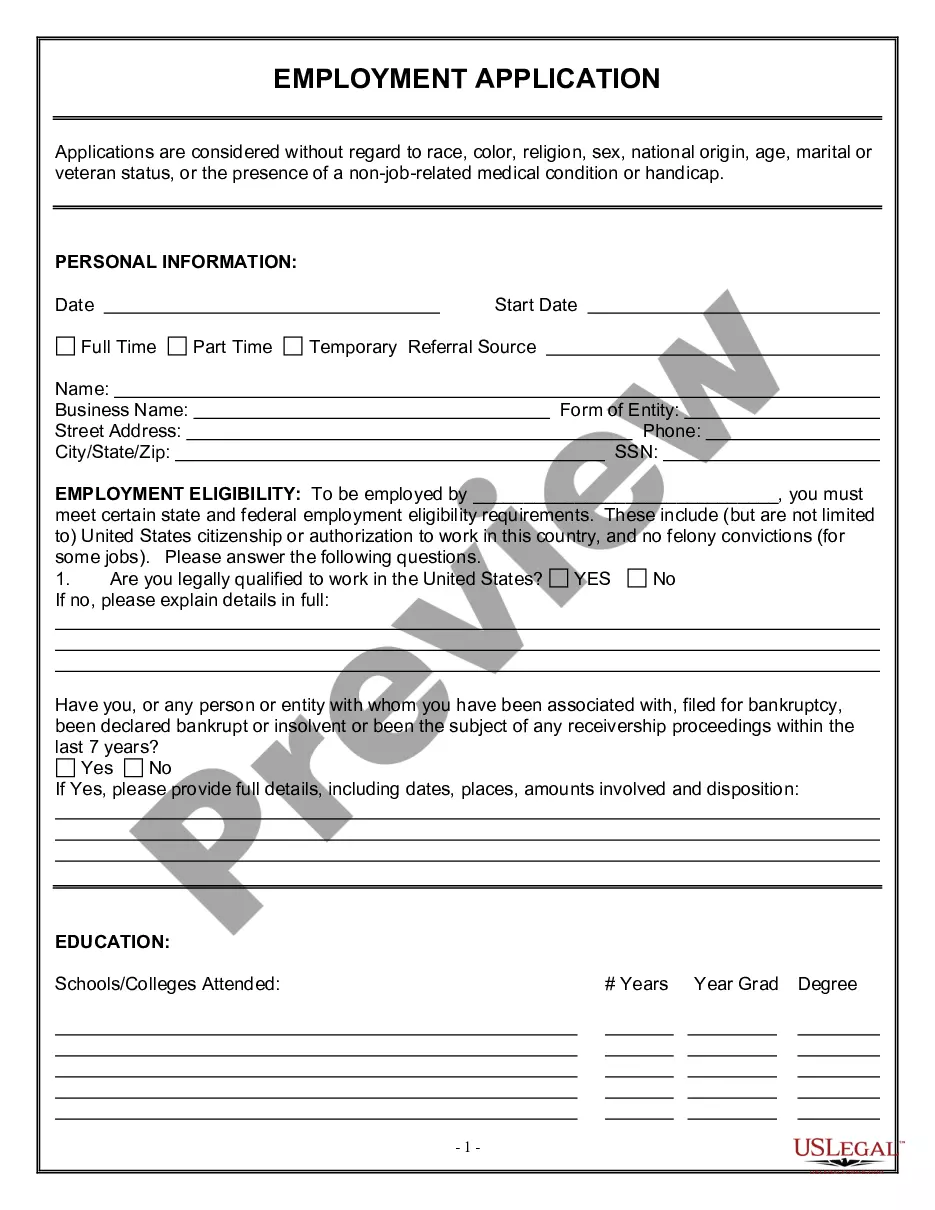
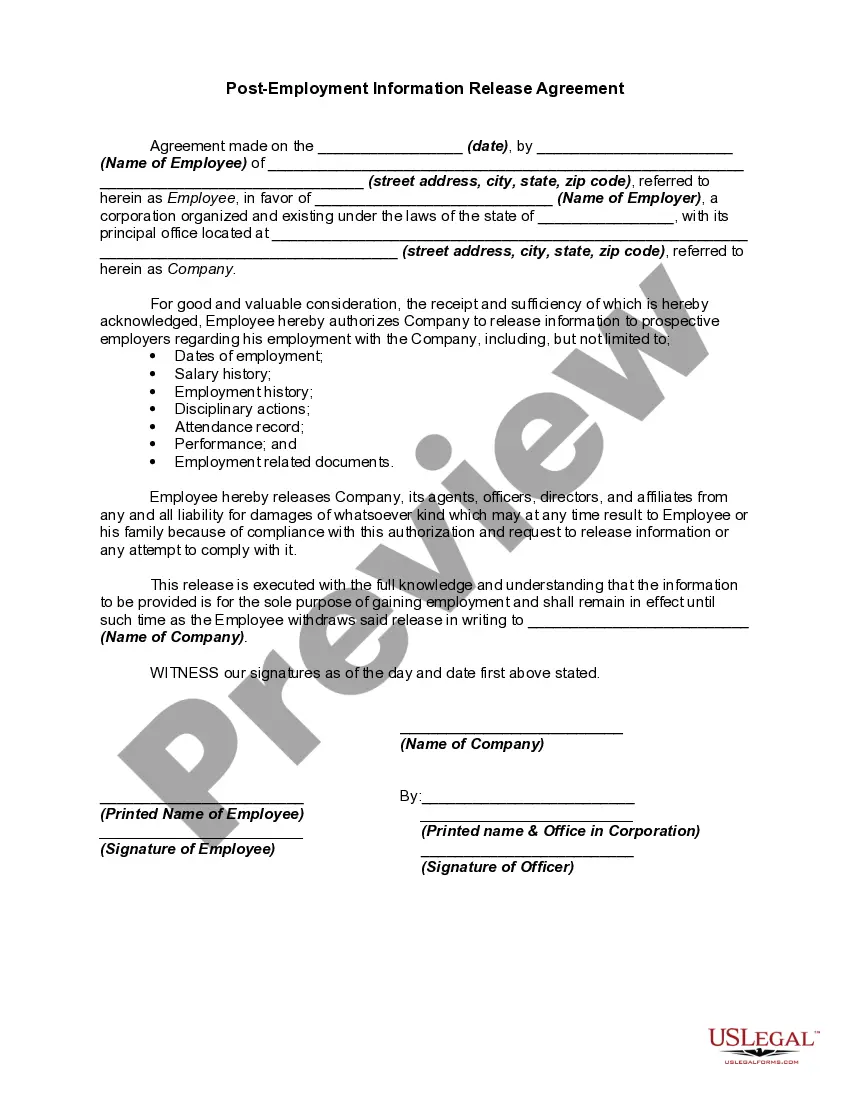
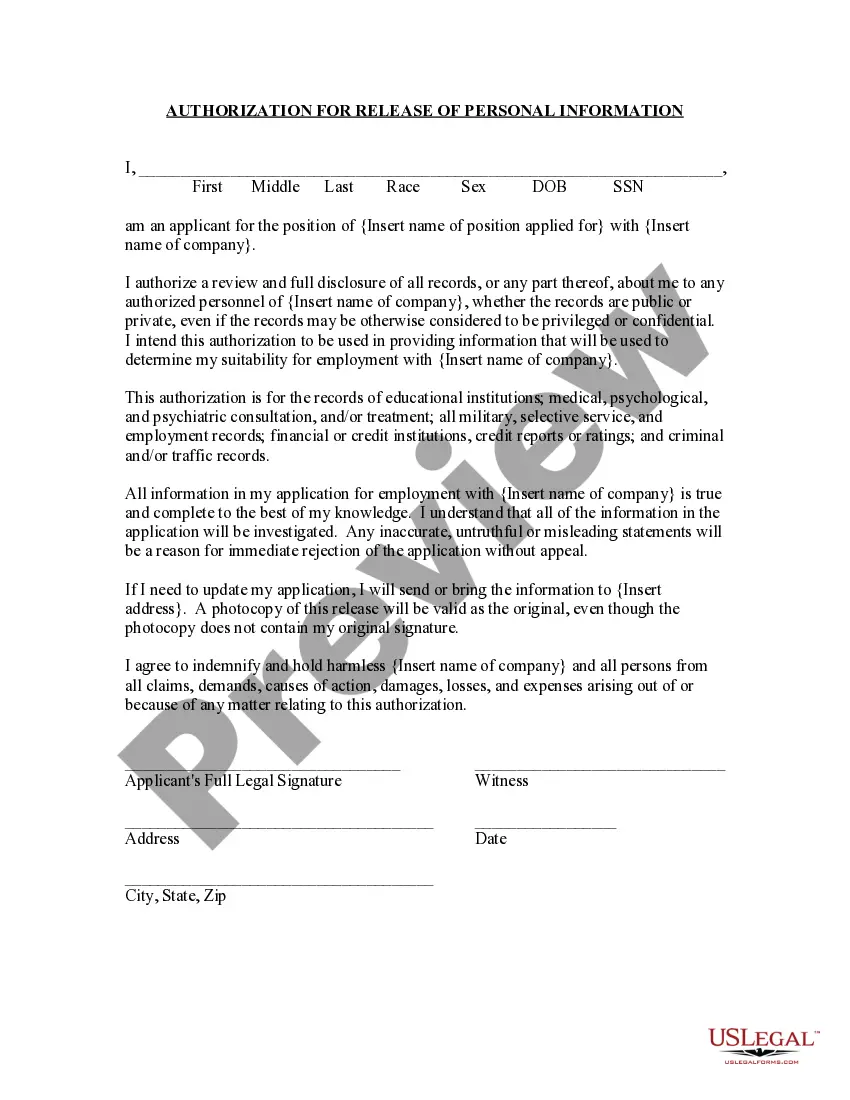
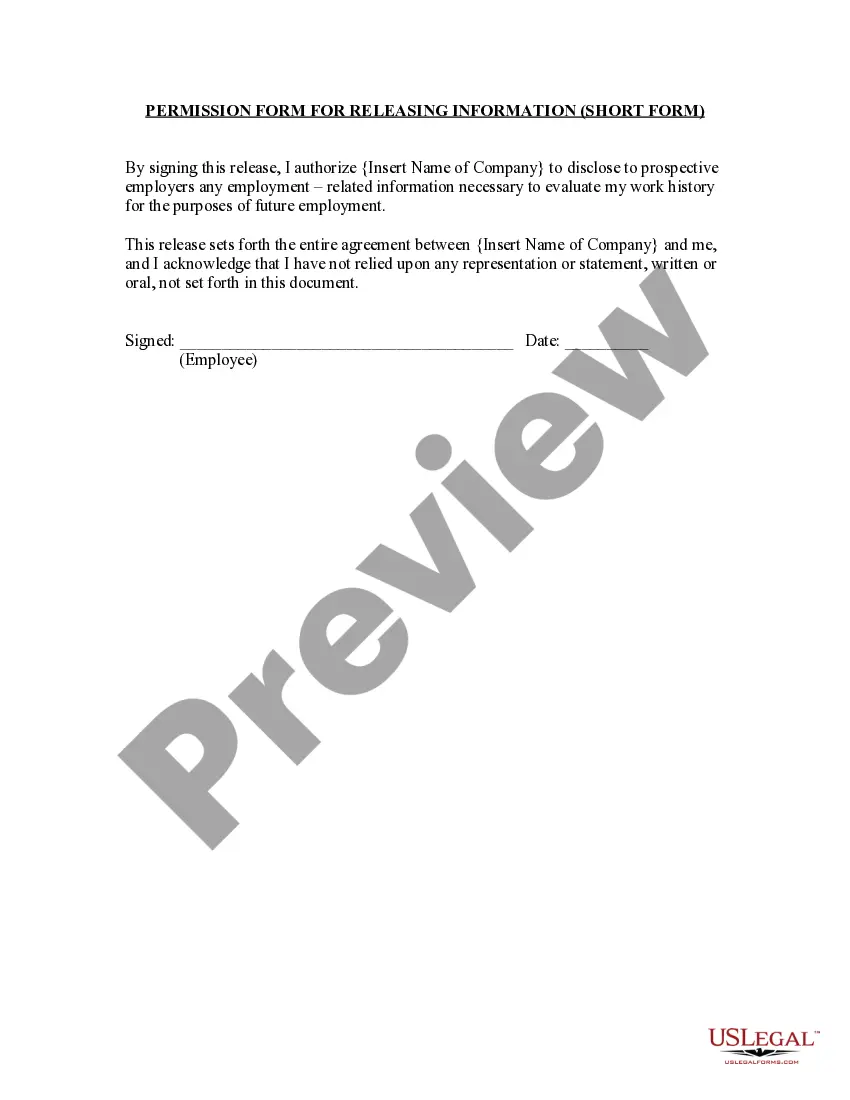
Employment Agreement Format In Maricopa
Description
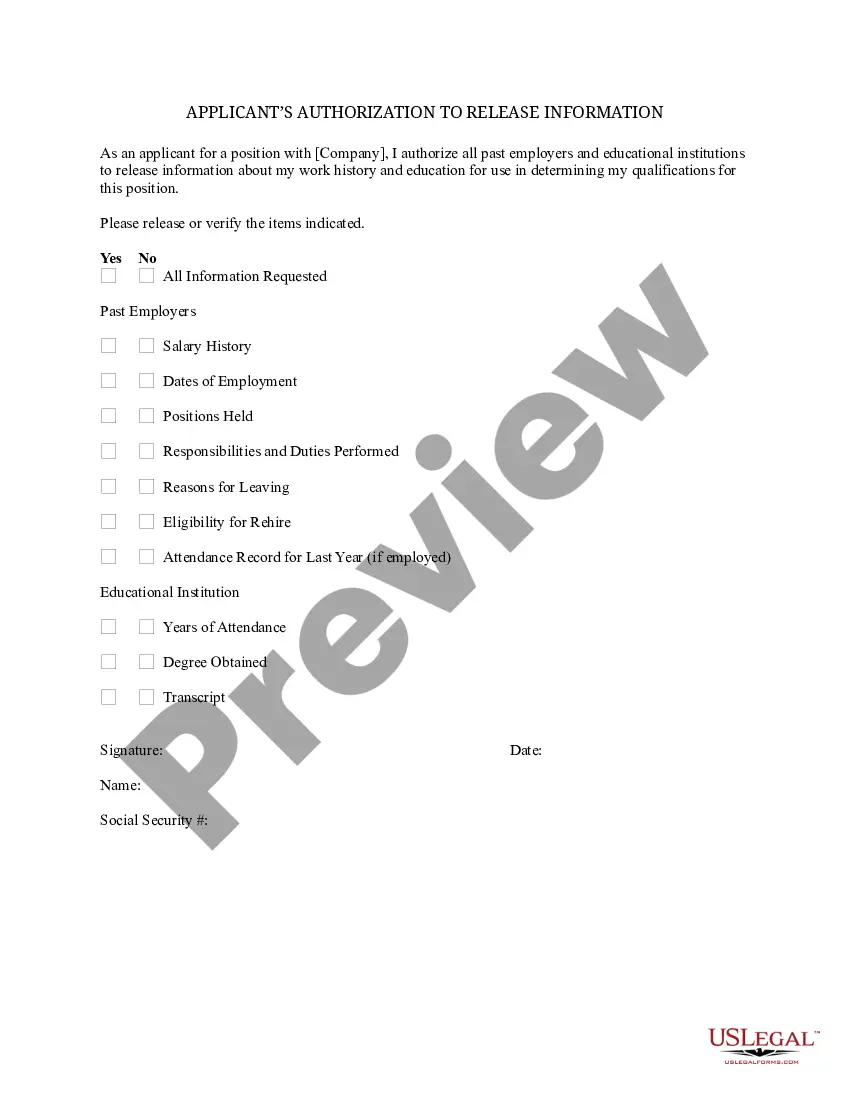
Get your form ready online
Our built-in tools help you complete, sign, share, and store your documents in one place.
Make edits, fill in missing information, and update formatting in US Legal Forms—just like you would in MS Word.
Download a copy, print it, send it by email, or mail it via USPS—whatever works best for your next step.
Sign and collect signatures with our SignNow integration. Send to multiple recipients, set reminders, and more. Go Premium to unlock E-Sign.
If this form requires notarization, complete it online through a secure video call—no need to meet a notary in person or wait for an appointment.
We protect your documents and personal data by following strict security and privacy standards.

Make edits, fill in missing information, and update formatting in US Legal Forms—just like you would in MS Word.

Download a copy, print it, send it by email, or mail it via USPS—whatever works best for your next step.

Sign and collect signatures with our SignNow integration. Send to multiple recipients, set reminders, and more. Go Premium to unlock E-Sign.

If this form requires notarization, complete it online through a secure video call—no need to meet a notary in person or wait for an appointment.

We protect your documents and personal data by following strict security and privacy standards.
Looking for another form?

Form popularity
FAQ
Guide to writing contracts of employment Names of the parties. The full details of the business, and the employee's full name and address. Employment contract start date. Employee's job title and description. Workplace. Working hours. Probationary period. Salary. Deductions.
How to Write a Letter of Agreement Start with Basic Information. Define Employment Terms. Outline Compensation and Benefits. Include Non-Disclosure and Non-Compete Clauses. Address the Probationary Period (if applicable). Set the Code of Conduct and Policies. Explain Termination Conditions. Detail Severance Terms:
To write a simple contract, title it clearly, identify all parties and specify terms (services or payments). Include an offer, acceptance, consideration, and intent. Add a signature and date for enforceability. Written contracts reduce disputes and offer better legal security than verbal ones.
How to write a statement of work Begin with an introduction. Start by writing an introduction to the project and parties. Determine the objectives. Clarify the scope. Break down the tasks. State the work location. Outline the work schedule. Explain the deliverables. Create payment terms.
Superior Court (cont'd) other cases in which the value of property in question is $1,000 or more, exclusive of interest and costs. criminal cases amounting to a felony, and misdemeanor cases not otherwise provided for by law. proceedings in insolvency (however, bankruptcy is handled in federal court)
The superior court is the state's general jurisdiction court. It is a single entity with one or more locations in each county. Each county has at least one superior court judge.
The Superior Court is a court of general jurisdiction over cases relating to criminal felonies, juveniles, families, probate/mental health, tax, and civil. The Judicial Branch, headed by a Presiding Judge, includes the Superior Court, and the departments of Adult and Juvenile Probation.
Court Proceedings and Case Records For questions about case document copies and marriage license copies, contact Clerk of the Superior Court or call (602)37-CLERK.
Filing a Will or Probate Case The Probate Filing Counter is located at 201 W. Jefferson in Phoenix, or at our Southeast location, 222 E. Javelina in Mesa, or at our Northwest Regional Court Center location at 14264 W. Tierra Buena Lane in Surprise, or at our Northeast Regional Court Center at 18380 N.
The Superior Court is a court of general jurisdiction over cases relating to criminal felonies, juveniles, families, probate/mental health, tax, and civil. The Judicial Branch, headed by a Presiding Judge, includes the Superior Court, and the departments of Adult and Juvenile Probation.