Employment Agreement With In Florida
Description
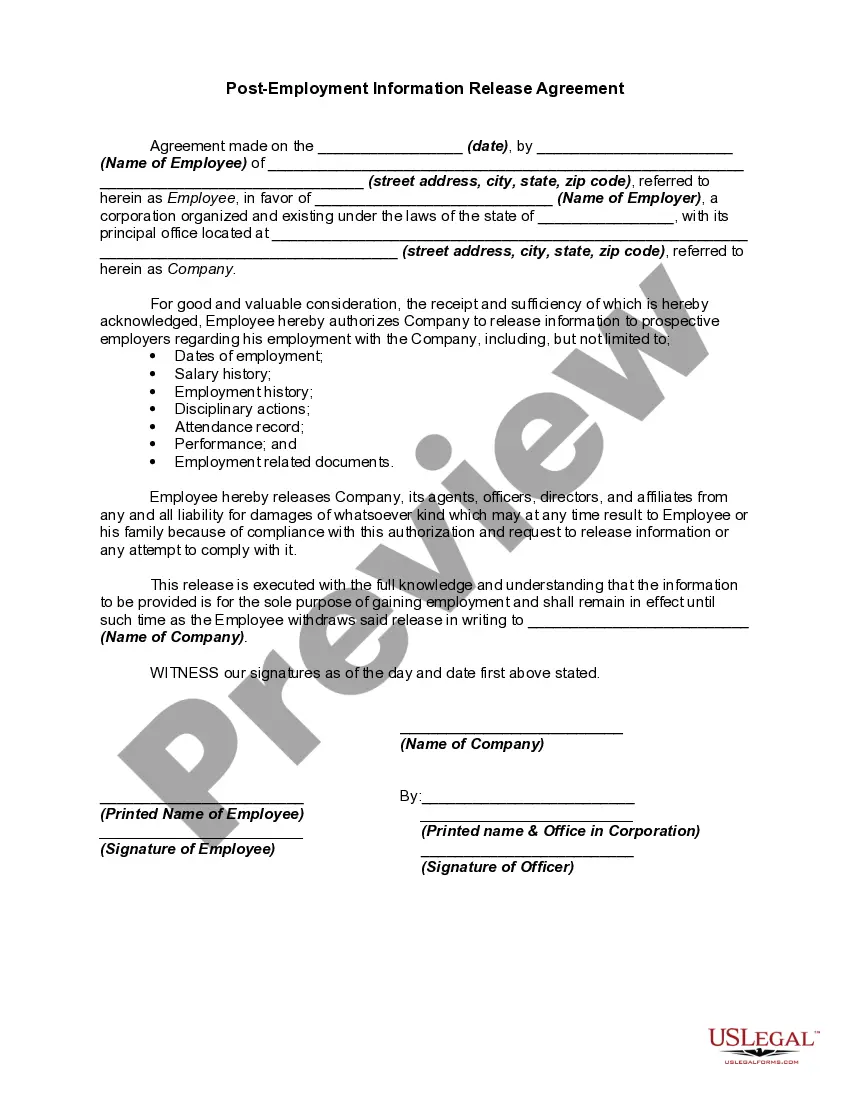
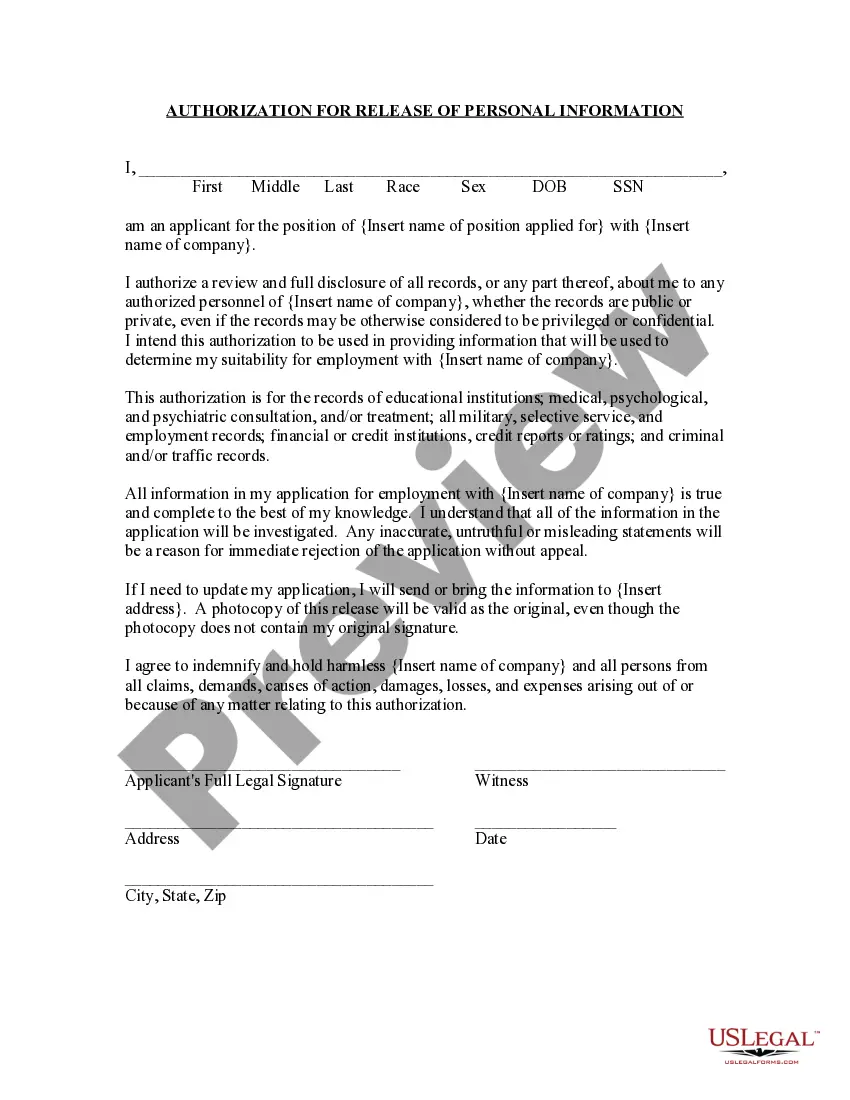
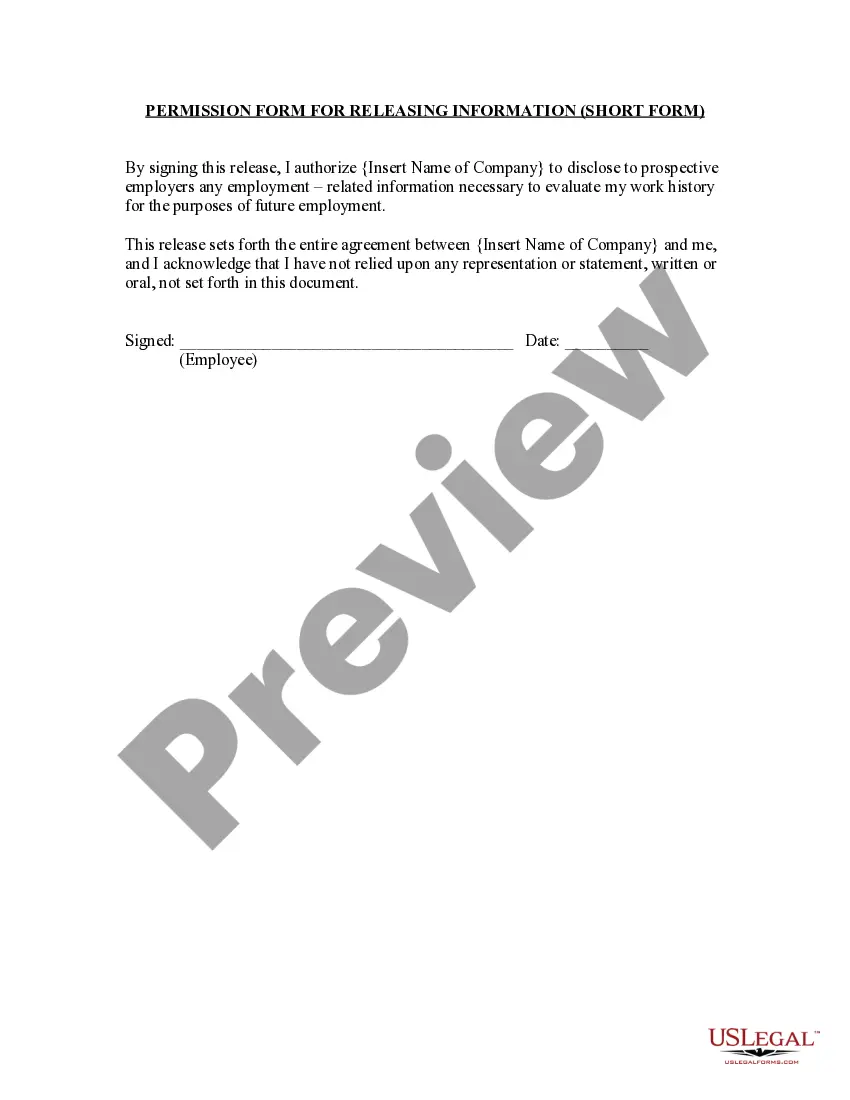
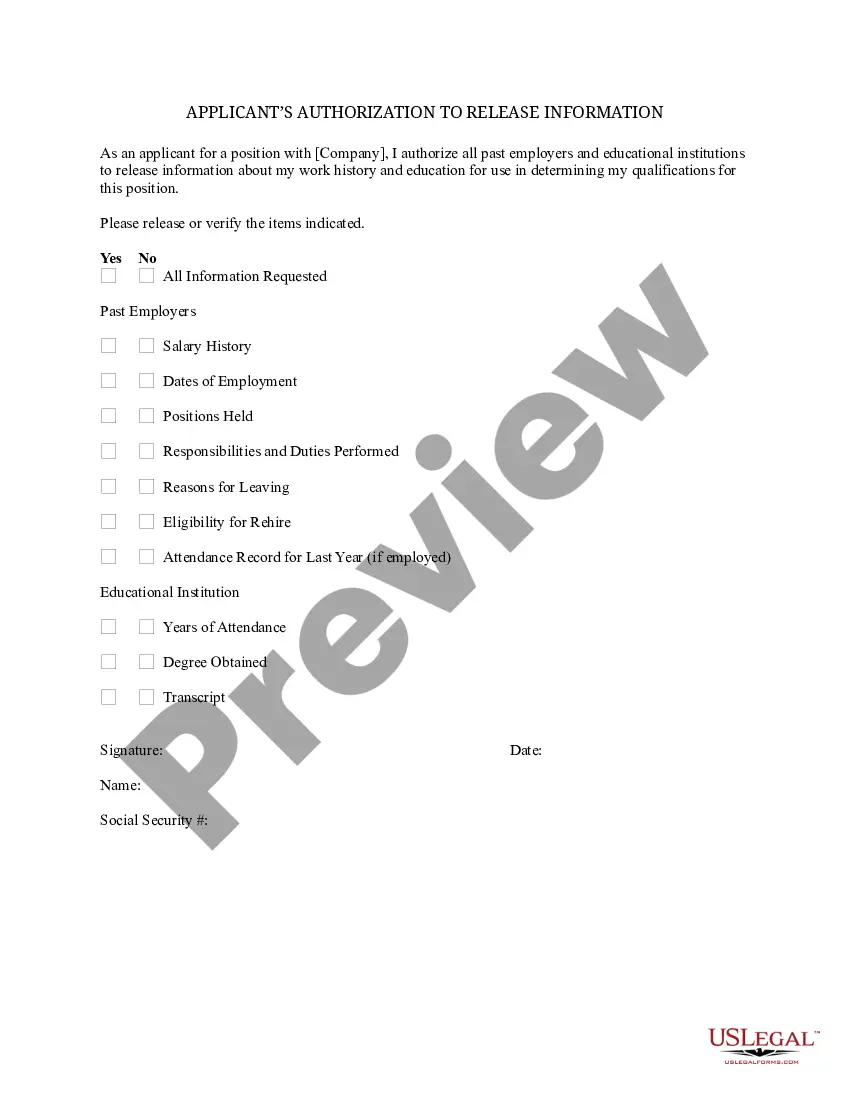
Get your form ready online
Our built-in tools help you complete, sign, share, and store your documents in one place.
Make edits, fill in missing information, and update formatting in US Legal Forms—just like you would in MS Word.
Download a copy, print it, send it by email, or mail it via USPS—whatever works best for your next step.
Sign and collect signatures with our SignNow integration. Send to multiple recipients, set reminders, and more. Go Premium to unlock E-Sign.
If this form requires notarization, complete it online through a secure video call—no need to meet a notary in person or wait for an appointment.
We protect your documents and personal data by following strict security and privacy standards.

Make edits, fill in missing information, and update formatting in US Legal Forms—just like you would in MS Word.

Download a copy, print it, send it by email, or mail it via USPS—whatever works best for your next step.

Sign and collect signatures with our SignNow integration. Send to multiple recipients, set reminders, and more. Go Premium to unlock E-Sign.

If this form requires notarization, complete it online through a secure video call—no need to meet a notary in person or wait for an appointment.

We protect your documents and personal data by following strict security and privacy standards.
Looking for another form?









Form popularity
FAQ
Texting and Driving in the State of Florida Florida Statute 316.305 states that it is one hundred percent illegal for drivers to use their hands to text on a wireless communication device while operating a motor vehicle. A device includes cell phone use, notebooks, tablets, laptops, video games, and many other devices.
How Bail Bonds Work in Florida. You or your loved one has the right to bail unless you were charged with a capital crime that carries a life sentence or death, or you are facing a violation of probation. Probationers in violation will normally be held on a "no bond" status which means they cannot bond out.
Yes. Remember, in most cases an employer does not need a reason to fire you.
The creation of a valid contract in Florida generally requires: (a) an offer; (b) the acceptance of the offer; (3) consideration i.e., a bargained-for exchange; (4) reasonably certain terms of the agreement; and (5) capacity of each party to enter into a contract.
Therefore, enforceable non-compete agreements in Florida do exist, but they must meet specific criteria: Reasonable Timeframe: Typically, one to two years is considered reasonable, but the exact duration depends on the ownership interest, industry, the specific business, and other factors.
The contracts clause4 of the Florida Constitution establishes the general rule that the legislature is prohibited from enacting any law that impairs vested rights under a declaration.
It is crucial to understand that employment contracts for businesses are legally binding under Florida law. Therefore, employers must exercise caution when including terms in the agreement.
At-will employment is the law of the land throughout much of the United States. Even though Florida is an at-will employment state, an employee may be protected against firing without cause by an employment contract or union agreement or if they work for the government.
Because Florida is an at-will state, you can generally fire employees without cause or notice. As with any rule, however, there are exceptions.
—An employer who discloses information about a former or current employee to a prospective employer of the former or current employee upon request of the prospective employer or of the former or current employee is immune from civil liability for such disclosure or its consequences unless it is shown by clear and ...

