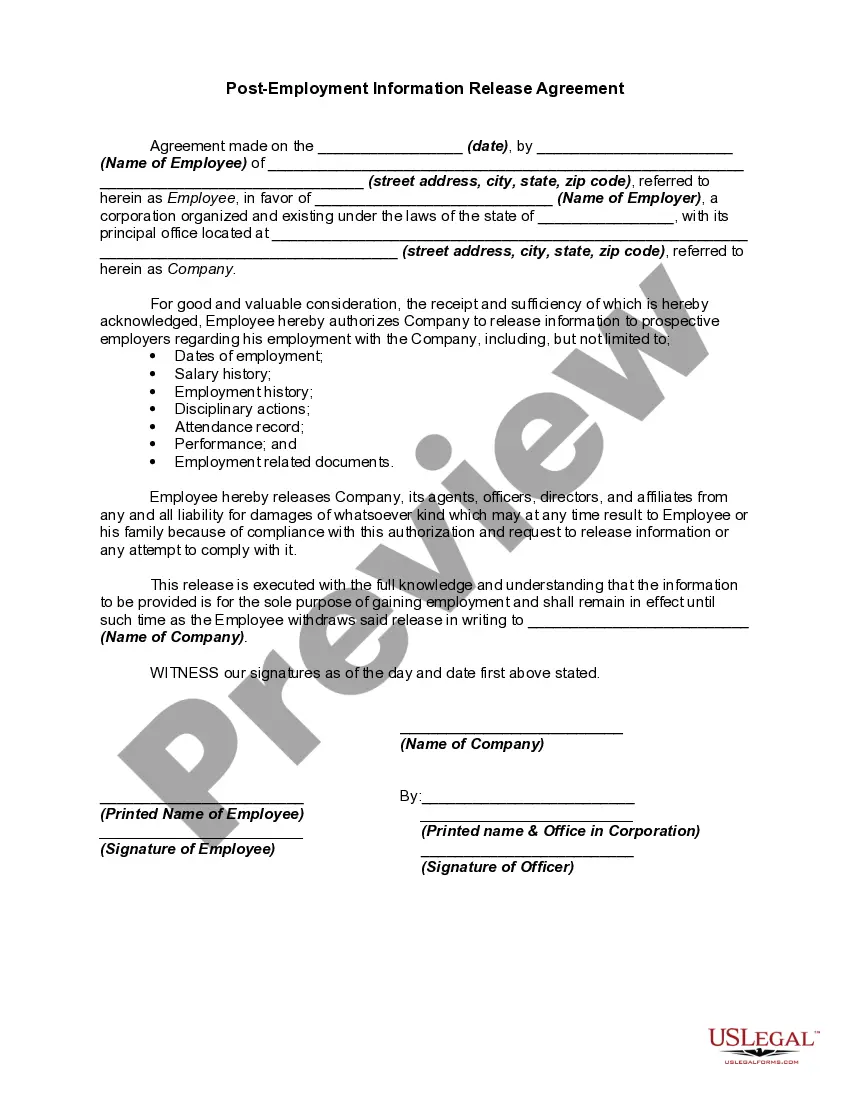
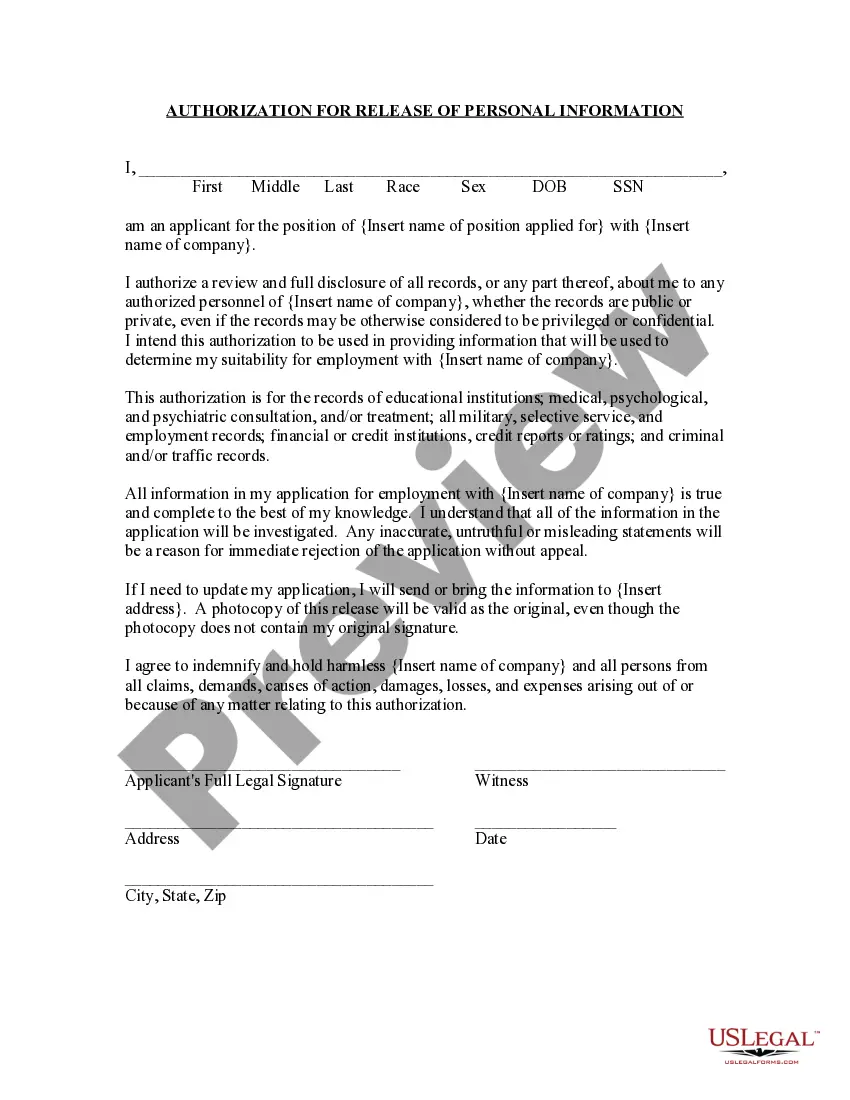
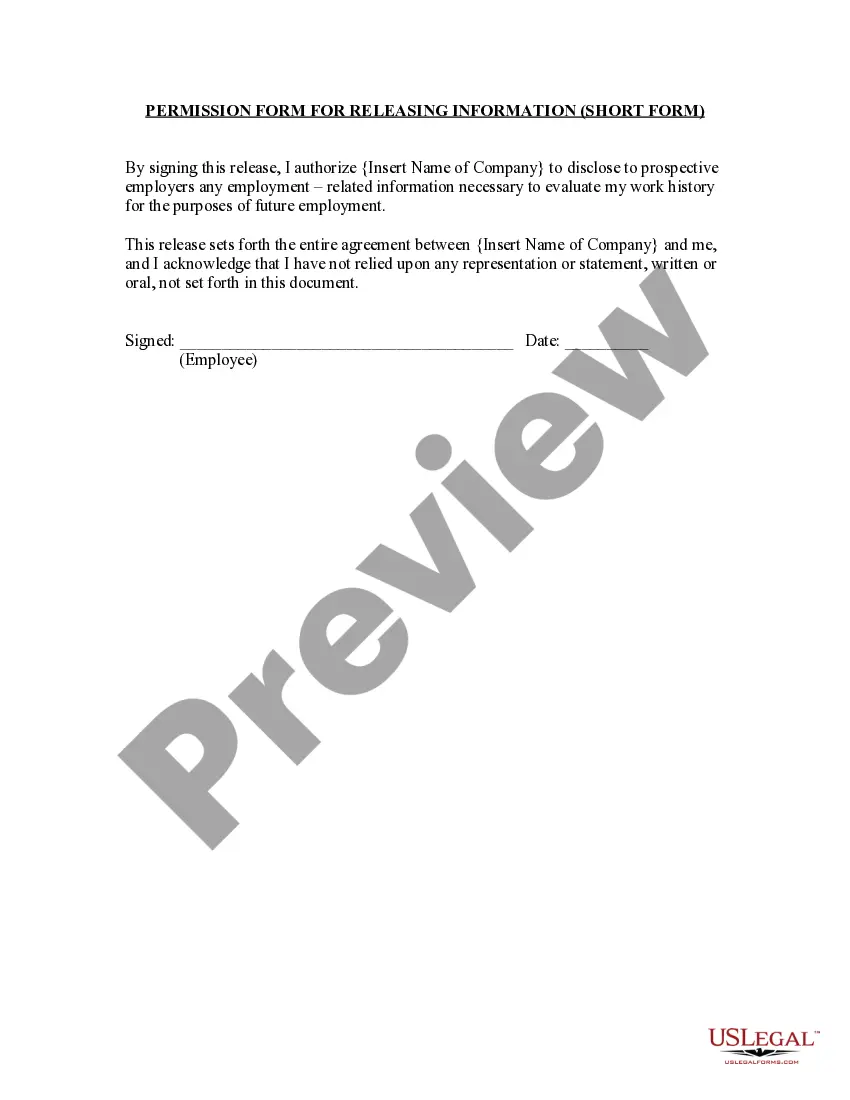
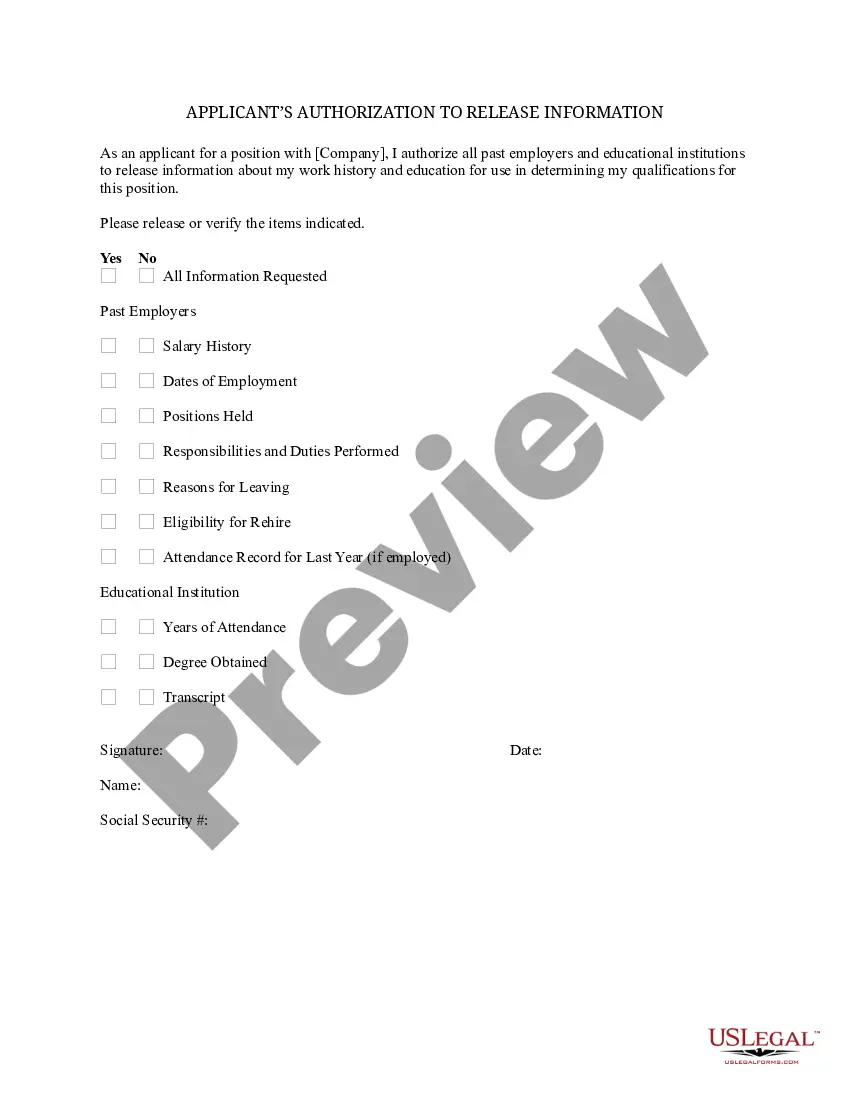
Consent For Employment Verification In Florida
Description
Get your form ready online
Our built-in tools help you complete, sign, share, and store your documents in one place.
Make edits, fill in missing information, and update formatting in US Legal Forms—just like you would in MS Word.
Download a copy, print it, send it by email, or mail it via USPS—whatever works best for your next step.
Sign and collect signatures with our SignNow integration. Send to multiple recipients, set reminders, and more. Go Premium to unlock E-Sign.
If this form requires notarization, complete it online through a secure video call—no need to meet a notary in person or wait for an appointment.
We protect your documents and personal data by following strict security and privacy standards.

Make edits, fill in missing information, and update formatting in US Legal Forms—just like you would in MS Word.

Download a copy, print it, send it by email, or mail it via USPS—whatever works best for your next step.

Sign and collect signatures with our SignNow integration. Send to multiple recipients, set reminders, and more. Go Premium to unlock E-Sign.

If this form requires notarization, complete it online through a secure video call—no need to meet a notary in person or wait for an appointment.

We protect your documents and personal data by following strict security and privacy standards.
Looking for another form?








Form popularity
FAQ
Employment verification letters confirm an employee's job title, tenure, and salary details. Be concise and factual, listing the necessary details the recipient needs to confirm the employee's employment. Include your company's contact information and offer to provide additional verification if needed.
Under Florida law, private employers with 25 or more employees are required to use E-Verify — the federal web-based system used to verify employment eligibility — to confirm an individual's eligibility to work in the United States.
Obtain a resume from the applicant in consideration. Call each workplace listed on the applicant's resume; for the most accurate results, use phone numbers obtained on your own to ensure they are credible. Confirm with each company the dates the candidate was employed and what job titles they had during employment.
The employee must provide their full legal name, contact information, and attest to their citizenship or immigration status. The employee must also provide documents that establish their identity and employment eligibility. Acceptable documents are listed on the form, and employees must choose from these options.
How to Request the Letter Ask your supervisor or manager. This is often the easiest way to request the letter. Contact Human Resources. Get a template from the company or organization requesting the letter. Use an employment verification service.
Florida is what's known as an “at-will” employment state. This means you can quit a job or be fired from a job for any reason, as long as it does not run afoul of discrimination laws and certain other legal requirements.
On , Governor Ron DeSantis signed into law SB1718, now Section 448.095, Florida Statutes (“Section 448.095”), which requires private employers with 25 or more employees to use E-Verify for new hires—a measure aimed at combating illegal immigration into the state.
Section 448.095, Florida Statutes, requires that private employers with 25 or more employees performing services in Florida and all public agencies must certify the eligibility of their employees performing services in Florida.

