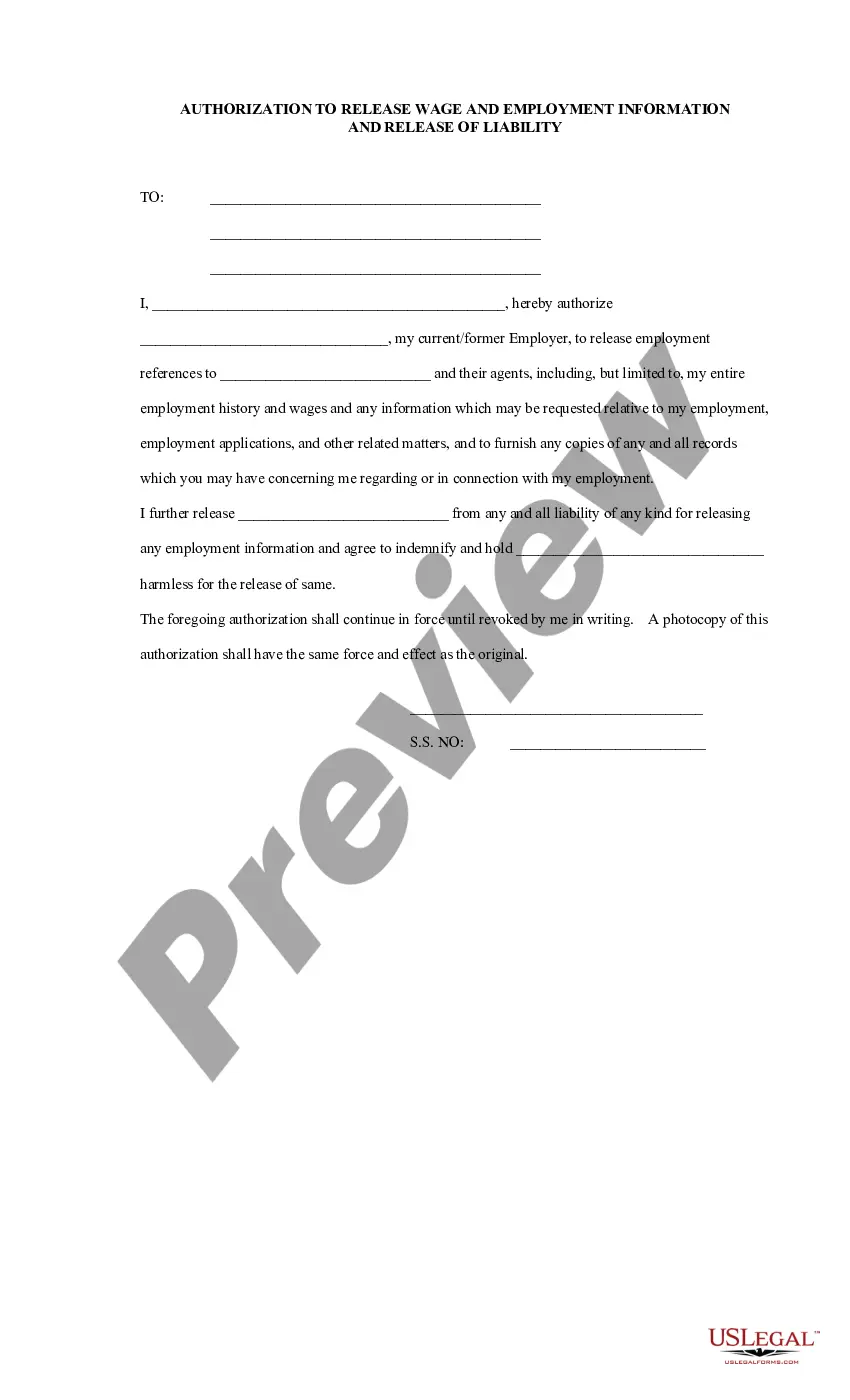
Release Of Information For Medical Records In Fairfax
Description
Get your form ready online
Our built-in tools help you complete, sign, share, and store your documents in one place.
Make edits, fill in missing information, and update formatting in US Legal Forms—just like you would in MS Word.
Download a copy, print it, send it by email, or mail it via USPS—whatever works best for your next step.
Sign and collect signatures with our SignNow integration. Send to multiple recipients, set reminders, and more. Go Premium to unlock E-Sign.
If this form requires notarization, complete it online through a secure video call—no need to meet a notary in person or wait for an appointment.
We protect your documents and personal data by following strict security and privacy standards.

Make edits, fill in missing information, and update formatting in US Legal Forms—just like you would in MS Word.

Download a copy, print it, send it by email, or mail it via USPS—whatever works best for your next step.

Sign and collect signatures with our SignNow integration. Send to multiple recipients, set reminders, and more. Go Premium to unlock E-Sign.

If this form requires notarization, complete it online through a secure video call—no need to meet a notary in person or wait for an appointment.

We protect your documents and personal data by following strict security and privacy standards.
Looking for another form?

Form popularity
FAQ
A request for copies of medical records must be in writing, dated and signed by the person making the request, and include a reasonable description of the records sought. If someone is making a request on your behalf, he or she must provide evidence of the authority to receive the records (such as a power of attorney).
Health care entities shall disclose health records to the individual who is the subject of the health record, including an audit trail of any additions, deletions, or revisions to the health record, if specifically requested, except as provided in subsections E and F and subsection B of § 8.01-413.
Health records are the property of the health care entity maintaining them, and, except when permitted or required by this section or by other provisions of state law, no health care entity, or other person working in a health care setting, may disclose an individual's health records.
The Virginia Freedom of Information Act (FOIA), located at § 2.2-3700 et seq. of the Code of Virginia, guarantees citizens of the Commonwealth and representatives of the media access to public records held by public bodies, public officials, and public employees.
Certain copies of health care provider's health records of patient admissible; right of patient, his attorney and authorized insurer to copies of such health records; subpoena; damages, costs and attorney fees.
Virginia Code § 32.1-127. requires that when the health records of a pro se party or non-party witness are subpoenaed from the health care entity, a notice must be provided to the individual. The specific language of the notice is set out in the statute. This form contains the language required by the statute.
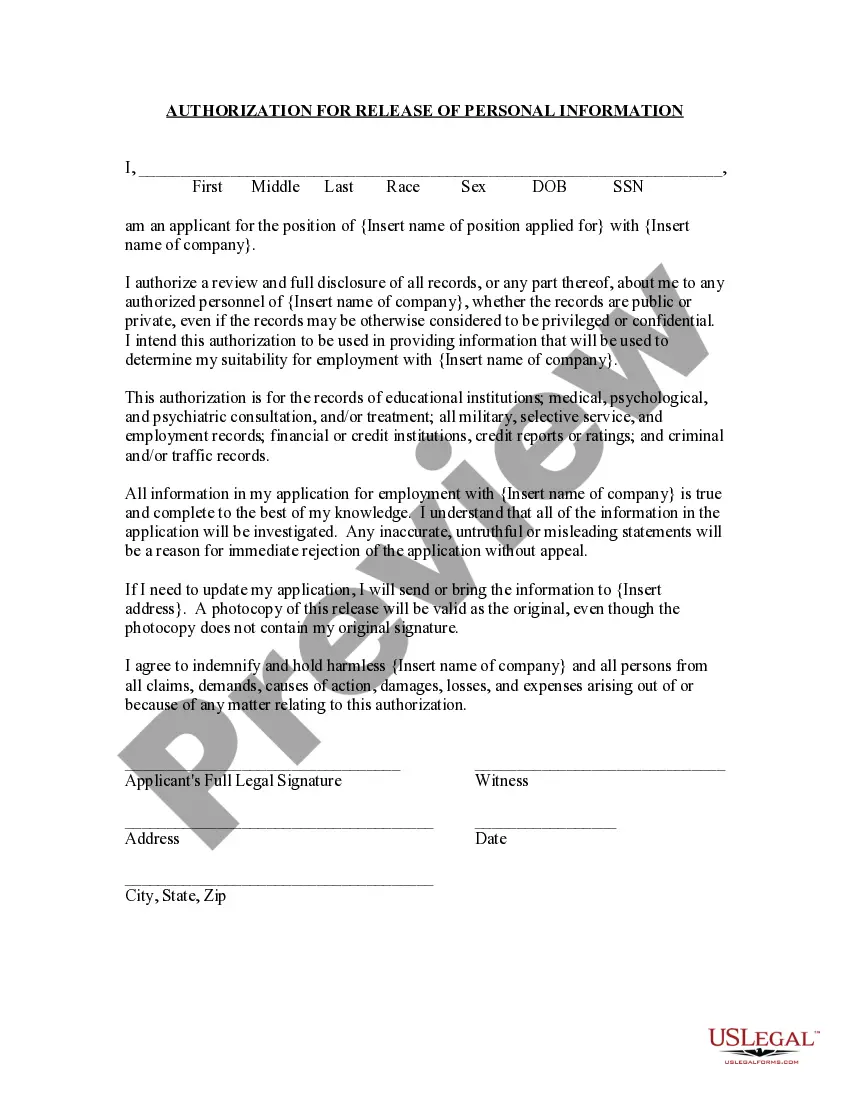
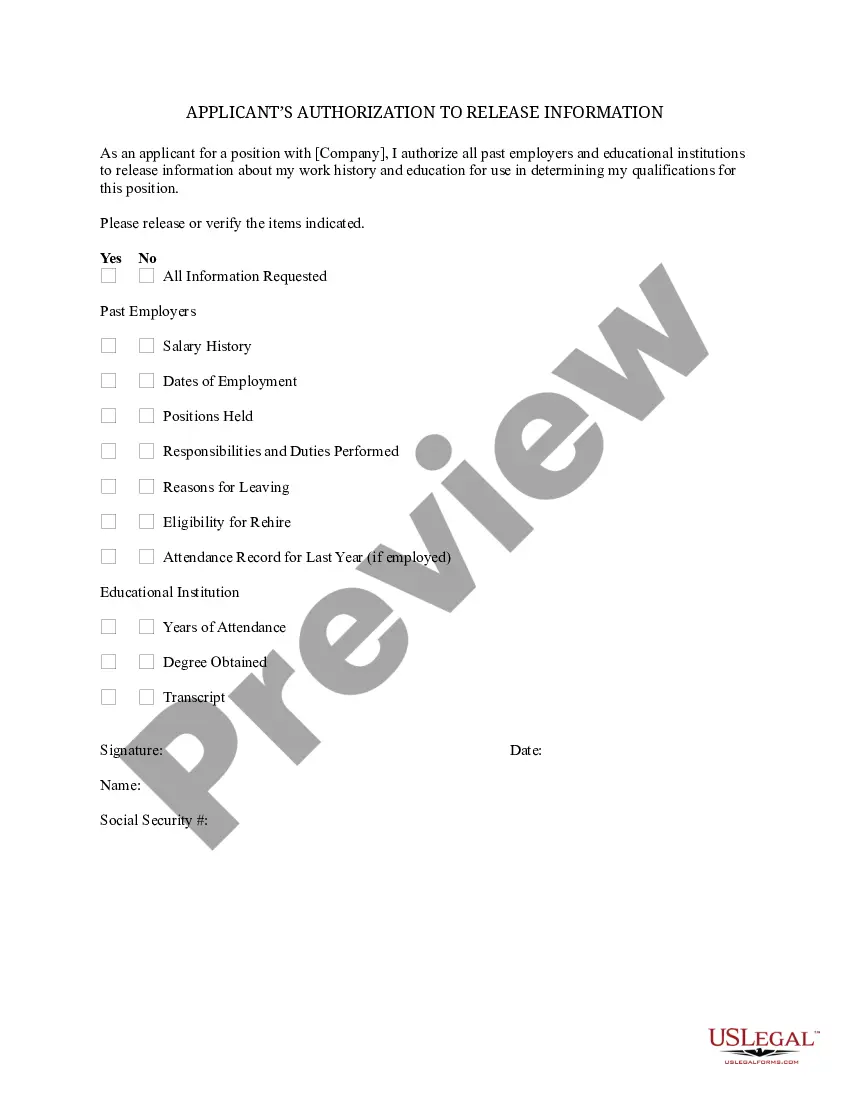
Release of Information Authorization Under the HIPAA Privacy Rule, when a release of information is intended for purposes other than medical treatment, healthcare operations, or payment, you'll need to sign an authorization for ROI.
How to Transfer Your Records to VA View and download your health records on the Secure Patient Portal. This only applies to health records classified as sensitive. Fill out and submit a Form SF 180, Request Pertaining to Military Records. Submit a request in-person at your nearest military hospital or clinic.
Keep All Healthcare Documents in Order All documents should be placed in chronological order to show that the patient's care has continued. Each doctor's visit should be recorded separately. Use as much detail as possible. It's better to include too much than not enough.