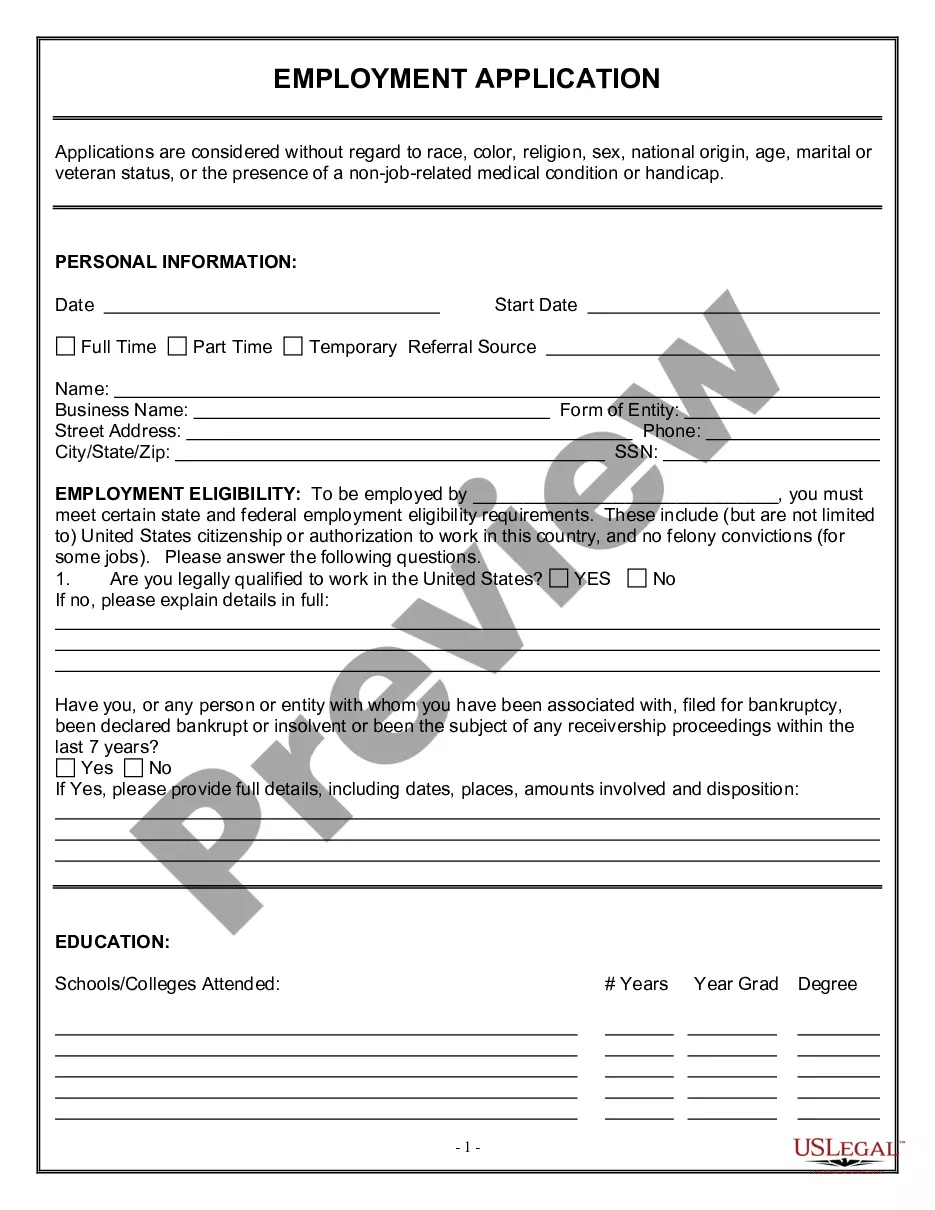
Employment Agreement With Non Compete Clause In Cook
Description
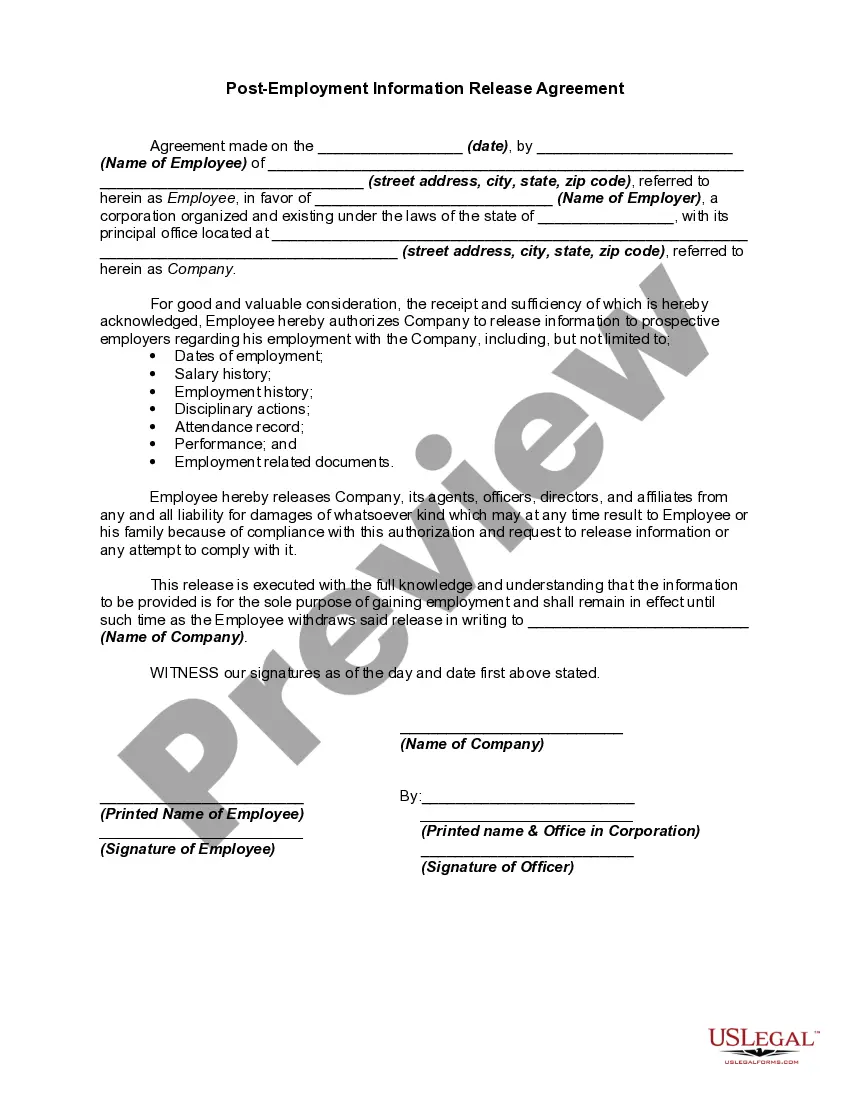
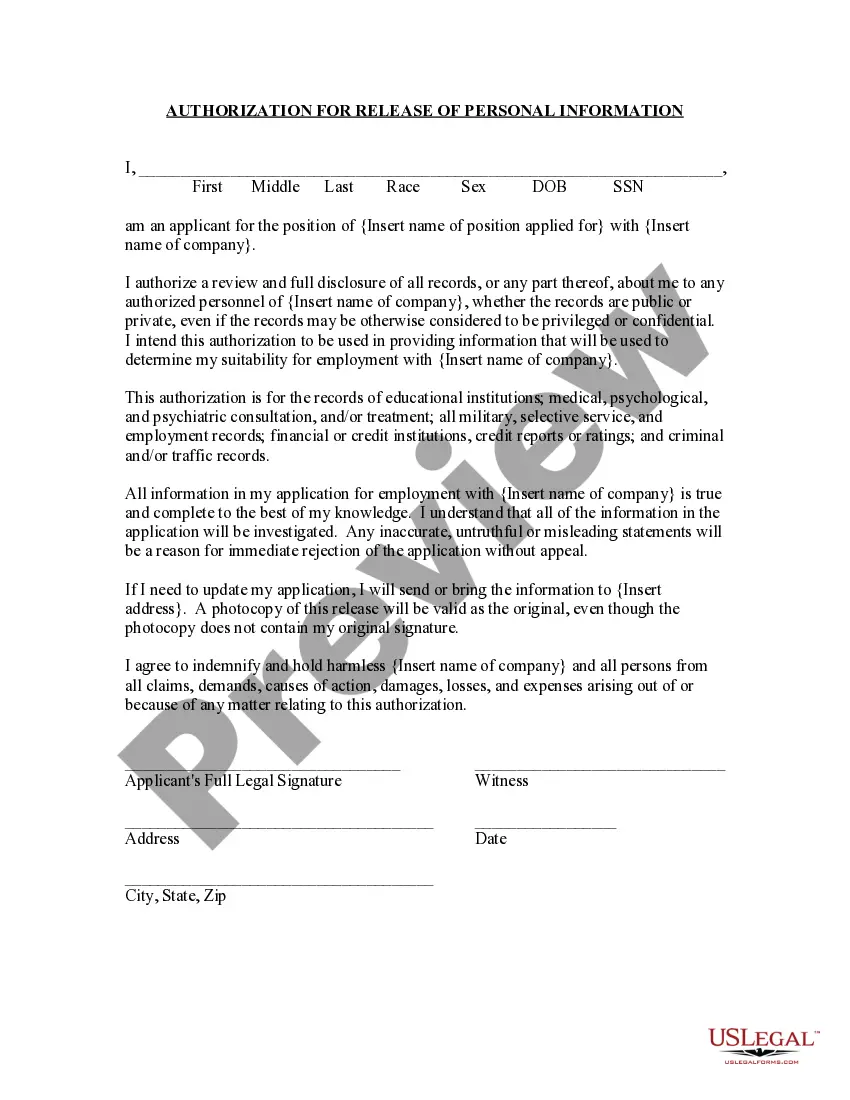
Get your form ready online
Our built-in tools help you complete, sign, share, and store your documents in one place.
Make edits, fill in missing information, and update formatting in US Legal Forms—just like you would in MS Word.
Download a copy, print it, send it by email, or mail it via USPS—whatever works best for your next step.
Sign and collect signatures with our SignNow integration. Send to multiple recipients, set reminders, and more. Go Premium to unlock E-Sign.
If this form requires notarization, complete it online through a secure video call—no need to meet a notary in person or wait for an appointment.
We protect your documents and personal data by following strict security and privacy standards.

Make edits, fill in missing information, and update formatting in US Legal Forms—just like you would in MS Word.

Download a copy, print it, send it by email, or mail it via USPS—whatever works best for your next step.

Sign and collect signatures with our SignNow integration. Send to multiple recipients, set reminders, and more. Go Premium to unlock E-Sign.

If this form requires notarization, complete it online through a secure video call—no need to meet a notary in person or wait for an appointment.

We protect your documents and personal data by following strict security and privacy standards.
Looking for another form?







Form popularity
FAQ
The following are the most common ways to get out of a non-compete agreement: Determine that the terms of the contract do not in fact prevent you from a desired course of action. Recognize when a non-compete contradicts the law. Negotiate a release agreement with the involved parties. Ignore the agreement.
If you can demonstrate that the clause is too stringent with regards to the restriction of location and time, or it's more than necessary to protect the legitimate business interest, then the clause may well be found to be unreasonable and therefore will not stand.
It should also say how long the restriction lasts - usually 3 to 6 months.
On average, noncompete agreements stop former employees from taking a new job at a competing company for anywhere from six months to a year. However, in some high tech fields where employees have access to extremely sensitive information about new technologies, noncompete agreements could last as long as two years.
If you can demonstrate that the clause is too stringent with regards to the restriction of location and time, or it's more than necessary to protect the legitimate business interest, then the clause may well be found to be unreasonable and therefore will not stand.
In Georgia, a non-compete agreement may be declared unenforceable or invalid for a number of reasons, including: An unreasonable time period (under the newest version of Georgia's non-compete law, restraints lasting more than 2 years are presumed unreasonable) An unreasonable restriction on geographic territory.
Non-Competitive Activity at New Employer: One of the most straightforward ways to overcome a noncompete is by ensuring that your new role with a different employer is in a non-competitive capacity. If you're not engaging in activities that directly compete with your former employer's business, you may be in the clear.
Some states (California and a few others) have made non-competes void by statute, but even in states that have not passed anti-non-compete laws, courts have been trending toward avoiding enforcement of these provisions (in favor of the employee) for years.
If an employee breaks or violates the terms of a legally enforceable non-compete agreement, the employer may file a lawsuit against the employee and ask a court for an injunction to stop the employee's allegedly improper activity.