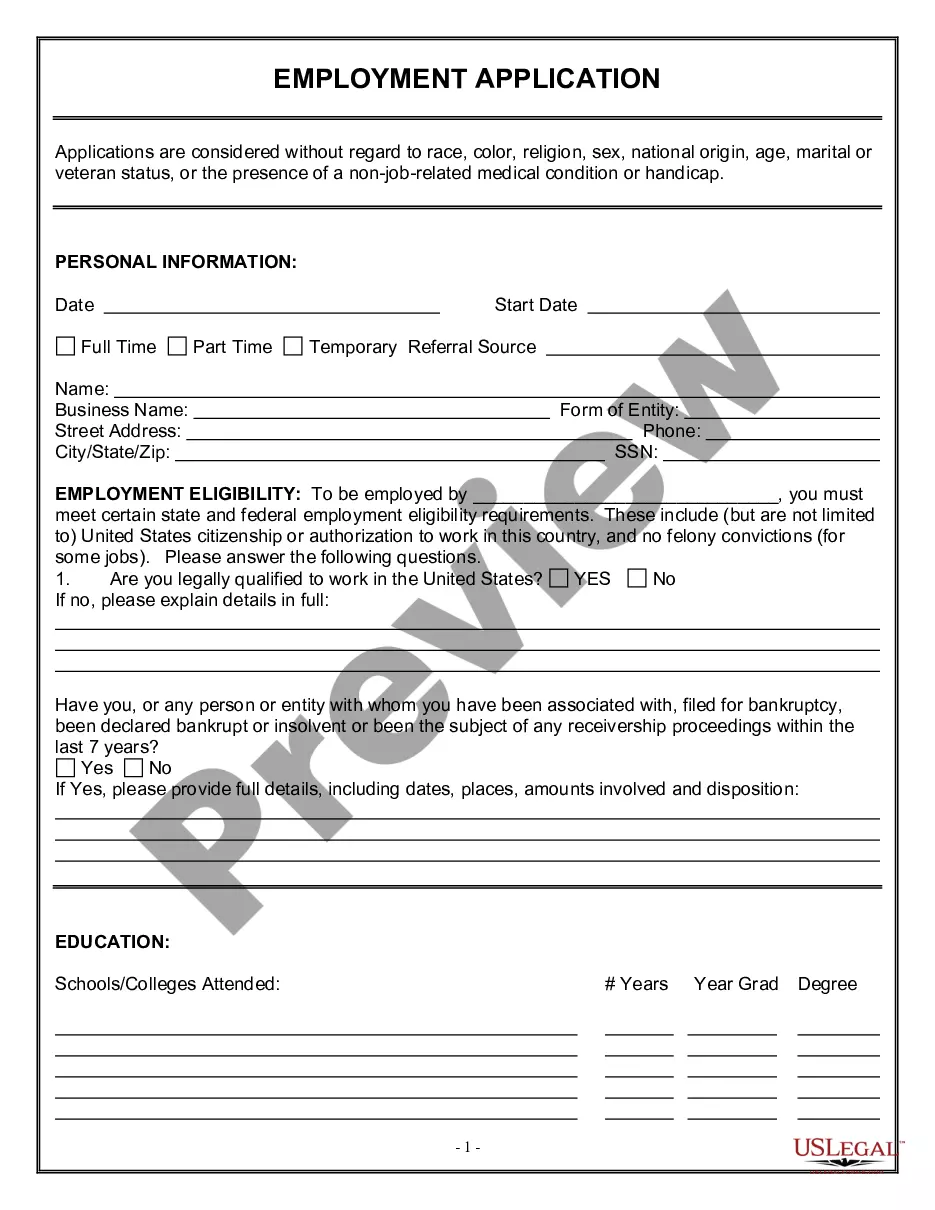
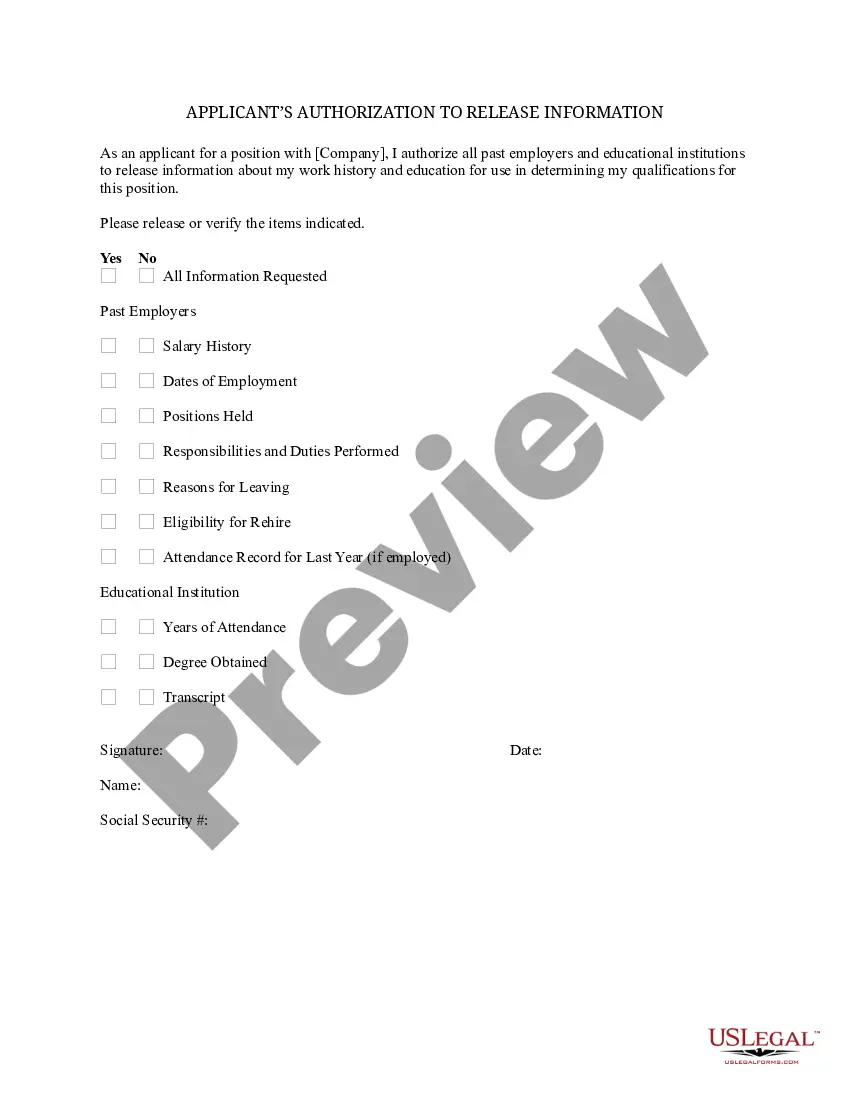
Employee Consent Form Sample In Cook
Description
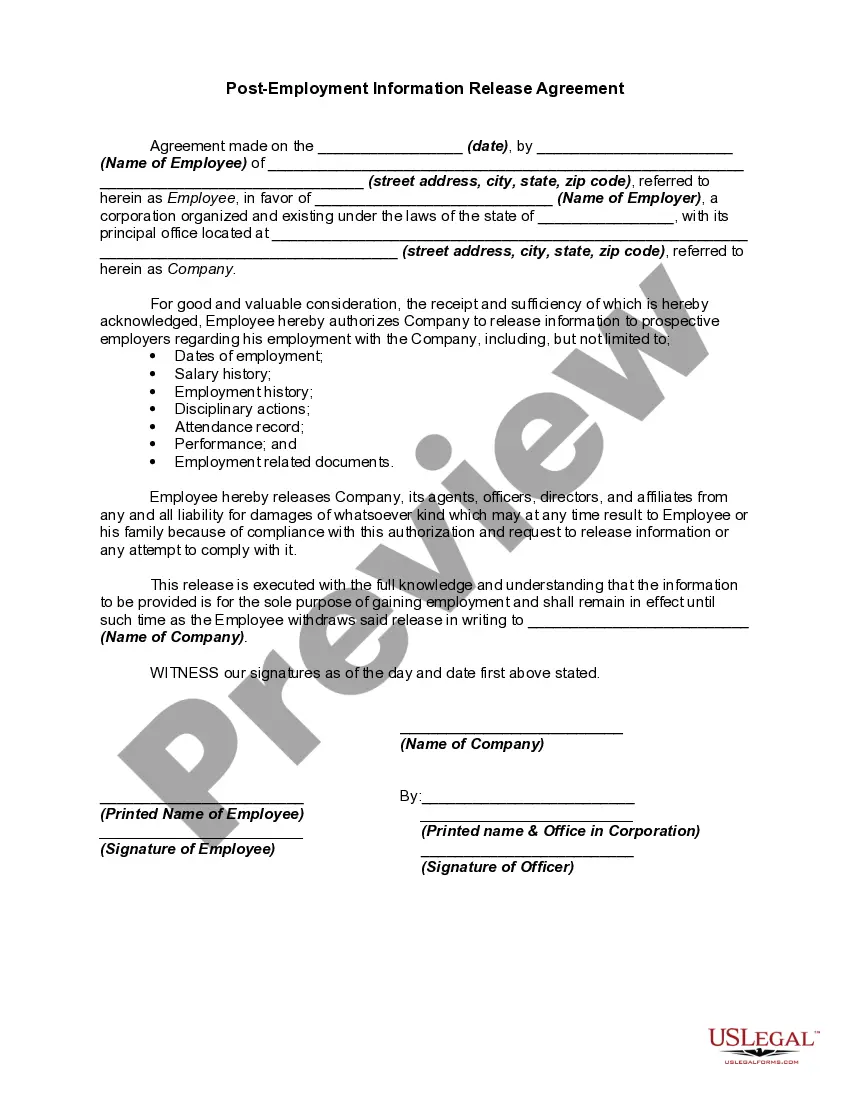
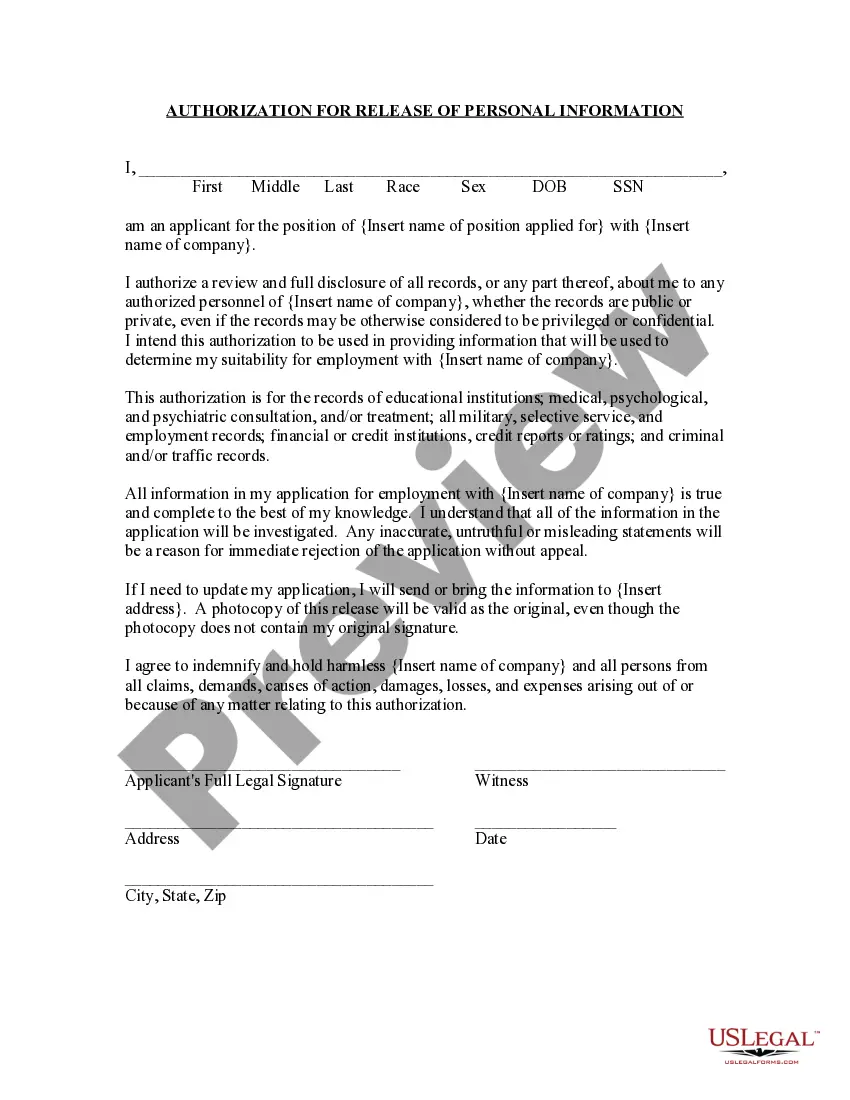
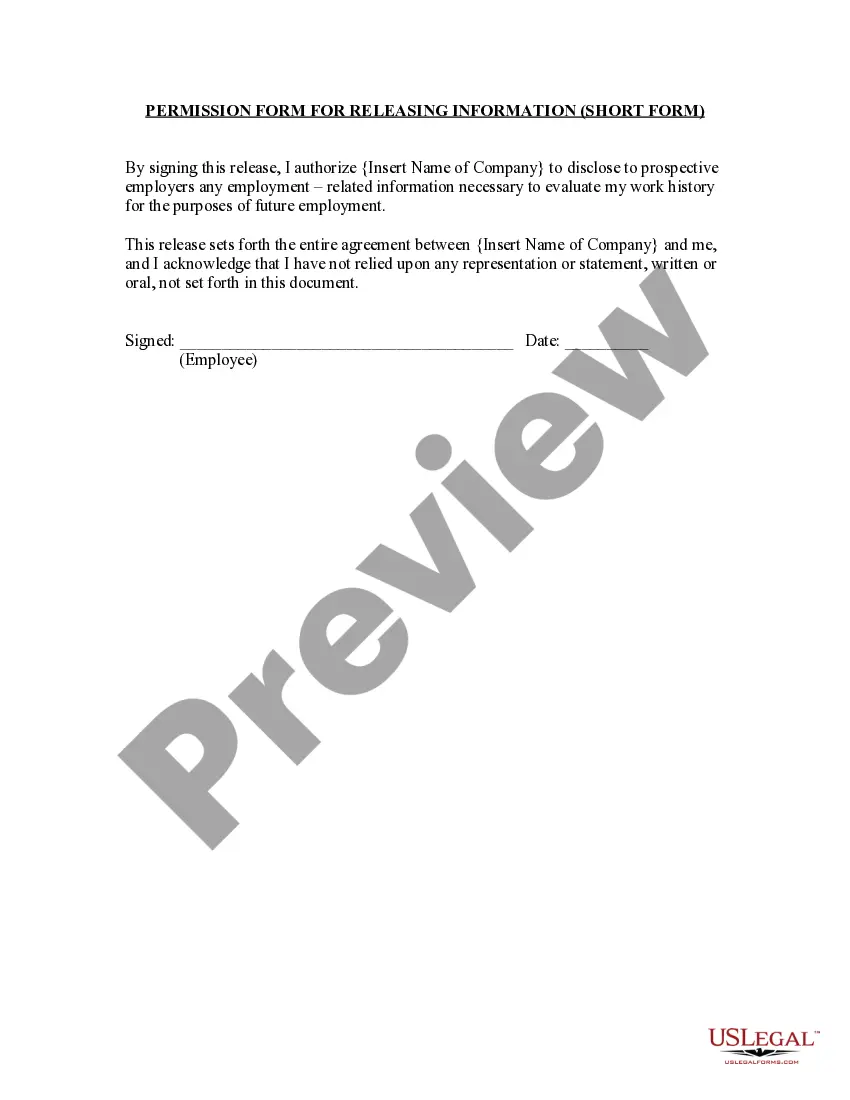
Get your form ready online
Our built-in tools help you complete, sign, share, and store your documents in one place.
Make edits, fill in missing information, and update formatting in US Legal Forms—just like you would in MS Word.
Download a copy, print it, send it by email, or mail it via USPS—whatever works best for your next step.
Sign and collect signatures with our SignNow integration. Send to multiple recipients, set reminders, and more. Go Premium to unlock E-Sign.
If this form requires notarization, complete it online through a secure video call—no need to meet a notary in person or wait for an appointment.
We protect your documents and personal data by following strict security and privacy standards.

Make edits, fill in missing information, and update formatting in US Legal Forms—just like you would in MS Word.

Download a copy, print it, send it by email, or mail it via USPS—whatever works best for your next step.

Sign and collect signatures with our SignNow integration. Send to multiple recipients, set reminders, and more. Go Premium to unlock E-Sign.

If this form requires notarization, complete it online through a secure video call—no need to meet a notary in person or wait for an appointment.

We protect your documents and personal data by following strict security and privacy standards.
Looking for another form?







Form popularity
FAQ
4.3. What are the requirements for obtaining a valid consent? Four core criteria must be met: the patient giving consent must have capacity • the consent must be freely given • the consent must be sufficiently specific to the procedure or treatment proposed • the consent must be informed.
There are various types of consent, including explicit consent, implied consent, opt-in consent, and opt-out consent. The type of consent required depends on the context and applicable data protection laws.
A consent letter is a formal letter written by one person or party to seek permission from another person or party. Writing a consent letter is important in order to take permission to initiate an action.
That's why to help study teams we're breaking down the consent. Process into five phases. BeginningMoreThat's why to help study teams we're breaking down the consent. Process into five phases. Beginning with the recruitment. Process next there's the discussion the study team has with the participant.
Documenting informed consent occurs after explaining the research and assessing participant comprehension. At minimum, it involves obtaining the signature of the participant (or the legally-authorized representative or parent(s), when approved) as well as the person obtaining consent.
There are various types of consent, including explicit consent, implied consent, opt-in consent, and opt-out consent.
Instructions for Developing an Informed Consent Document General Information. Describe the purpose(s) of this research study in lay terms. Purpose of the Study. Procedures. Risks. Benefits. Compensation, Costs and Reimbursement. Withdrawal or Termination from Study. Confidentiality.
The consent form can be downloaded from the NSFAS website: bitly.ws/3bkEe, student portal: bitly.ws/3bkEq or mobile app. Once completed, the form can be uploaded via any of these three NSFAS platforms. Please note that non-submission of the consent form will result in a delay on the outcome of the application.
How to write a consent form: A step-by-step guide Step 1: Title and introduction. Step 2: Description of the activity. Step 3: Risks and benefits. Step 4: Confidentiality and data handling. Step 5: Voluntary participation and withdrawal. Step 6: Consent statement. Step 7: Signature and date. Step 8: Contact information.
Instructions for Developing an Informed Consent Document General Information. Describe the purpose(s) of this research study in lay terms. Purpose of the Study. Procedures. Risks. Benefits. Compensation, Costs and Reimbursement. Withdrawal or Termination from Study. Confidentiality.