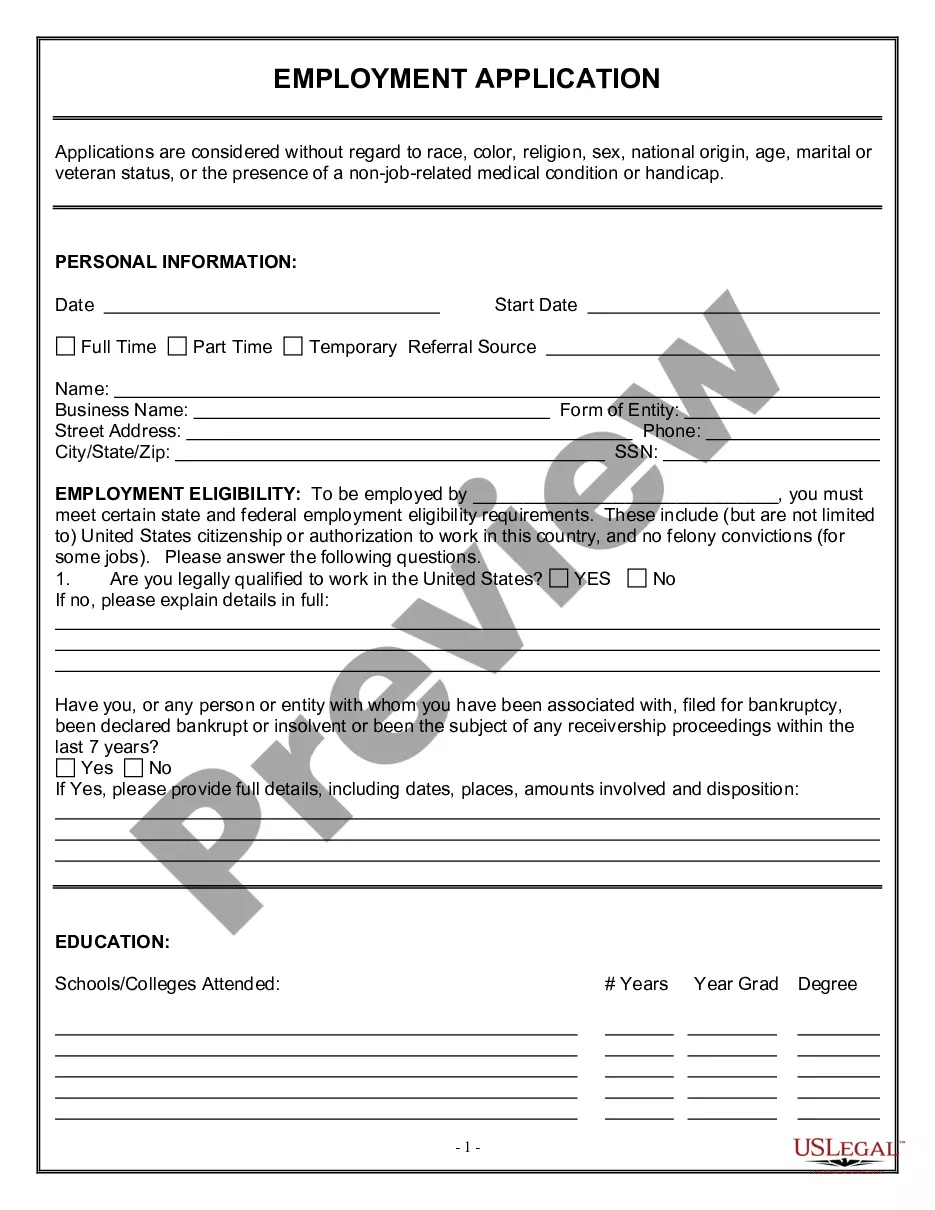
Employment Agreement With Non Compete Clause In Contra Costa
Description
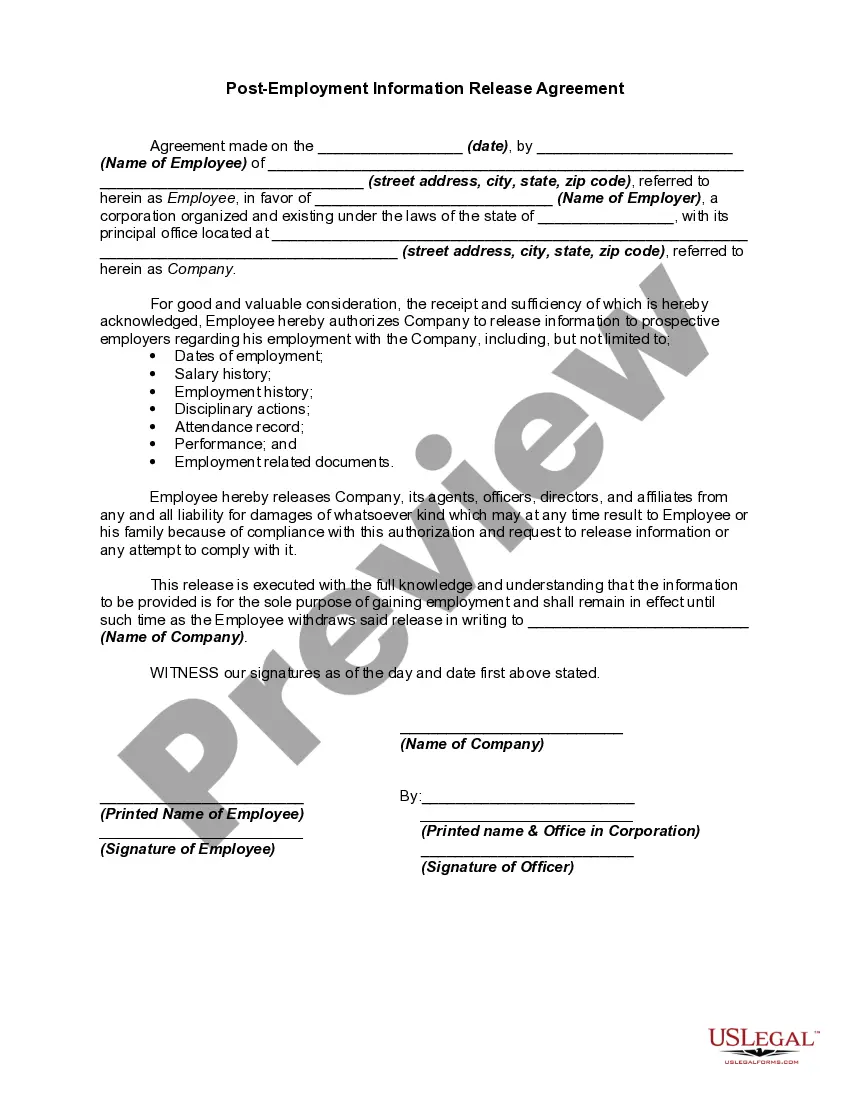
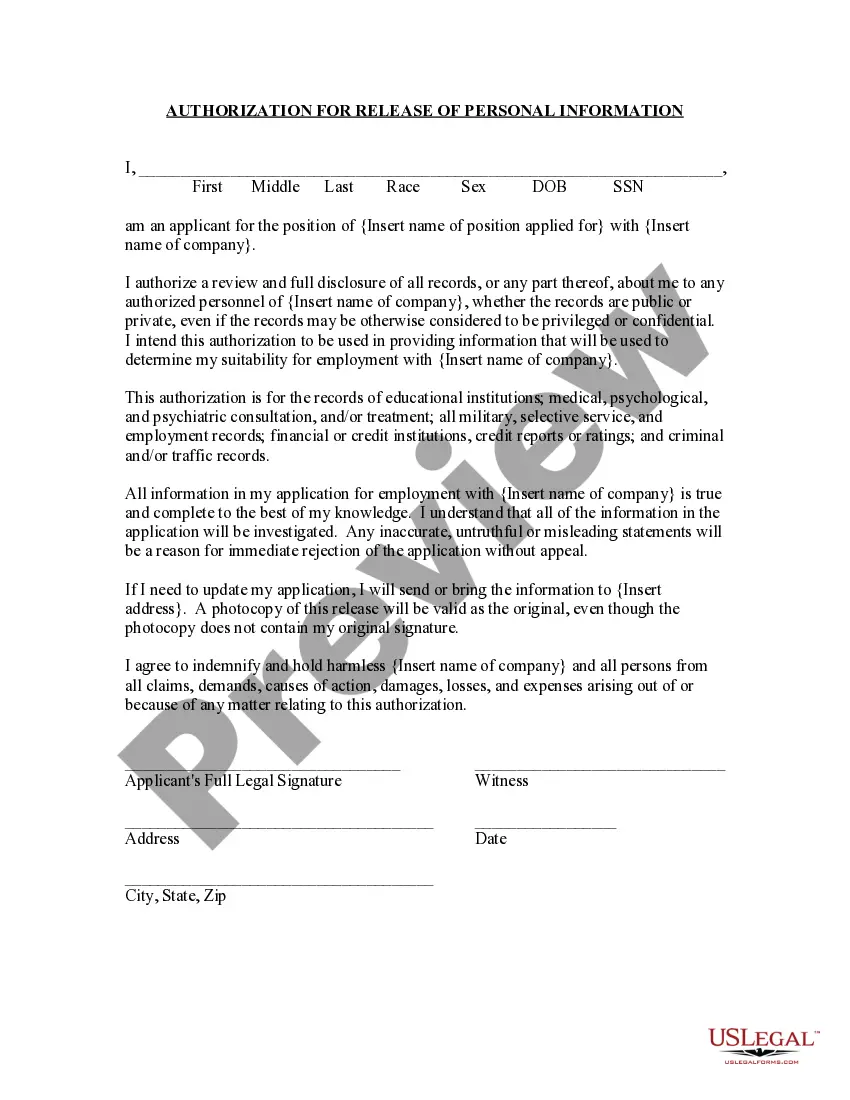
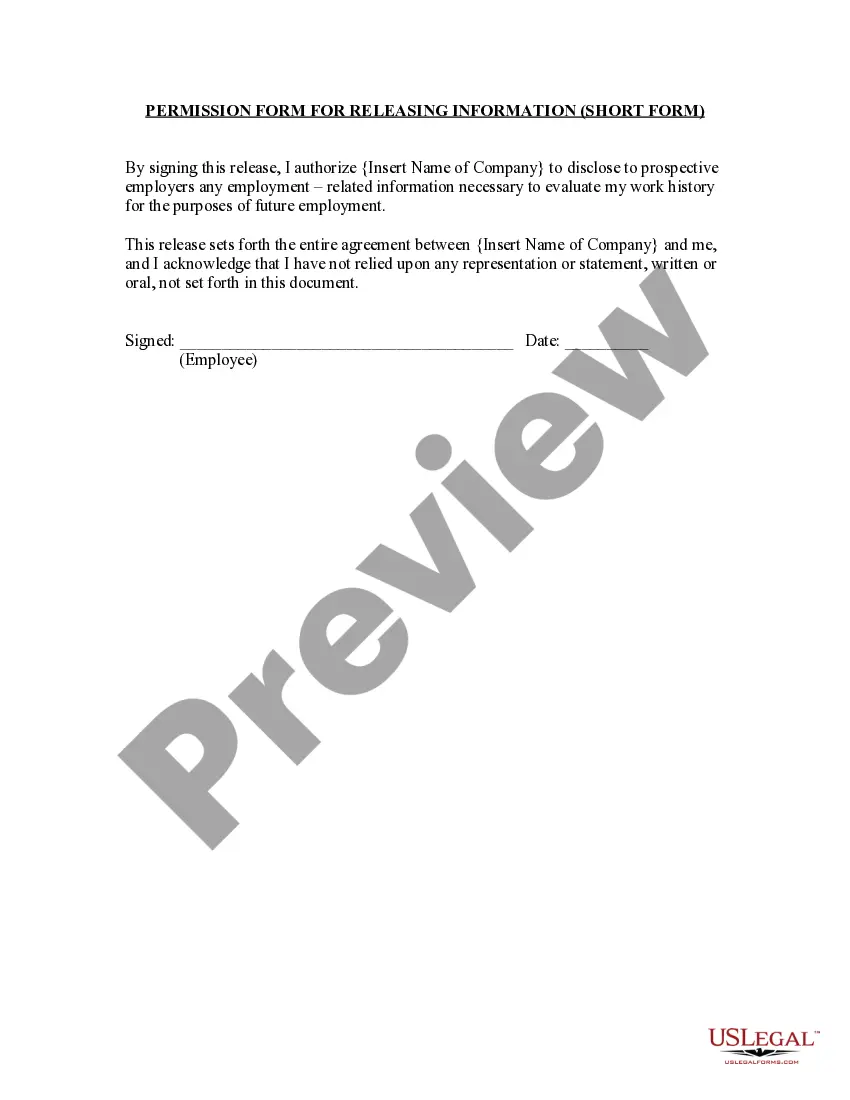
Get your form ready online
Our built-in tools help you complete, sign, share, and store your documents in one place.
Make edits, fill in missing information, and update formatting in US Legal Forms—just like you would in MS Word.
Download a copy, print it, send it by email, or mail it via USPS—whatever works best for your next step.
Sign and collect signatures with our SignNow integration. Send to multiple recipients, set reminders, and more. Go Premium to unlock E-Sign.
If this form requires notarization, complete it online through a secure video call—no need to meet a notary in person or wait for an appointment.
We protect your documents and personal data by following strict security and privacy standards.

Make edits, fill in missing information, and update formatting in US Legal Forms—just like you would in MS Word.

Download a copy, print it, send it by email, or mail it via USPS—whatever works best for your next step.

Sign and collect signatures with our SignNow integration. Send to multiple recipients, set reminders, and more. Go Premium to unlock E-Sign.

If this form requires notarization, complete it online through a secure video call—no need to meet a notary in person or wait for an appointment.

We protect your documents and personal data by following strict security and privacy standards.
Looking for another form?







Form popularity
FAQ
Take a non-competitive job or role outside your current employer's specialty. Prove your employer breached the contract to invalidate the non-compete clause. Argue that the non-compete is overly restrictive or not enforceable. Negotiate or prove no legitimate business interests exist to uphold the agreement.
Covenants not to compete are governed in California by Business and Professions Code Section 16600 et seq. Section 16600 says that, except as otherwise provided, every contract that restrains a person from engaging in a lawful profession, trade or business is void to the extent of the restriction.
A contract is defined as an enforceable agreement between two parties. An employment contract is an enforceable agreement between two parties that contains whatever terms and conditions of employment the parties agree upon and, when accepted, becomes controlling upon the employment relationship.
AB 1076 Notice Requirement AB 1076 requires employers to send a notice to employees informing them that any noncompete agreements or noncompete provisions in their employment contract are void in California. The notice must be written and delivered to the employee's last known postal address and email address.
Noncompete agreements are typically deemed illegal under the California Business and Professions Code unless the agreement has been made between two business owners or partners.
For more than 150 years, California has declared non-compete agreements unenforceable. In 1941, California codified its prohibition on non-competes in California Business and Professions Code sections 16600-16607.
The enforceability of non-compete clauses in India is primarily governed by Section 27 of the Indian Contract Act, 1872. This section states: “Every agreement by which anyone is restrained from exercising a lawful profession, trade or business of any kind, is to that extent void.”
Noncompetes in the employment law context are expressly unlawful. Employers must notify California employees (and former employees) hired after January 1, 2022, that their noncompetes are void.
Some states (California and a few others) have made non-competes void by statute, but even in states that have not passed anti-non-compete laws, courts have been trending toward avoiding enforcement of these provisions (in favor of the employee) for years.
Non-compete agreements may face antitrust scrutiny, even in the absence of the FTC's Rule. The new Guidelines suggest that the antitrust enforcers may prosecute non-compete agreements that harm competition as antitrust violations, even if the Non-Compete Rule does not survive its pending legal challenges.