Release Of Information Example In Arizona
Description
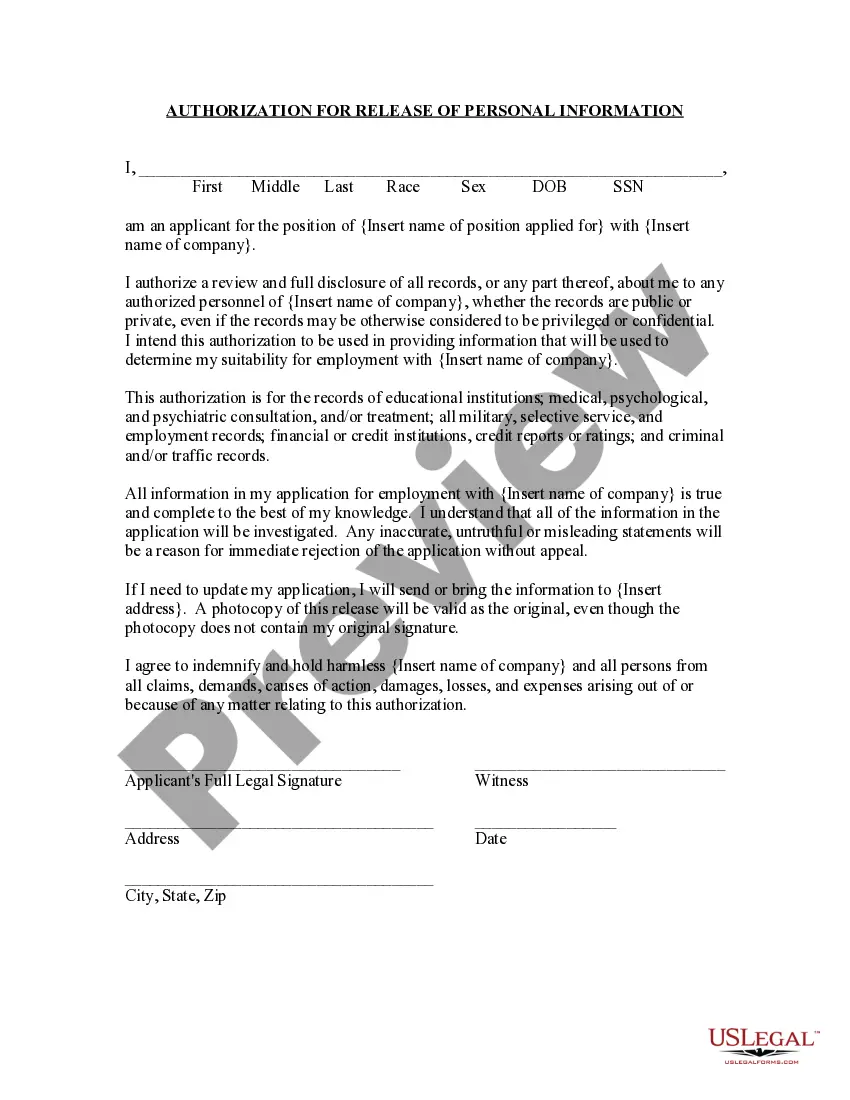
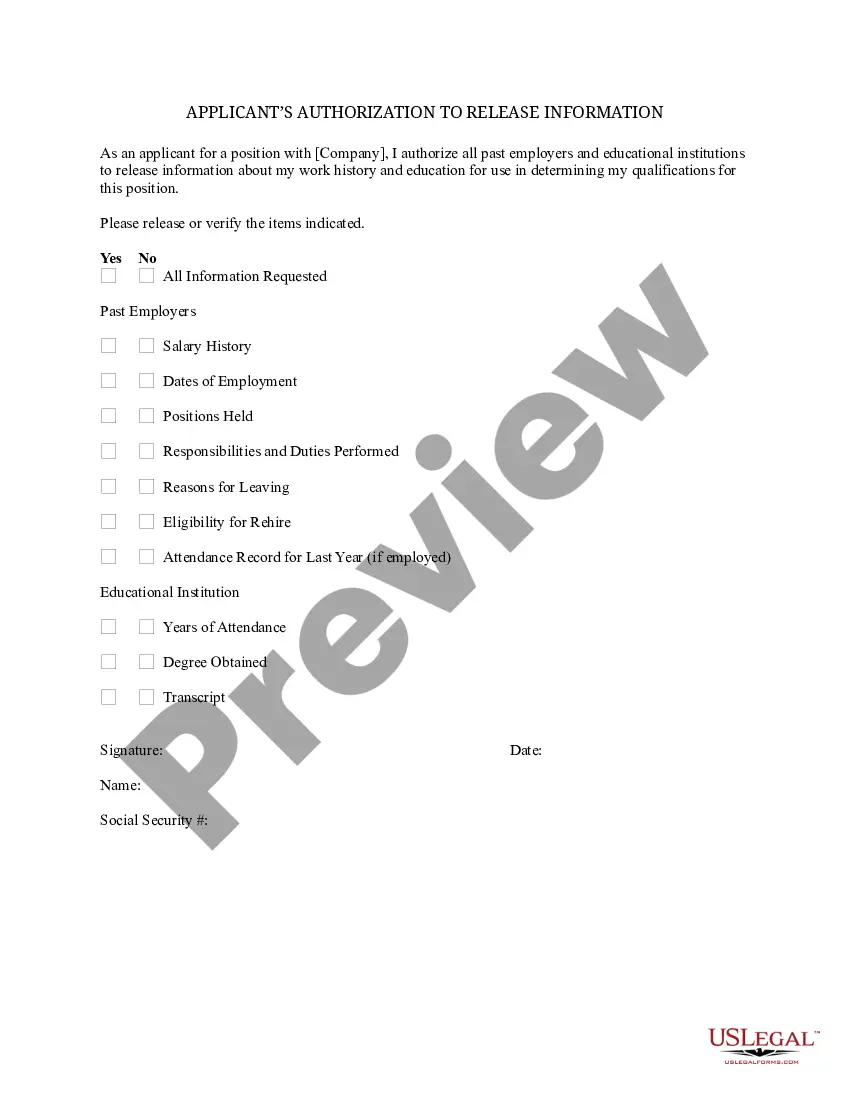
Get your form ready online
Our built-in tools help you complete, sign, share, and store your documents in one place.
Make edits, fill in missing information, and update formatting in US Legal Forms—just like you would in MS Word.
Download a copy, print it, send it by email, or mail it via USPS—whatever works best for your next step.
Sign and collect signatures with our SignNow integration. Send to multiple recipients, set reminders, and more. Go Premium to unlock E-Sign.
If this form requires notarization, complete it online through a secure video call—no need to meet a notary in person or wait for an appointment.
We protect your documents and personal data by following strict security and privacy standards.

Make edits, fill in missing information, and update formatting in US Legal Forms—just like you would in MS Word.

Download a copy, print it, send it by email, or mail it via USPS—whatever works best for your next step.

Sign and collect signatures with our SignNow integration. Send to multiple recipients, set reminders, and more. Go Premium to unlock E-Sign.

If this form requires notarization, complete it online through a secure video call—no need to meet a notary in person or wait for an appointment.

We protect your documents and personal data by following strict security and privacy standards.
Looking for another form?
Form popularity
FAQ
Requestors do not have to mention FOIA. You should refer to section 8 of FOIA when determining whether a request is valid or not. To be valid it must be in writing, it must state the requestor's real name, include an address for correspondence and it must also offer a clear description of the information requested.
Art. II, § 8: “No person shall be disturbed in his private affairs, or his home invaded, without authority of law.” Procedural Posture: Sheriffs, deputies, and civilian employees of sheriff's office brought libel and invasion of privacy action against newspapers.
Exemptions to Public Records Arizona law also requires individuals who are making a FOIA request for commercial purposes to state those purposes. Exempt: Adoption records; disciplinary records of some professional groups; some medical records; some corrections department records; bank records; and trade secrets.
The Arizona Public Records Law has been in existence for more than 100 years and mandates that all public records be open to inspection by any person at all times during office hours.
Any record in the custody of an Arizona government entity that has a substantial nexus to government activity is considered a public record and is presumed to be subject to disclosure.
Exemptions to Public Records Arizona law also requires individuals who are making a FOIA request for commercial purposes to state those purposes. Exempt: Adoption records; disciplinary records of some professional groups; some medical records; some corrections department records; bank records; and trade secrets.
Subject to section 39-121.03: 1. Any person may request to examine or be furnished copies, printouts or photographs of any public record during regular office hours or may request that the custodian mail a copy of any public record not otherwise available on the public body's website to the requesting person.
The Arizona Public Records Law does have some exceptions which include: student records, research records, donor information, or if the release of a record would constitute an invasion of personal privacy and that invasion outweighs the public's right to know, of if the disclosure of a record is detrimental to the best ...
§ 39-121. Public records and other matters in the custody of any officer shall be open to inspection by any person at all times during office hours.
Public Records Law §39-121 et seq. Exempt: Adoption records; disciplinary records of some professional groups; some medical records; some corrections department records; bank records; and trade secrets.
