Release Of Information In In Alameda
Description
Get your form ready online
Our built-in tools help you complete, sign, share, and store your documents in one place.
Make edits, fill in missing information, and update formatting in US Legal Forms—just like you would in MS Word.
Download a copy, print it, send it by email, or mail it via USPS—whatever works best for your next step.
Sign and collect signatures with our SignNow integration. Send to multiple recipients, set reminders, and more. Go Premium to unlock E-Sign.
If this form requires notarization, complete it online through a secure video call—no need to meet a notary in person or wait for an appointment.
We protect your documents and personal data by following strict security and privacy standards.

Make edits, fill in missing information, and update formatting in US Legal Forms—just like you would in MS Word.

Download a copy, print it, send it by email, or mail it via USPS—whatever works best for your next step.

Sign and collect signatures with our SignNow integration. Send to multiple recipients, set reminders, and more. Go Premium to unlock E-Sign.

If this form requires notarization, complete it online through a secure video call—no need to meet a notary in person or wait for an appointment.

We protect your documents and personal data by following strict security and privacy standards.
Looking for another form?









Form popularity
FAQ
Records may be requested in the following ways: By submitting a request online via NextRequest. By telephone or visiting a department. By submitting a request in writing via email or US Mail.
For any questions or information regarding Medi-Cal health plans, visit or call a Health Care Options (HCO) representative at 1-800-430-4263.
The California Public Records Act is designed to provide public access to information concerning the conduct of business by public agencies, unless exempted by law. The California Public Records Act is codified under California Government Code Section 6250-6276.48.
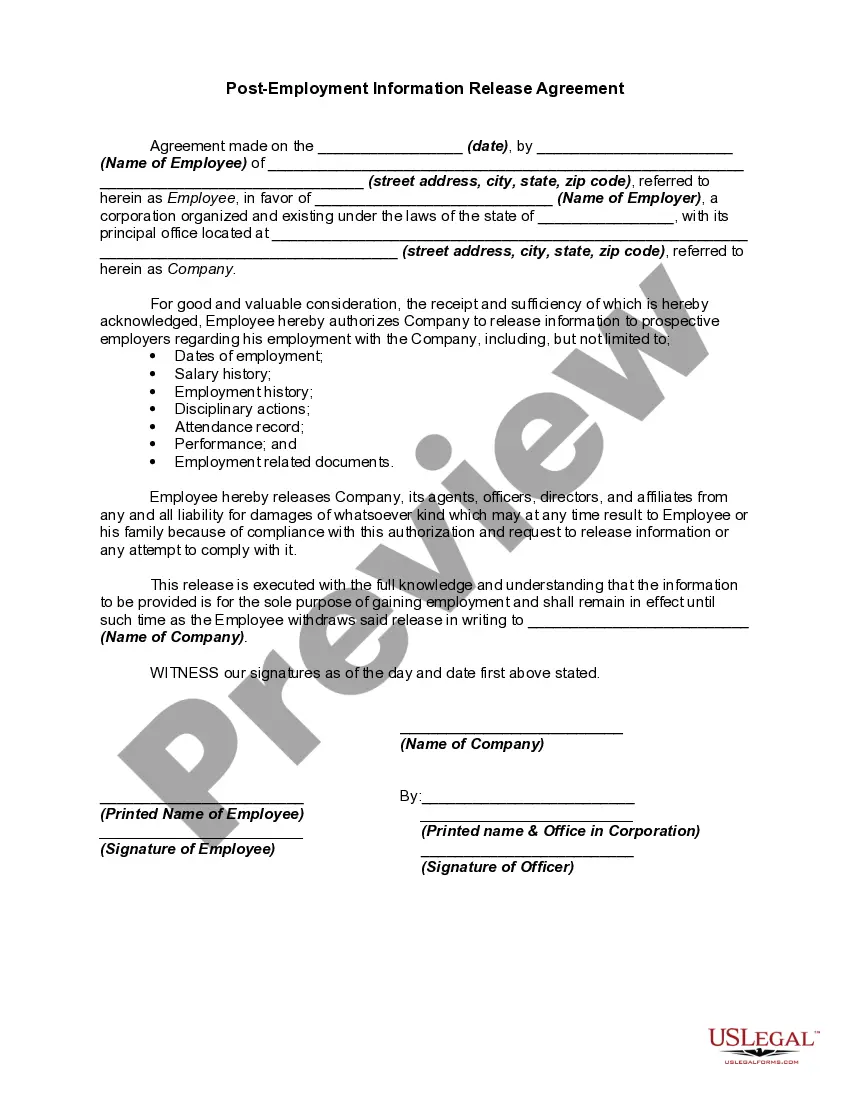
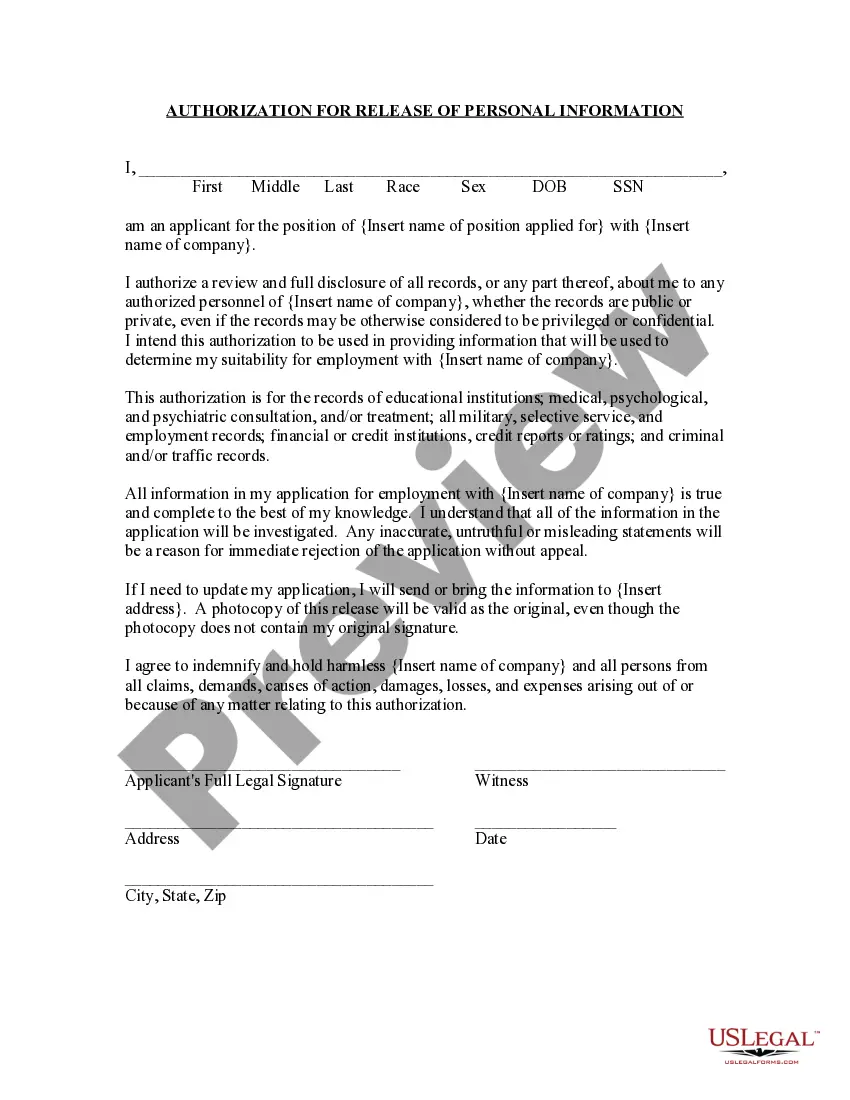
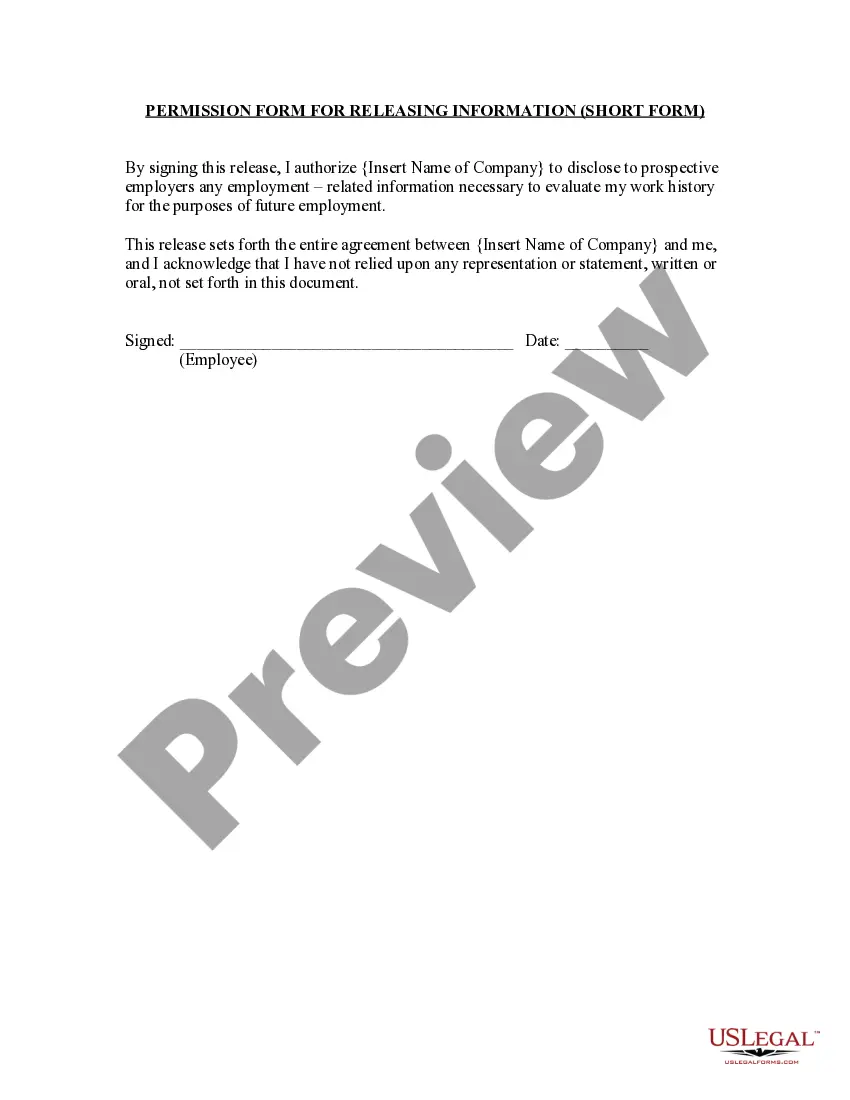
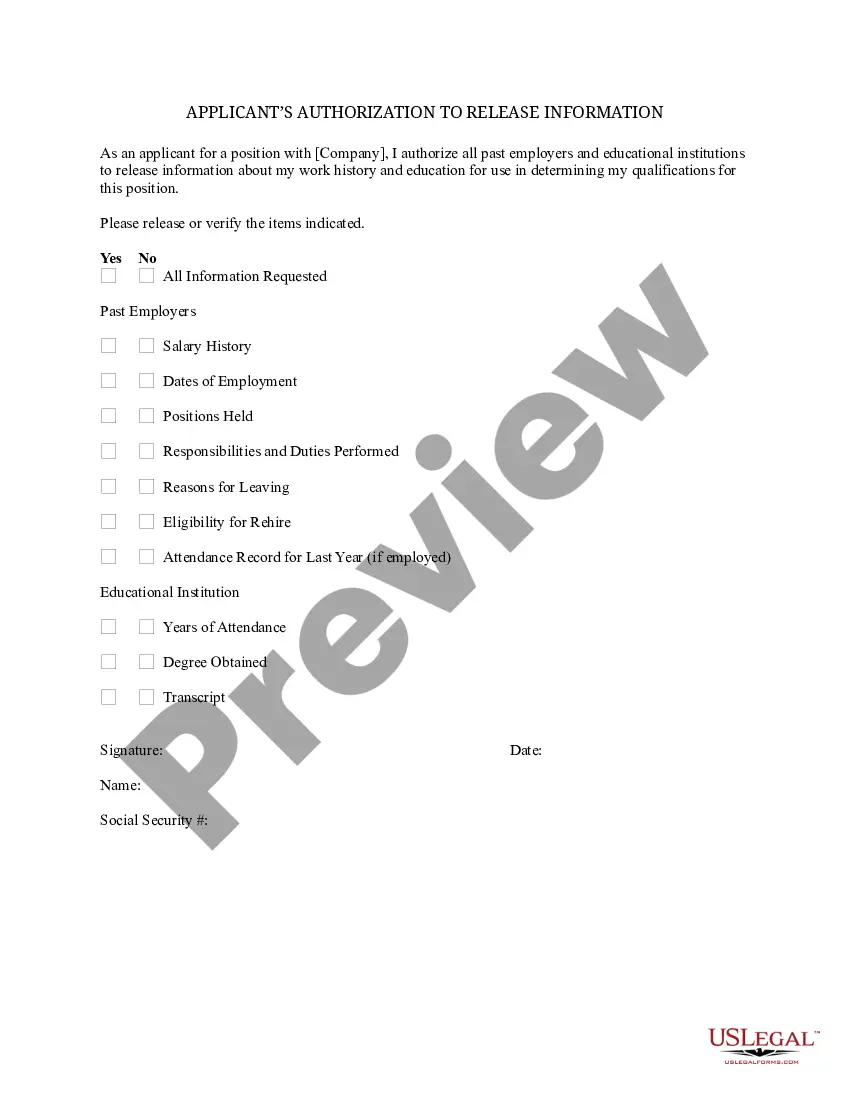
A release of information is a legal document that allows patients to specify what parts of their medical records they want to be made public, to whom they want those parts made public, for how long, and under what legal restrictions or rules.
Requests for criminal records must be submitted directly to the Superior Court of Alameda County: .
You can search the records in person at our office during office hours. Records prior to 1969 must be searched in person at the Alameda County Clerk-Recorder's Office. See "In Person" below. Records from 1969 to present are electronically indexed and may be searched for online.
Under the California Confidentiality of Medical Information Act (CMIA), patient medical records may not be disclosed without authorization unless disclosure is required for litigation or is required to communicate important medical information to other healthcare providers, insurers, and other interested parties.
The primary purpose of a release of information form is to protect the patient's privacy and ensure that their medical information is only shared with their consent. It empowers patients to control who has access to their personal health data and under what circumstances.
Release of Information Authorization Under the HIPAA Privacy Rule, when a release of information is intended for purposes other than medical treatment, healthcare operations, or payment, you'll need to sign an authorization for ROI.
(a) Patients may authorize the release of their health care information by completing the CDCR 7385, Authorization for Release of Protected Health Information , to allow a family member or friend to request and receive an update when there is a significant change in the patient 's health care condition.

