Indemnity Claims In Construction In Wake
Description
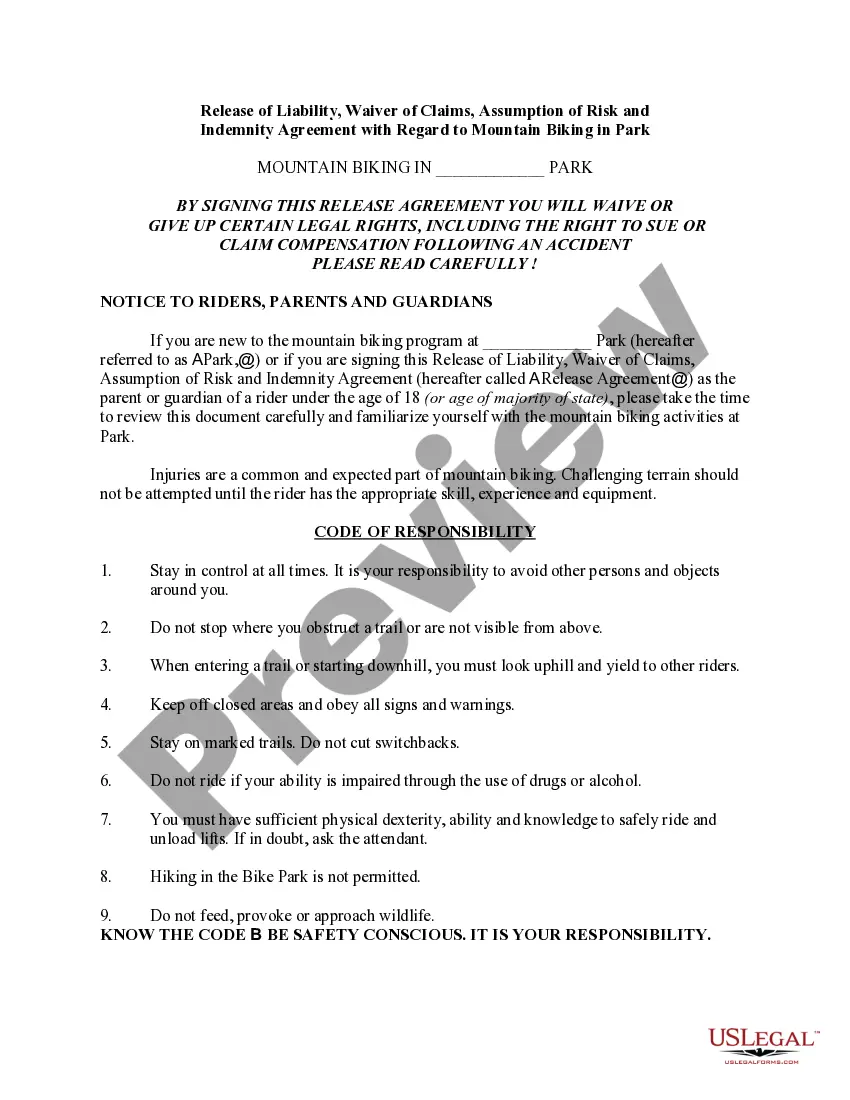
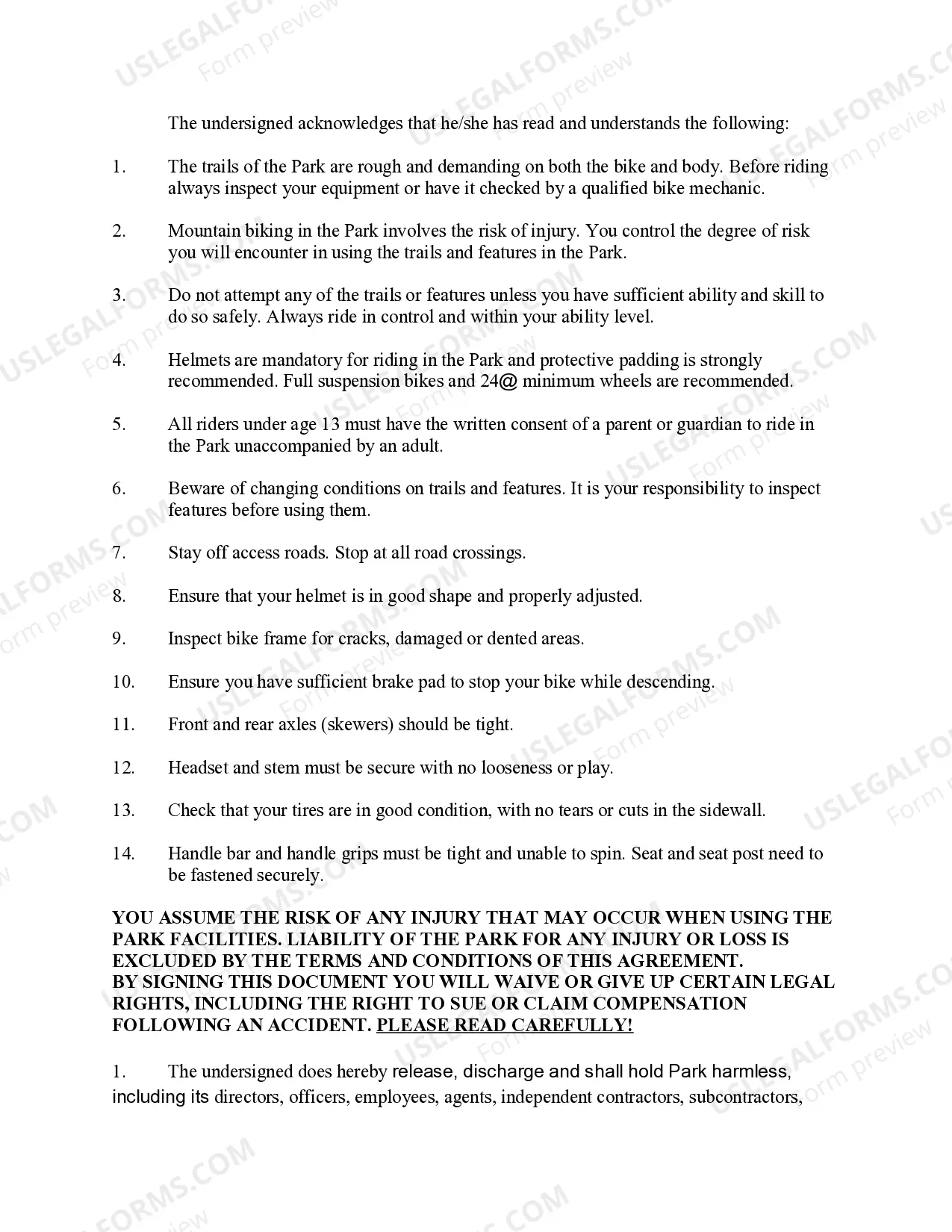
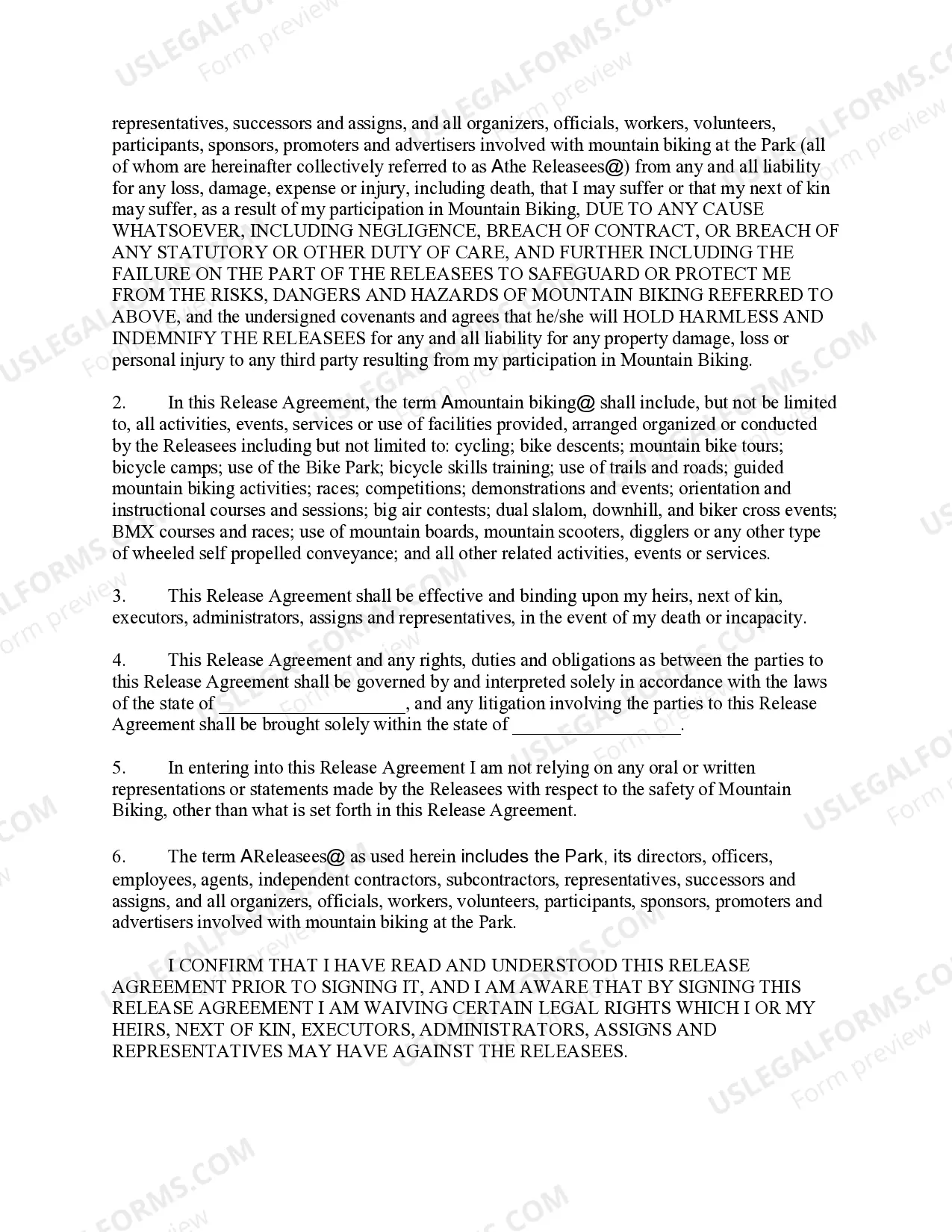
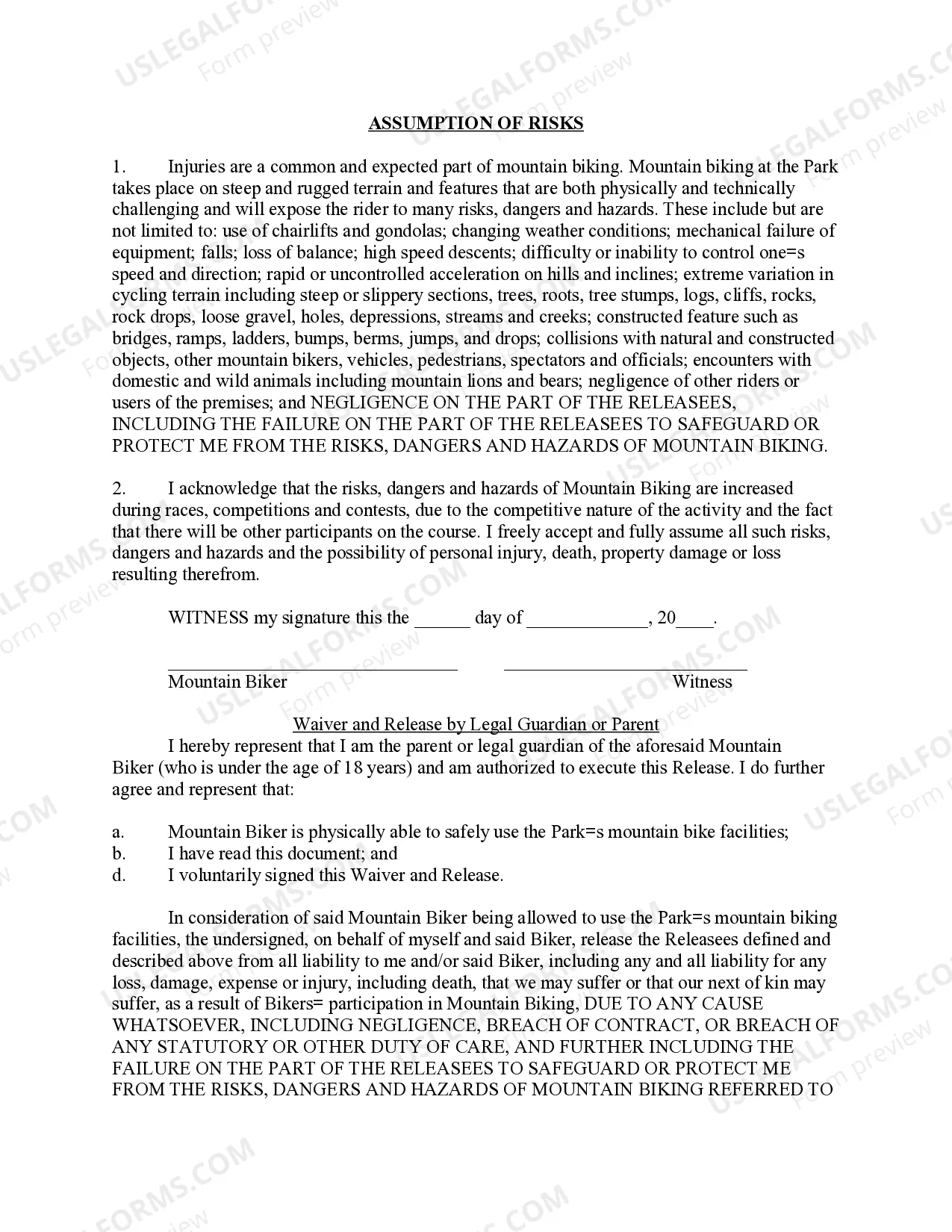
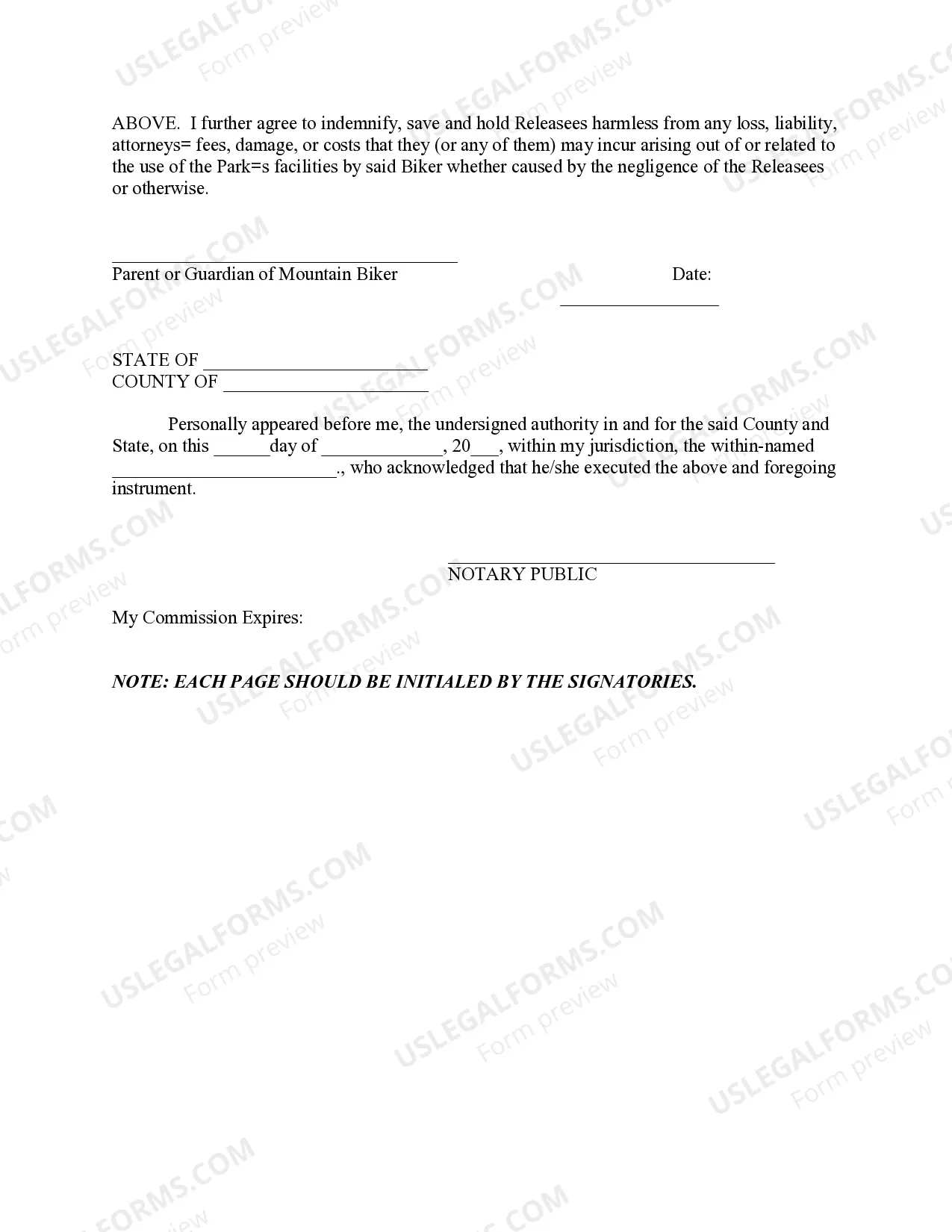
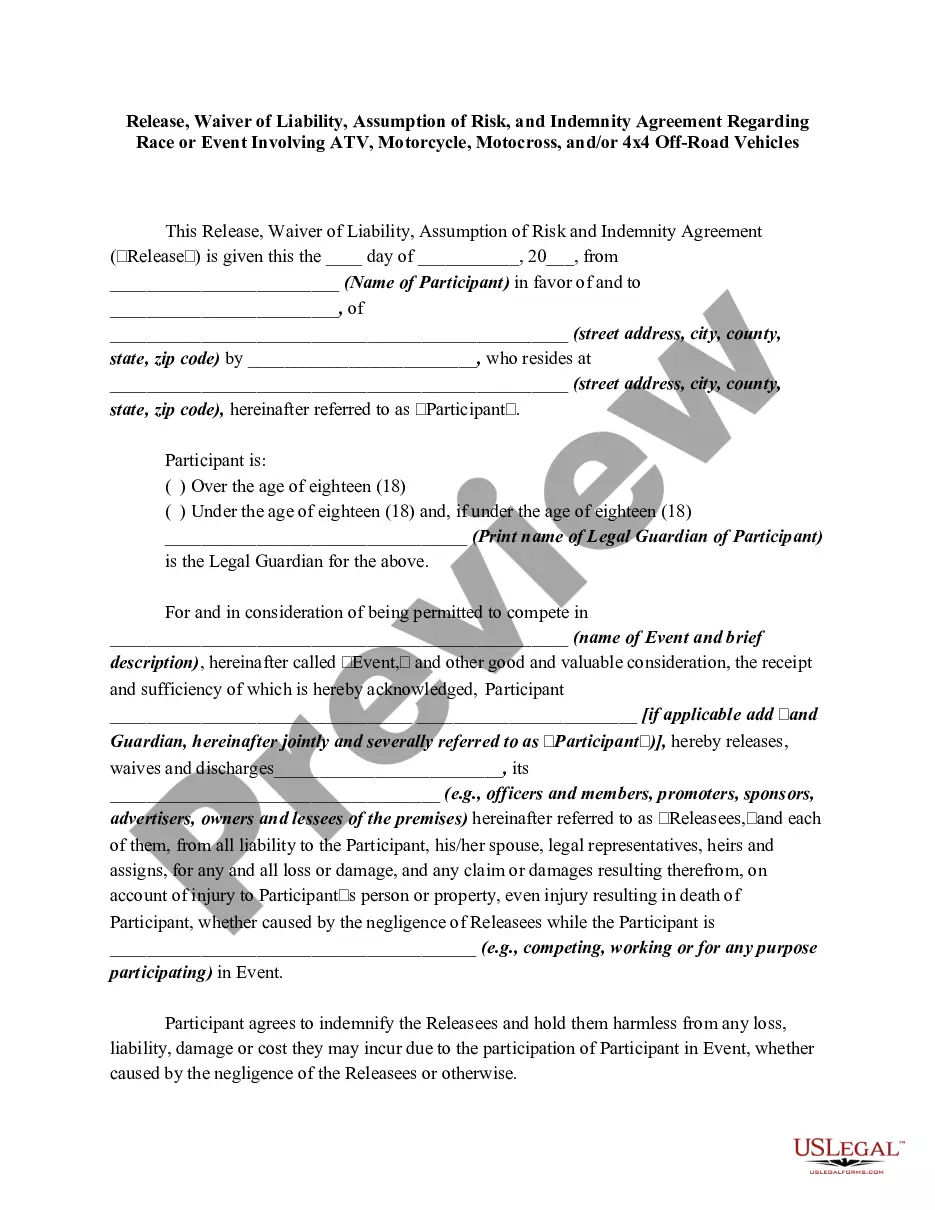
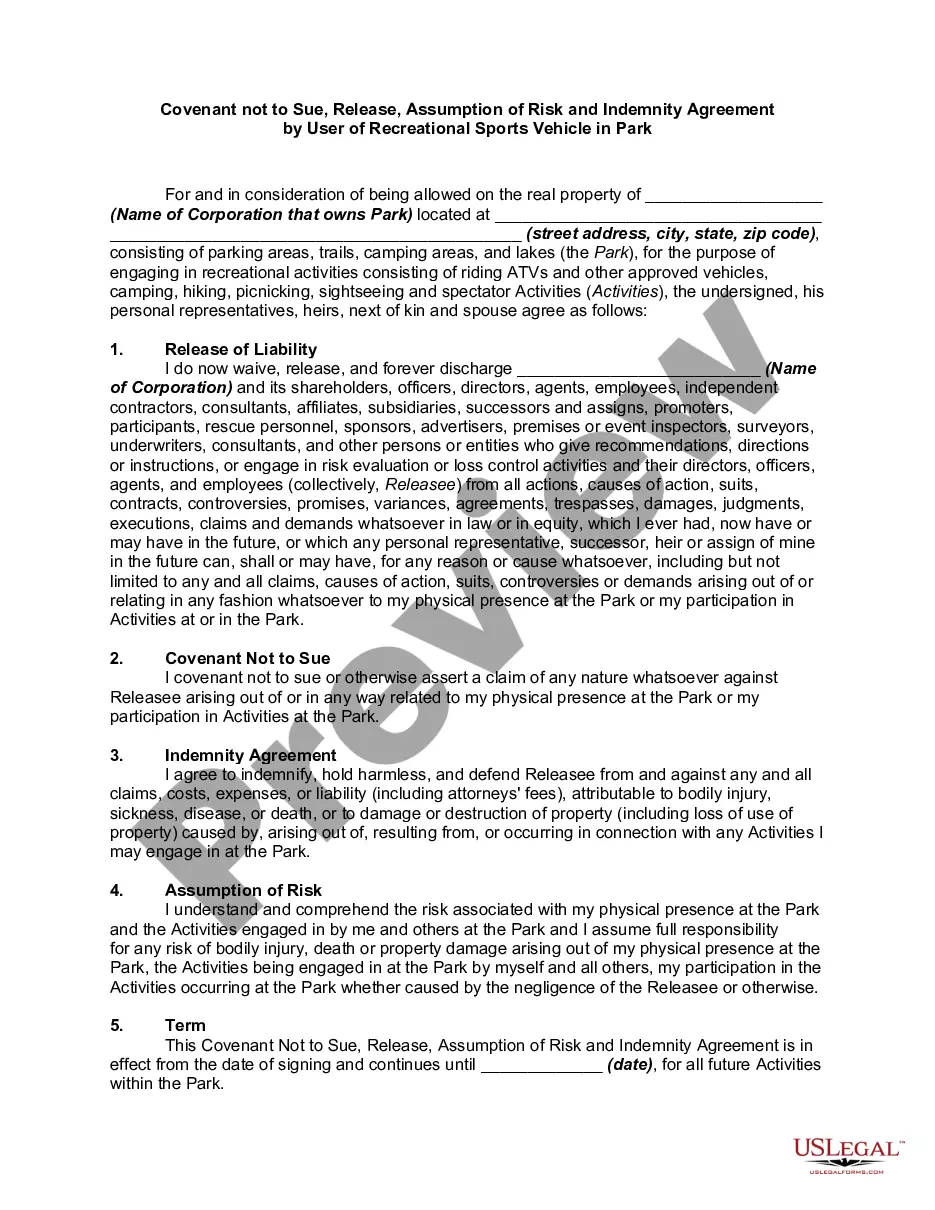
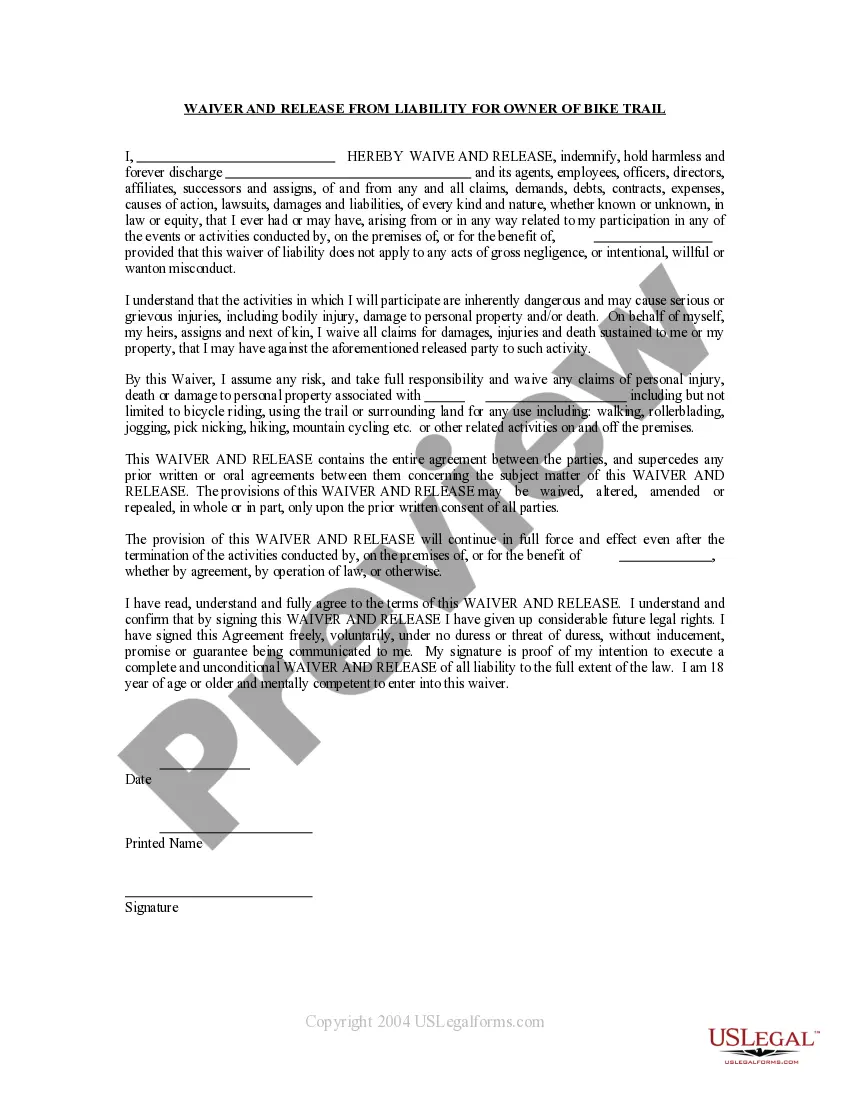
Get your form ready online
Our built-in tools help you complete, sign, share, and store your documents in one place.
Make edits, fill in missing information, and update formatting in US Legal Forms—just like you would in MS Word.
Download a copy, print it, send it by email, or mail it via USPS—whatever works best for your next step.
Sign and collect signatures with our SignNow integration. Send to multiple recipients, set reminders, and more. Go Premium to unlock E-Sign.
If this form requires notarization, complete it online through a secure video call—no need to meet a notary in person or wait for an appointment.
We protect your documents and personal data by following strict security and privacy standards.

Make edits, fill in missing information, and update formatting in US Legal Forms—just like you would in MS Word.

Download a copy, print it, send it by email, or mail it via USPS—whatever works best for your next step.

Sign and collect signatures with our SignNow integration. Send to multiple recipients, set reminders, and more. Go Premium to unlock E-Sign.

If this form requires notarization, complete it online through a secure video call—no need to meet a notary in person or wait for an appointment.

We protect your documents and personal data by following strict security and privacy standards.
Looking for another form?
Form popularity
FAQ
No Requirement to Prove Breach: Under an indemnity, the indemnified party does not need to demonstrate that the indemnifier was at fault or that a breach of contract occurred. The primary requirement is showing that the specified event causing the loss has taken place.
Describe the claim being made against your customer and the relevant work undertaken, this can be provided in a written format via email or official company letterhead. Outline the time and location the work was undertaken, it's best to provide a complete overview.
How can a worker claim their indemnity? Expatriate workers in the private sector can apply to the SIO to claim their end-of-service benefits after their resignation or termination. SIO will make the payment within 10 working days from the date of the claim.
For example, unlike damages which can only be claimed when loss has occurred, case laws have established that indemnity may be claimed from the indemnitor even when loss has not occurred but when there is accrual of liability and such liability has become absolute.
“The elements of a cause of action for indemnity are (1) a showing of fault on the part of the indemnitor and (2) resulting damages to the indemnitee for which the indemnitor is contractually or equitably responsible.” Expressions, supra, 86 Cal.
How can a worker claim their indemnity? Expatriate workers in the private sector can apply to the SIO to claim their end-of-service benefits after their resignation or termination. SIO will make the payment within 10 working days from the date of the claim.
How to Write an Indemnity Agreement Consider the Indemnity Laws in Your Area. Draft the Indemnification Clause. Outline the Indemnification Period and Scope of Coverage. State the Indemnification Exceptions. Specify How the Indemnitee Notifies the Indemnitor About Claims. Write the Settlement and Consent Clause.
