Indemnity Claims In Construction In New York
Description
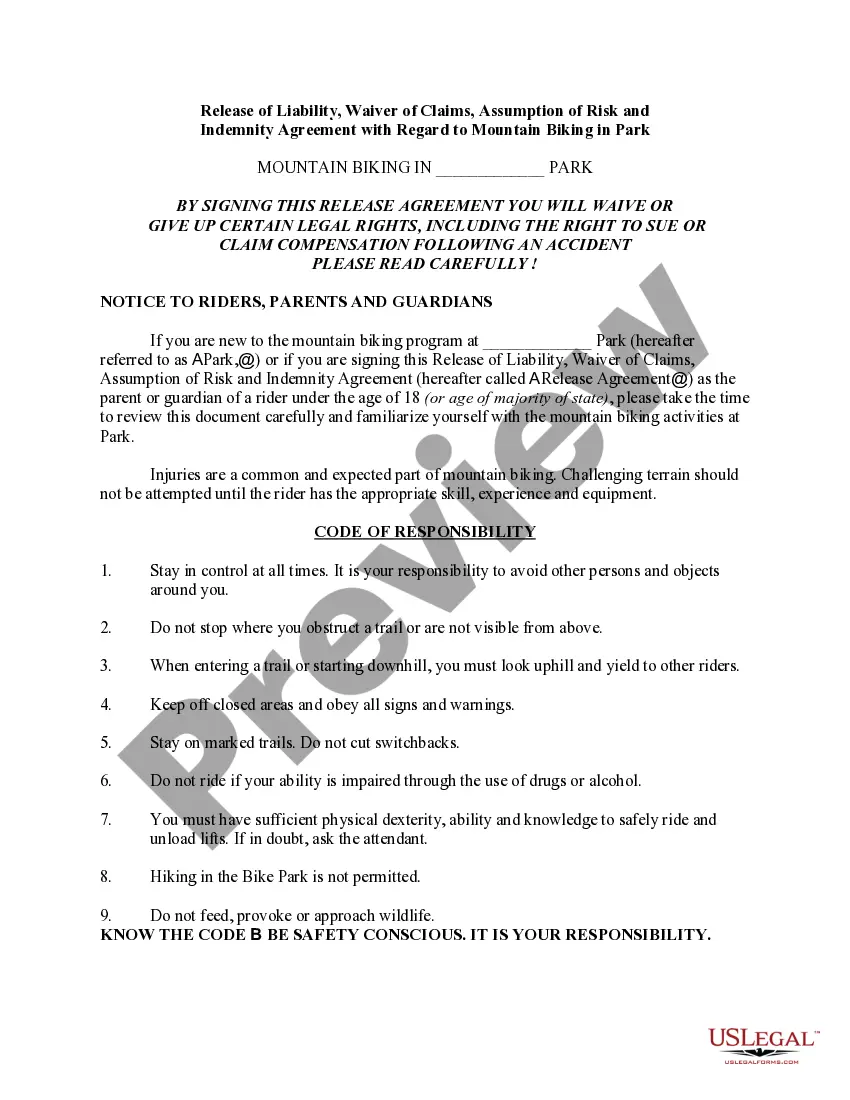
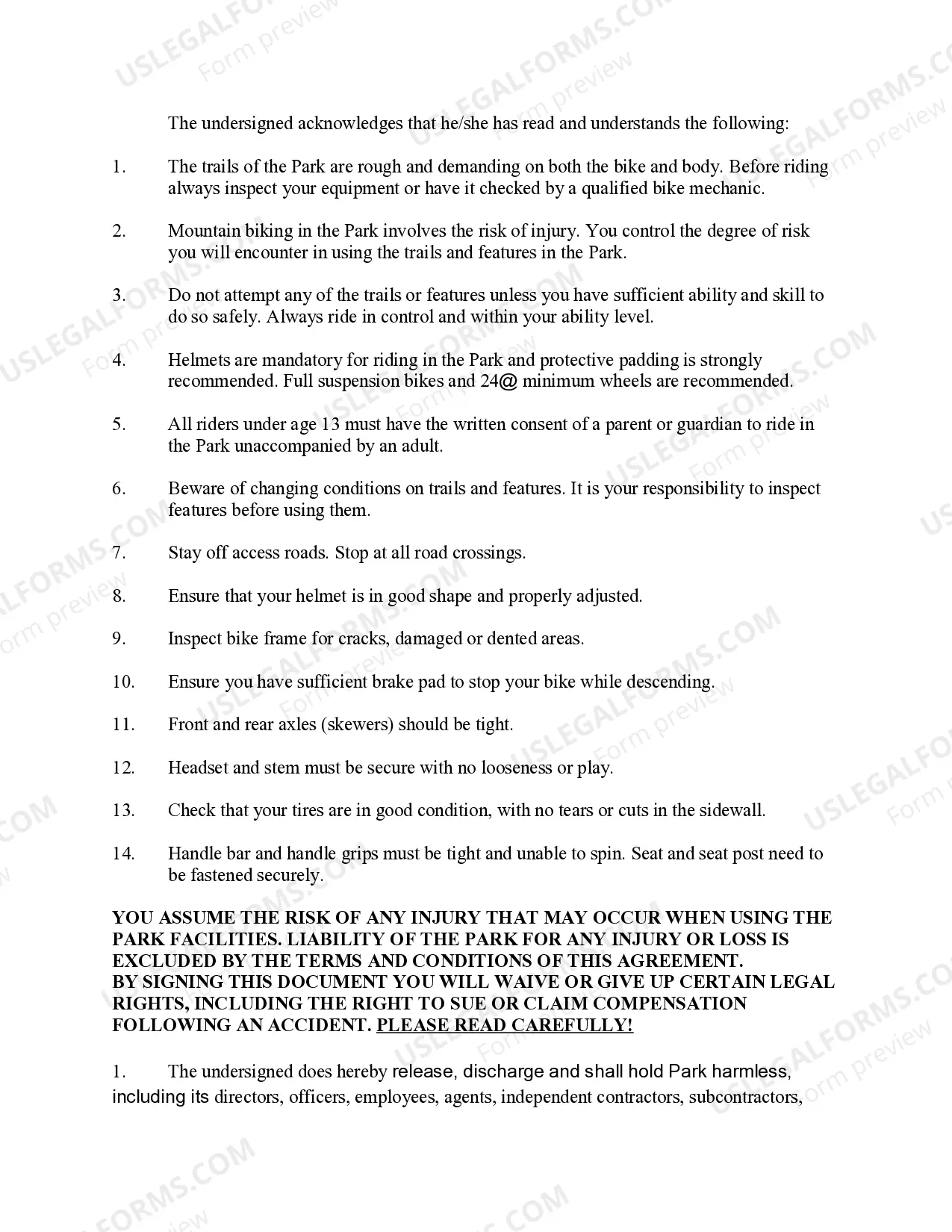
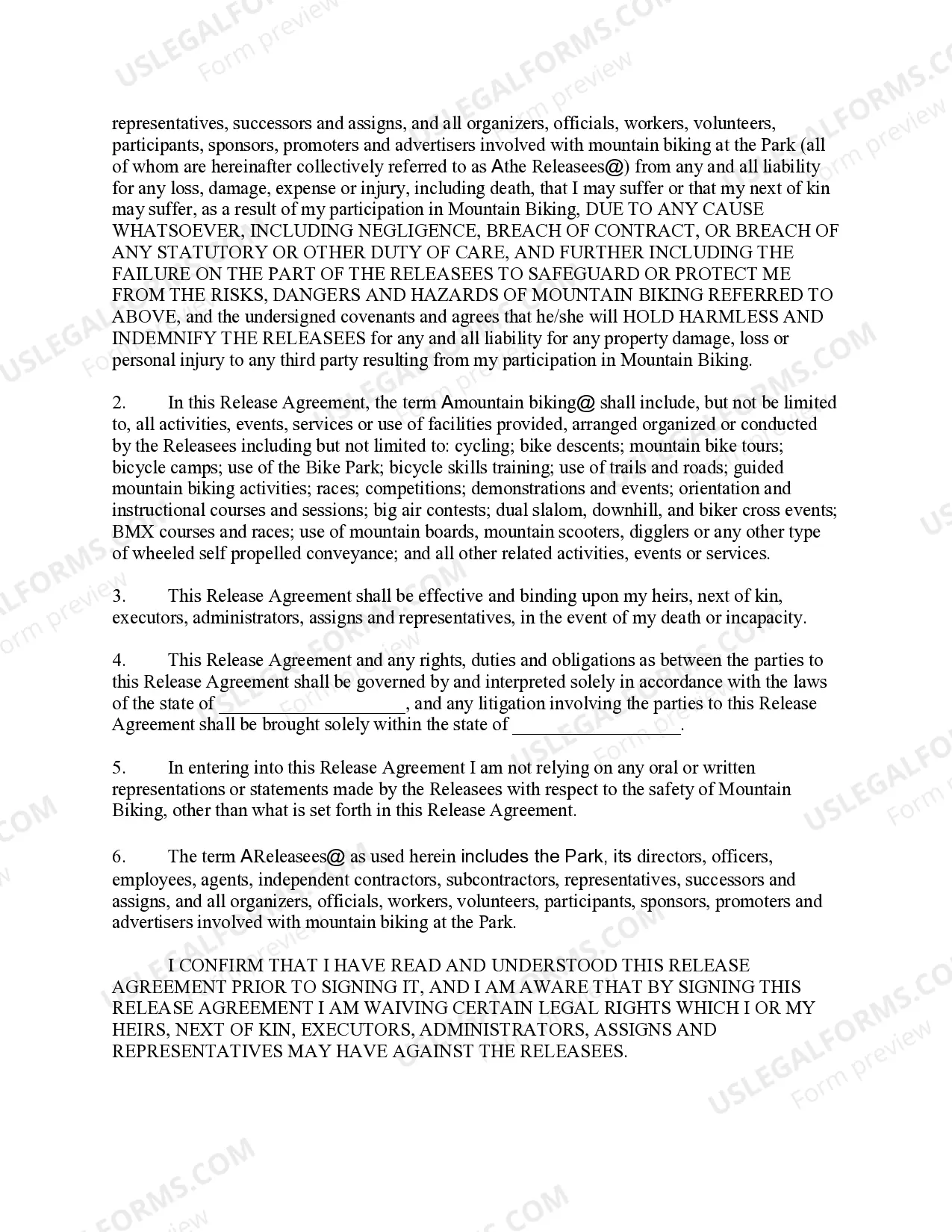
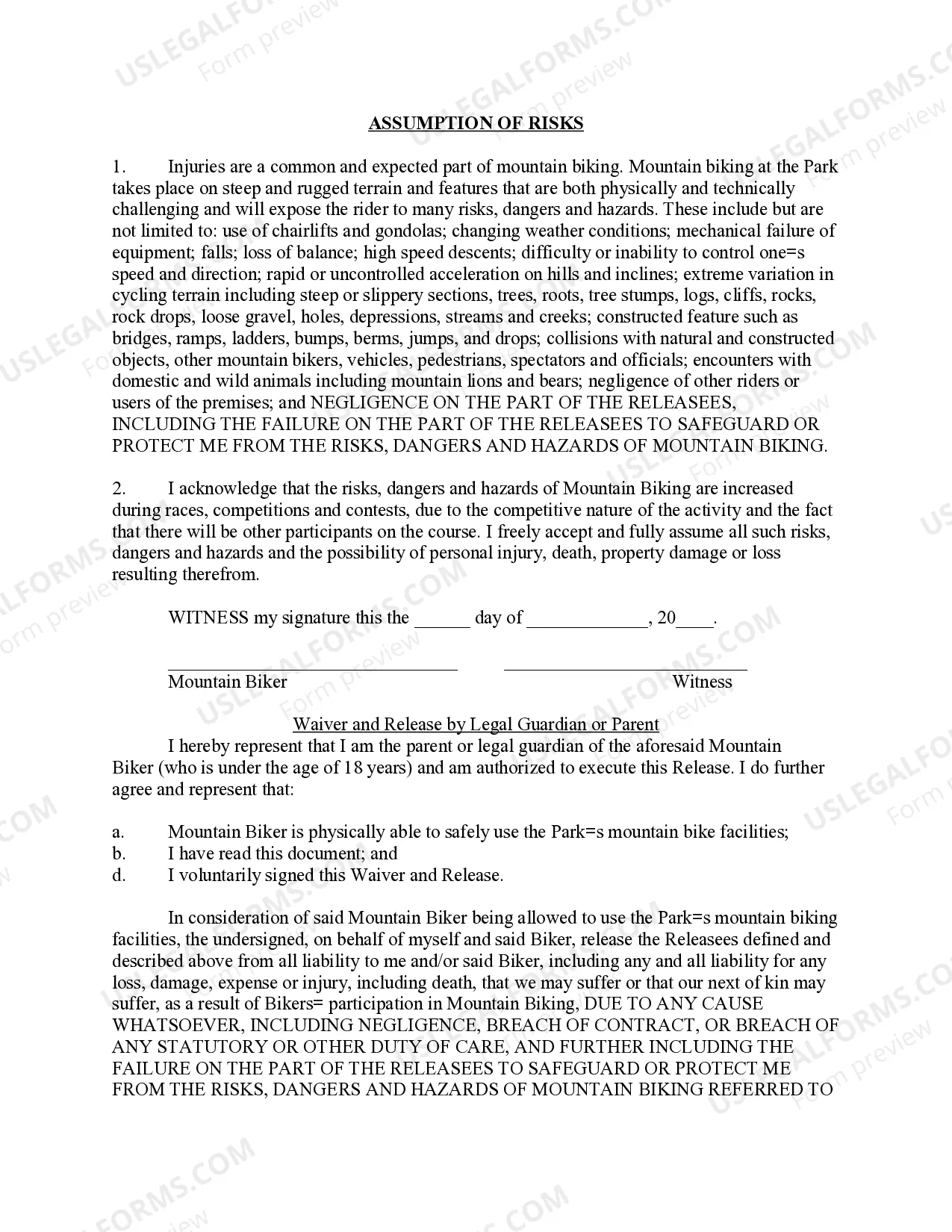
Get your form ready online
Our built-in tools help you complete, sign, share, and store your documents in one place.
Make edits, fill in missing information, and update formatting in US Legal Forms—just like you would in MS Word.
Download a copy, print it, send it by email, or mail it via USPS—whatever works best for your next step.
Sign and collect signatures with our SignNow integration. Send to multiple recipients, set reminders, and more. Go Premium to unlock E-Sign.
If this form requires notarization, complete it online through a secure video call—no need to meet a notary in person or wait for an appointment.
We protect your documents and personal data by following strict security and privacy standards.

Make edits, fill in missing information, and update formatting in US Legal Forms—just like you would in MS Word.

Download a copy, print it, send it by email, or mail it via USPS—whatever works best for your next step.

Sign and collect signatures with our SignNow integration. Send to multiple recipients, set reminders, and more. Go Premium to unlock E-Sign.

If this form requires notarization, complete it online through a secure video call—no need to meet a notary in person or wait for an appointment.

We protect your documents and personal data by following strict security and privacy standards.
Looking for another form?



Form popularity
FAQ
Letters of indemnity should include the names and addresses of both parties involved, plus the name and affiliation of the third party, if any. Detailed descriptions of the items and intentions are also required, as are the signatures of the parties and the date the contract is executed.
The Indemnity bond should be signed by two witnesses and two sureties (name, address and signature). 12. Affidavit should be verified in presence of a First Class Magistrate or a Notary Public. In the event of verification in the presence of Notary Public, the Affidavit should contain the notarial stamp.
Letters of indemnity should include the names and addresses of both parties involved, plus the name and affiliation of the third party, if any. Detailed descriptions of the items and intentions are also required, as are the signatures of the parties and the date the contract is executed.
How to Write an Indemnity Agreement Consider the Indemnity Laws in Your Area. Draft the Indemnification Clause. Outline the Indemnification Period and Scope of Coverage. State the Indemnification Exceptions. Specify How the Indemnitee Notifies the Indemnitor About Claims. Write the Settlement and Consent Clause.
For example, a contract between a general contractor and a subcontractor may state that the subcontractor “shall indemnify the general contractor for claims arising out of the contract, whether caused in whole or in part by the negligence of the general contractor.
Licensee shall hold harmless and indemnify Board, System, University, its Regents, officers, employees and agents from and against any claims, demands, or causes of action whatsoever, including without limitation those arising on account of any injury or death of persons or damage to property caused by, or arising out ...
(c) Where indemnification is sought by judicial action, the court may allow a person such reasonable expenses, including attorneys' fees, during the pendency of the litigation as are necessary in connection with his defense therein, if the court shall find that the defendant has by his pleadings or during the course of ...
Other states, like Connecticut, Illinois, and New York, prohibit both broad and intermediate/limited indemnity agreements. Texas, Louisiana, Mississippi, and Florida all have construction-related anti-indemnity statutes.
An indemnity clause provides protection to a specified party of the construction contract against damages and exempts them from liability caused by their own actions. In simple terms, this clause holds one party harmless for the losses of another.
(a) The public entity shall indemnify and save harmless its employees in the amount of any judgment obtained against such employees in a state or federal court, or in the amount of any settlement of a claim, provided that the act or omission from which such judgment or claim arose occurred while the employee was acting ...
