Indemnity Claims In Construction In Los Angeles
Description
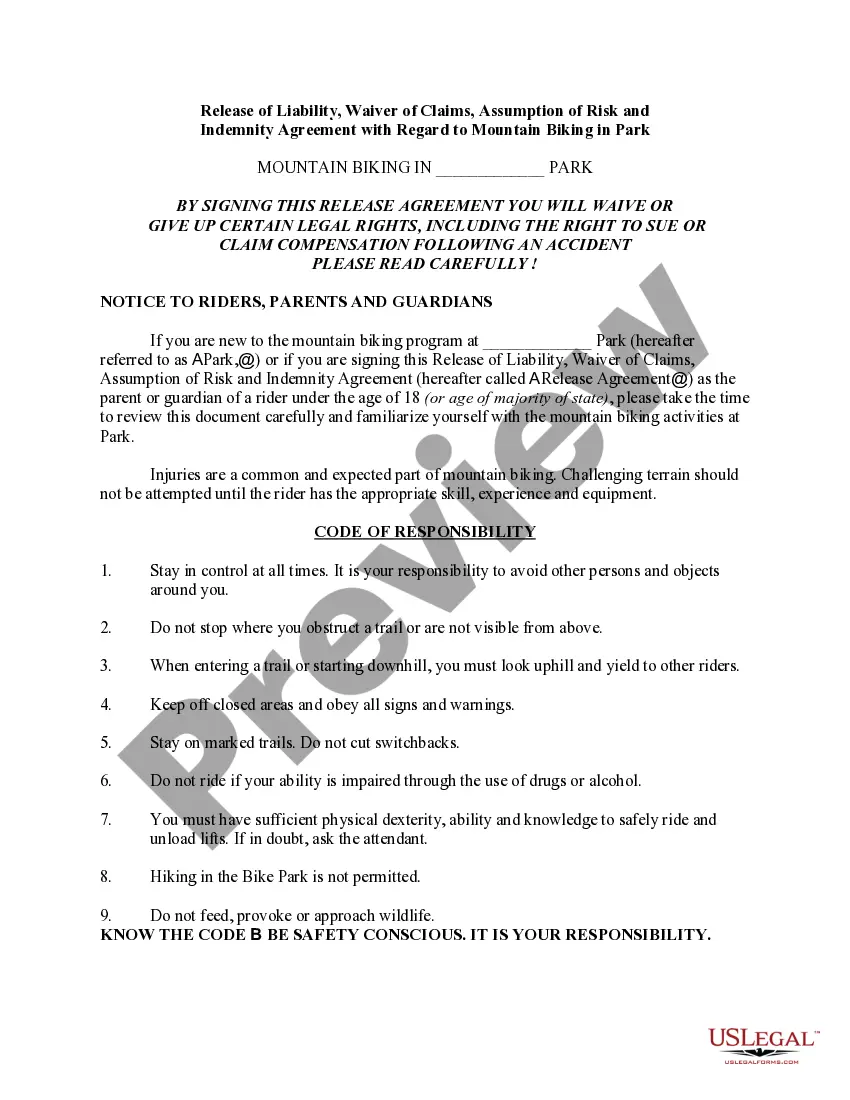
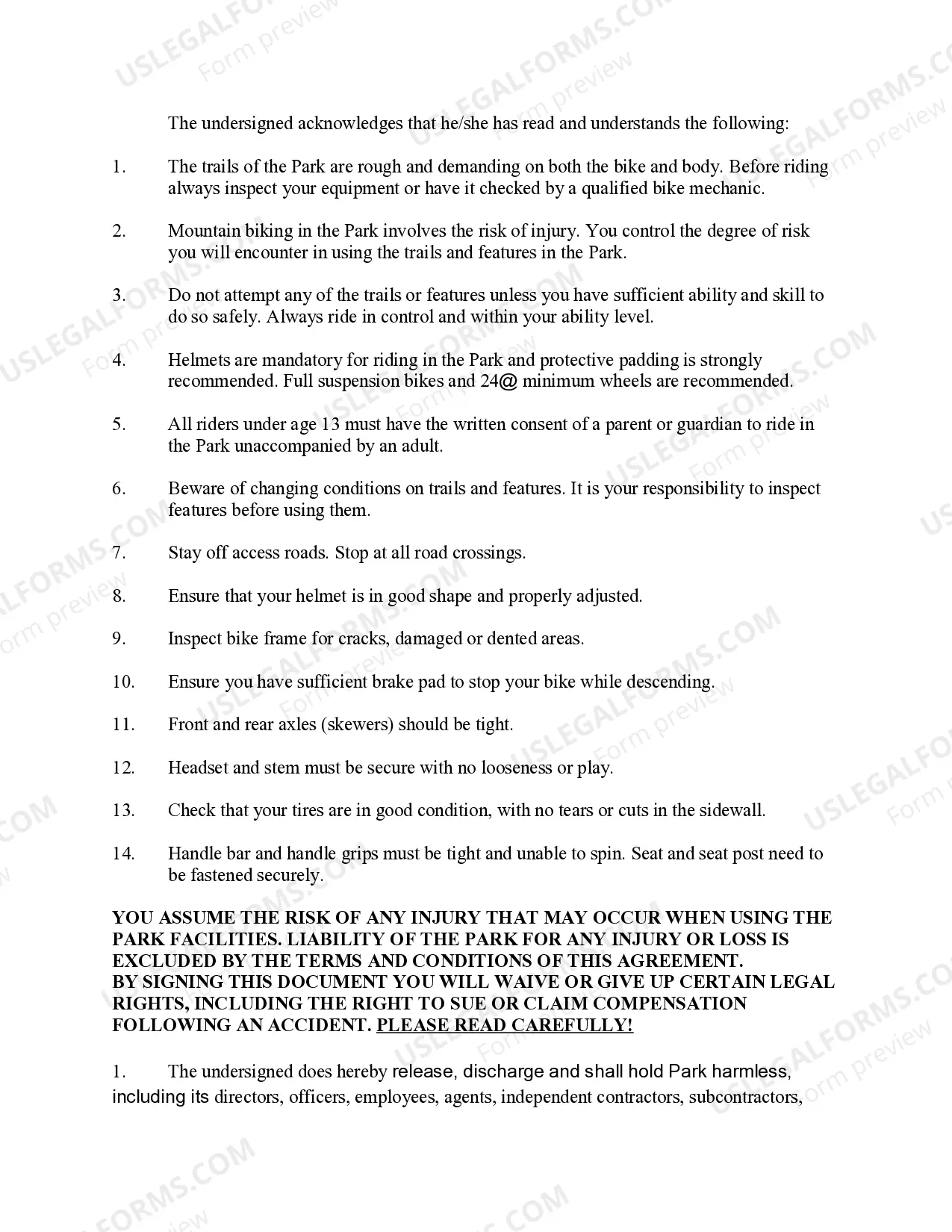
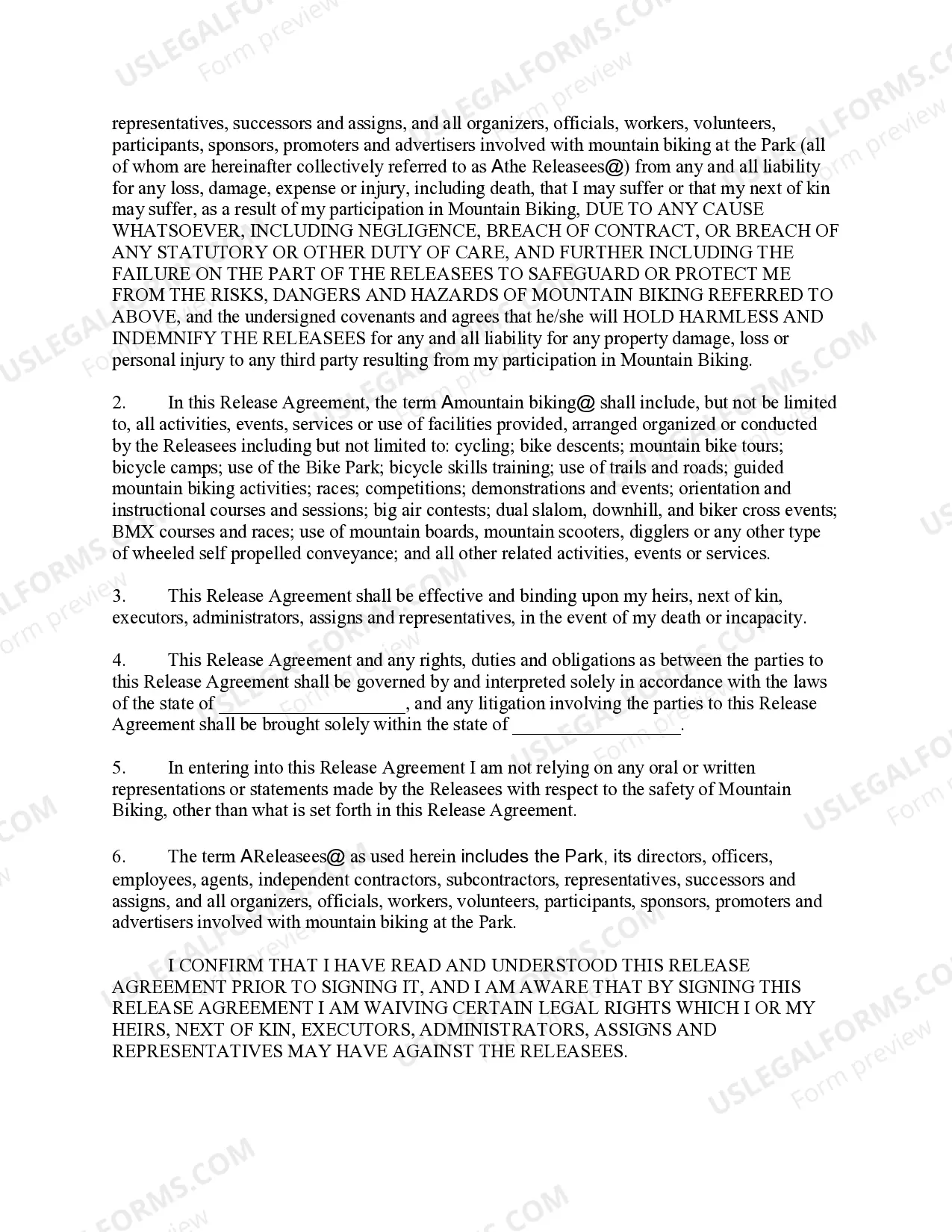
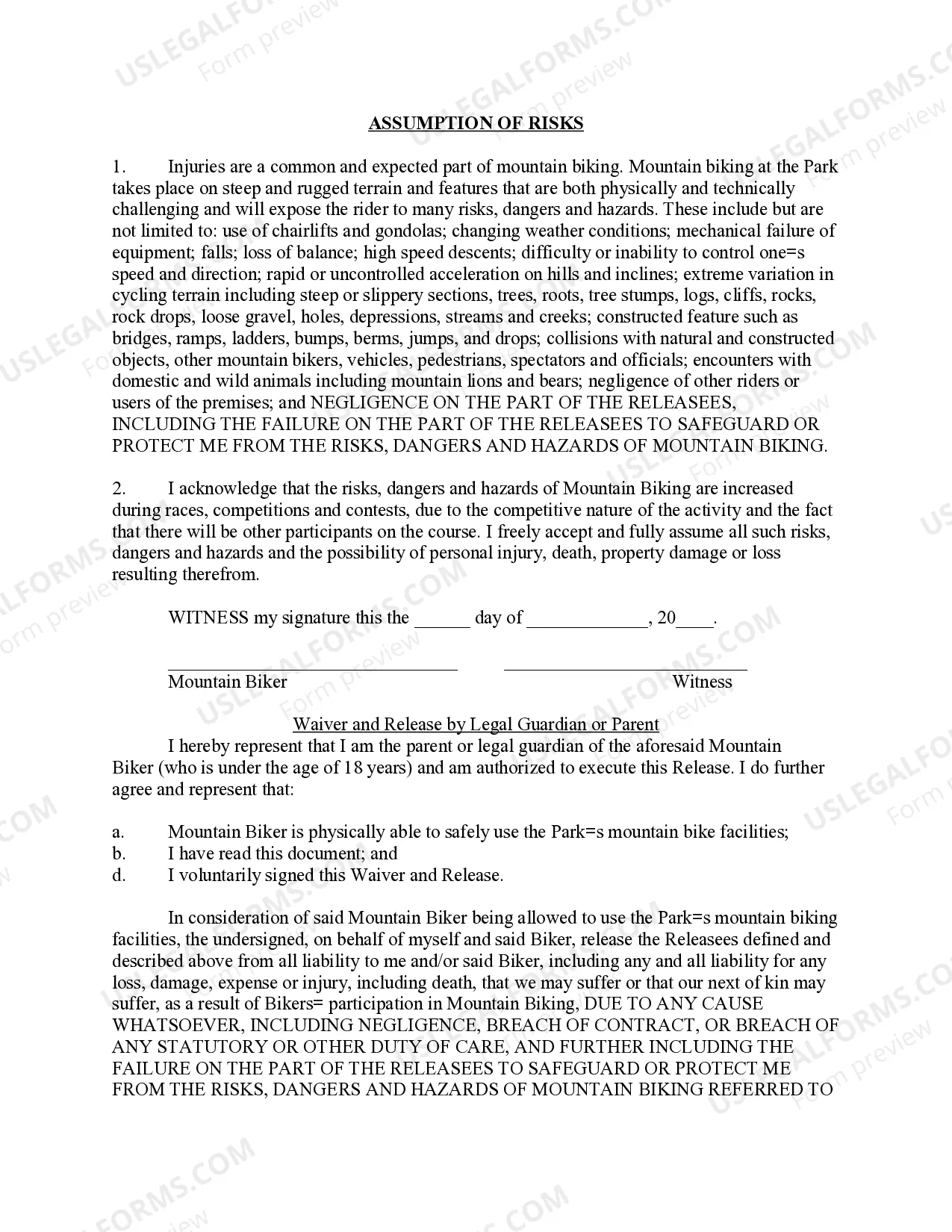
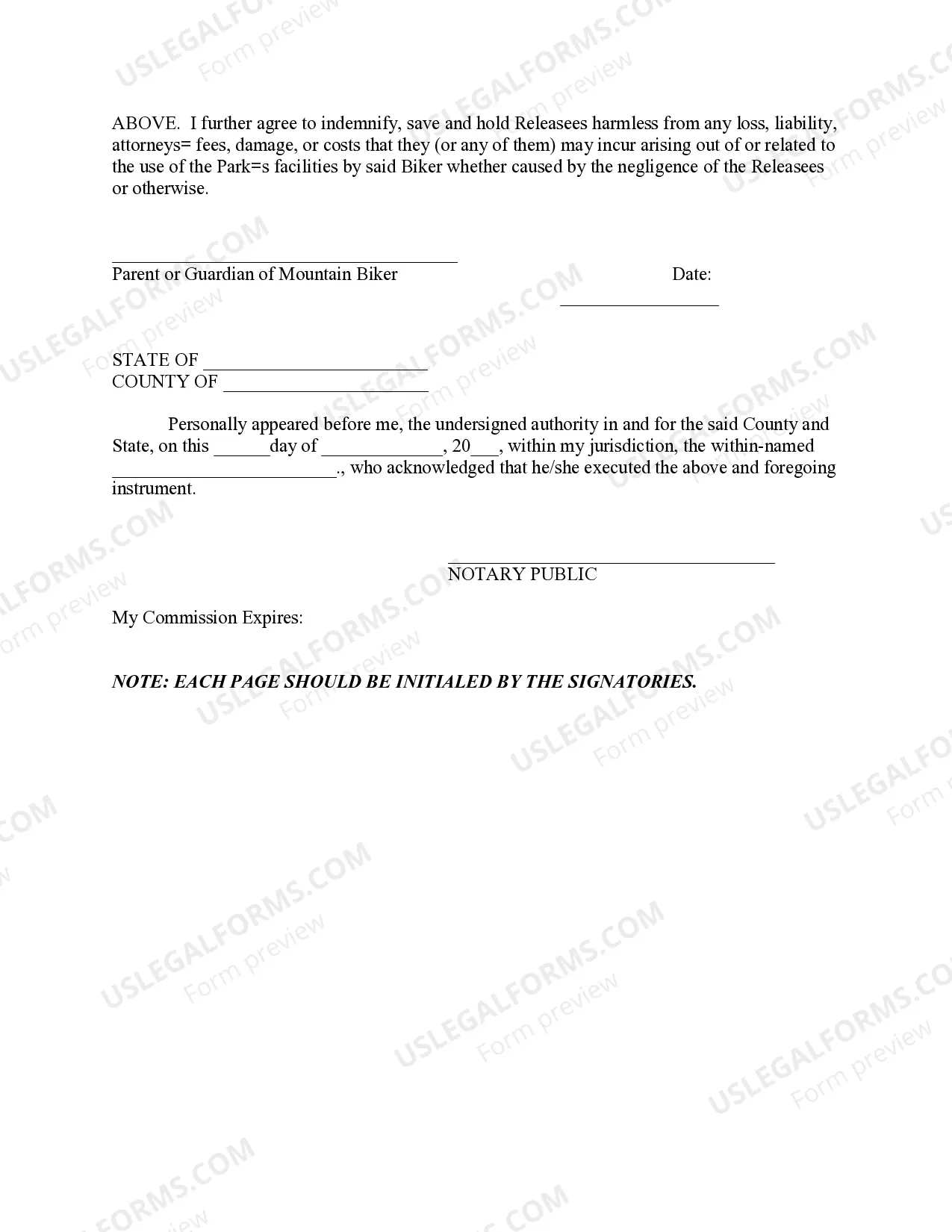
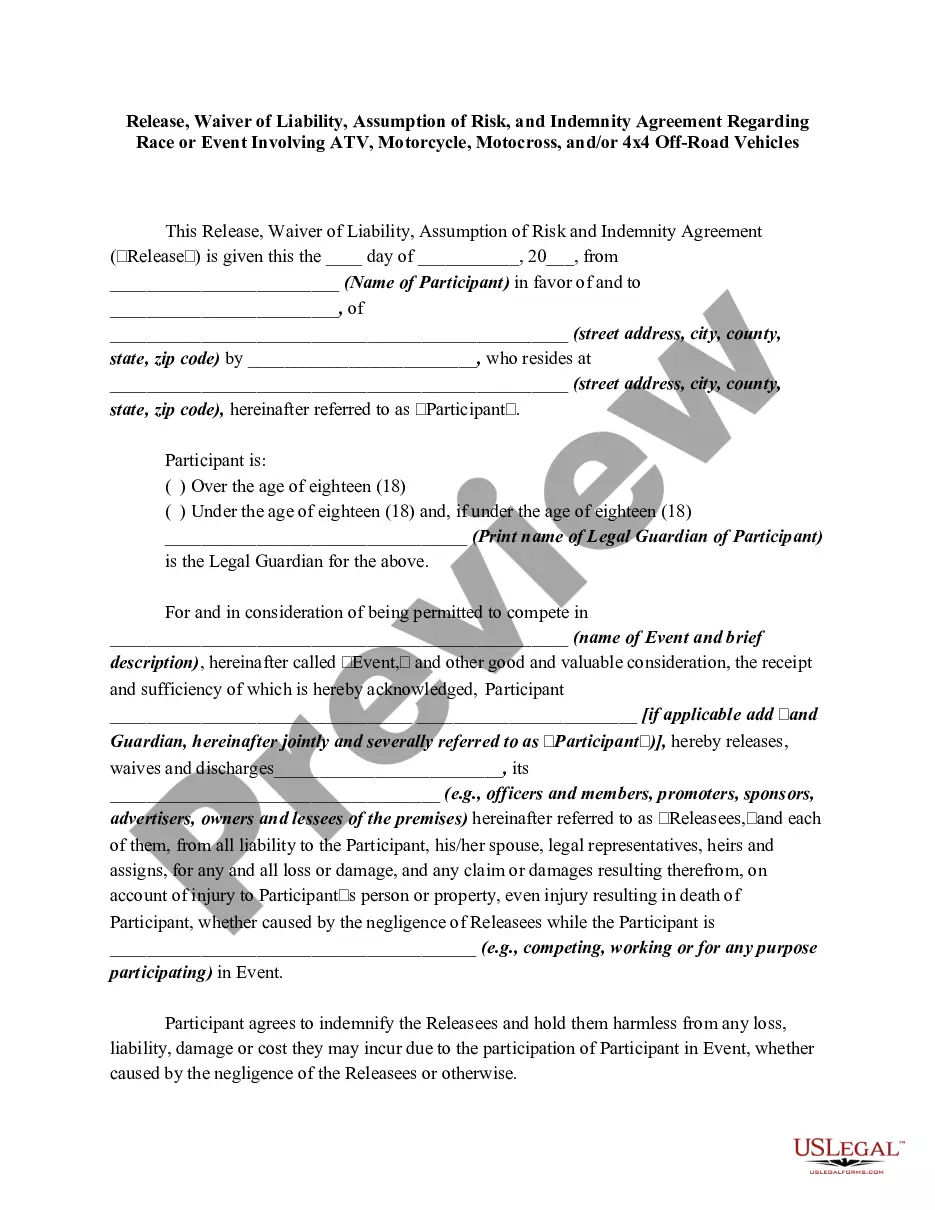
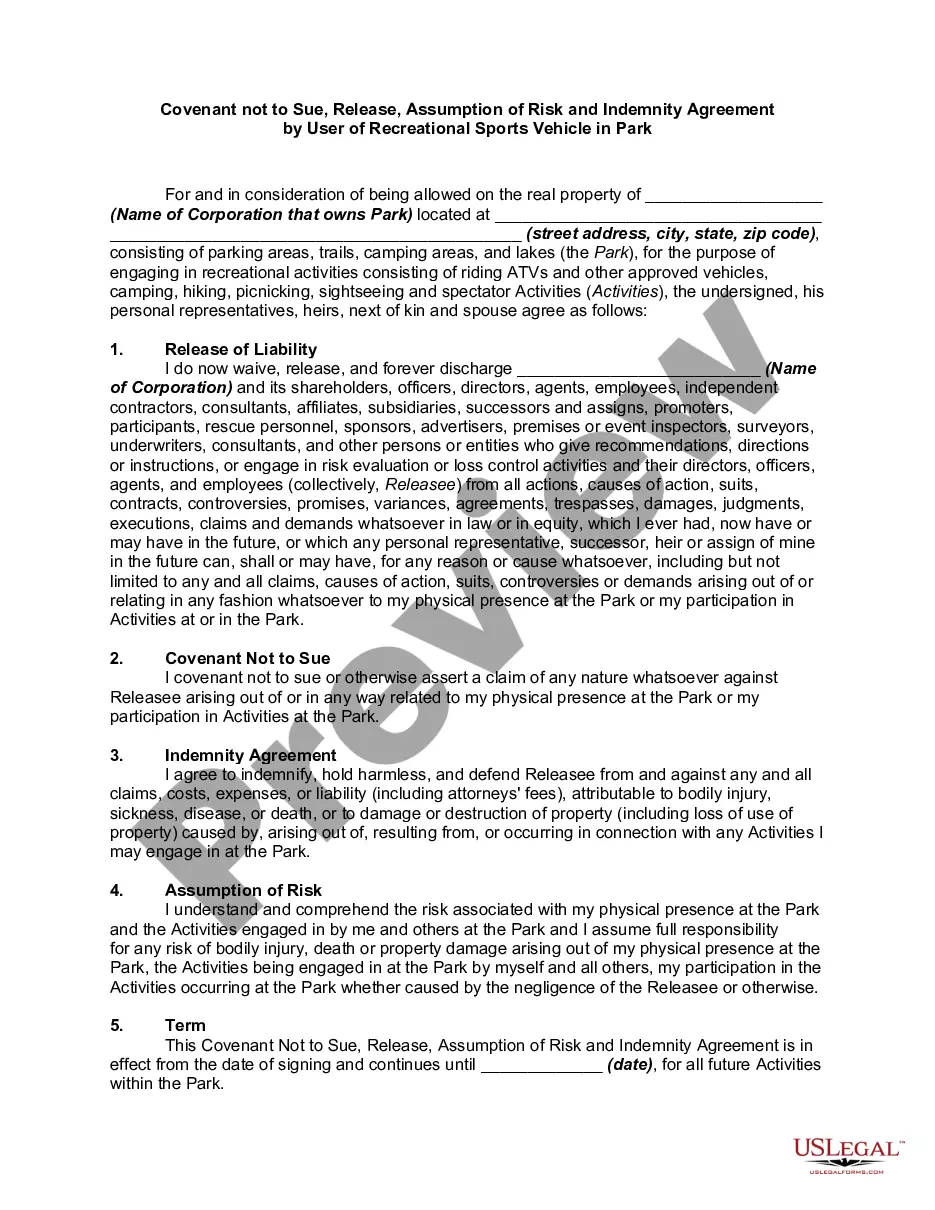
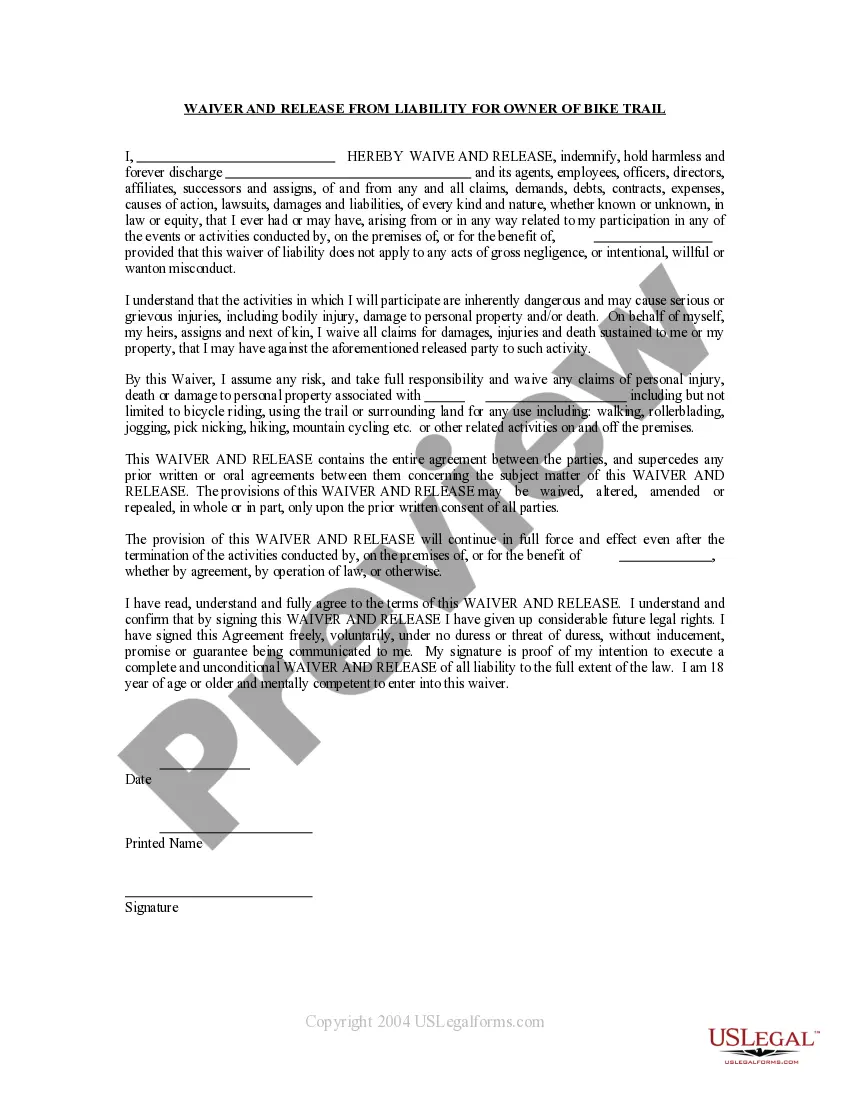
Get your form ready online
Our built-in tools help you complete, sign, share, and store your documents in one place.
Make edits, fill in missing information, and update formatting in US Legal Forms—just like you would in MS Word.
Download a copy, print it, send it by email, or mail it via USPS—whatever works best for your next step.
Sign and collect signatures with our SignNow integration. Send to multiple recipients, set reminders, and more. Go Premium to unlock E-Sign.
If this form requires notarization, complete it online through a secure video call—no need to meet a notary in person or wait for an appointment.
We protect your documents and personal data by following strict security and privacy standards.

Make edits, fill in missing information, and update formatting in US Legal Forms—just like you would in MS Word.

Download a copy, print it, send it by email, or mail it via USPS—whatever works best for your next step.

Sign and collect signatures with our SignNow integration. Send to multiple recipients, set reminders, and more. Go Premium to unlock E-Sign.

If this form requires notarization, complete it online through a secure video call—no need to meet a notary in person or wait for an appointment.

We protect your documents and personal data by following strict security and privacy standards.
Looking for another form?




Form popularity
FAQ
The indemnity clause is a risk-shifting provision that requires the contractor to defend, reimburse, and “hold harmless” the owner and architect from claims and liability “arising out of” the contractor's work.
An indemnity clause is a contractual clause providing that one party is responsible for any losses or damages arising from a certain event or set of circumstances. In effect, the indemnity clause shifts the risk of that event occurring from the indemnified party to the indemnifying party.
It specifically limits the type of indemnity agreements that can be used between parties. In particular, the bill voids indemnity agreements that attempt to transfer risk on the following basis: Agreements which require defense or indemnity obligations for a contractor's “active” negligence or “willful” misconduct.
The intent of California's new anti-indemnity law is to “ensure that every construction business in the state is responsible for losses that it, as a business, may cause.” It applies to most construction contracts, and the parties cannot opt out of these provisions by using a non-California choice of law provision in ...
While generally, indemnity contracts for negligence are enforceable, the strict rule of construction in California is that indemnity for active negligence requires explicit language in the clause that negligence of the indemnitee is to be included.
An agreement to indemnify a person against an act already done, is valid, even though the act was known to be wrongful, unless it was a felony. 2775. An agreement to indemnify against the acts of a certain person, applies not only to his acts and their consequences, but also to those of his agents.
Although the three forms of indemnity were once regarded as distinct, California courts have held that there are only two basic types of indemnity: express indemnity and equitable indemnity.
How to Write an Indemnity Agreement Consider the Indemnity Laws in Your Area. Draft the Indemnification Clause. Outline the Indemnification Period and Scope of Coverage. State the Indemnification Exceptions. Specify How the Indemnitee Notifies the Indemnitor About Claims. Write the Settlement and Consent Clause.
For example, a contract between a general contractor and a subcontractor may include an express indemnification provision whereby the subcontractor agrees to hold harmless the general contractor for all claims arising out of the contract, regardless of who is at fault.
EXAMPLE A: "Party A shall indemnify Party B against all liabilities, costs, expenses, damages and losses (including any direct, indirect or consequential losses, loss of profit, loss of reputation and all interest, penalties and legal and other reasonable professional costs and expenses) suffered or incurred by Party A ...
