Indemnity Claims In Construction In Franklin
Description
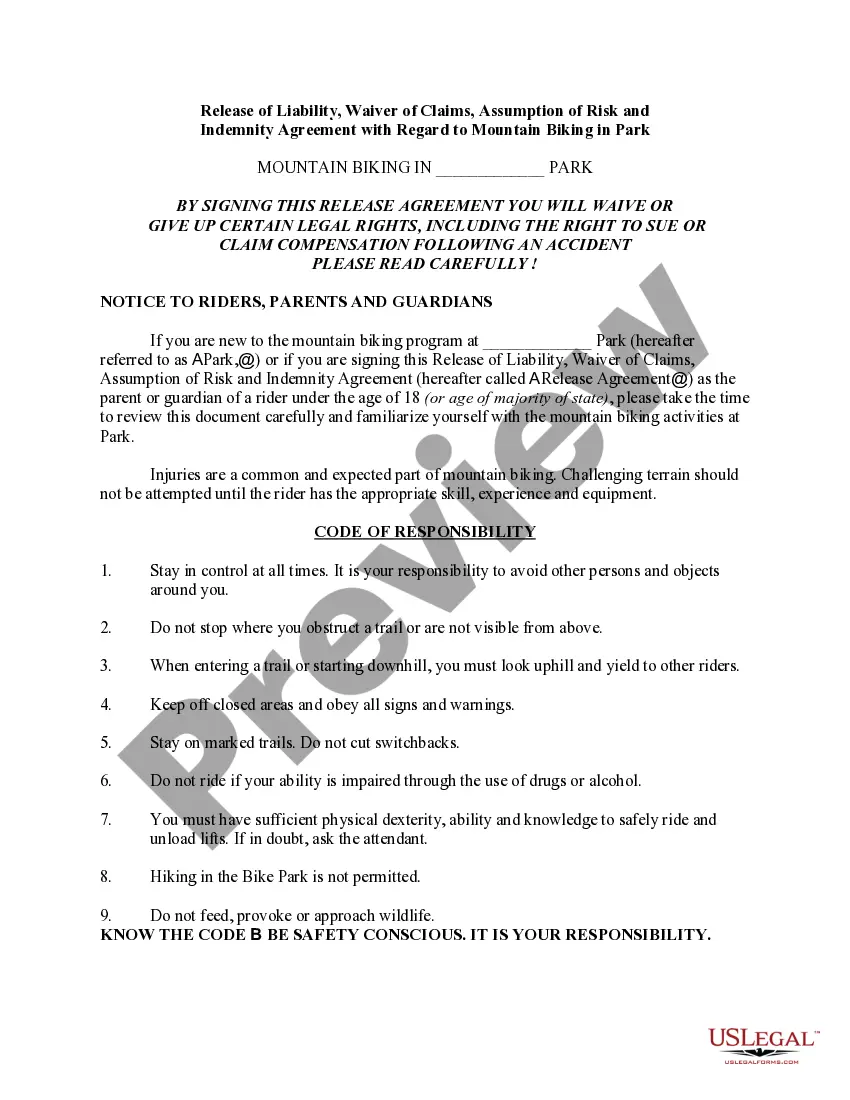
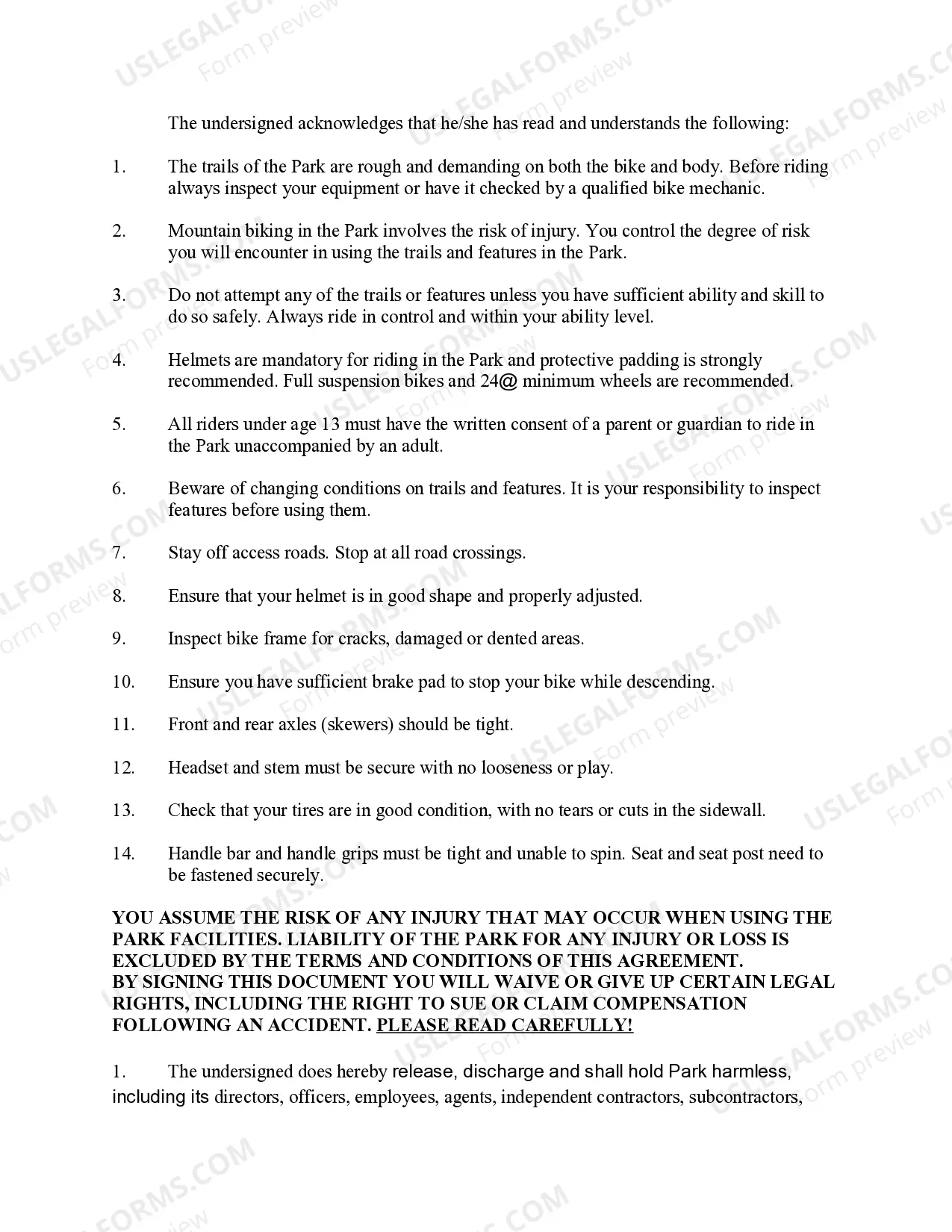
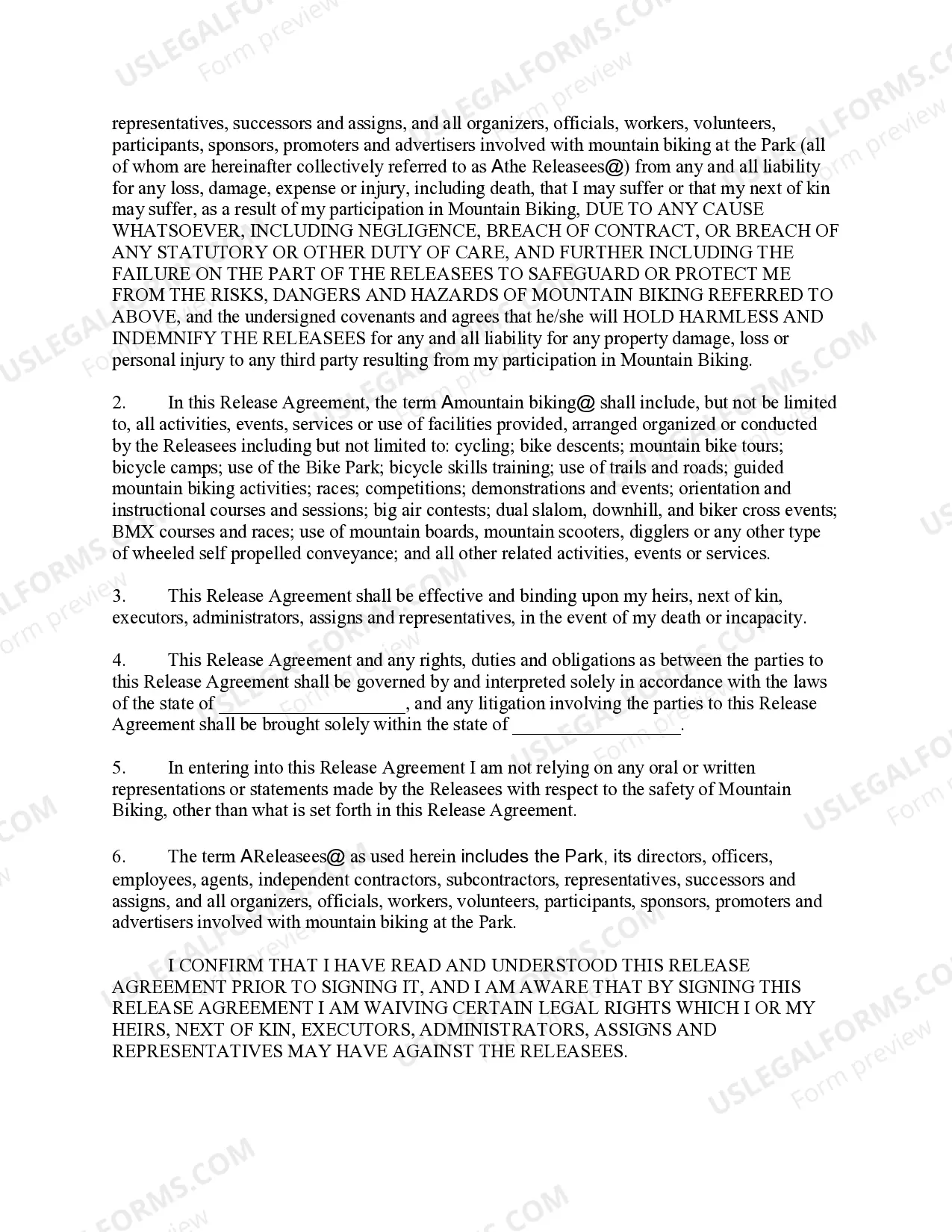
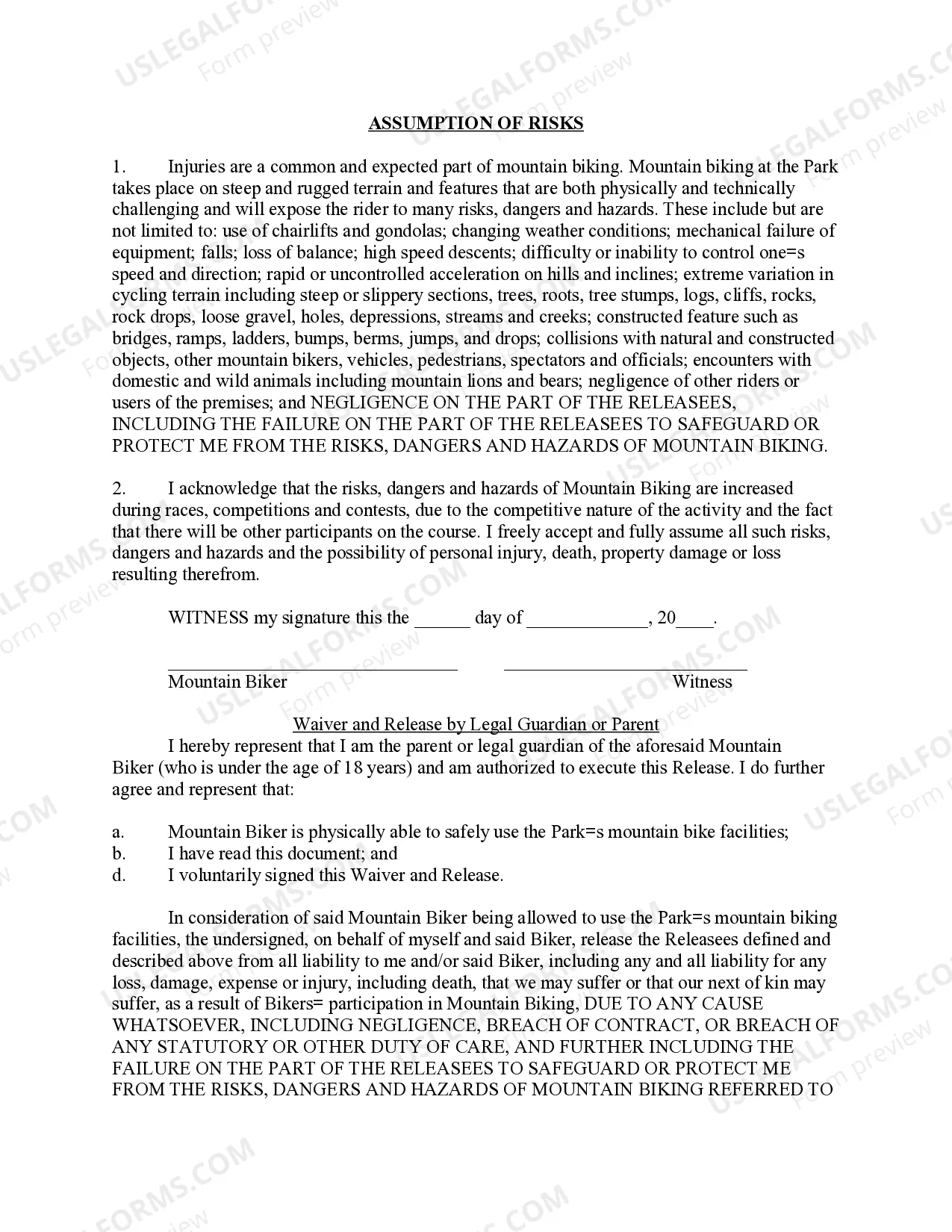
Get your form ready online
Our built-in tools help you complete, sign, share, and store your documents in one place.
Make edits, fill in missing information, and update formatting in US Legal Forms—just like you would in MS Word.
Download a copy, print it, send it by email, or mail it via USPS—whatever works best for your next step.
Sign and collect signatures with our SignNow integration. Send to multiple recipients, set reminders, and more. Go Premium to unlock E-Sign.
If this form requires notarization, complete it online through a secure video call—no need to meet a notary in person or wait for an appointment.
We protect your documents and personal data by following strict security and privacy standards.

Make edits, fill in missing information, and update formatting in US Legal Forms—just like you would in MS Word.

Download a copy, print it, send it by email, or mail it via USPS—whatever works best for your next step.

Sign and collect signatures with our SignNow integration. Send to multiple recipients, set reminders, and more. Go Premium to unlock E-Sign.

If this form requires notarization, complete it online through a secure video call—no need to meet a notary in person or wait for an appointment.

We protect your documents and personal data by following strict security and privacy standards.
Looking for another form?







Form popularity
FAQ
Indemnification, or indemnity, designates one party (the indemnifying party) as being required to compensate the other party (the indemnified party) for certain costs and expenses, typically stemming from third-party damage claims.
Typically, an indemnity period will have a time limit stated within the policy, such as 12, 24, or 36 months.
The purpose of the Limitation on Indemnification (Consequential Damages) clause is to limit an indemnifying party's indemnification obligations by providing that it is not liable for any speculative damages (e.g., lost profits, diminution in value or any special, punitive, exemplary, consequential or indirect damages).
There is no time limit on this, a customer can request this at any time but must raise it for the full amount of the payment. Under the Direct Debit Guarantee, the bank is required to refund the payer.
An indemnity clause provides protection to a specified party of the construction contract against damages and exempts them from liability caused by their own actions. In simple terms, this clause holds one party harmless for the losses of another.
What Is an Indemnification Clause? An indemnification clause is a legally binding agreement between two parties specifying that one party (the indemnifying party) will compensate the other party (the indemnified party) for any losses or damages that may arise from a particular event or circumstance.
It is critical to understand that the limitation period in relation to an indemnity clause starts from the date on which the indemnifier refuses to honour the indemnity. The indemnified party would then have a further 6 years from that date within which to bring legal proceedings to enforce the indemnity.
As per Section 124 of the Indian Contract Act of 1872, an Indemnity bond refers to an agreement between two persons or parties, where one person promises to make payment for the losses and damages of another person caused by his/her conduct or by another party.
How to Write an Indemnity Agreement Consider the Indemnity Laws in Your Area. Draft the Indemnification Clause. Outline the Indemnification Period and Scope of Coverage. State the Indemnification Exceptions. Specify How the Indemnitee Notifies the Indemnitor About Claims. Write the Settlement and Consent Clause.
