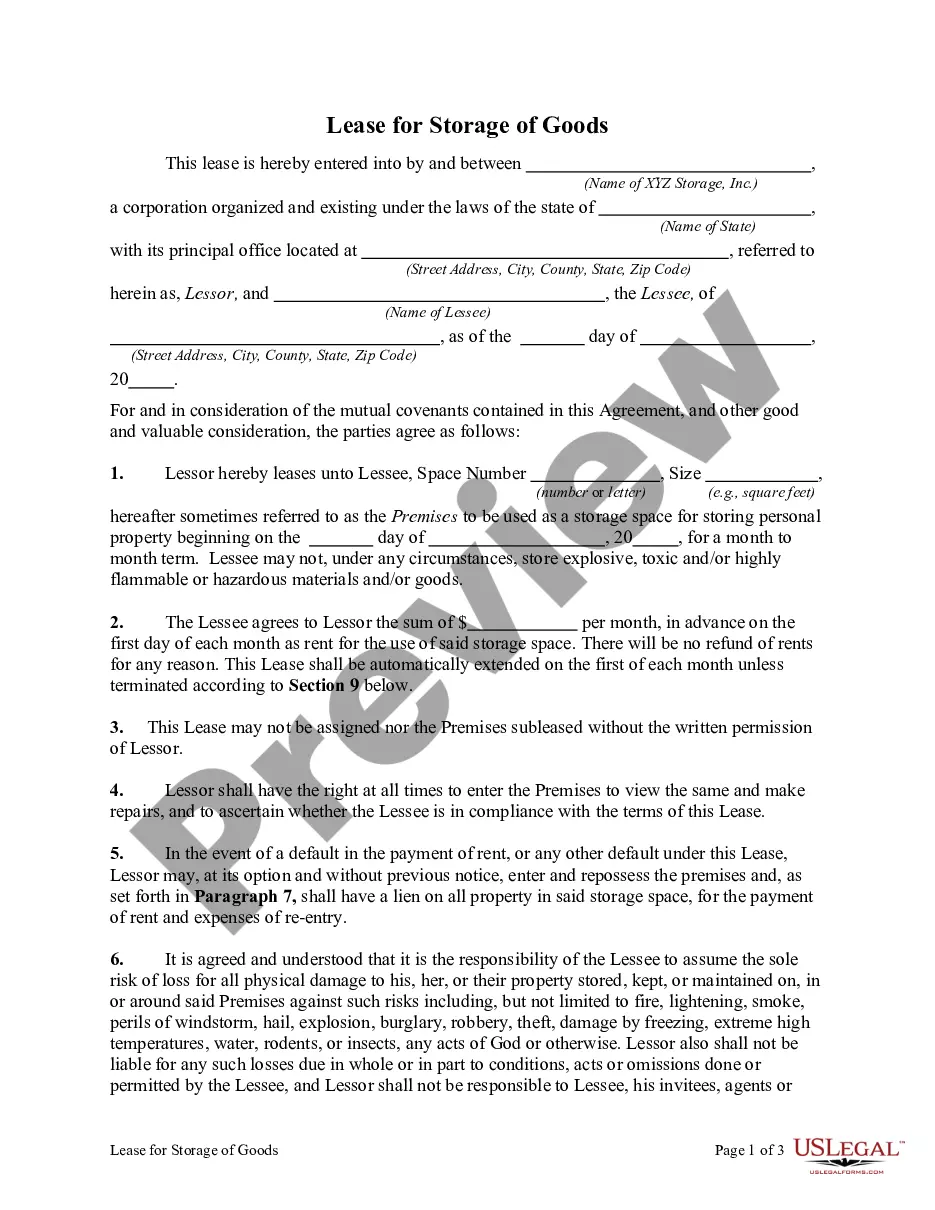
Confidentiality Non Disclosure Agreement Form In Wake
Description

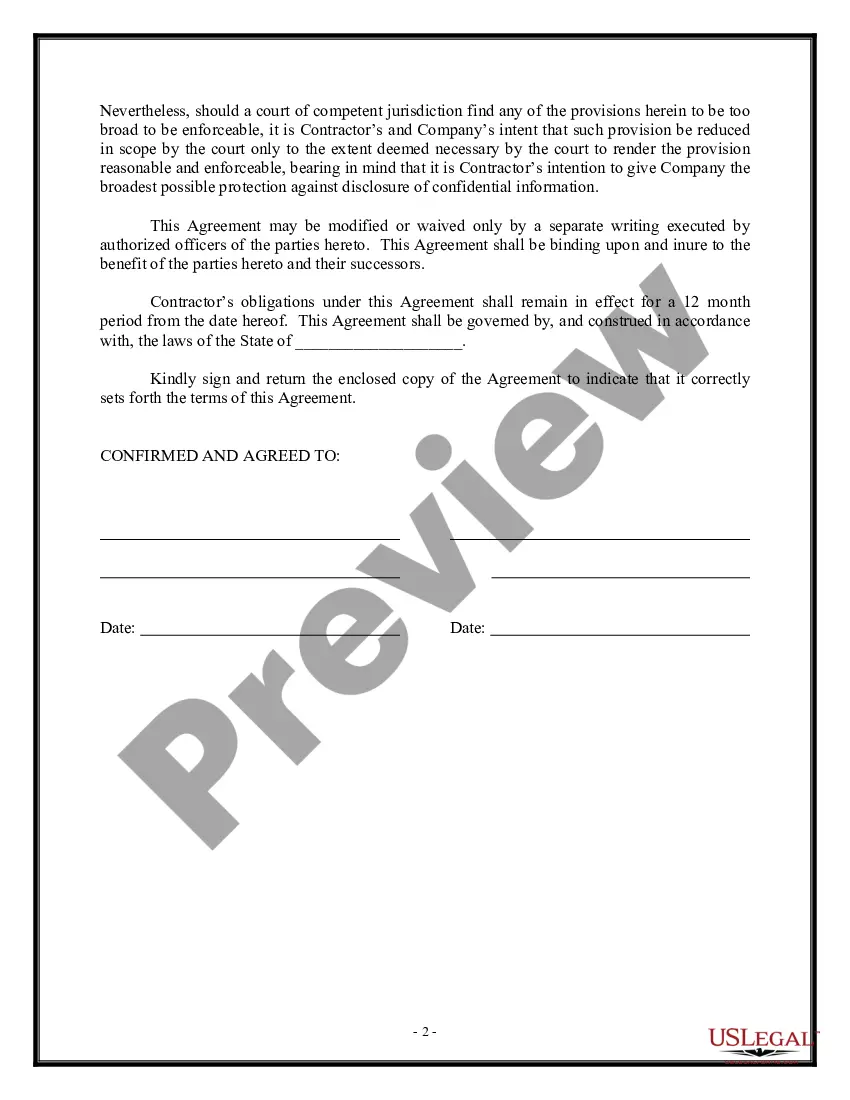
Get your form ready online
Our built-in tools help you complete, sign, share, and store your documents in one place.
Make edits, fill in missing information, and update formatting in US Legal Forms—just like you would in MS Word.
Download a copy, print it, send it by email, or mail it via USPS—whatever works best for your next step.
Sign and collect signatures with our SignNow integration. Send to multiple recipients, set reminders, and more. Go Premium to unlock E-Sign.
If this form requires notarization, complete it online through a secure video call—no need to meet a notary in person or wait for an appointment.
We protect your documents and personal data by following strict security and privacy standards.

Make edits, fill in missing information, and update formatting in US Legal Forms—just like you would in MS Word.

Download a copy, print it, send it by email, or mail it via USPS—whatever works best for your next step.

Sign and collect signatures with our SignNow integration. Send to multiple recipients, set reminders, and more. Go Premium to unlock E-Sign.

If this form requires notarization, complete it online through a secure video call—no need to meet a notary in person or wait for an appointment.

We protect your documents and personal data by following strict security and privacy standards.
Looking for another form?








Form popularity
FAQ
In a unilateral NDA, one party agrees not to reveal confidential information. In a mutual NDA, both sides agree that they will not share confidential information. In all other aspects, these two types of confidentiality agreements are identical, especially when it comes to enforcement and the consequences of a breach.
Whether or not the overall agreement has a definite term, the parties' nondisclosure obligations can be stated to survive for a set period. Survival periods of one to five years are typical. The term often depends on the type of information involved and how quickly the information changes.
To provide you with further inspiration, here are a few examples of confidential email disclaimers: Example 1: This message contains confidential information and is intended solely for the individual named. If you are not the named addressee, you should not disseminate, distribute, or copy this email.
Non-disclosure agreements (NDAs) are legally binding agreements to keep information confidential.
Typically, a legal professional writing the NDA will complete these steps: Step 1 - Describe the scope. Which information is considered confidential? ... Step 2 - Detail party obligations. Step 3 - Note potential exclusions. Step 4 - Set the term. Step 5 - Spell out consequences.
Whereas confidentiality agreements are typically devised in employment or personal situations to protect sensitive information, NDAs are often used in business and legal settings to protect trade secrets, client lists, and financial data.
A confidentiality clause within a business contract can keep confidential information safe by limiting what an employee, contractor, or business partner can say or do with your confidential business information.
Completing the Confidentiality Agreement The "Receiving Party" is the person or company who receives the confidential information and is obligated to keep it secret. You'll need to fill in information specific to your circumstances in the spaces provided, such as the parties' names and addresses.
The following information is confidential: Social Security number. Name. Personal financial information. Family information. Medical information. Credit card numbers, bank account numbers, amount / what donated. Telephone / fax numbers, e-mail, URLs.
Each Party (i)shall maintain the other Party's Confidential Information strictly confidential, (ii)agrees that it will take the same steps to protect the confidentiality of the other Party's Confidential Information as it takes to protect its own Confidential Information, which shall in no event be less than reasonable ...