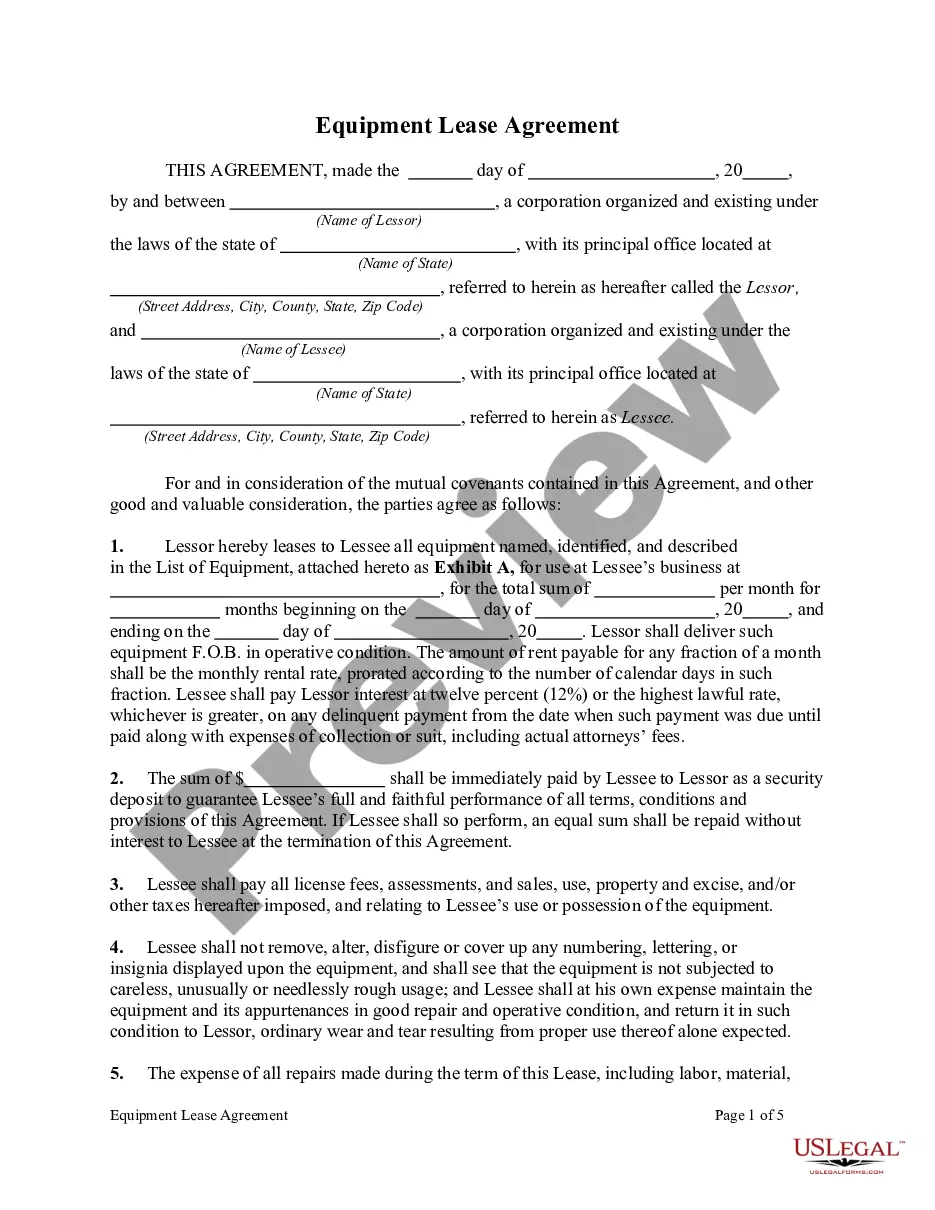
Non-disclosure Confidentiality Agreement For Selling A Business In Pima
Description

Get your form ready online
Our built-in tools help you complete, sign, share, and store your documents in one place.
Make edits, fill in missing information, and update formatting in US Legal Forms—just like you would in MS Word.
Download a copy, print it, send it by email, or mail it via USPS—whatever works best for your next step.
Sign and collect signatures with our SignNow integration. Send to multiple recipients, set reminders, and more. Go Premium to unlock E-Sign.
If this form requires notarization, complete it online through a secure video call—no need to meet a notary in person or wait for an appointment.
We protect your documents and personal data by following strict security and privacy standards.

Make edits, fill in missing information, and update formatting in US Legal Forms—just like you would in MS Word.

Download a copy, print it, send it by email, or mail it via USPS—whatever works best for your next step.

Sign and collect signatures with our SignNow integration. Send to multiple recipients, set reminders, and more. Go Premium to unlock E-Sign.

If this form requires notarization, complete it online through a secure video call—no need to meet a notary in person or wait for an appointment.

We protect your documents and personal data by following strict security and privacy standards.
Looking for another form?








Form popularity
FAQ
Having a potential buyer sign a confidentiality agreement (or 'non-disclosure agreement' NDA) gives you some protection. If they do breach confidentiality you've a better chance of taking legal action and seeking damages with a signed document from them promising not to breach confidentiality.
Creating the NDA The potential buyers agree: That any information provided about the business is confidential. Not to divulge that information to anyone else, including the fact that the business is for sale. To return all business records and data to the business owner after it has been reviewed.
There are three types of NDAs: unilateral, bilateral, and multilateral. Read on to learn when you should use each type.
A prospective home buyer agrees to work with an agent for a period of time, sometimes exclusively, culminating in the payment of a commission by the buyer or seller, as negotiated between the parties. In return, the real estate agent's job is to work solely in your best interests as the client.
Seller-buyer NDAs Sellers can use NDAs to limit the buyer from sharing confidential information that they were exposed to during the sale of goods or services. They usually limit buyers from sharing the following: Business operations, such as the seller's financial and internal information.
You do not need a lawyer to create and sign a non-disclosure agreement. However, if the information you are trying to protect is important enough to warrant an NDA, you may want to have the document reviewed by someone with legal expertise.
You do not need a lawyer to create and sign a non-disclosure agreement. However, if the information you are trying to protect is important enough to warrant an NDA, you may want to have the document reviewed by someone with legal expertise.
All NDAs should include these specific elements: Identification of Parties: Also known as “parties to the agreement”, the purpose of this section is to identify the people and/or entities involved in the non-disclosure contract. It explains who the disclosing party and recipient of are, using names and addresses.
The key elements of Non-Disclosure Agreements: Identification of the parties. Definition of what is deemed to be confidential. The scope of the confidentiality obligation by the receiving party. The exclusions from confidential treatment. The term of the agreement.
Completing the Confidentiality Agreement The "Receiving Party" is the person or company who receives the confidential information and is obligated to keep it secret. You'll need to fill in information specific to your circumstances in the spaces provided, such as the parties' names and addresses.