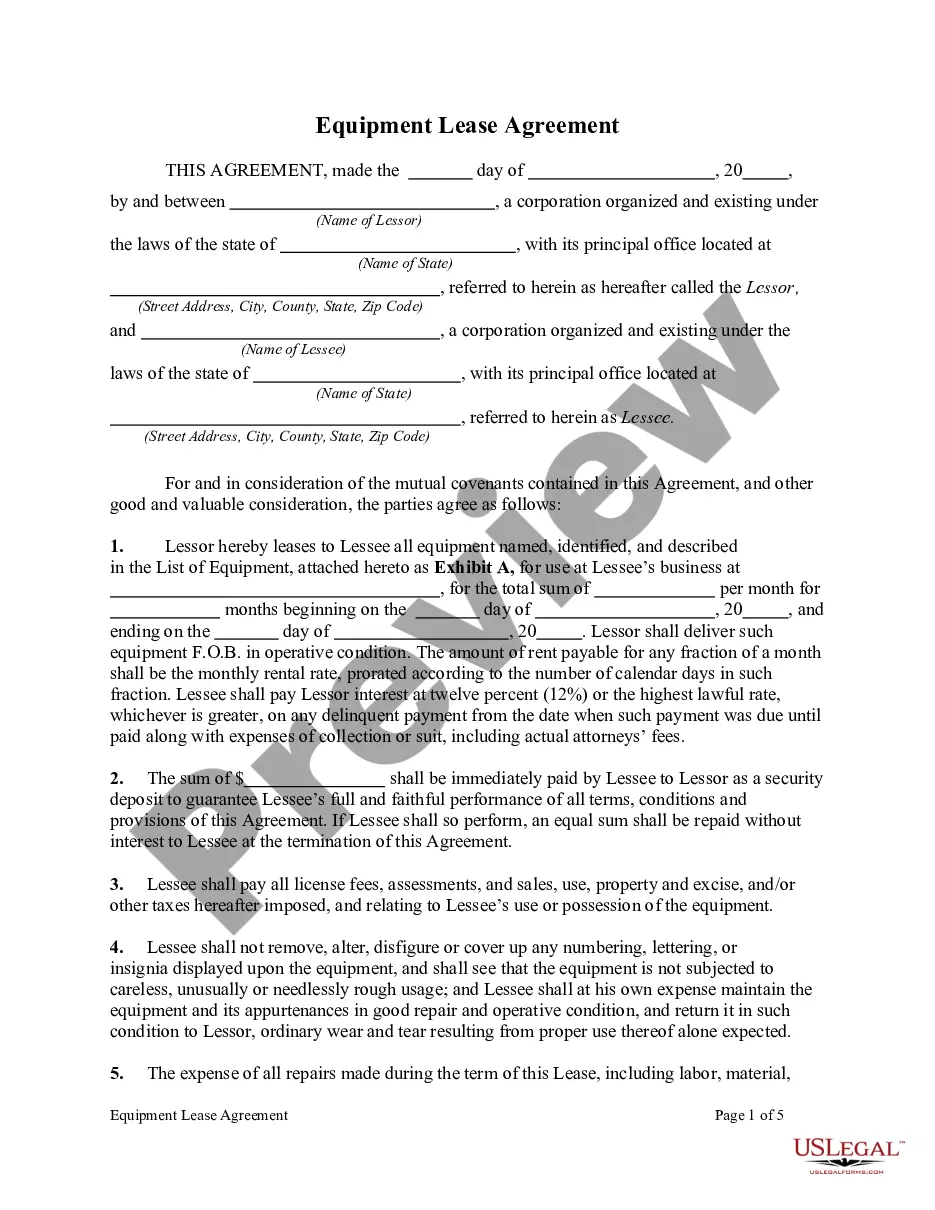
Non Disclosure Confidentiality Agreement For Employees In Fulton
Description

Get your form ready online
Our built-in tools help you complete, sign, share, and store your documents in one place.
Make edits, fill in missing information, and update formatting in US Legal Forms—just like you would in MS Word.
Download a copy, print it, send it by email, or mail it via USPS—whatever works best for your next step.
Sign and collect signatures with our SignNow integration. Send to multiple recipients, set reminders, and more. Go Premium to unlock E-Sign.
If this form requires notarization, complete it online through a secure video call—no need to meet a notary in person or wait for an appointment.
We protect your documents and personal data by following strict security and privacy standards.

Make edits, fill in missing information, and update formatting in US Legal Forms—just like you would in MS Word.

Download a copy, print it, send it by email, or mail it via USPS—whatever works best for your next step.

Sign and collect signatures with our SignNow integration. Send to multiple recipients, set reminders, and more. Go Premium to unlock E-Sign.

If this form requires notarization, complete it online through a secure video call—no need to meet a notary in person or wait for an appointment.

We protect your documents and personal data by following strict security and privacy standards.
Looking for another form?





Form popularity
FAQ
An NDA documents the parties involved in the exchange of confidential information, how to inform the other party what information is confidential, the period in which confidential information will be disclosed, how long information will be kept confidential, and stipulates how that information may be used by the ...
Employee inclusive of his/her direct beneficiaries in business, interest and title in recognition of the transfer of Confidential and Proprietary Information to Company Name hereby agrees not to directly or indirectly compete with the business of Company name and its successors and assigns during the term of the ...
Non-Disclosure Agreement (NDA) issued by HR to all new joiners before joining the organisation or would form a part of the appointment letter. Intellectual property, trademarks, patents, confidential data, personnel information, financial data, etc are treated as confidential data and property of any organisation.
To create a Non-Disclosure Agreement, include the following information: The parties' names and contact information. The length of the non-disclosure period. The scope and definition of the confidential information. The obligations of the Non-Disclosure Agreement. The ownership and return information.
Purpose of NDAs NDAs create a contractual framework for sharing confidential information between a disclosing and a receiving party. They specify the types of information deemed confidential and set restrictions on how this information can be used and shared.
An employer might use a non-disclosure agreement (NDA) to stop an employee or worker sharing information. A non-disclosure agreement can also be known as a 'confidentiality clause'. It's a written agreement and could be: in an employment contract.
NDAs are enforceable once signed, provided they have been drafted and executed properly. Unilateral NDAs need only the signature of the receiving party, whereas mutual non-disclosure agreements need the signatures of both parties.
Therefore, during the term of his employment and after termination thereof, the Employee undertakes not to reproduce, publish, use, disclose, show or otherwise communicate to any person or entity any of the Employer's confidential information, unless the Employer expressly permits or instructs him to do so.
A confidentiality agreement should include the names and addresses of the parties to the contract. Consider also including: Reason for the agreement: Explain why you're sharing this information. The information disclosed: Be specific about the subject matter and what exactly is included in the agreement.
I agree that: a) I shall not share this information, material or documents (information) with persons within or outside of the ________ who are not authorized to have this information. b) I shall not publish such information. c) I shall not communicate such information without authority.