Nda Confidentiality Agreement Template In Florida
Description

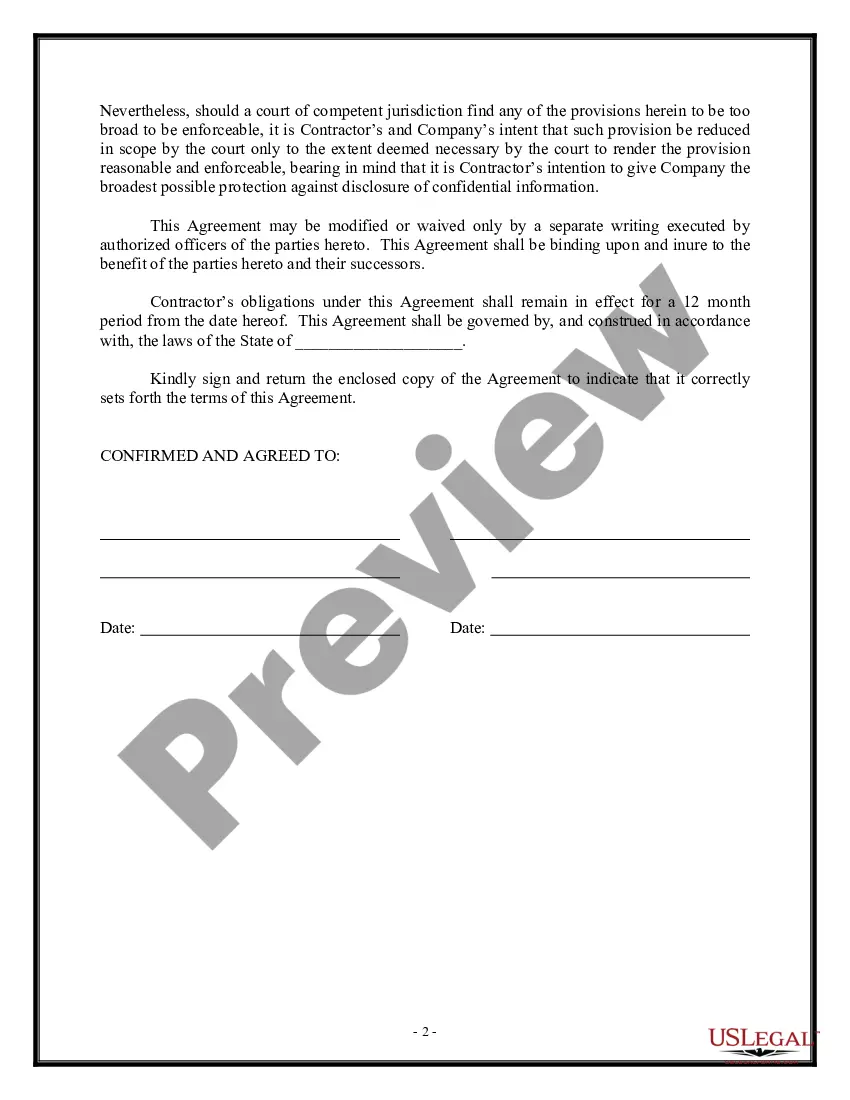
Get your form ready online
Our built-in tools help you complete, sign, share, and store your documents in one place.
Make edits, fill in missing information, and update formatting in US Legal Forms—just like you would in MS Word.
Download a copy, print it, send it by email, or mail it via USPS—whatever works best for your next step.
Sign and collect signatures with our SignNow integration. Send to multiple recipients, set reminders, and more. Go Premium to unlock E-Sign.
If this form requires notarization, complete it online through a secure video call—no need to meet a notary in person or wait for an appointment.
We protect your documents and personal data by following strict security and privacy standards.

Make edits, fill in missing information, and update formatting in US Legal Forms—just like you would in MS Word.

Download a copy, print it, send it by email, or mail it via USPS—whatever works best for your next step.

Sign and collect signatures with our SignNow integration. Send to multiple recipients, set reminders, and more. Go Premium to unlock E-Sign.

If this form requires notarization, complete it online through a secure video call—no need to meet a notary in person or wait for an appointment.

We protect your documents and personal data by following strict security and privacy standards.
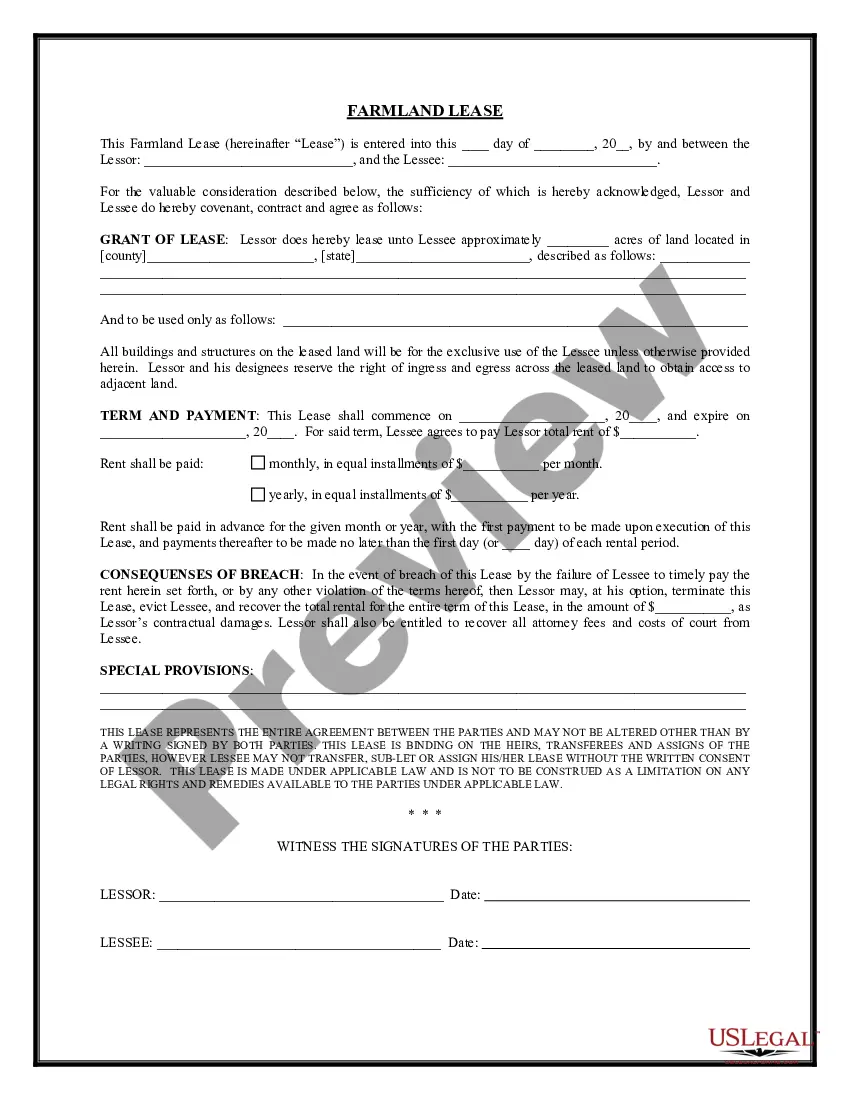
Looking for another form?








Form popularity
FAQ
You do not need a lawyer to create and sign a non-disclosure agreement. However, if the information you are trying to protect is important enough to warrant an NDA, you may want to have the document reviewed by someone with legal expertise.
Indeed, the potential client may well get you to sign an NDA yourself, to protect any business secrets they indulge during your pitch. So by presenting them with an NDA of your own, and making a strong case for them to sign it, you're actually conveying your seriousness and raising your authority overall.
To create a Non-Disclosure Agreement, include the following information: The parties' names and contact information. The length of the non-disclosure period. The scope and definition of the confidential information. The obligations of the Non-Disclosure Agreement. The ownership and return information.
At the top, there are three types, unilateral, bilateral, and multilateral NDAs. The rest of the specific NDA types fall under these three categories. Most are based on who has to sign the NDA. Not all NDAs are created equally, and they can only demand so much secrecy from strangers when compared to their employees.
By law, a nondisclosure contract must be reasonable and necessary for protecting a legitimate business interest. It must also be limited in scope and duration, in terms of timing, geography, and other relevant factors. While not required, you should put any confidentiality agreement in writing.
Whereas confidentiality agreements are typically devised in employment or personal situations to protect sensitive information, NDAs are often used in business and legal settings to protect trade secrets, client lists, and financial data.
Both parties must enter into the NDA voluntarily and with a clear understanding of its terms. If there was coercion or deception involved, the agreement may not be valid.
If both parties under the NDA were signing as sole proprietors, you have to ensure that both your full names are stated clearly. If you wanted to ensure that there would be no doubt about who the parties were, then you could add identification information such as addresses or social security numbers.
Can you write your own NDA? Yes, but it is easier to start with a template to help structure the document. This is a legally binding document which is enforceable in court if breached.
NDAs are enforceable when they are signed — if they are properly drafted and executed. NDAs are enforceable once signed, provided they have been drafted and executed properly. Unilateral NDAs need only the signature of the receiving party, whereas mutual non-disclosure agreements need the signatures of both parties.
