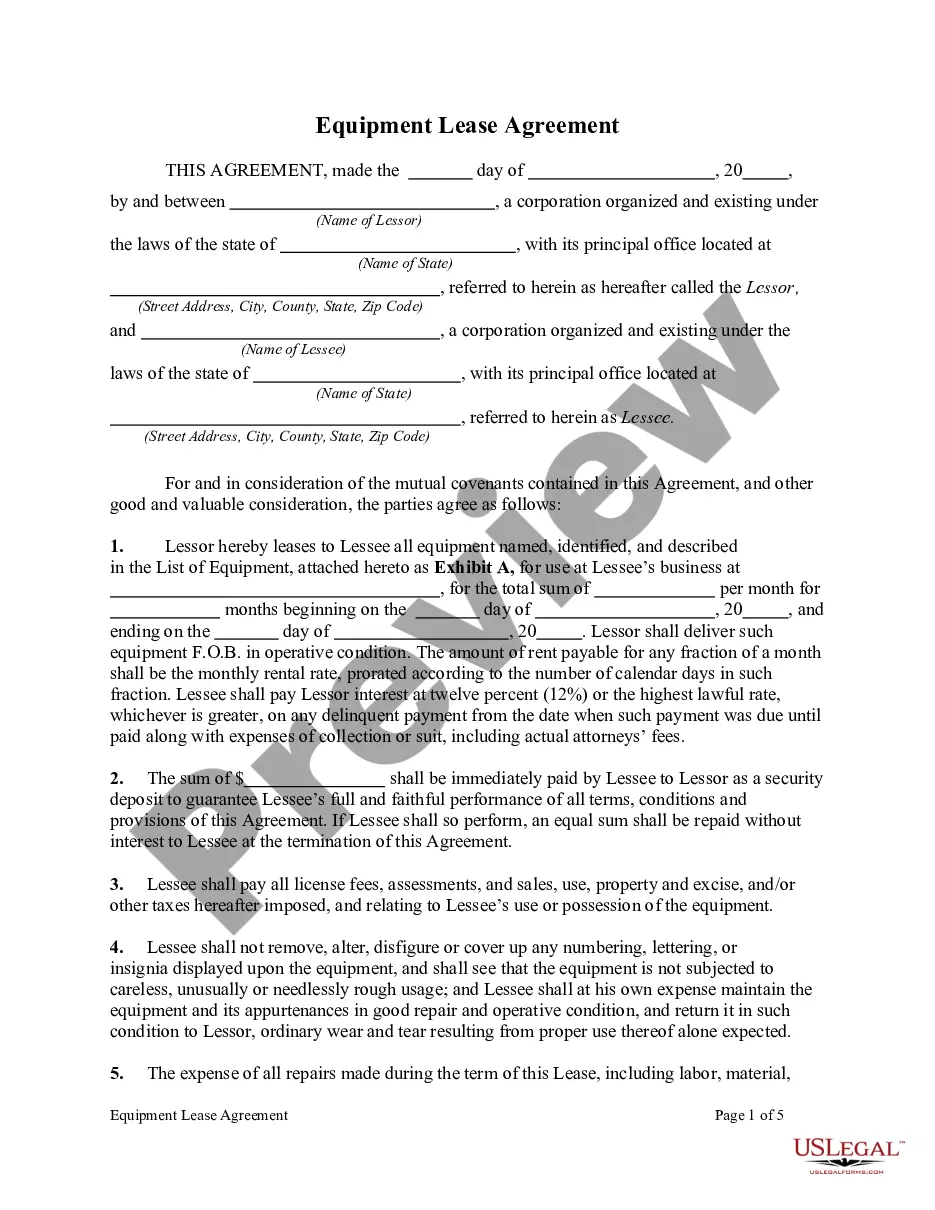
Non-disclosure Confidentiality Agreement For Selling A Business In Collin
Description

Get your form ready online
Our built-in tools help you complete, sign, share, and store your documents in one place.
Make edits, fill in missing information, and update formatting in US Legal Forms—just like you would in MS Word.
Download a copy, print it, send it by email, or mail it via USPS—whatever works best for your next step.
Sign and collect signatures with our SignNow integration. Send to multiple recipients, set reminders, and more. Go Premium to unlock E-Sign.
If this form requires notarization, complete it online through a secure video call—no need to meet a notary in person or wait for an appointment.
We protect your documents and personal data by following strict security and privacy standards.

Make edits, fill in missing information, and update formatting in US Legal Forms—just like you would in MS Word.

Download a copy, print it, send it by email, or mail it via USPS—whatever works best for your next step.

Sign and collect signatures with our SignNow integration. Send to multiple recipients, set reminders, and more. Go Premium to unlock E-Sign.

If this form requires notarization, complete it online through a secure video call—no need to meet a notary in person or wait for an appointment.

We protect your documents and personal data by following strict security and privacy standards.
Looking for another form?







Form popularity
FAQ
A potential buyer of the business signs the NDA to promise that once received, they will not disclose any confidential or proprietary information concerning the business's financials and/or operations. Furthermore, buyers agree not to disclose the fact that the business is for sale to anyone else.
An NDA serves as an agreement between the seller and the buyer, outlining the terms and conditions for sharing information. The NDA will establish the terms of the agreement and clearly specify what is considered 'confidential information'.
You do not need a lawyer to create and sign a non-disclosure agreement. However, if the information you are trying to protect is important enough to warrant an NDA, you may want to have the document reviewed by someone with legal expertise.
NDAs, or non-disclosure agreements, are legally enforceable contracts that create a confidential relationship between a person who has sensitive information and a person who will gain access to that information. A confidential relationship means one or both parties has a duty not to share that information.
Canada's laws limiting NDAs Bill No. 118, or the Non-disclosure Agreements Act, was passed by PEI on November 16, 2021, and received royal assent on November 17, 2021. It came into force on . This recent law restricts the use of NDAs in a settlement agreement in cases of harassment or sexual misconduct.
There are three types of NDAs: unilateral, bilateral, and multilateral. Read on to learn when you should use each type. You'll also learn how to use a contract management tool like Ironclad to draft and manage them.
Often referred to as a confidentiality agreement (CA), the NDA is the first document signed in a transaction. In addition to protecting your business information, having an NDA sets the tone for the negotiation and signals to buyers that you're well-represented.
If a phone call does not resolve remaining issues, the NDA will likely take more than 30 days, and up to several months, to complete. During negotiations, PIs are notified if questions or issues arise. Once the NDA is final, the document is routed for signatures.
5 Tips For Keeping Your Business Sale Confidential Don't mention the name of the business in the listing. Work with a Business Advisor. Qualify prospective buyers. Use a confidentiality agreement. Knowing when and how much, information to provide.
Completing the Confidentiality Agreement The "Receiving Party" is the person or company who receives the confidential information and is obligated to keep it secret. You'll need to fill in information specific to your circumstances in the spaces provided, such as the parties' names and addresses.