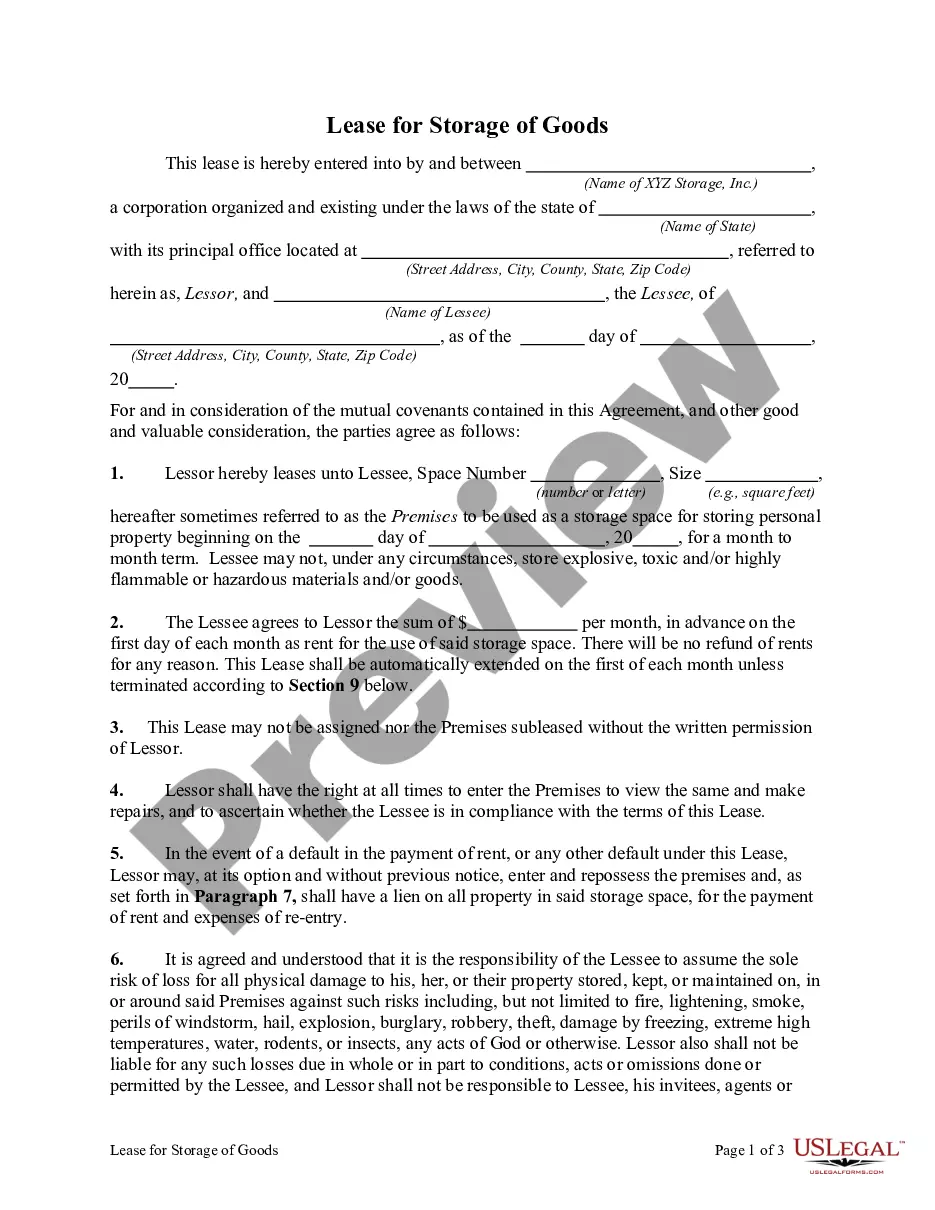
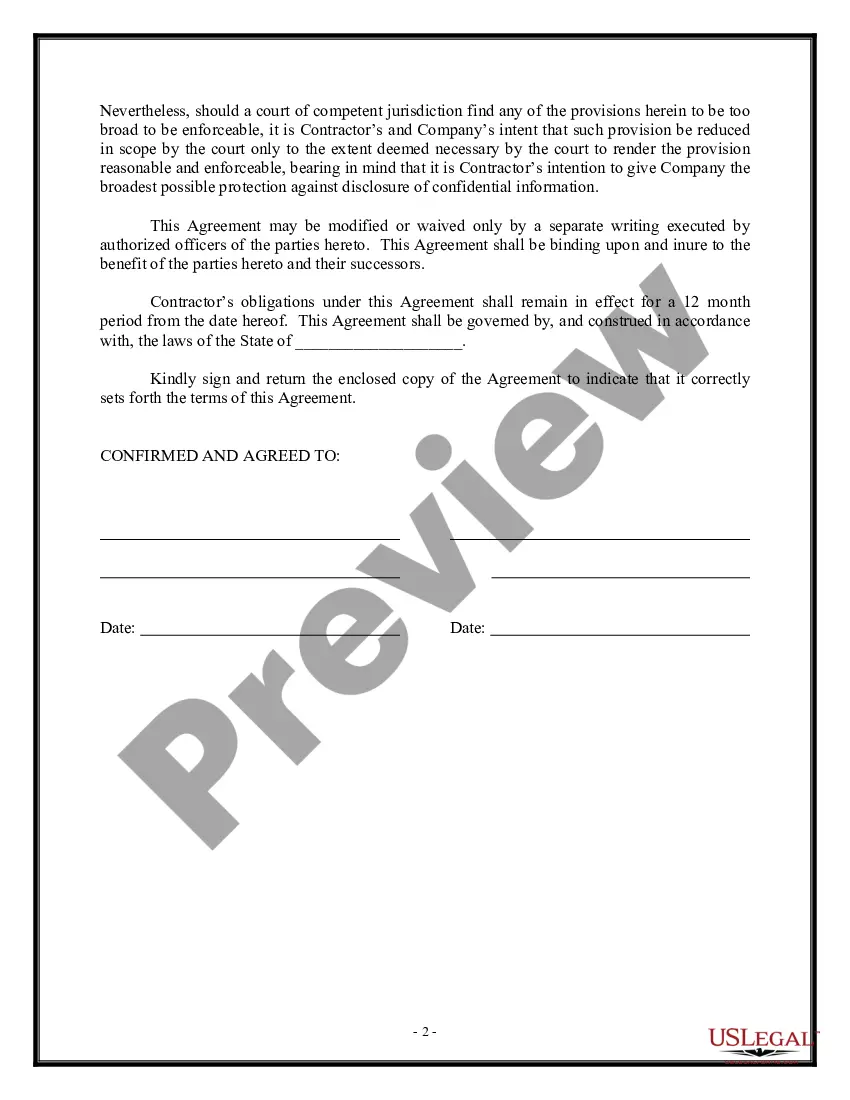
Confidentiality Non Disclosure Agreement Form In Collin
Description

Get your form ready online
Our built-in tools help you complete, sign, share, and store your documents in one place.
Make edits, fill in missing information, and update formatting in US Legal Forms—just like you would in MS Word.
Download a copy, print it, send it by email, or mail it via USPS—whatever works best for your next step.
Sign and collect signatures with our SignNow integration. Send to multiple recipients, set reminders, and more. Go Premium to unlock E-Sign.
If this form requires notarization, complete it online through a secure video call—no need to meet a notary in person or wait for an appointment.
We protect your documents and personal data by following strict security and privacy standards.

Make edits, fill in missing information, and update formatting in US Legal Forms—just like you would in MS Word.

Download a copy, print it, send it by email, or mail it via USPS—whatever works best for your next step.

Sign and collect signatures with our SignNow integration. Send to multiple recipients, set reminders, and more. Go Premium to unlock E-Sign.

If this form requires notarization, complete it online through a secure video call—no need to meet a notary in person or wait for an appointment.

We protect your documents and personal data by following strict security and privacy standards.
Looking for another form?










Form popularity
FAQ
As mentioned above, an order of nondisclosure directs entities holding information about a certain offense on your criminal record to not release that information.
Texas is a non-disclosure state because no law exists that requires disclosure as is the case in other states. Zillow and a lot of other sites attempt to provide you a “value.” The fact of the matter is that none of them have access to sold data. Only Realtors and Appraisers have access.
An affidavit of non-prosecution is a sworn, notarized statement from a victim requesting that charges against a defendant be dismissed. An affidavit of non-prosecution is a legal statement where the victim or witness of a crime formally declares they don't want to press charges against the accused.
To create an NDA simply and quickly, use a pre-existing non-disclosure agreement template like the pre-approved templates from . You should simply: Log in to and choose the NDA Template. Edit the template to include a description of the confidential information and the scope of the agreement.
Explain the Context: Start by explaining why you need the NDA. Be clear about the sensitive information involved and why it's important to keep it confidential. Be Honest and Transparent: Share your reasons for needing an NDA. Emphasize that it's not about distrust but about protecting both parties' interests.
Completing the Confidentiality Agreement The "Receiving Party" is the person or company who receives the confidential information and is obligated to keep it secret. You'll need to fill in information specific to your circumstances in the spaces provided, such as the parties' names and addresses.
Only people who have been granted deferred adjudication can file an order of nondisclosure. An expunction order is reserved for those who were wrongfully convicted, arrested, indicted or had no final conviction. You cannot pursue an expunction if you were court-ordered to community supervision or deferred adjudication.
What is the difference between a DPA and a NDA? A DPA (Data Processing Agreement) outlines terms for data processing, focusing on ensuring data protection and privacy compliance. An NDA (Non-Disclosure Agreement) is a contract where parties agree not to disclose confidential information they've shared with each other.
Confidentiality Agreement is used when more secrecy is required. Non-disclosure implies you must not disclose personal or private information. However, keeping confidential implies you should be more proactive in making sure information is kept secret.