Reason To Apply For A Firearm In Contra Costa
Description
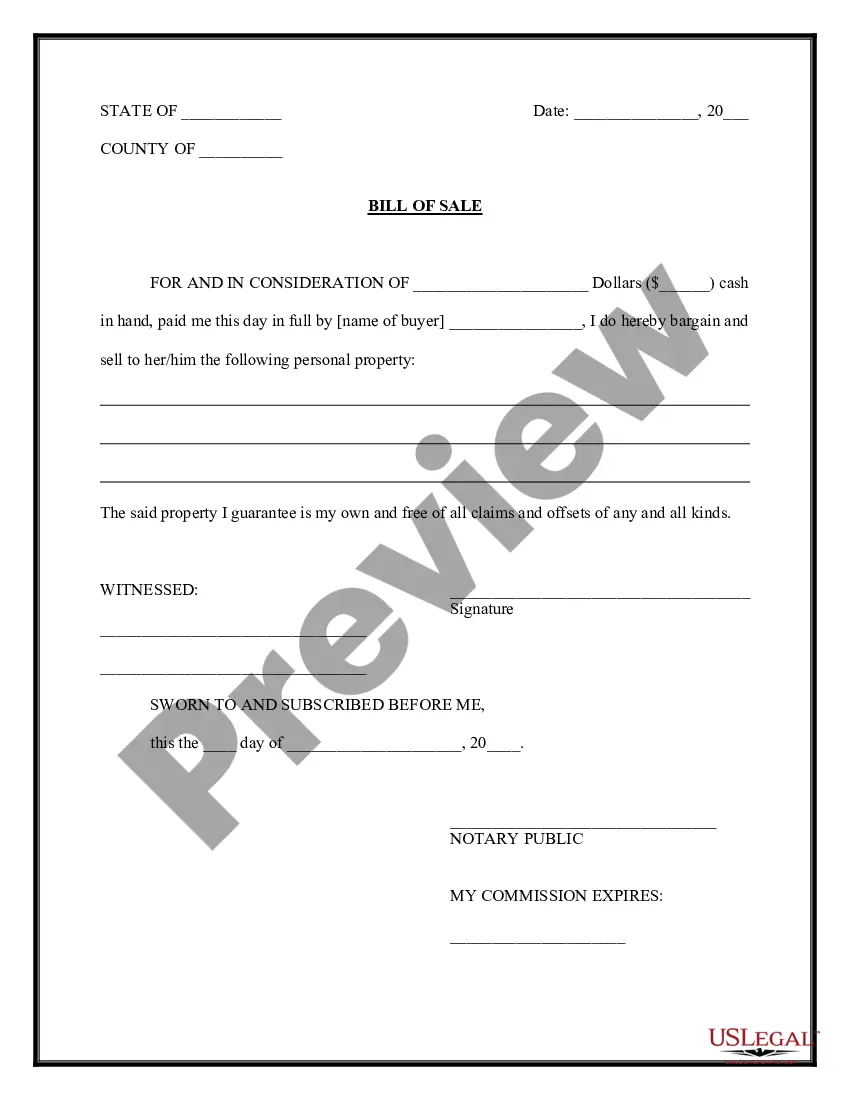
Get your form ready online
Our built-in tools help you complete, sign, share, and store your documents in one place.
Make edits, fill in missing information, and update formatting in US Legal Forms—just like you would in MS Word.
Download a copy, print it, send it by email, or mail it via USPS—whatever works best for your next step.
Sign and collect signatures with our SignNow integration. Send to multiple recipients, set reminders, and more. Go Premium to unlock E-Sign.
If this form requires notarization, complete it online through a secure video call—no need to meet a notary in person or wait for an appointment.
We protect your documents and personal data by following strict security and privacy standards.

Make edits, fill in missing information, and update formatting in US Legal Forms—just like you would in MS Word.

Download a copy, print it, send it by email, or mail it via USPS—whatever works best for your next step.

Sign and collect signatures with our SignNow integration. Send to multiple recipients, set reminders, and more. Go Premium to unlock E-Sign.

If this form requires notarization, complete it online through a secure video call—no need to meet a notary in person or wait for an appointment.

We protect your documents and personal data by following strict security and privacy standards.
Looking for another form?




Form popularity
FAQ
Concealed carry, or carrying a concealed weapon (CCW), is the practice of carrying a weapon (such as a handgun) in public in a concealed manner, either on one's person or in close proximity. CCW is often practiced as a means of self-defense.
California's Concealed Carry Laws The law allows individuals with a concealed carry weapon (CCW) permit to carry their firearms. In California, it is illegal to have a loaded or unloaded gun openly. A CCW permit allows ordinary citizens to carry guns legally in public.
You must possess a concealed firearm to face criminal charges for carrying one. But whether the weapon is in what you hold or on your person does not matter. If a firearm is in a pocket of your clothing, a bag, briefcase, backpack, or anything you could be carrying, it is on your person.
Obtaining a CCW License includes completion of the following steps: submittal of the California Department of Justice application, a background check, Live Scan (electronic fingerprinting), in-person interview, training, range qualification, and the collection of license fees.
``California Penal Code section 25610, a United States citizen over 18 years of age who is not prohibited from firearm possession, and who resides or is temporarily in California, may transport by motor vehicle any handgun provided it is unloaded and locked in the vehicle's trunk or in a locked container.
Your personal safety: If you have a history of being a victim of crime or if you live in an area with a high crime rate, then you may be more likely to benefit from having a CCW permit. Your training: If you have received training in the use of firearms, then you may be more likely to be approved for a CCW permit.
A U.S. citizen or legal resident over age 18 may generally carry a handgun anywhere within his or her place of residence, place of business, or on private property owned or lawfully possessed by the citizen or legal resident. A permit or license is not required for a person to carry within these locations.
Some states allow an applicant to complete an application online, while others require an in-person visit to the office of the respective issuing authority. There are even states that require the applicant provide a list of non-related character references.
You will need to bring in: Proof of California residency. Your CCW training certificate. Identification, such as a driver's license, state ID, or valid US passport. Up to three firearms you would like to be included with your license.

