Non Disclosure Agreement With Individual In Wayne
Description

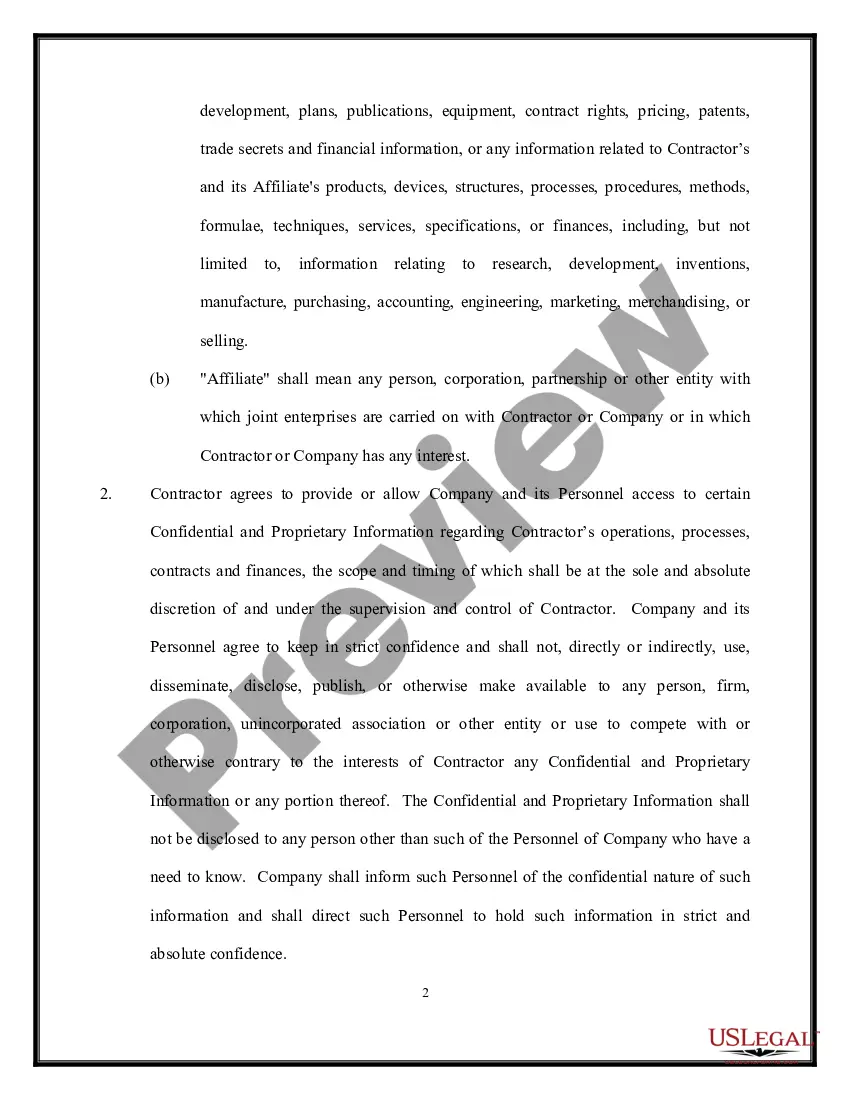
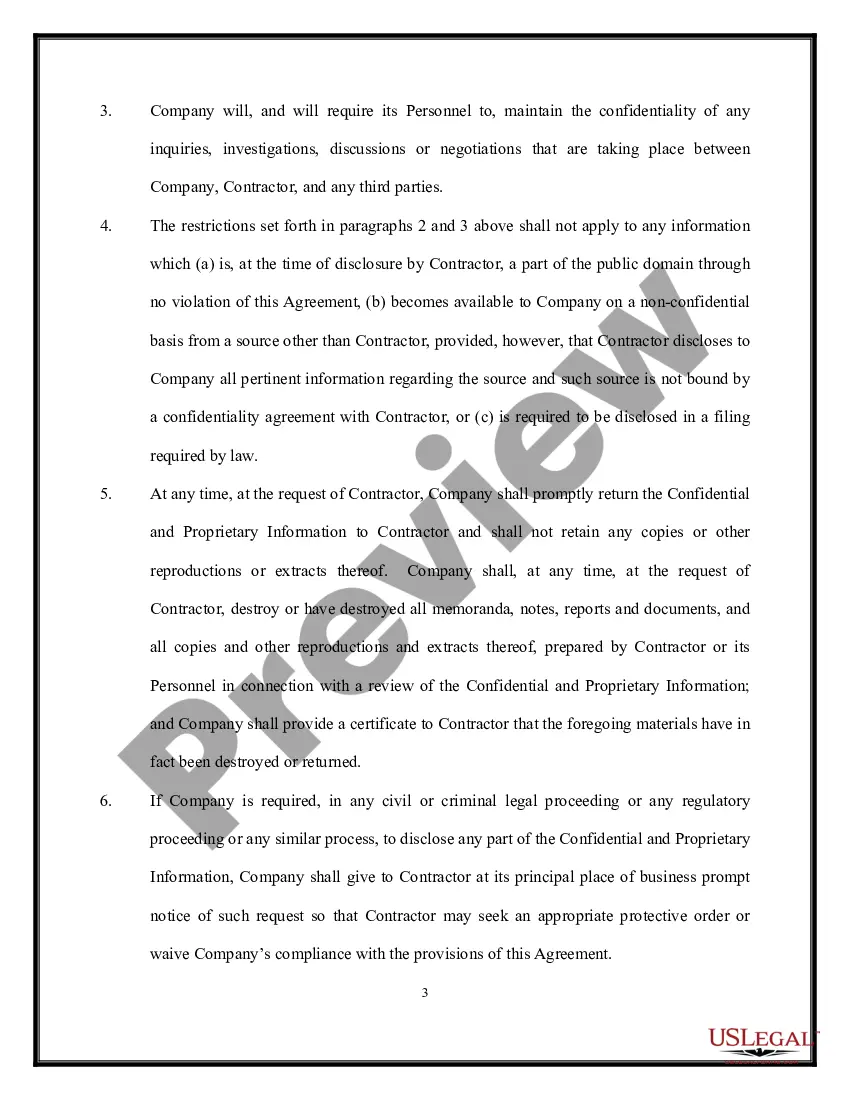
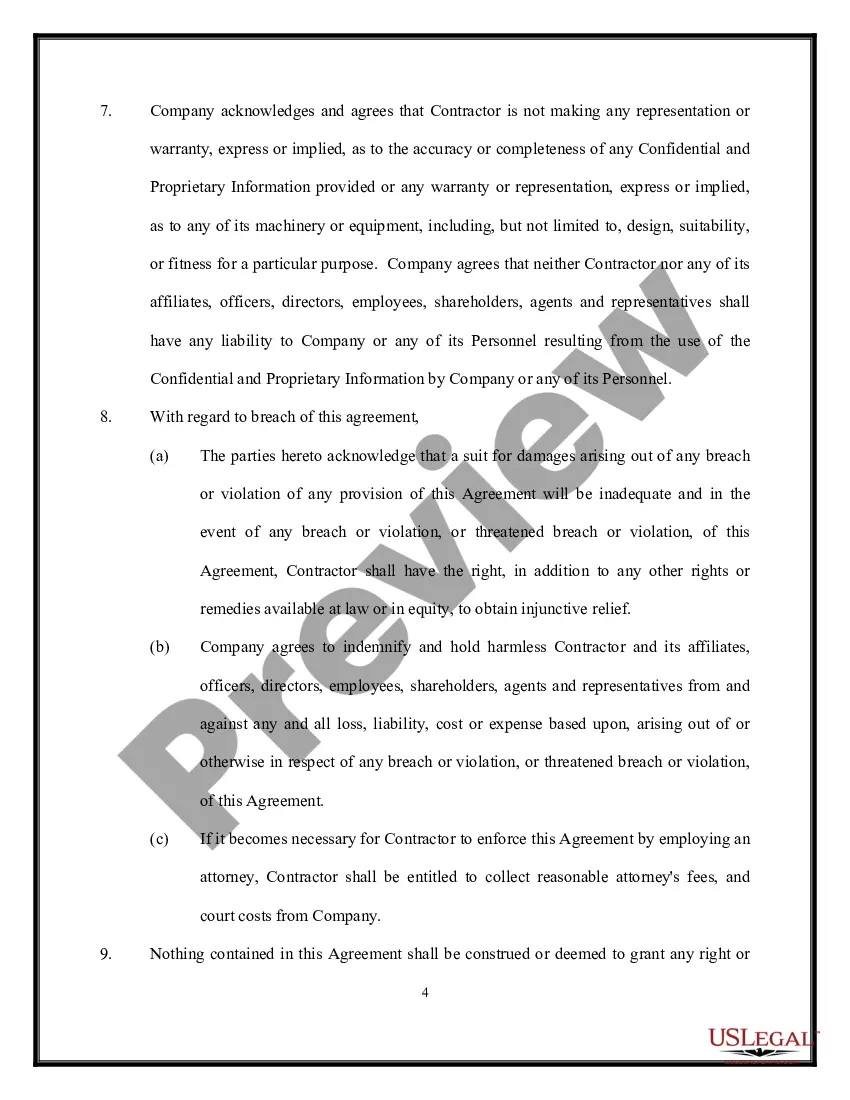
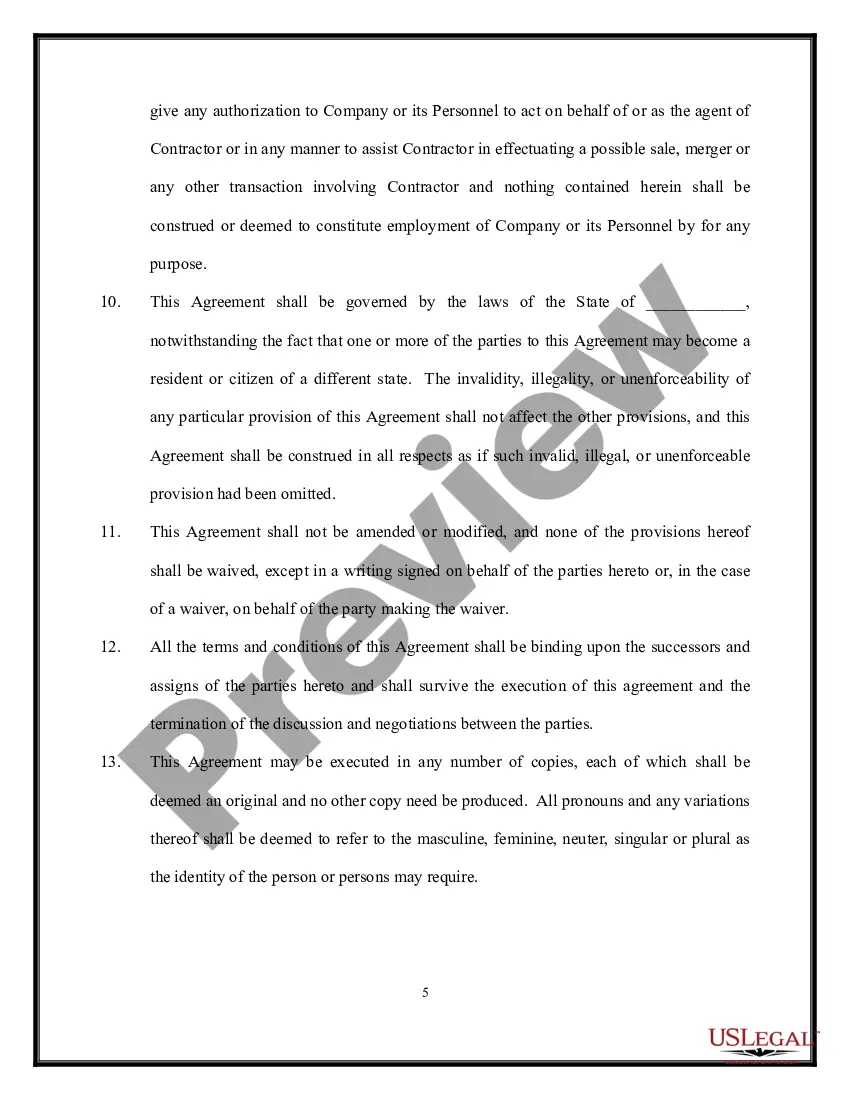
Get your form ready online
Our built-in tools help you complete, sign, share, and store your documents in one place.
Make edits, fill in missing information, and update formatting in US Legal Forms—just like you would in MS Word.
Download a copy, print it, send it by email, or mail it via USPS—whatever works best for your next step.
Sign and collect signatures with our SignNow integration. Send to multiple recipients, set reminders, and more. Go Premium to unlock E-Sign.
If this form requires notarization, complete it online through a secure video call—no need to meet a notary in person or wait for an appointment.
We protect your documents and personal data by following strict security and privacy standards.

Make edits, fill in missing information, and update formatting in US Legal Forms—just like you would in MS Word.

Download a copy, print it, send it by email, or mail it via USPS—whatever works best for your next step.

Sign and collect signatures with our SignNow integration. Send to multiple recipients, set reminders, and more. Go Premium to unlock E-Sign.

If this form requires notarization, complete it online through a secure video call—no need to meet a notary in person or wait for an appointment.

We protect your documents and personal data by following strict security and privacy standards.
Looking for another form?


Form popularity
FAQ
A Confidential Disclosure Agreement (CDA), also referred to as non-disclosure agreement (NDA) or secrecy agreement, is a legal agreement between a minimum of two parties which outlines information the parties wish to share with one another for certain evaluation purposes, but wish to restrict from wider use and ...
To create a Non-Disclosure Agreement, include the following information: The parties' names and contact information. The length of the non-disclosure period. The scope and definition of the confidential information. The obligations of the Non-Disclosure Agreement. The ownership and return information.
You do not need a lawyer to create and sign a non-disclosure agreement. However, if the information you are trying to protect is important enough to warrant an NDA, you may want to have the document reviewed by someone with legal expertise.
If both parties under the NDA were signing as sole proprietors, you have to ensure that both your full names are stated clearly. If you wanted to ensure that there would be no doubt about who the parties were, then you could add identification information such as addresses or social security numbers.
A nondisclosure agreement—also sometimes referred to as a confidentiality agreement, secrecy agreement, or proprietary information agreement—can be used between a business entity and an individual, between individuals, or between business entities.
Only one party has confidential information to protect — the disclosing party — and only one party agrees to keep it confidential — the receiving party. Mutual or bilateral NDA. Both or all parties have confidential information, and both agree to keep it confidential.
Conditions for Use of the Individual NDA: The NDA is being signed only in the individual's own capacity.
NDA's are legal mechanisms to protect sensitive corporate information from disclosure to outsiders. It is not a personal mechanism to prevent gossip or bad post break up behavior, there is simply no way of enforcing this. It is an invalid use of the concept.
Non-disclosure agreements help employers by protecting valuable, sensitive business information. Workers may need access to such information to do their jobs, and NDAs make it clear that they can use such information for work purposes but cannot share it outside the organization.
