Non Disclosure Agreement With Consultant In Wake
Description

Get your form ready online
Our built-in tools help you complete, sign, share, and store your documents in one place.
Make edits, fill in missing information, and update formatting in US Legal Forms—just like you would in MS Word.
Download a copy, print it, send it by email, or mail it via USPS—whatever works best for your next step.
Sign and collect signatures with our SignNow integration. Send to multiple recipients, set reminders, and more. Go Premium to unlock E-Sign.
If this form requires notarization, complete it online through a secure video call—no need to meet a notary in person or wait for an appointment.
We protect your documents and personal data by following strict security and privacy standards.

Make edits, fill in missing information, and update formatting in US Legal Forms—just like you would in MS Word.

Download a copy, print it, send it by email, or mail it via USPS—whatever works best for your next step.

Sign and collect signatures with our SignNow integration. Send to multiple recipients, set reminders, and more. Go Premium to unlock E-Sign.

If this form requires notarization, complete it online through a secure video call—no need to meet a notary in person or wait for an appointment.

We protect your documents and personal data by following strict security and privacy standards.
Looking for another form?








Form popularity
FAQ
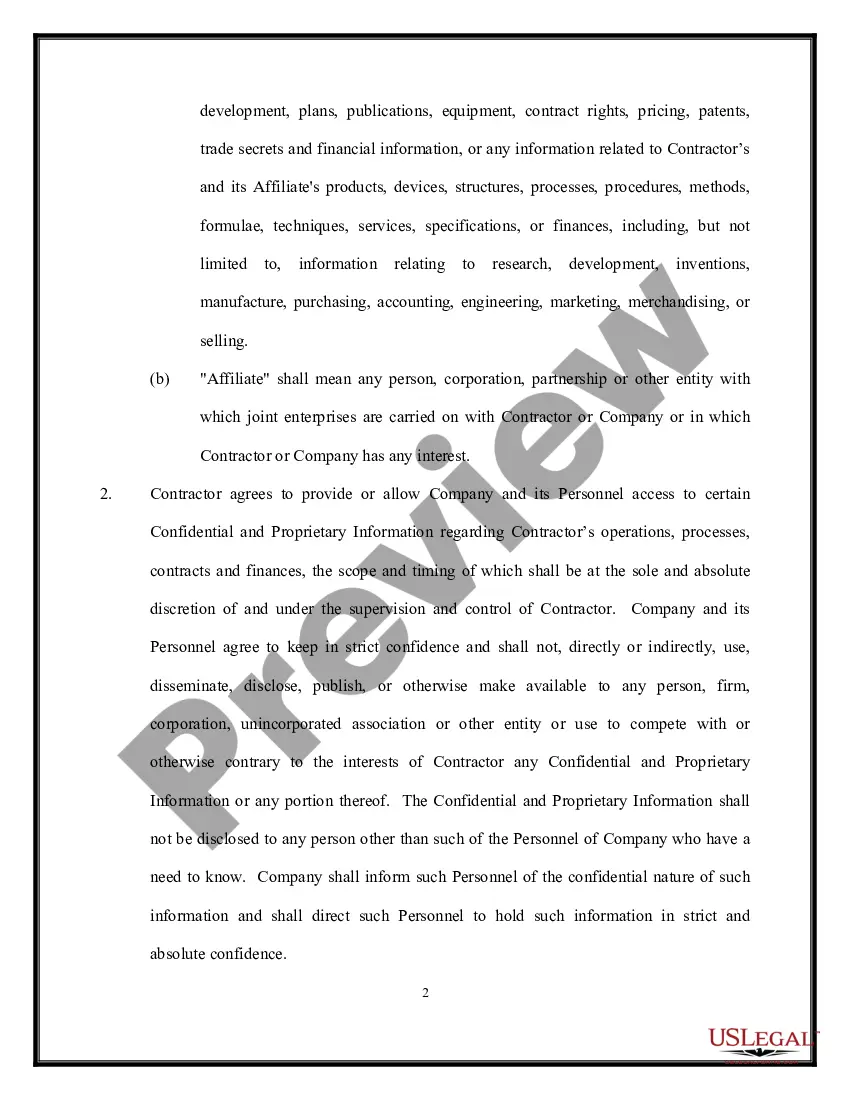
So long as both parties agree – a retrospective NDA can be put in place, although this is obviously not practical if the disclosure was made to a large group (for example, at a conference).
You do not need a lawyer to create and sign a non-disclosure agreement. However, if the information you are trying to protect is important enough to warrant an NDA, you may want to have the document reviewed by someone with legal expertise.
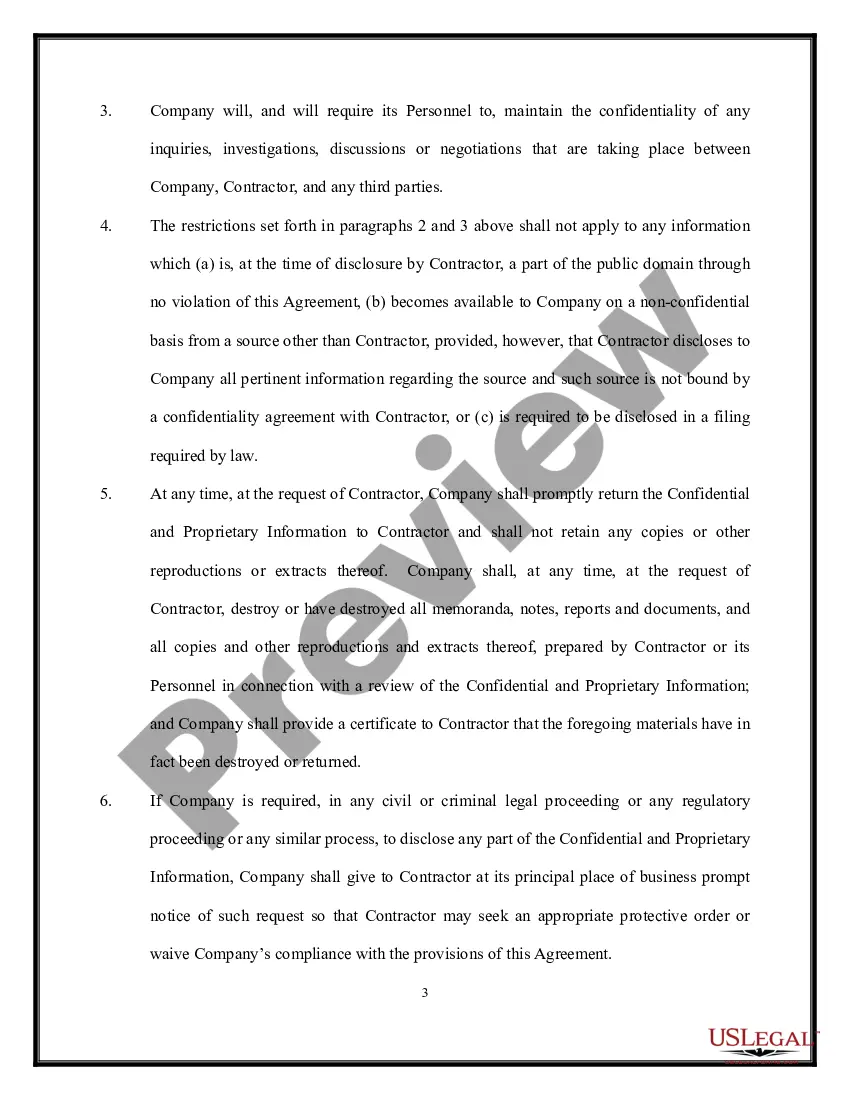
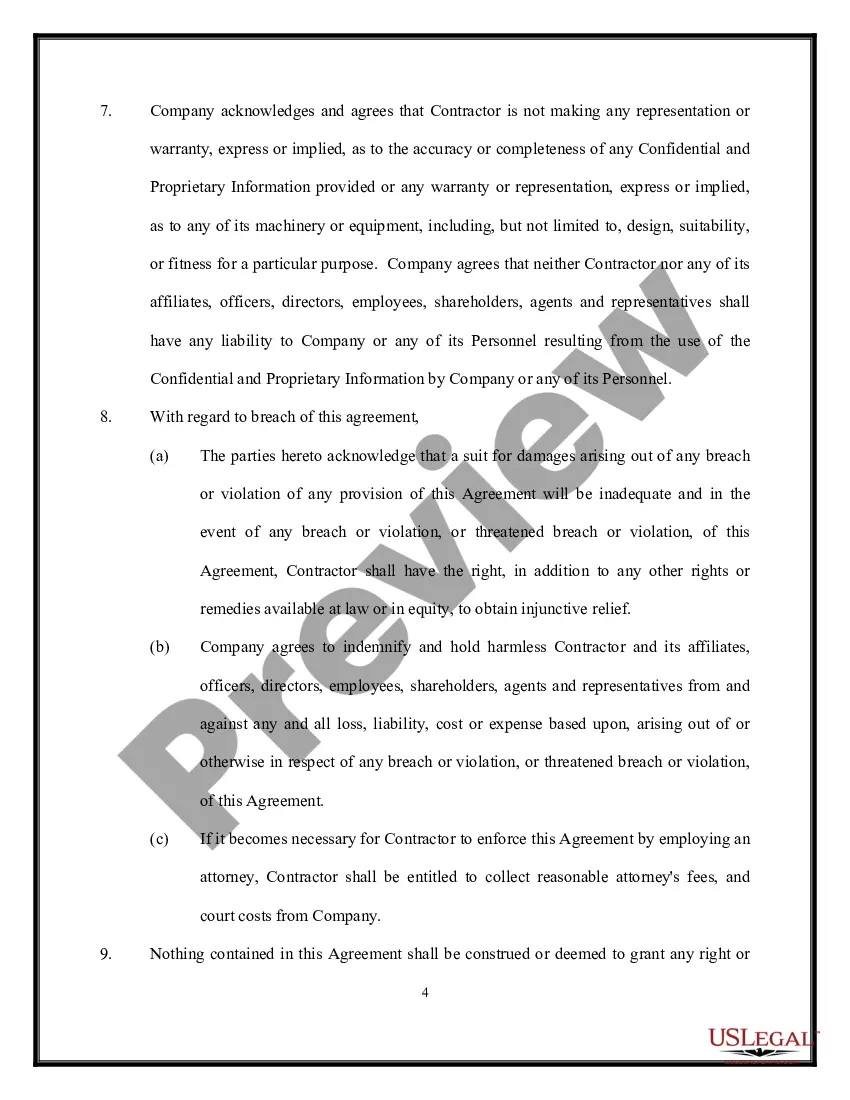
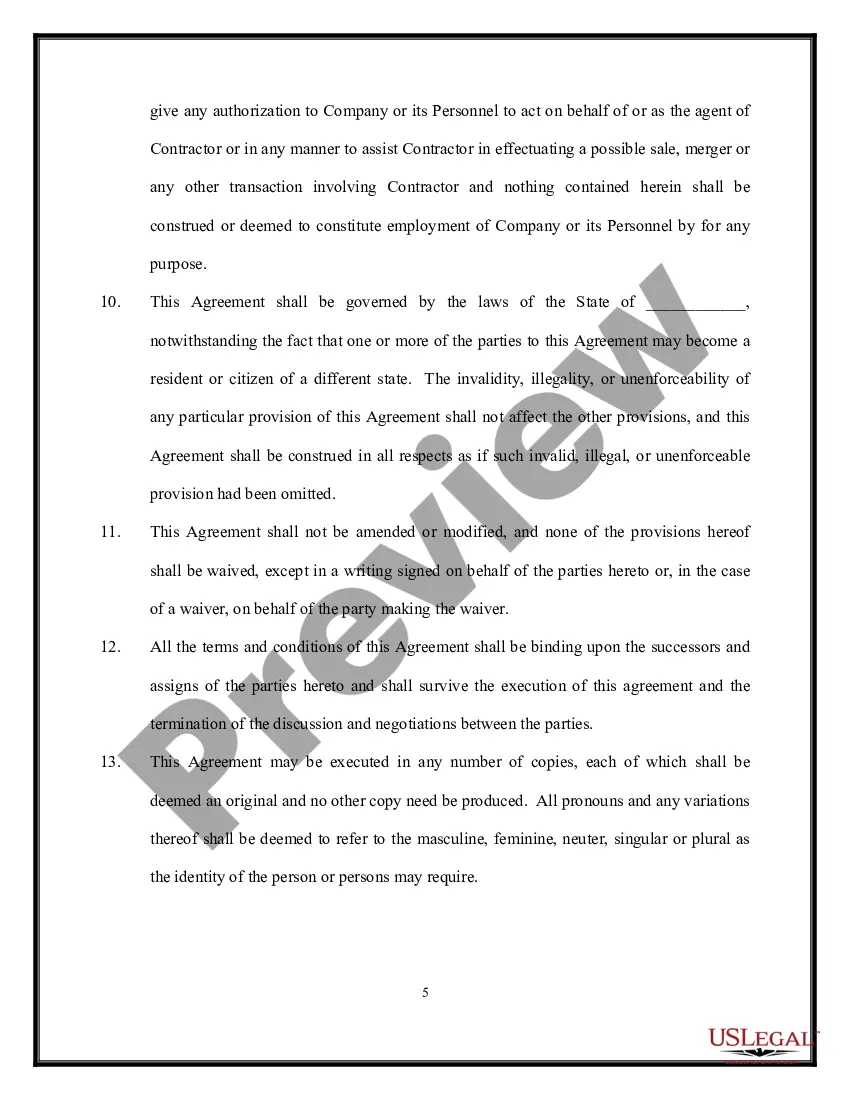
Whether or not the overall agreement has a definite term, the parties' nondisclosure obligations can be stated to survive for a set period. Survival periods of one to five years are typical. The term often depends on the type of information involved and how quickly the information changes.
Consider using an NDA any time you enter into a confidential business relationship, but especially before you do any of the following: Discuss the sale or licensing of your intellectual property, including any product or technology. Grant employees or contractors access to trade secrets or other proprietary information.
Harshdeep Rapalon June 14, 2024. A Consultant Non-Disclosure Agreement (NDA) is a legal contract that establishes a confidential relationship between a company and a consultant. The agreement outlines the information that must remain confidential and details the obligations of both parties regarding that information.
An NDA serves the purpose of protecting confidential information during the term of a (potential) business relationship. If you refuse to sign an NDA, the other party will likely terminate the relationship you share.
Some of the exception clauses are: – Information that is in the public domain. – Information that the disclosing party disclosed before signing the agreement. – Information received by the “receiving party” from a third party, wherein the third party was not obliged to keep the information confidential.
The red flag of misuse is when you ask for an NDA for a pitch meeting, a meet and greet, or a job interview. If your idea can be stolen after meeting someone for an hour for the first time, causing you irreparable harm in market, it's probably not a very good idea, or you're a terrible business person.
Before signing an NDA, look out for seven crucial red flags that could limit your freedom or expose you to risks, including broad definitions of confidential information, indefinite duration, lack of mutuality, restrictive non-compete clauses, absence of provisions for legal disclosures, unclear remedies for breach, ...
Examples of NDA breaches include: Sharing trade secrets with competitors. Discussing confidential company information with media outlets. Using proprietary data for personal gain.