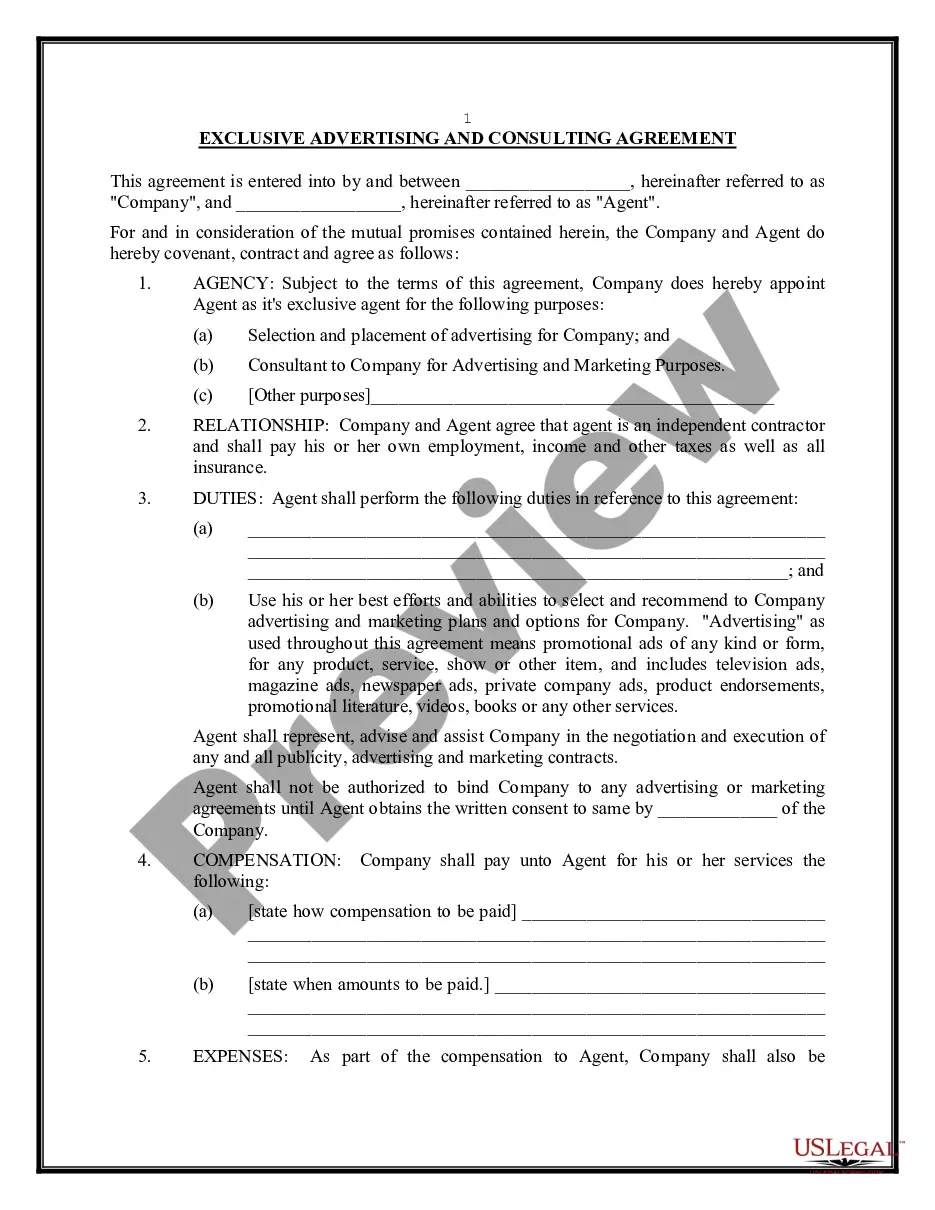
Confidentiality Agreement Format With Vendor In Virginia
Description

Get your form ready online
Our built-in tools help you complete, sign, share, and store your documents in one place.
Make edits, fill in missing information, and update formatting in US Legal Forms—just like you would in MS Word.
Download a copy, print it, send it by email, or mail it via USPS—whatever works best for your next step.
Sign and collect signatures with our SignNow integration. Send to multiple recipients, set reminders, and more. Go Premium to unlock E-Sign.
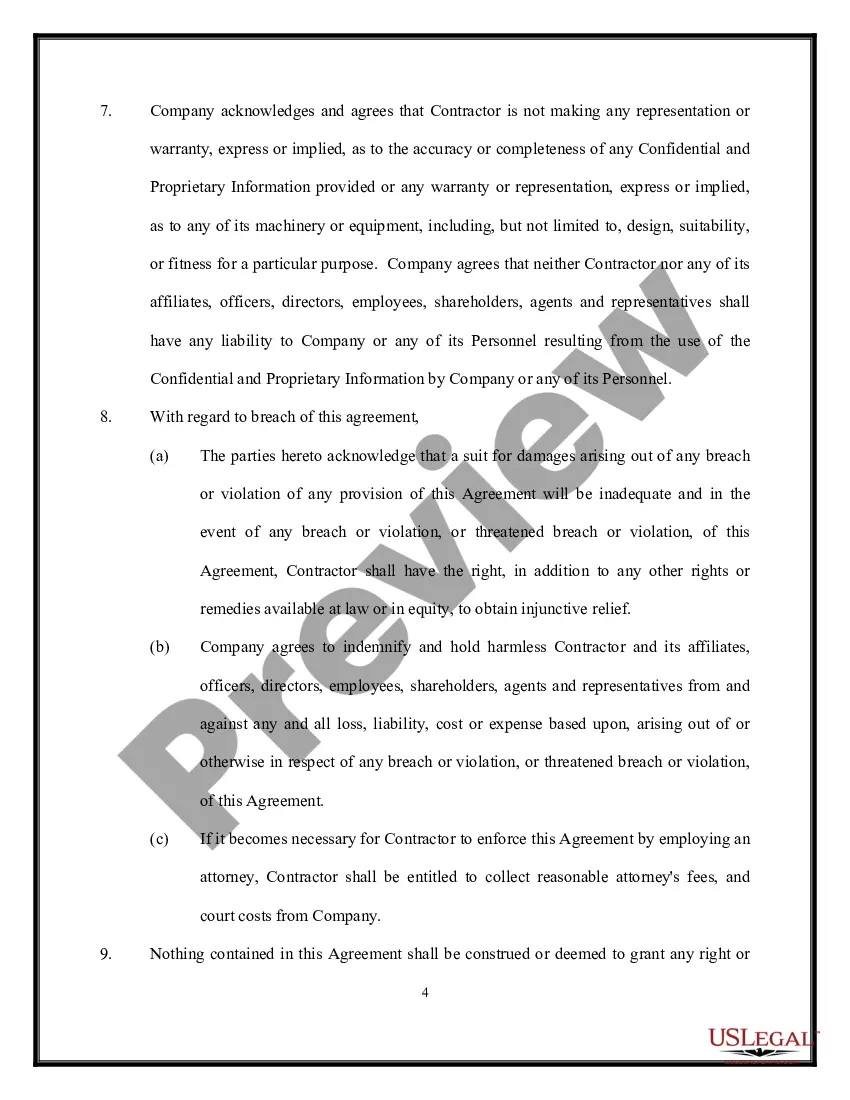
If this form requires notarization, complete it online through a secure video call—no need to meet a notary in person or wait for an appointment.
We protect your documents and personal data by following strict security and privacy standards.

Make edits, fill in missing information, and update formatting in US Legal Forms—just like you would in MS Word.

Download a copy, print it, send it by email, or mail it via USPS—whatever works best for your next step.

Sign and collect signatures with our SignNow integration. Send to multiple recipients, set reminders, and more. Go Premium to unlock E-Sign.

If this form requires notarization, complete it online through a secure video call—no need to meet a notary in person or wait for an appointment.

We protect your documents and personal data by following strict security and privacy standards.
Looking for another form?









Form popularity
FAQ
A confidentiality agreement is intended to protect the trade secrets and other confidential information between two or more parties, such as you and your vendor.
A confidentiality agreement should include the names and addresses of the parties to the contract. Consider also including: Reason for the agreement: Explain why you're sharing this information. The information disclosed: Be specific about the subject matter and what exactly is included in the agreement.
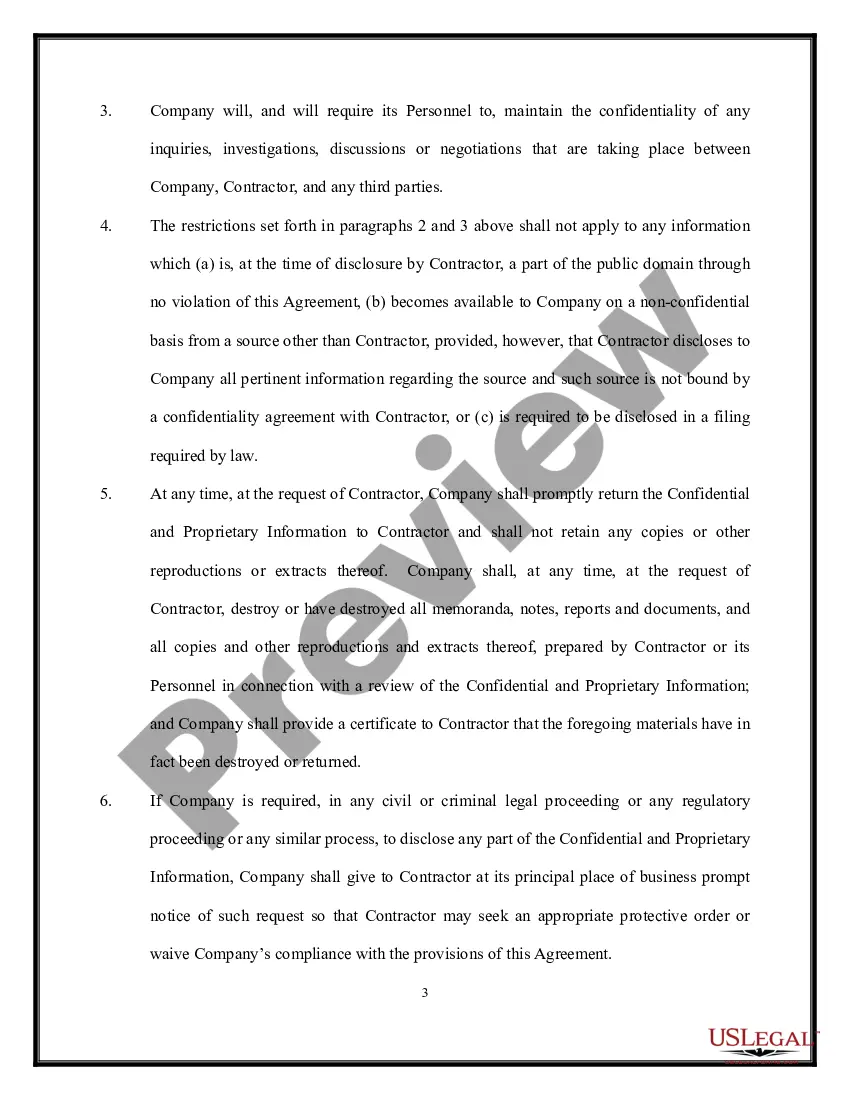
Each party receiving confidential information shall hold such information in confidence and shall not disclose it to any third party nor to the public without the prior written authorization from the party providing that information, except to fulfill obligations under agreements between the parties, or to fulfill ...
Virginia courts generally enforce NDAs ing to their terms, so long as they comply with several common law requirements. You can avoid inadvertently drafting an unenforceable NDA by seeking the counsel of a Richmond employment contract attorney.
No employer shall require an employee or a prospective employee to execute or renew any provision in a nondisclosure or confidentiality agreement, including any provision relating to nondisparagement, that has the purpose or effect of concealing the details relating to a claim of sexual assault pursuant to § 18.2-61, ...
NDAs are enforceable when they are signed — if they are properly drafted and executed. NDAs are enforceable once signed, provided they have been drafted and executed properly. Unilateral NDAs need only the signature of the receiving party, whereas mutual non-disclosure agreements need the signatures of both parties.
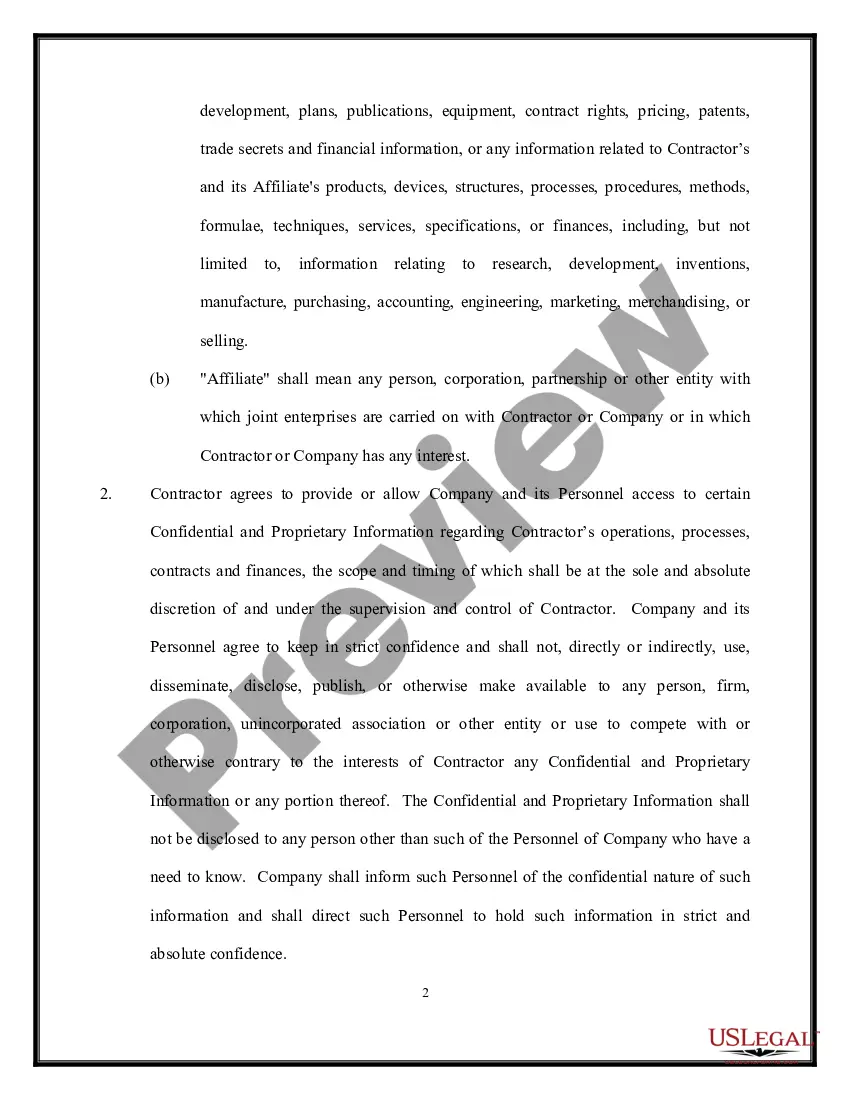
Confidentiality clauses protect sensitive information exchanged during the vendor relationship, such as proprietary data or business strategies. These clauses are essential for maintaining the integrity and confidentiality of business operations.
Confidentiality agreements can run indefinitely, covering the parties' disclosures of confidential information at any time, or can terminate on a certain date or event. Whether or not the overall agreement has a definite term, the parties' nondisclosure obligations can be stated to survive for a set period.
Make sure to include the confidential information you need to protect under the agreement, including business secrets, financial information, and customer data. The agreement should also specify the parties involved, including the disclosing and the receiving parties.
28(3)(b) GDPR requires processors to ensure that individuals authorised to process personal data agree to maintain confidentiality unless they are already subject to an appropriate statutory obligation not to disclose confidential information.