Disclosure Vs Confidentiality In Utah
Description

Get your form ready online
Our built-in tools help you complete, sign, share, and store your documents in one place.
Make edits, fill in missing information, and update formatting in US Legal Forms—just like you would in MS Word.
Download a copy, print it, send it by email, or mail it via USPS—whatever works best for your next step.
Sign and collect signatures with our SignNow integration. Send to multiple recipients, set reminders, and more. Go Premium to unlock E-Sign.
If this form requires notarization, complete it online through a secure video call—no need to meet a notary in person or wait for an appointment.
We protect your documents and personal data by following strict security and privacy standards.

Make edits, fill in missing information, and update formatting in US Legal Forms—just like you would in MS Word.

Download a copy, print it, send it by email, or mail it via USPS—whatever works best for your next step.

Sign and collect signatures with our SignNow integration. Send to multiple recipients, set reminders, and more. Go Premium to unlock E-Sign.

If this form requires notarization, complete it online through a secure video call—no need to meet a notary in person or wait for an appointment.

We protect your documents and personal data by following strict security and privacy standards.
Looking for another form?





Form popularity
FAQ
Conditions of Disclosure to Third Parties. The general rule under the Privacy Act is that an agency cannot disclose a record contained in a system of records unless the individual to whom the record pertains gives prior written consent to the disclosure. There are twelve exceptions to this general rule.
See Utah Code § 58-35-6. The patient is entitled not only to refuse to disclose the confidential communication, but also to prevent disclosure by the physician or psychotherapist or others who were properly involved or others who overheard, without the knowledge of the patient, the confidential communication.
How Does Discovery Work? There are four main types of discovery requests: (1) depositions; (2) interrogatories; (3) requests for admissions; and (4) requests for the production of documents. Depositions are formal witness interviews.
Reveal may apply to supernatural or inspired revelation of truths beyond the range of ordinary human vision or reason. disclose may imply a discovering but more often an imparting of information previously kept secret.
Discovery is shocking, unplanned, overwhelming, and usually only a portion of the betrayal is revealed and acknowledged. Disclosure is the exact opposite. In disclosure, the cheating partner voluntarily tells the betrayed partner the full scope and details about his behavior.
Investigation occurs when there has been an established overt act. Discovery is the process in obtaining facts and evidence to establish probable cause. Discovery can be thought of as the beginning or first stage of a case whereas the Investigation phase would be the second.
Essentially, a party must disclose to the other parties the information, documents and witnesses that support the party's claims and defenses. Discovery refers to the procedures by which each party learns about the information, documents and witnesses that the other party does not have to disclose.
General disclosure requirements A list of the people who know about the case and what they know. This includes people who could provide information to support the case or defenses to the case. A list of witnesses they might call who can support of their case, and a summary of what they will say.
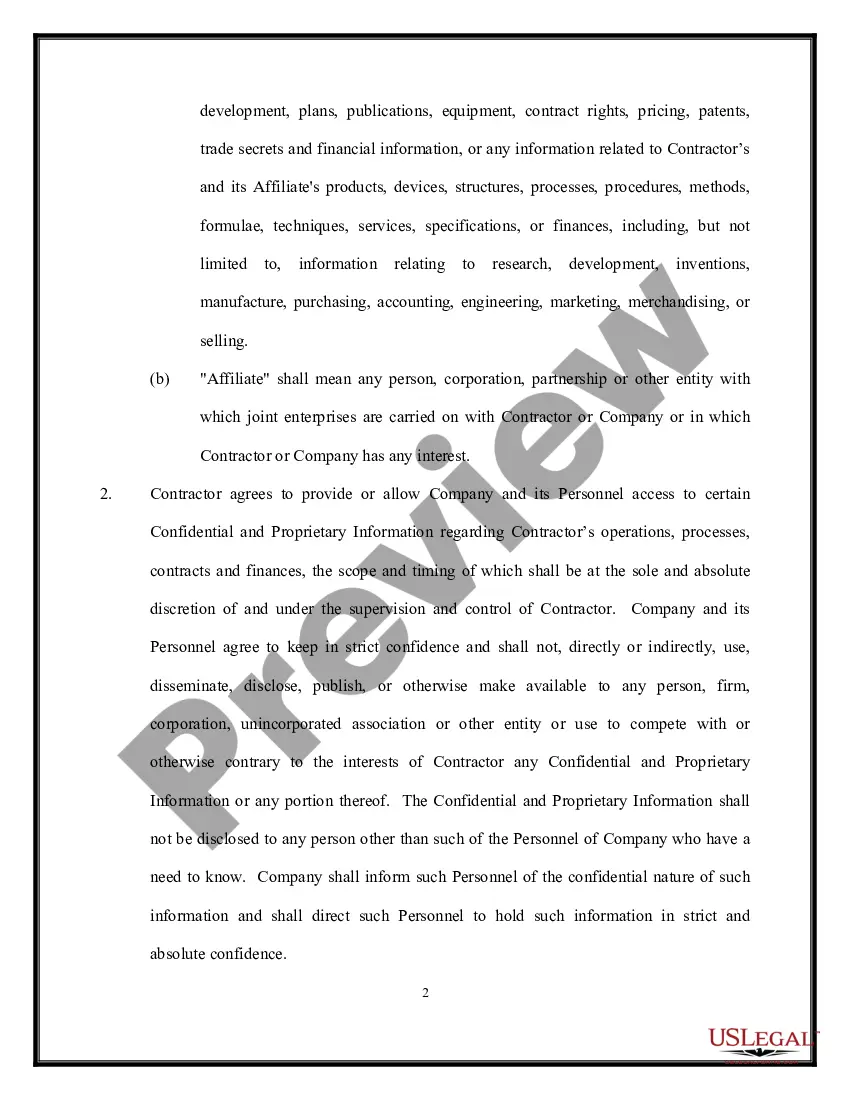
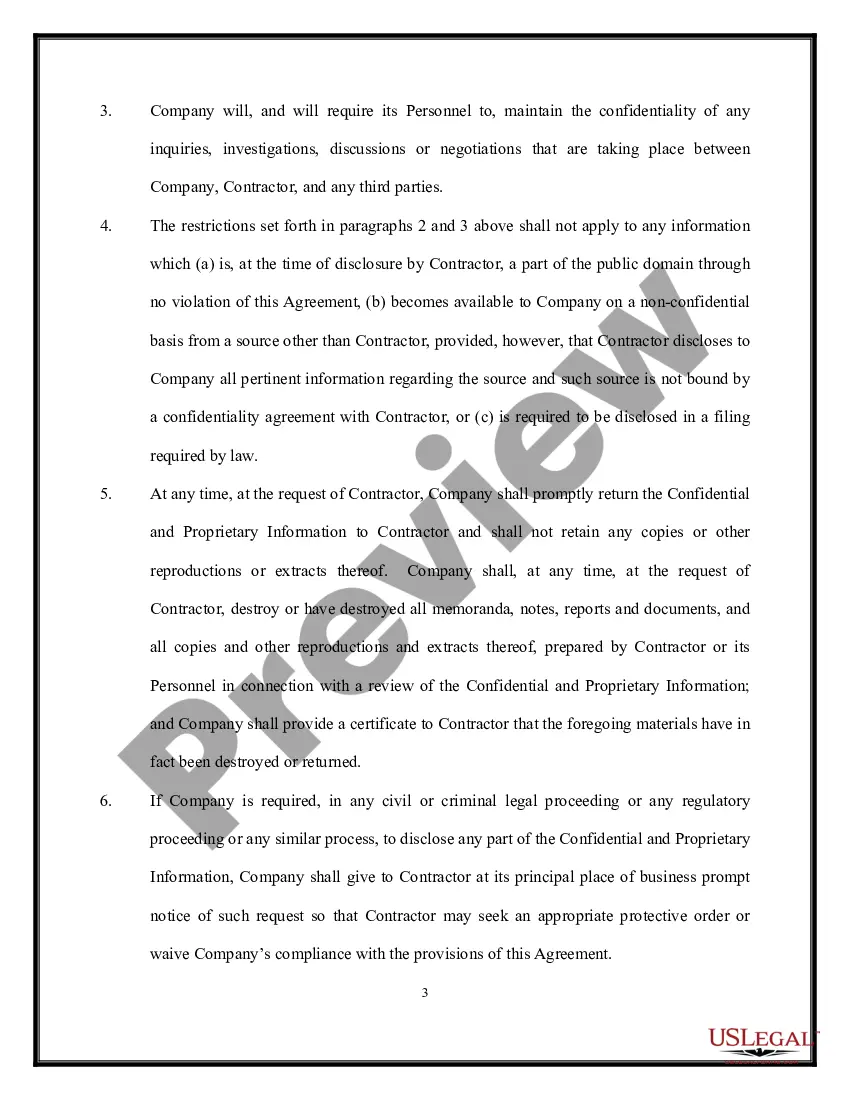
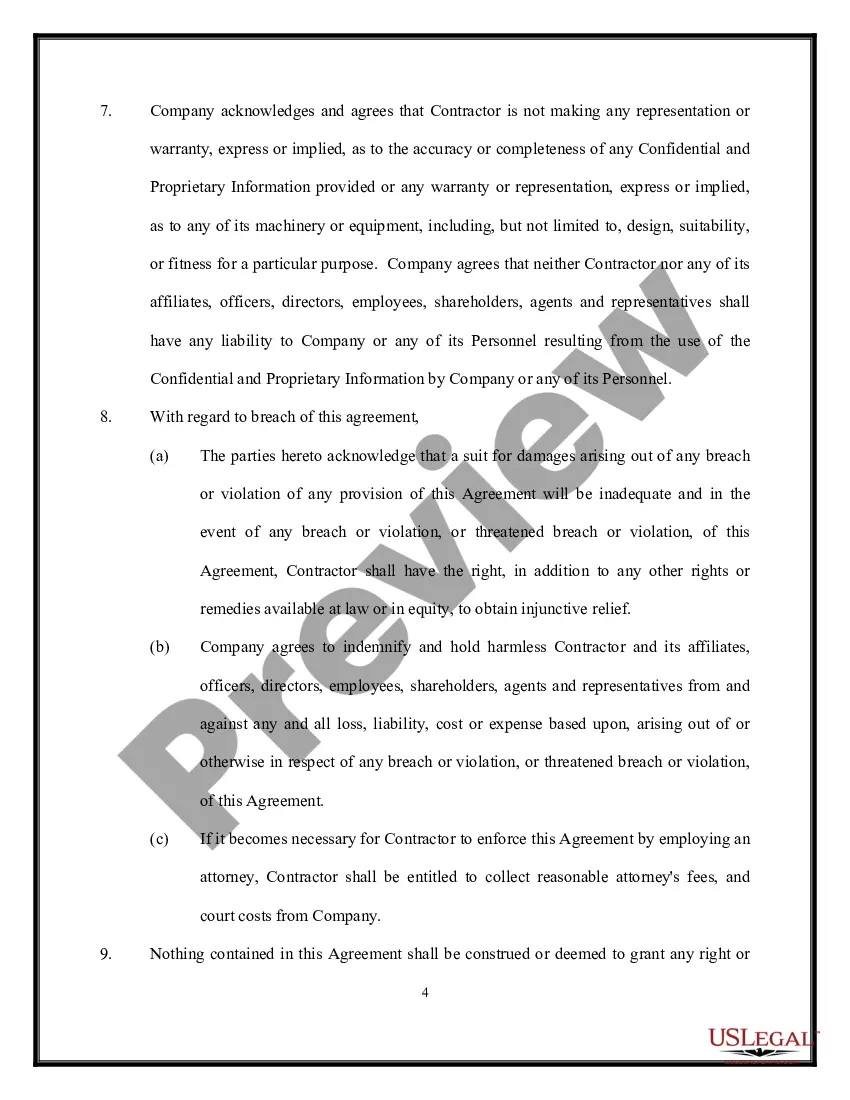
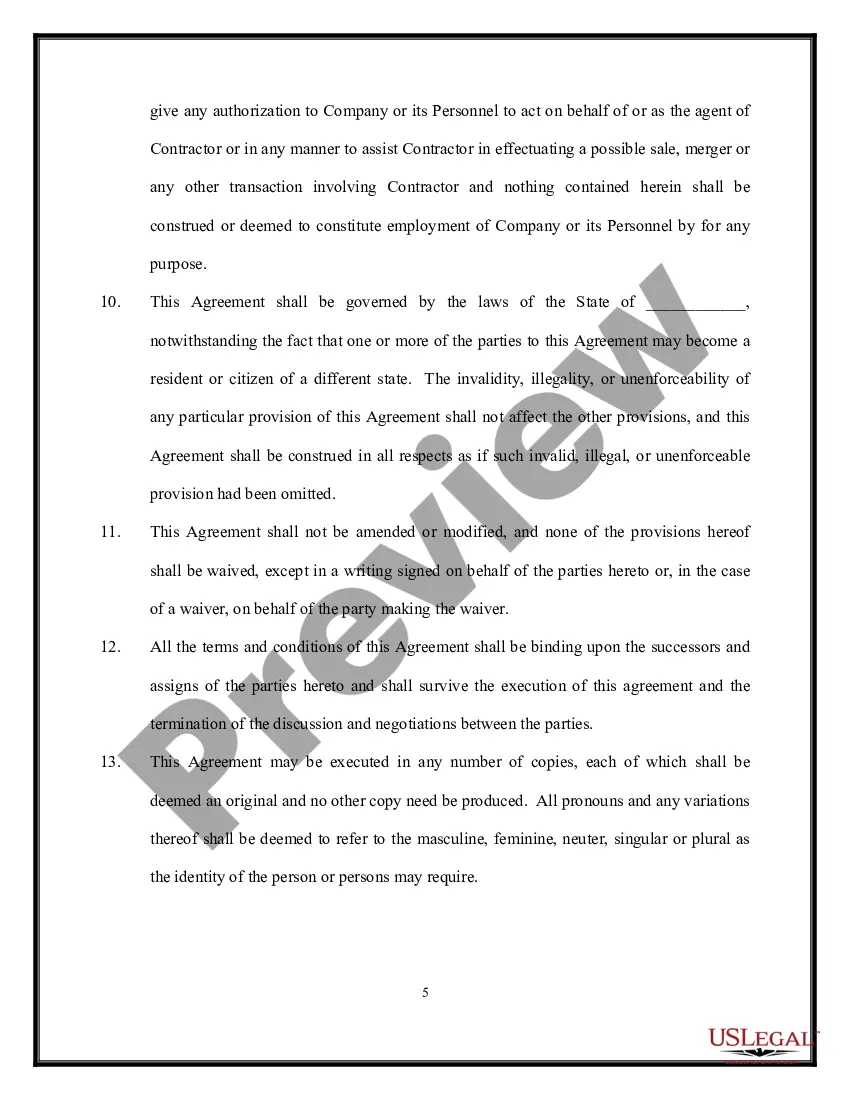
What is a nondisclosure agreement? Whereas confidentiality agreements are typically devised in employment or personal situations to protect sensitive information, NDAs are often used in business and legal settings to protect trade secrets, client lists, and financial data.
Information is 'confidential' if there is a restriction on its disclosure, normally placed by the person or organisation that provides it.
