Non Disclosure Vs Confidentiality In San Diego
Description

Get your form ready online
Our built-in tools help you complete, sign, share, and store your documents in one place.
Make edits, fill in missing information, and update formatting in US Legal Forms—just like you would in MS Word.
Download a copy, print it, send it by email, or mail it via USPS—whatever works best for your next step.
Sign and collect signatures with our SignNow integration. Send to multiple recipients, set reminders, and more. Go Premium to unlock E-Sign.
If this form requires notarization, complete it online through a secure video call—no need to meet a notary in person or wait for an appointment.
We protect your documents and personal data by following strict security and privacy standards.

Make edits, fill in missing information, and update formatting in US Legal Forms—just like you would in MS Word.

Download a copy, print it, send it by email, or mail it via USPS—whatever works best for your next step.

Sign and collect signatures with our SignNow integration. Send to multiple recipients, set reminders, and more. Go Premium to unlock E-Sign.

If this form requires notarization, complete it online through a secure video call—no need to meet a notary in person or wait for an appointment.

We protect your documents and personal data by following strict security and privacy standards.
Looking for another form?



Form popularity
FAQ
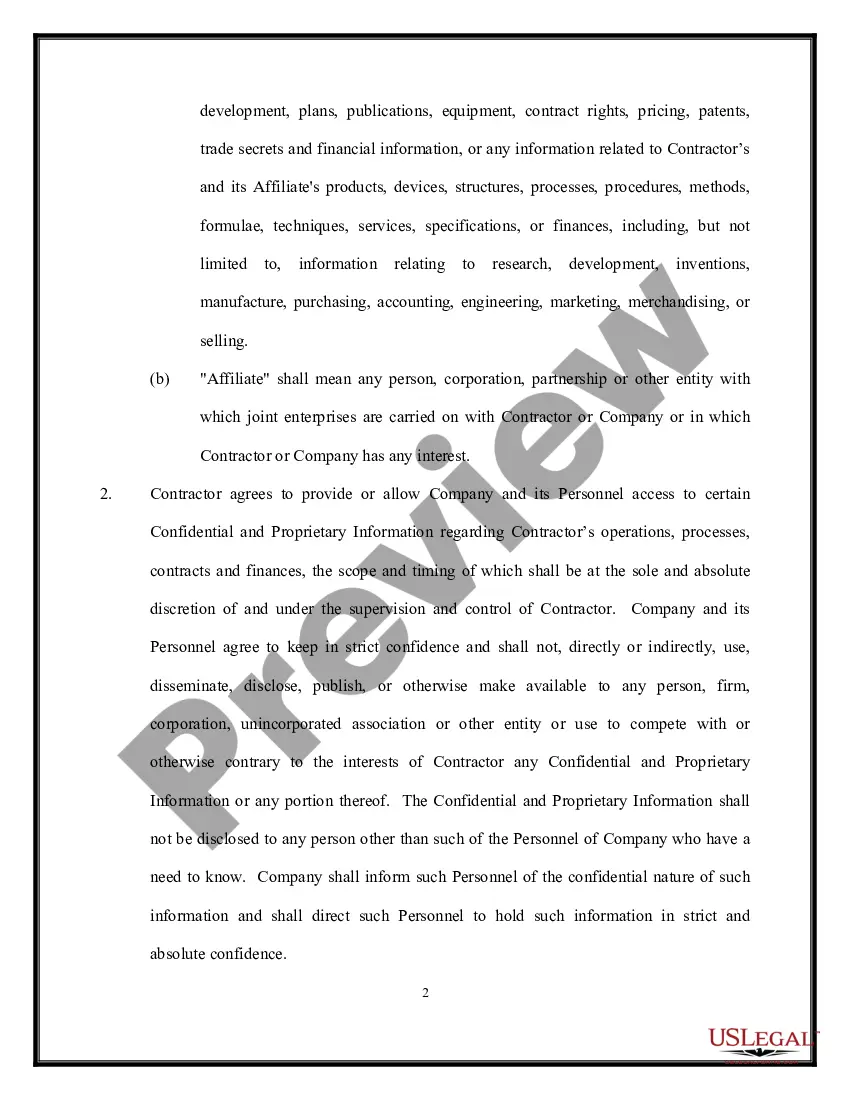
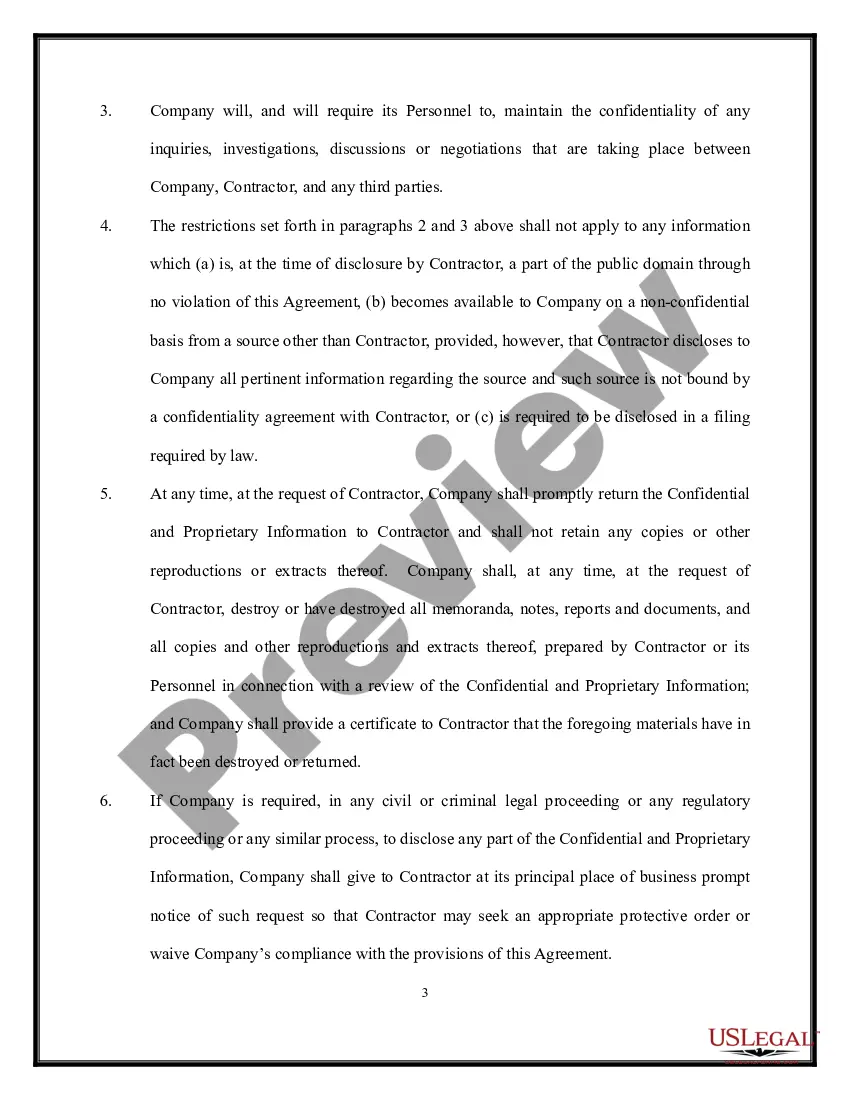
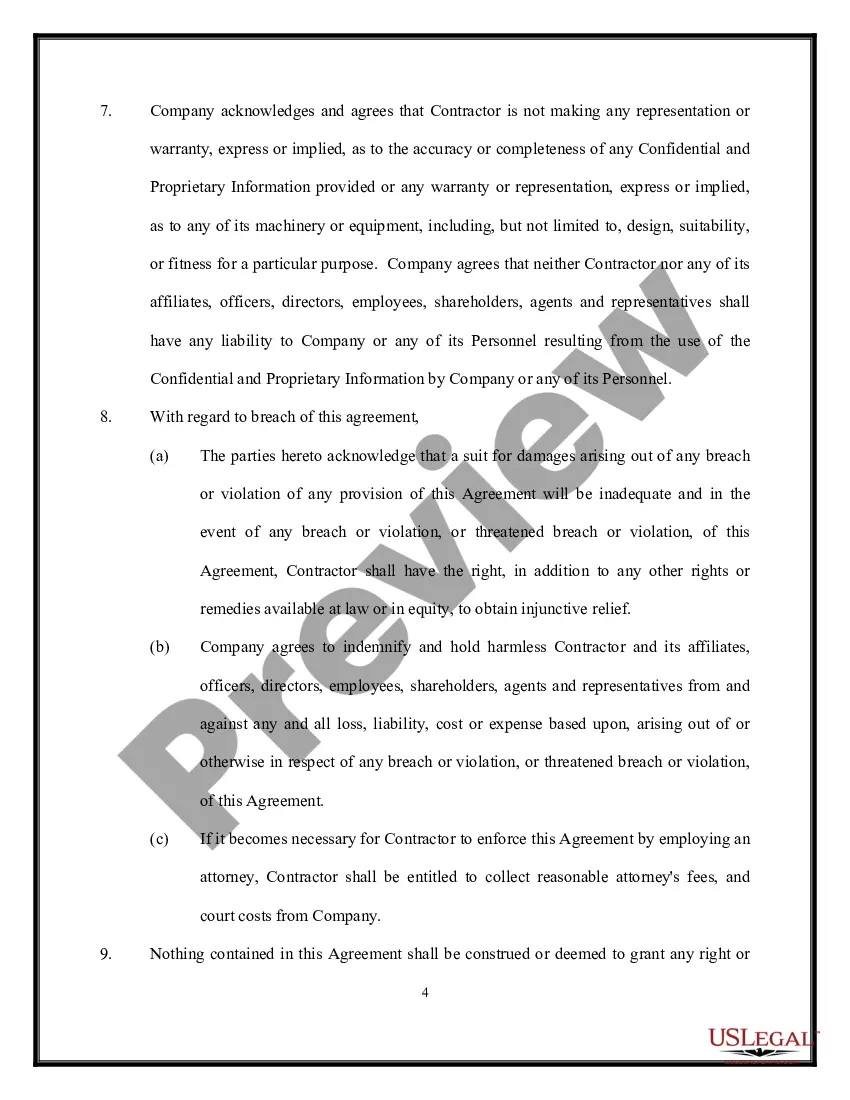
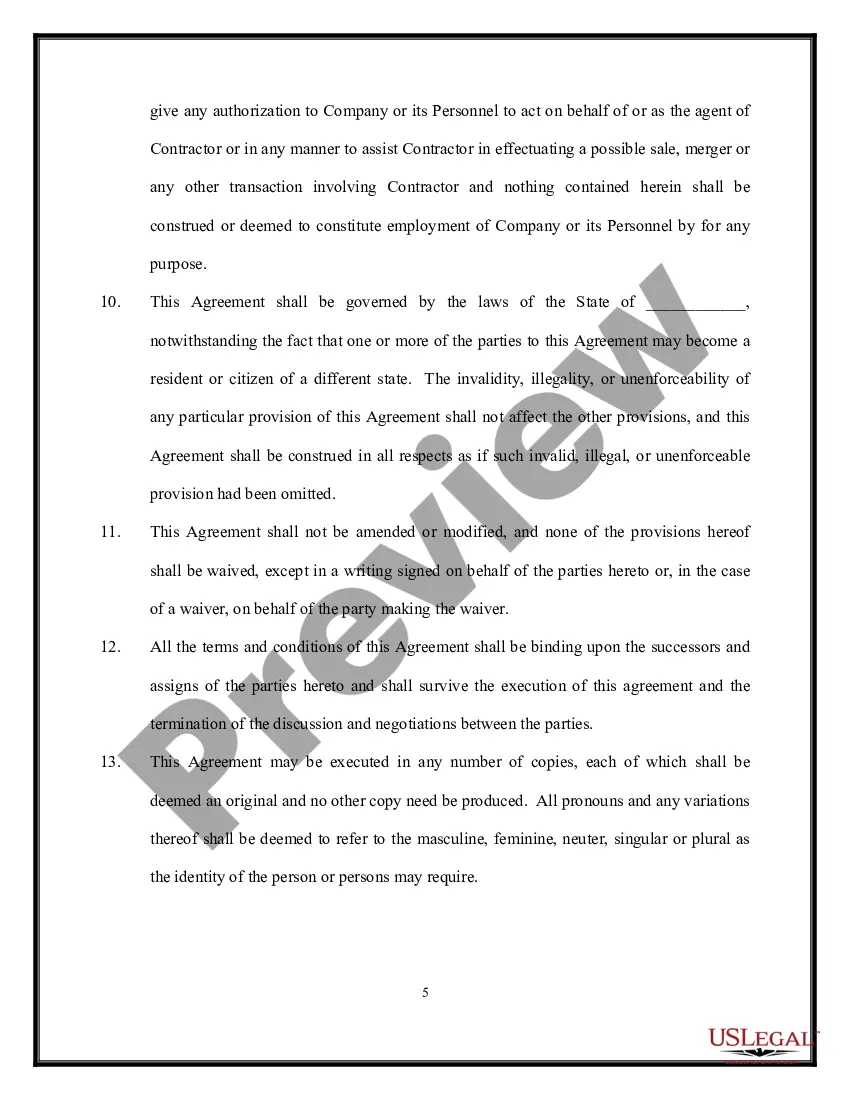
An NDA could be unenforceable if it is too broad, is not for a defined time period, covers information that is not confidential, or asks for illegal conduct.
Generally, a well-drafted and reasonable NDA is more likely to hold up in court, but each case's outcome is influenced by factors such as the legal system, the evidence presented, and any unique details.
In California, non-disclosure agreements are governed by state law and must comply with certain requirements to be enforceable. California law generally disfavors NDAs that restrict an individual's right to work, and there are specific rules regarding the enforceability of NDAs in the employment context.
What is a nondisclosure agreement? Whereas confidentiality agreements are typically devised in employment or personal situations to protect sensitive information, NDAs are often used in business and legal settings to protect trade secrets, client lists, and financial data.
Use: NDAs are often used by startups or third-party partnerships. CDAs are used in high-value corporate transactions or in military service.
Definition: An NDA allows a party to communicate nonpublic information to another. A CDA allows multiple parties to handle information with utmost secrecy.
What is a nondisclosure agreement? Whereas confidentiality agreements are typically devised in employment or personal situations to protect sensitive information, NDAs are often used in business and legal settings to protect trade secrets, client lists, and financial data.
As a general concept, non-disclosure agreements, often referred to as NDAs, are agreements between parties that are used to ensure that certain information will remain confidential.
A Confidential Disclosure Agreement (CDA), also referred to as non-disclosure agreement (NDA) or secrecy agreement, is a legal agreement between a minimum of two parties which outlines information the parties wish to share with one another for certain evaluation purposes, but wish to restrict from wider use and ...
In a mutual NDA, by contrast, both parties agree not to reveal each other's confidential information. While the unilateral NDA is a one-way street, an MNDA creates a confidential relationship where information is protected by both parties.
