Non Disclosure Agreement For Resigned Employee In San Bernardino
Description

Get your form ready online
Our built-in tools help you complete, sign, share, and store your documents in one place.
Make edits, fill in missing information, and update formatting in US Legal Forms—just like you would in MS Word.
Download a copy, print it, send it by email, or mail it via USPS—whatever works best for your next step.
Sign and collect signatures with our SignNow integration. Send to multiple recipients, set reminders, and more. Go Premium to unlock E-Sign.
If this form requires notarization, complete it online through a secure video call—no need to meet a notary in person or wait for an appointment.
We protect your documents and personal data by following strict security and privacy standards.

Make edits, fill in missing information, and update formatting in US Legal Forms—just like you would in MS Word.

Download a copy, print it, send it by email, or mail it via USPS—whatever works best for your next step.

Sign and collect signatures with our SignNow integration. Send to multiple recipients, set reminders, and more. Go Premium to unlock E-Sign.

If this form requires notarization, complete it online through a secure video call—no need to meet a notary in person or wait for an appointment.

We protect your documents and personal data by following strict security and privacy standards.
Looking for another form?


Form popularity
FAQ
The Speak Out Act (2022) The Speak Outs Act, signed into law by President Biden on December 7, 2022, prohibits the enforcement of NDAs in the case of sexual assault.
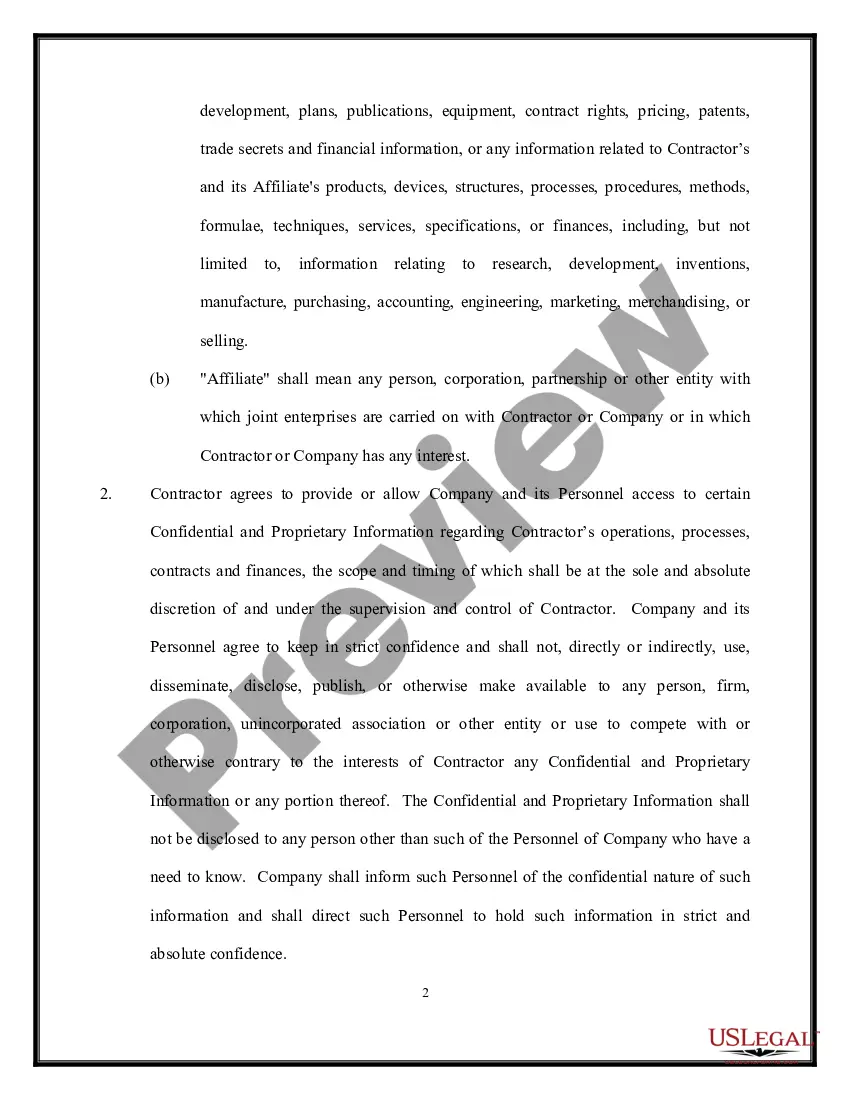
disclosure agreement (NDA) is a legally binding contract that establishes a confidential relationship between two parties: one that holds sensitive information and the other that will receive that sensitive information. The latter agrees that the information they receive won't be made available to others.
Non-Disclosure Agreement for Employee Leaving Confidentiality agreements sometimes specify the length of time a worker cannot work for a competitor after leaving his or her workplace. Through this, the former employee cannot use the knowledge received from the previous company to benefit a new employer or earn profits.
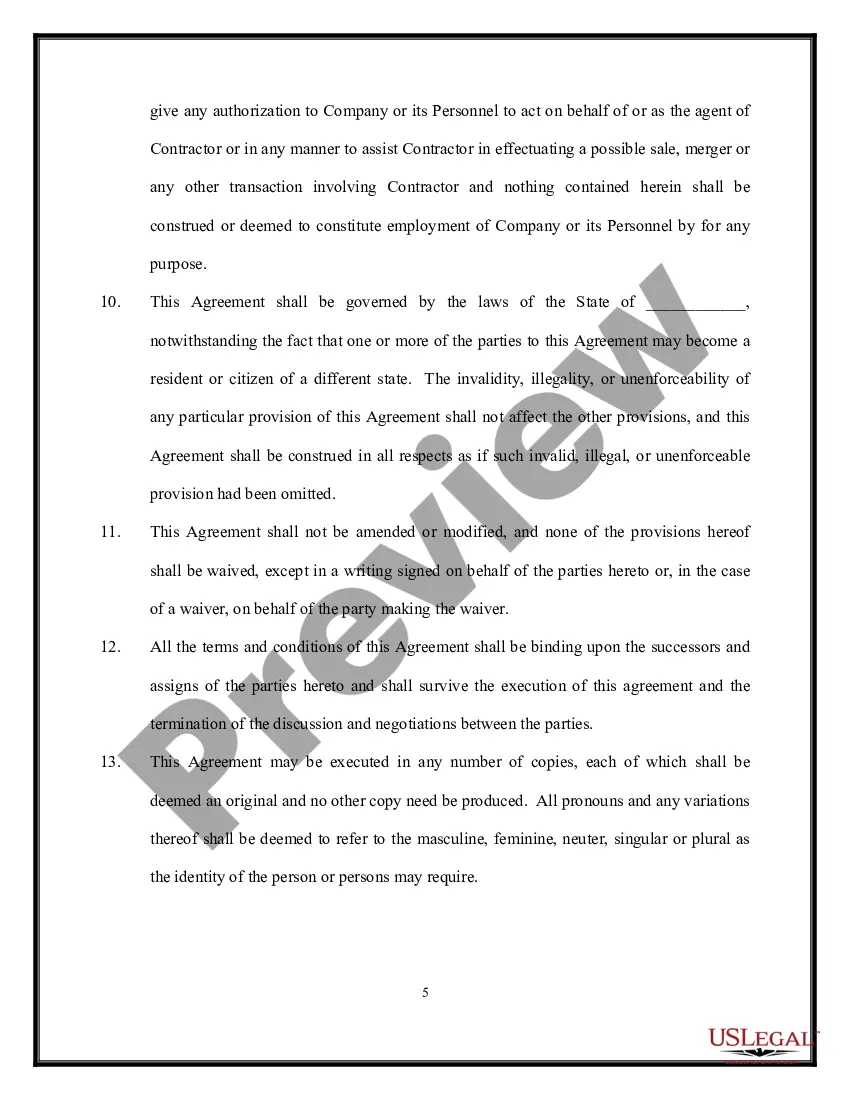
NDAs remain binding even after employment ends. Their primary aim is to protect sensitive information beyond the tenure of employment. This means employees must honor the NDA obligations long after they leave a job.
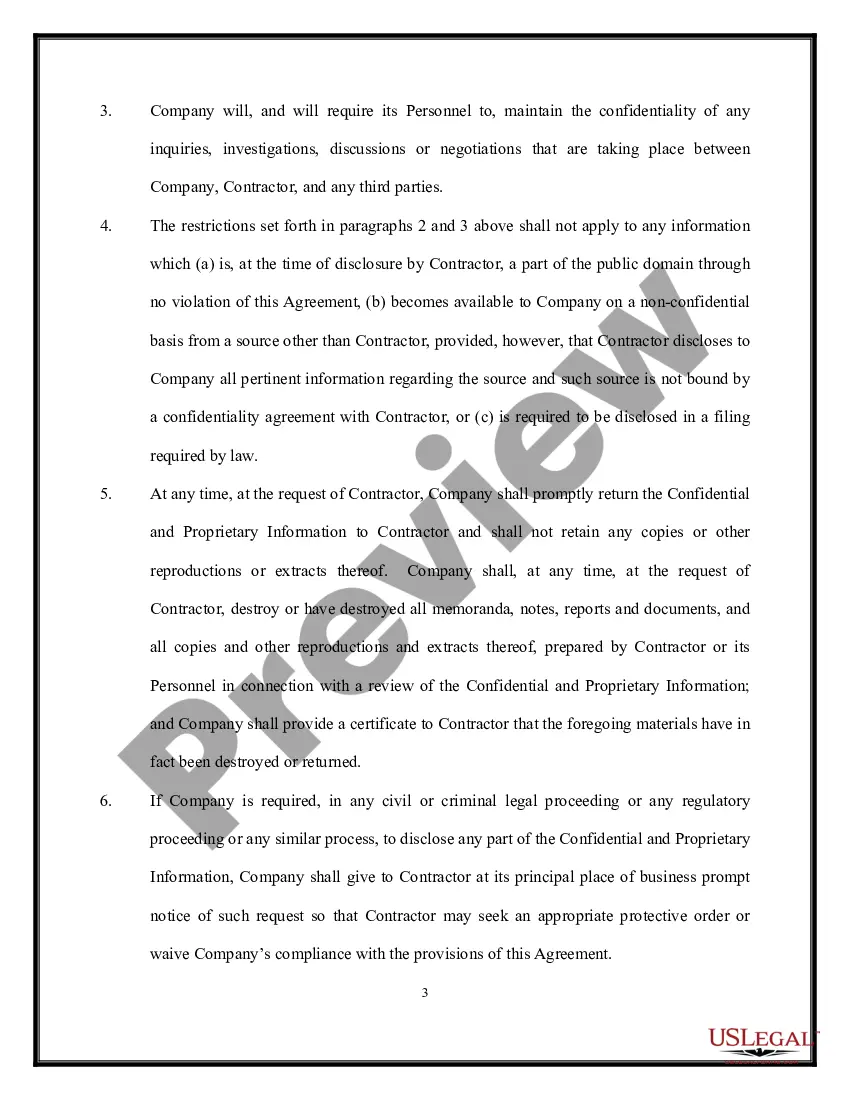
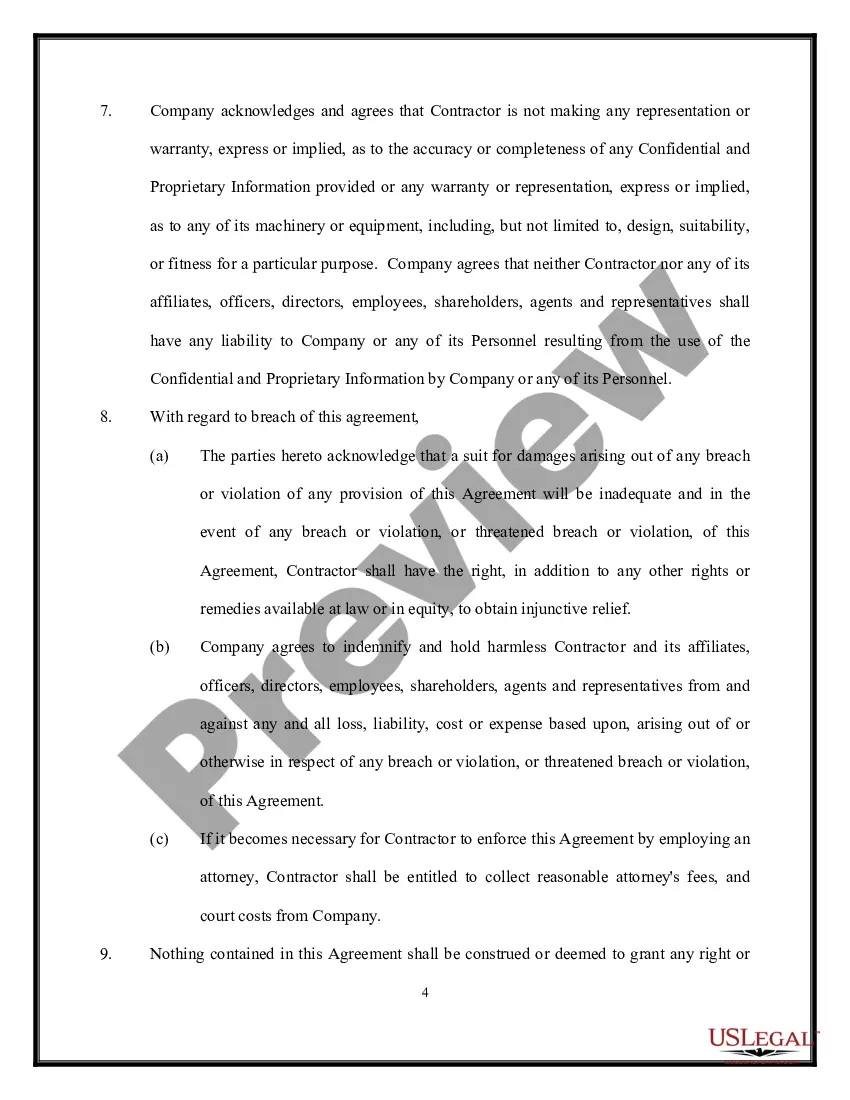
With this in mind, here are 10 key provisions you should know when drafting an NDA. Properly Identifying the Parties. Definition of Confidential Information. Carveouts to Confidential Information. Representatives. Legally Required Disclosures. Return/Destruction of Confidential Information. Remedies for Breach. Term of the NDA.
While California imposes strict limitations on NDAs, they are still enforceable in specific scenarios. You can use NDAs to protect: Trade secrets, such as recipes, algorithms, or manufacturing processes. Customer and supplier information.
Breaking an NDA usually doesn't result in jail time — as NDAs are civil contracts, not criminal agreements. Typically, the consequence is a breach of contract lawsuit, where the harmed party may seek financial compensation if the court rules in their favor.
NDAs, or non-disclosure agreements, are legally enforceable contracts that create a confidential relationship between a person who has sensitive information and a person who will gain access to that information. A confidential relationship means one or both parties has a duty not to share that information.
