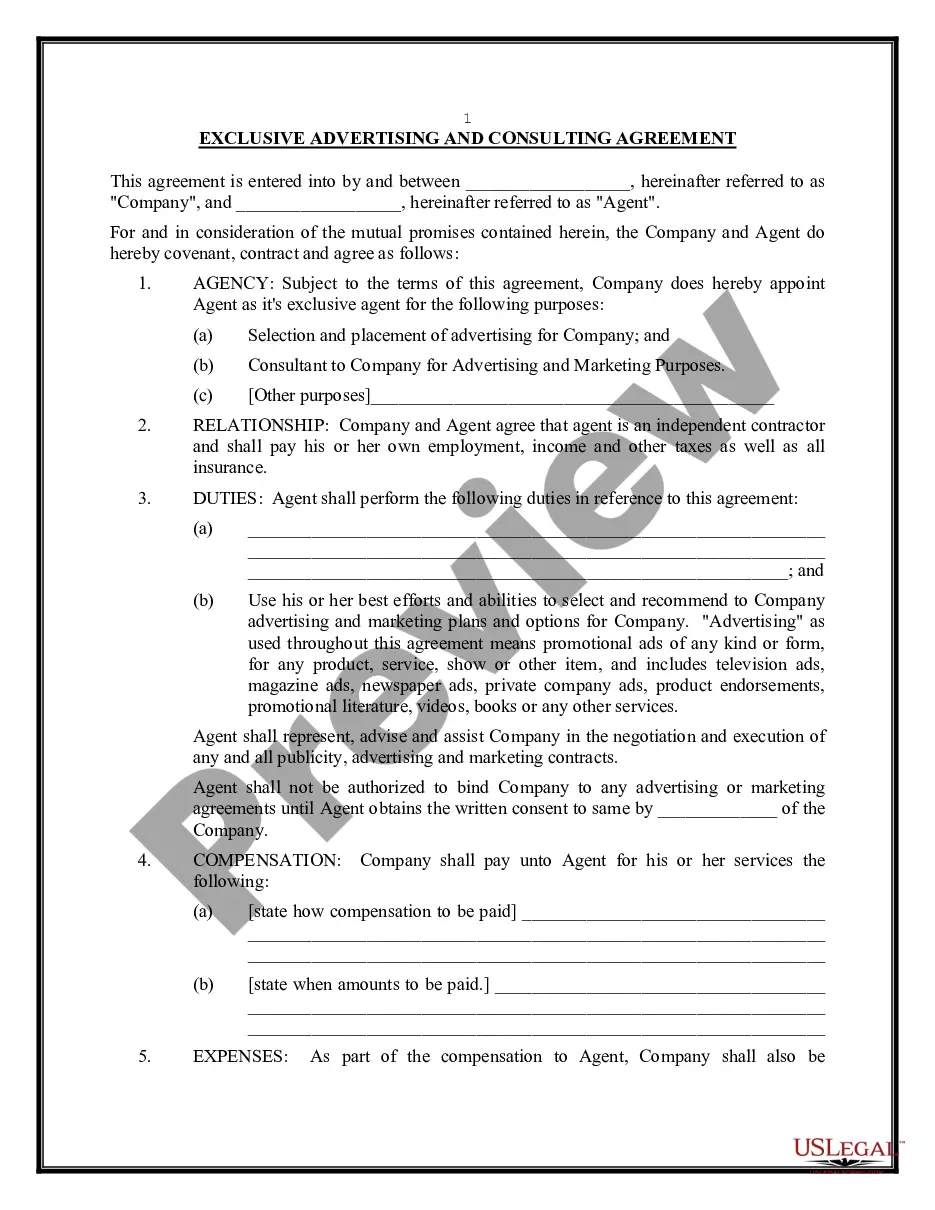
Confidentiality Agreement Format With Vendor In San Antonio
Description

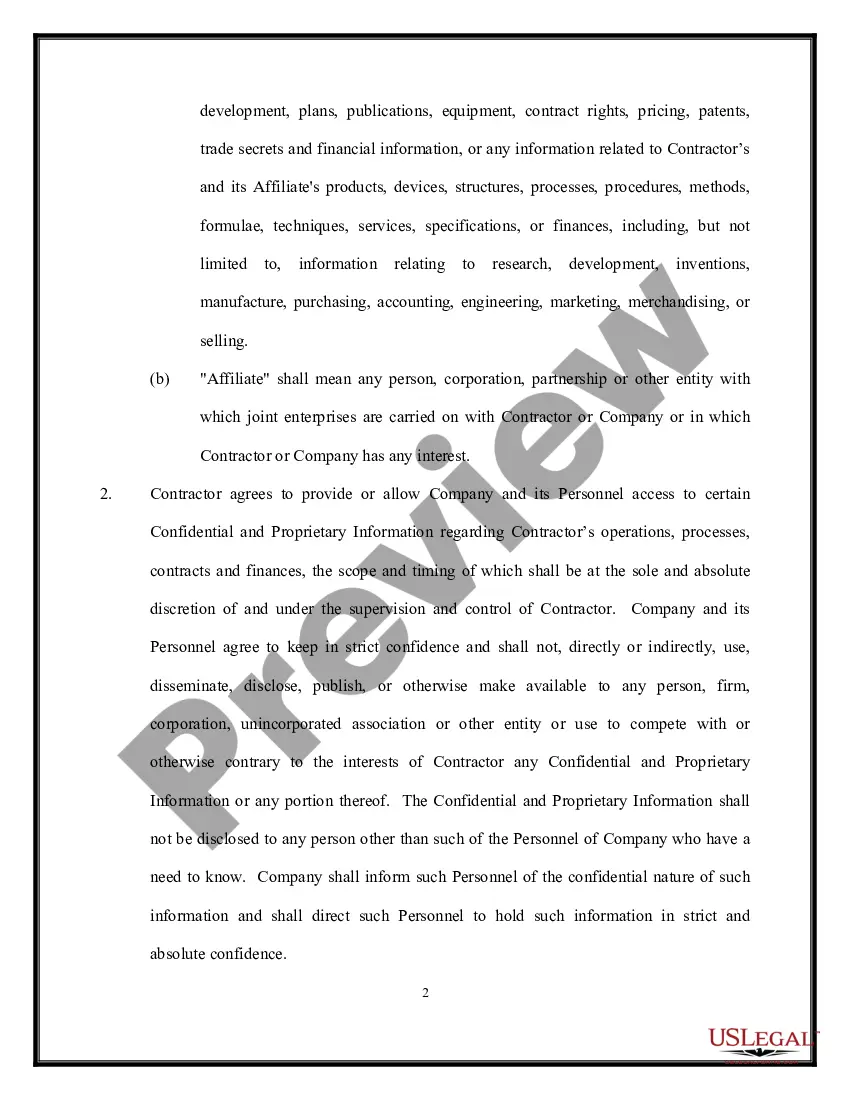
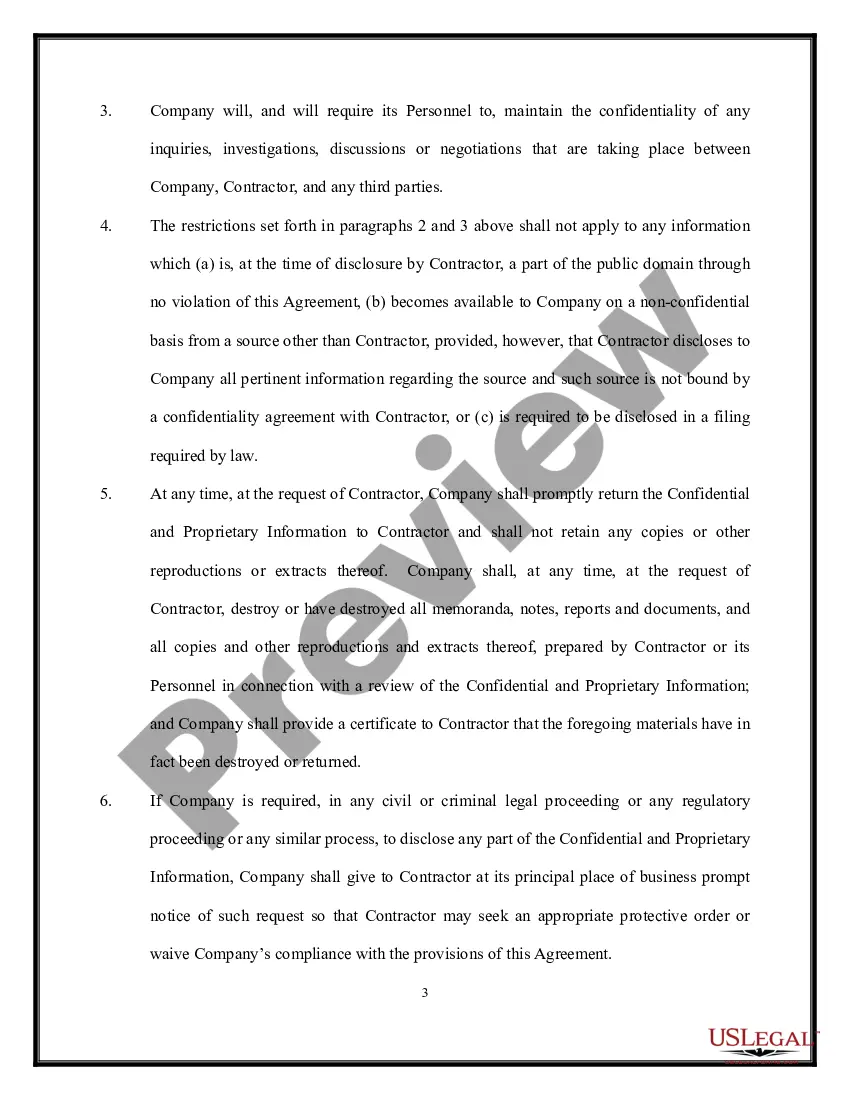
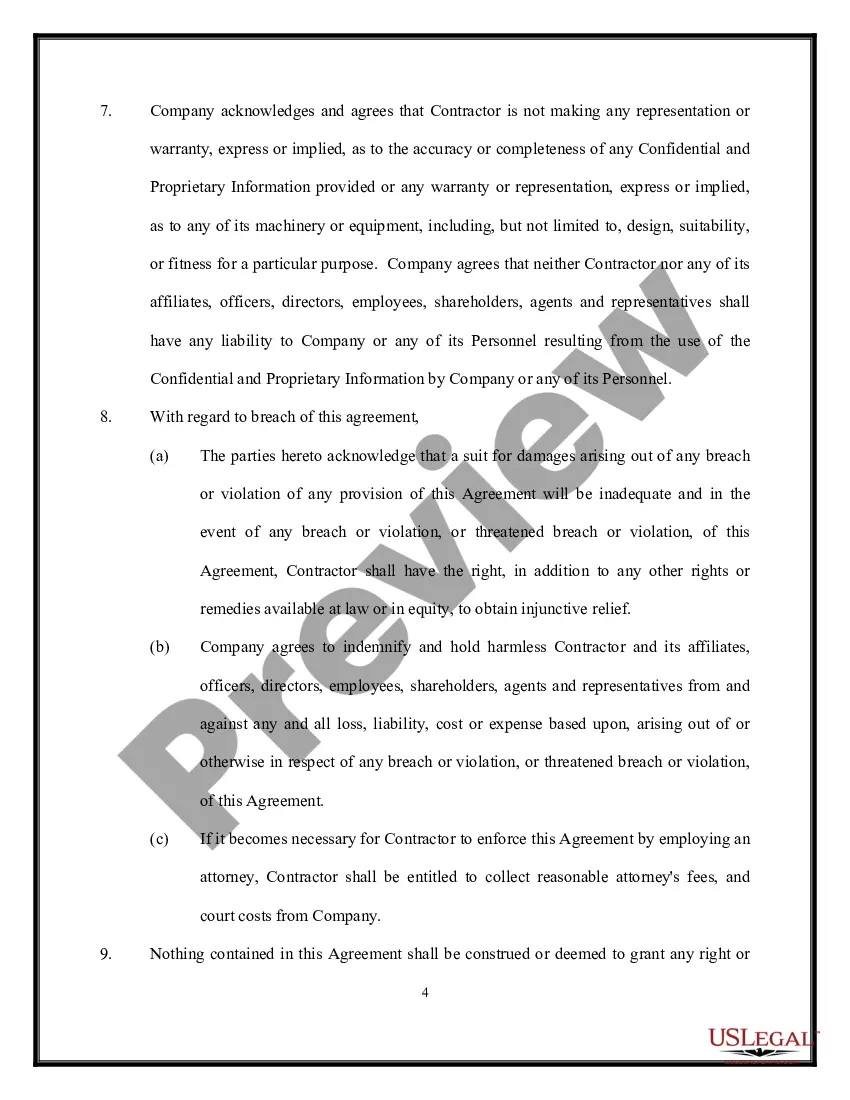
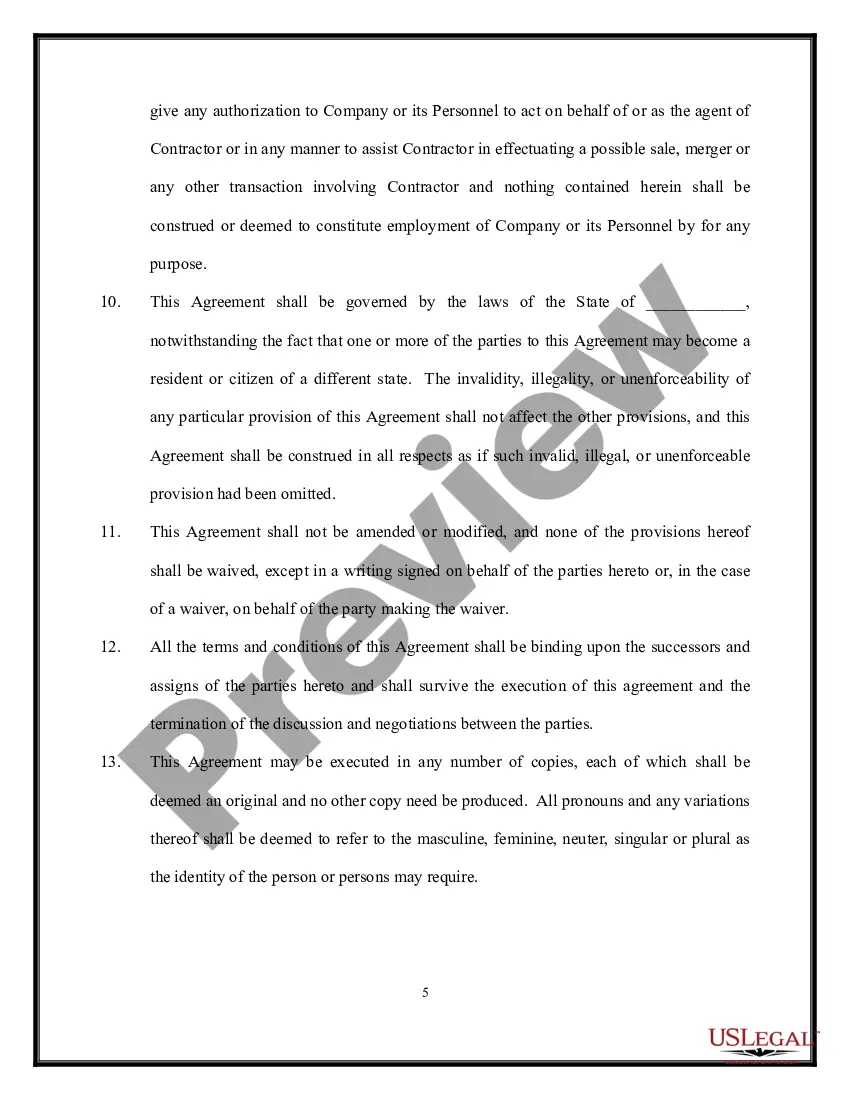
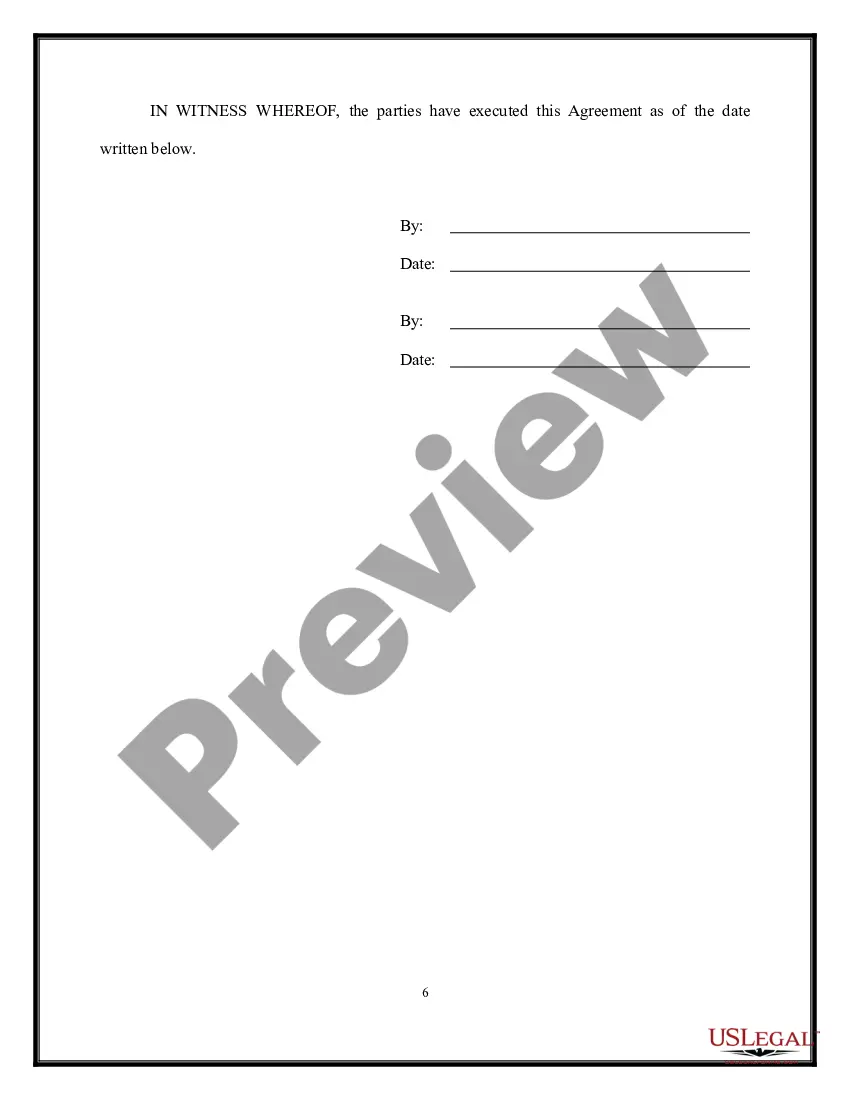
Get your form ready online
Our built-in tools help you complete, sign, share, and store your documents in one place.
Make edits, fill in missing information, and update formatting in US Legal Forms—just like you would in MS Word.
Download a copy, print it, send it by email, or mail it via USPS—whatever works best for your next step.
Sign and collect signatures with our SignNow integration. Send to multiple recipients, set reminders, and more. Go Premium to unlock E-Sign.
If this form requires notarization, complete it online through a secure video call—no need to meet a notary in person or wait for an appointment.
We protect your documents and personal data by following strict security and privacy standards.

Make edits, fill in missing information, and update formatting in US Legal Forms—just like you would in MS Word.

Download a copy, print it, send it by email, or mail it via USPS—whatever works best for your next step.

Sign and collect signatures with our SignNow integration. Send to multiple recipients, set reminders, and more. Go Premium to unlock E-Sign.

If this form requires notarization, complete it online through a secure video call—no need to meet a notary in person or wait for an appointment.

We protect your documents and personal data by following strict security and privacy standards.
Looking for another form?

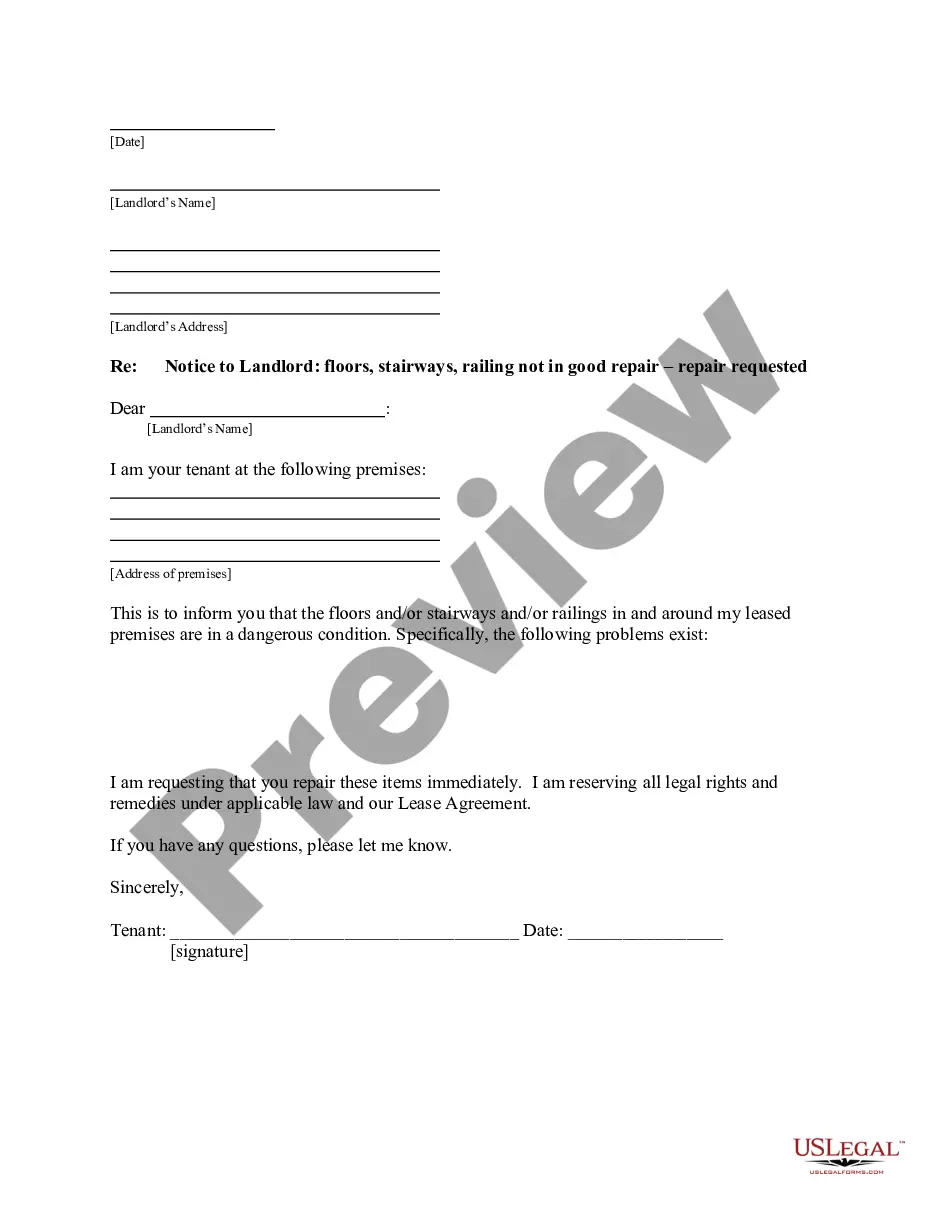
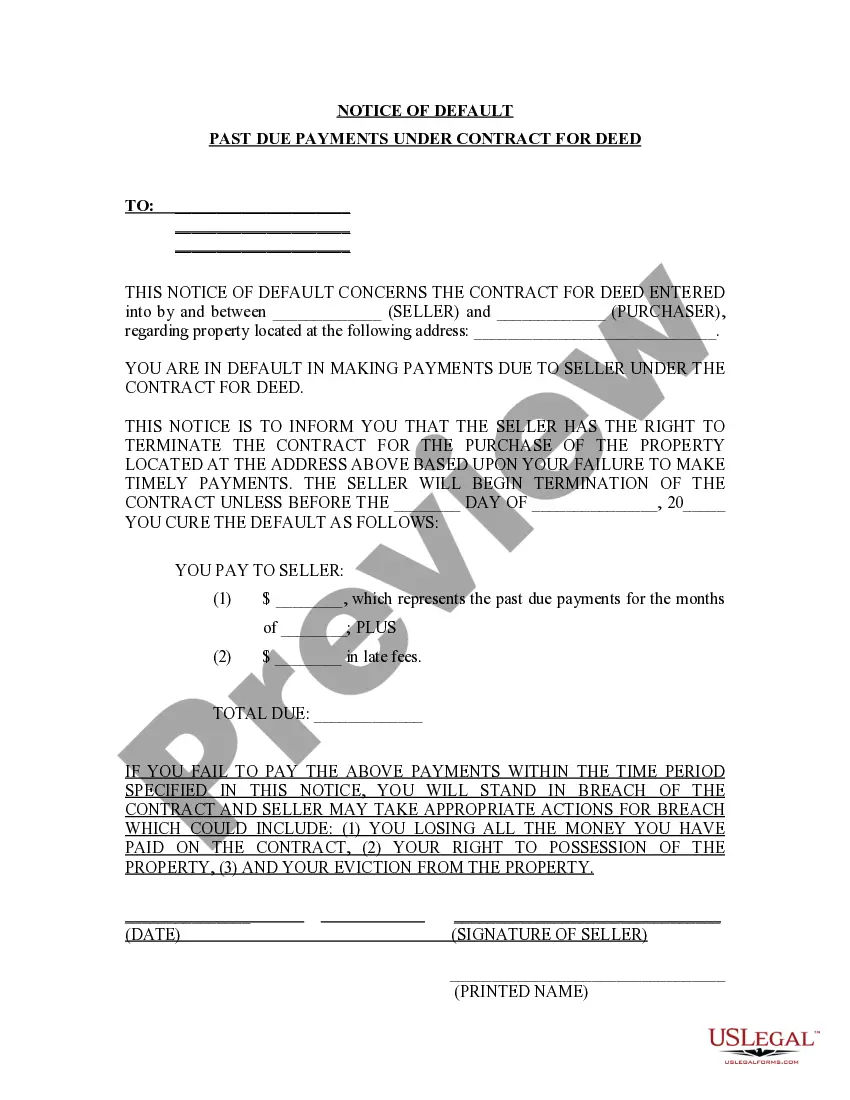
Form popularity
FAQ
What is the difference between a DPA and a NDA? A DPA (Data Processing Agreement) outlines terms for data processing, focusing on ensuring data protection and privacy compliance. An NDA (Non-Disclosure Agreement) is a contract where parties agree not to disclose confidential information they've shared with each other.
A confidentiality agreement should include the names and addresses of the parties to the contract. Consider also including: Reason for the agreement: Explain why you're sharing this information. The information disclosed: Be specific about the subject matter and what exactly is included in the agreement.
Confidentiality clauses protect sensitive information exchanged during the vendor relationship, such as proprietary data or business strategies. These clauses are essential for maintaining the integrity and confidentiality of business operations.
What is a confidentiality agreement? Confidentiality agreements protect parties entering into business relationships or transactions that require the exchange of sensitive, private information otherwise inaccessible to third parties. Confidential information is the heart of any confidentiality agreement.
A confidentiality agreement is intended to protect the trade secrets and other confidential information between two or more parties, such as you and your vendor.
In a mutual NDA, by contrast, both parties agree not to reveal each other's confidential information. While the unilateral NDA is a one-way street, an MNDA creates a confidential relationship where information is protected by both parties.
Yes, nonsolicitation agreements are still enforceable in Texas, provided they meet certain criteria: Reasonableness: The agreement must be reasonable in scope and duration.
A confidentiality agreement should include the names and addresses of the parties to the contract. Consider also including: Reason for the agreement: Explain why you're sharing this information. The information disclosed: Be specific about the subject matter and what exactly is included in the agreement.
The contents, terms, and conditions of this Agreement must be kept confidential by Employee.Name and may only be disclosed to their accountant or attorneys or pursuant to subpoena or court order. Any breach of this confidentiality provision shall be deemed a material breach of this Agreement.
This email may contain confidential information. If you are not the person to whom this message is addressed, be aware that any use, reproduction, or distribution of this message is strictly prohibited. If you received this in error, please contact the sender and immediately delete this email and any attachments.