Disclosure Vs Confidentiality In Riverside
Description

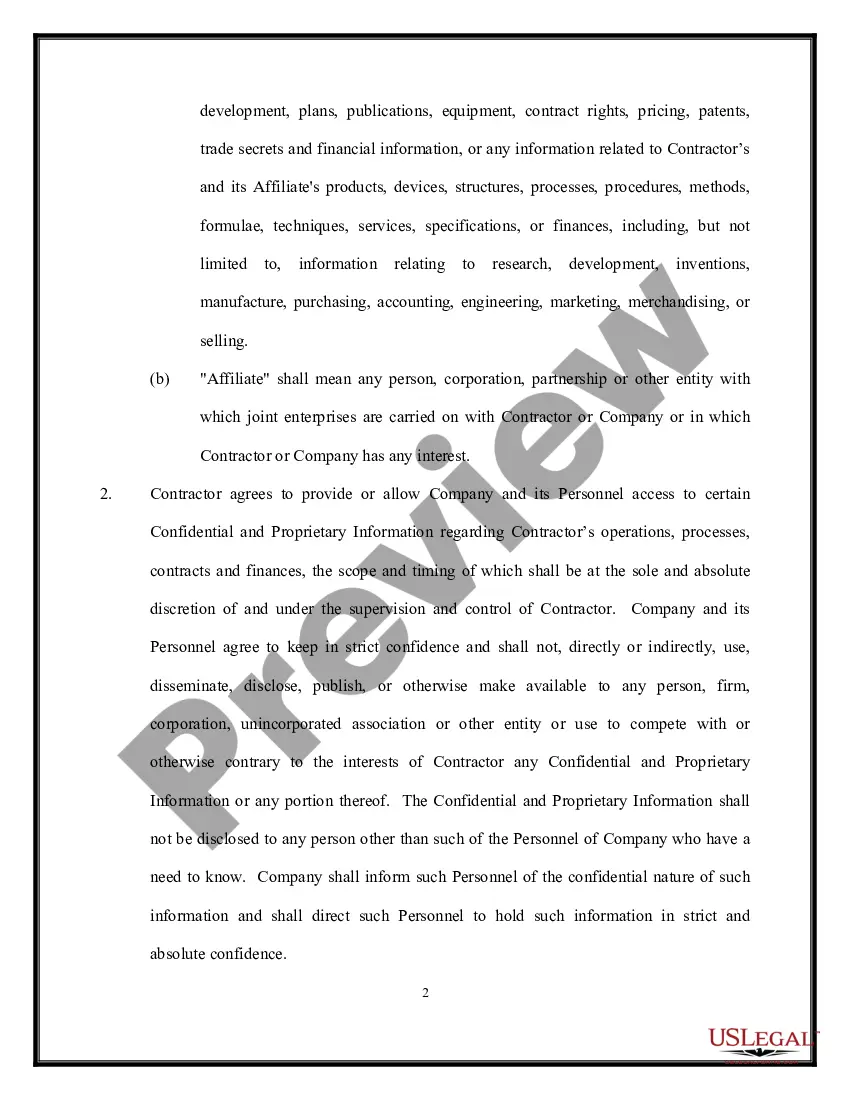
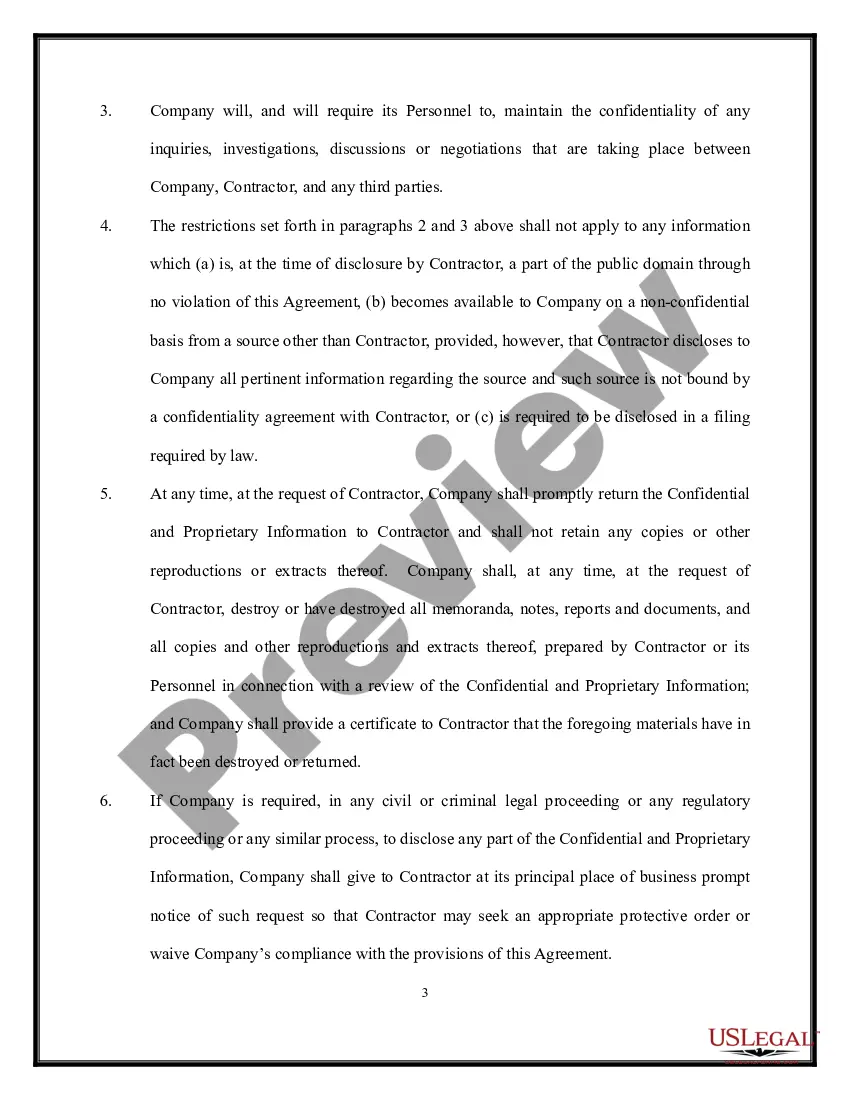
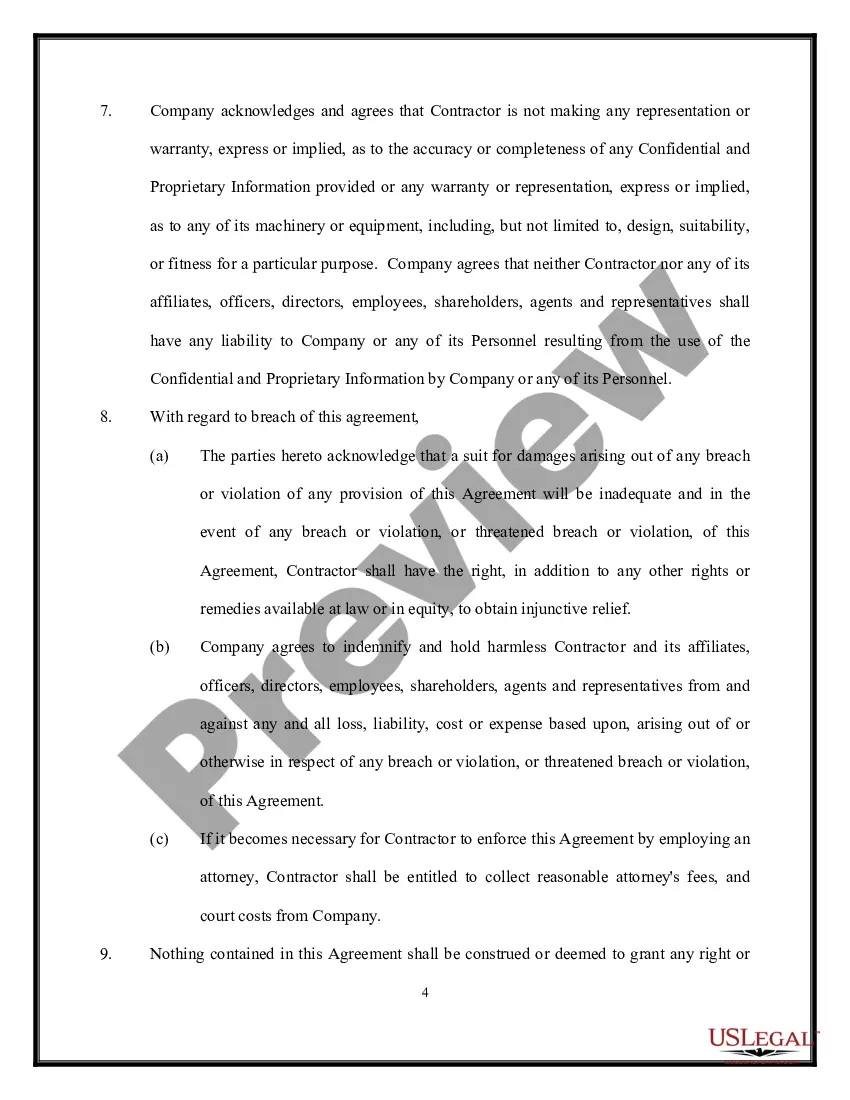
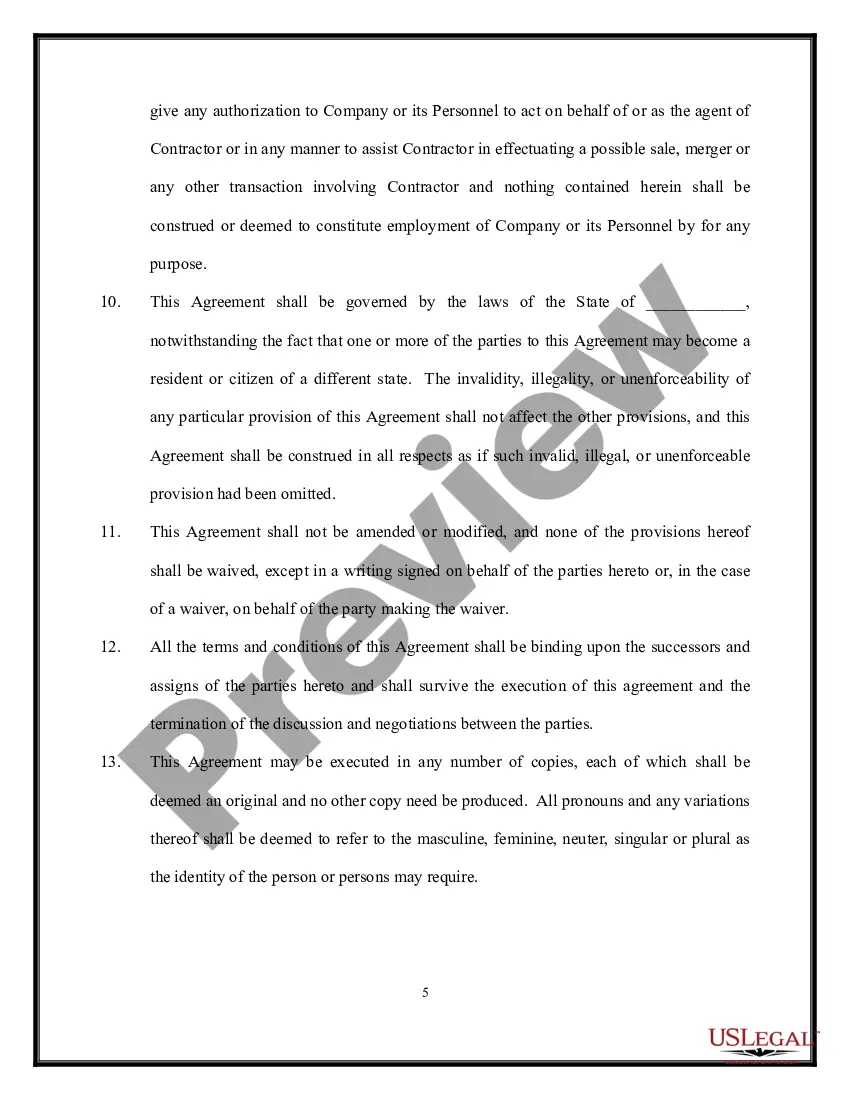
Get your form ready online
Our built-in tools help you complete, sign, share, and store your documents in one place.
Make edits, fill in missing information, and update formatting in US Legal Forms—just like you would in MS Word.
Download a copy, print it, send it by email, or mail it via USPS—whatever works best for your next step.
Sign and collect signatures with our SignNow integration. Send to multiple recipients, set reminders, and more. Go Premium to unlock E-Sign.
If this form requires notarization, complete it online through a secure video call—no need to meet a notary in person or wait for an appointment.
We protect your documents and personal data by following strict security and privacy standards.

Make edits, fill in missing information, and update formatting in US Legal Forms—just like you would in MS Word.

Download a copy, print it, send it by email, or mail it via USPS—whatever works best for your next step.

Sign and collect signatures with our SignNow integration. Send to multiple recipients, set reminders, and more. Go Premium to unlock E-Sign.

If this form requires notarization, complete it online through a secure video call—no need to meet a notary in person or wait for an appointment.

We protect your documents and personal data by following strict security and privacy standards.
Looking for another form?







Form popularity
FAQ
Employees and trade unions have a right to disclosure of information, in terms of the Constitution and the LRA, however, if employers are reluctant or refuse to disclose information to them; this will negatively affect the effectiveness of trade unions.
The general rule under the Privacy Act is that an agency cannot disclose a record contained in a system of records unless the individual to whom the record pertains gives prior written consent to the disclosure. There are twelve exceptions to this general rule.
Keep all confidential information in a secure place. Do not leave it lying on your desk top or anywhere it can be easily accessed by unauthorized persons. It is best to keep it in a locked drawer or file cabinet. You may be asked to return all confidential information, or destroy it at the option of the owner.
Conditions of Disclosure to Third Parties. The general rule under the Privacy Act is that an agency cannot disclose a record contained in a system of records unless the individual to whom the record pertains gives prior written consent to the disclosure. There are twelve exceptions to this general rule.
Use: NDAs are often used by startups or third-party partnerships. CDAs are used in high-value corporate transactions or in military service.
In contrast to secrecy with its withholding of guilt and shame, confidentiality can be viewed as a therapeutic factor. Information shared in confidence within the group is not withheld in a spirit of fear or antagonism to some agency outside the group.
Information is 'confidential' if there is a restriction on its disclosure, normally placed by the person or organisation that provides it.
What is a nondisclosure agreement? Whereas confidentiality agreements are typically devised in employment or personal situations to protect sensitive information, NDAs are often used in business and legal settings to protect trade secrets, client lists, and financial data.
Non-Disclosure Agreement is used when the obligation is one-way (or unilateral). However, if there is a two-way (or multi-lateral) exchange of secret or commercially sensitive information, the agreement is more likely to be titled a Confidentiality Agreement.
Common law confidentiality is not codified in an Act of Parliament but built up from case law through individual judgments. The key principle is that information confided should not be used or disclosed further, except as originally understood by the confider, or with their subsequent permission.
