Non Disclosure Agreement For Business Idea Template In Ohio
Description

Get your form ready online
Our built-in tools help you complete, sign, share, and store your documents in one place.
Make edits, fill in missing information, and update formatting in US Legal Forms—just like you would in MS Word.
Download a copy, print it, send it by email, or mail it via USPS—whatever works best for your next step.
Sign and collect signatures with our SignNow integration. Send to multiple recipients, set reminders, and more. Go Premium to unlock E-Sign.
If this form requires notarization, complete it online through a secure video call—no need to meet a notary in person or wait for an appointment.
We protect your documents and personal data by following strict security and privacy standards.

Make edits, fill in missing information, and update formatting in US Legal Forms—just like you would in MS Word.

Download a copy, print it, send it by email, or mail it via USPS—whatever works best for your next step.

Sign and collect signatures with our SignNow integration. Send to multiple recipients, set reminders, and more. Go Premium to unlock E-Sign.

If this form requires notarization, complete it online through a secure video call—no need to meet a notary in person or wait for an appointment.

We protect your documents and personal data by following strict security and privacy standards.
Looking for another form?




Form popularity
FAQ
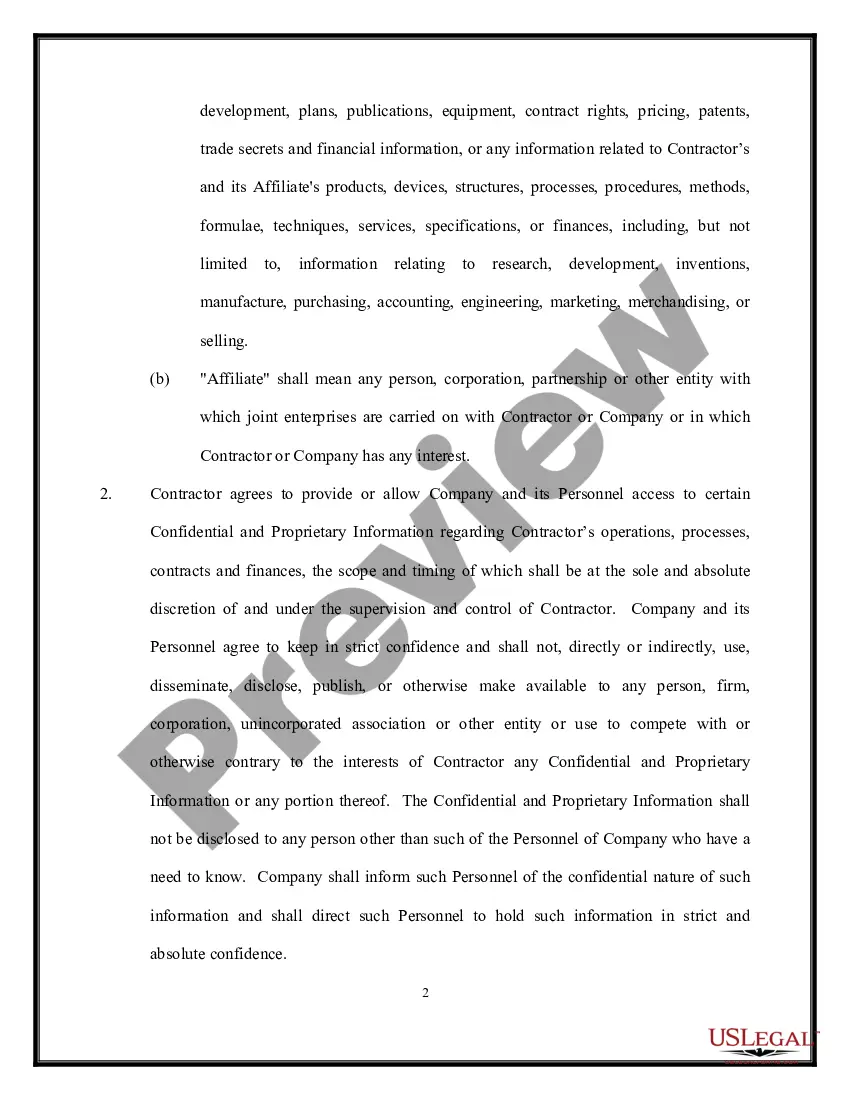
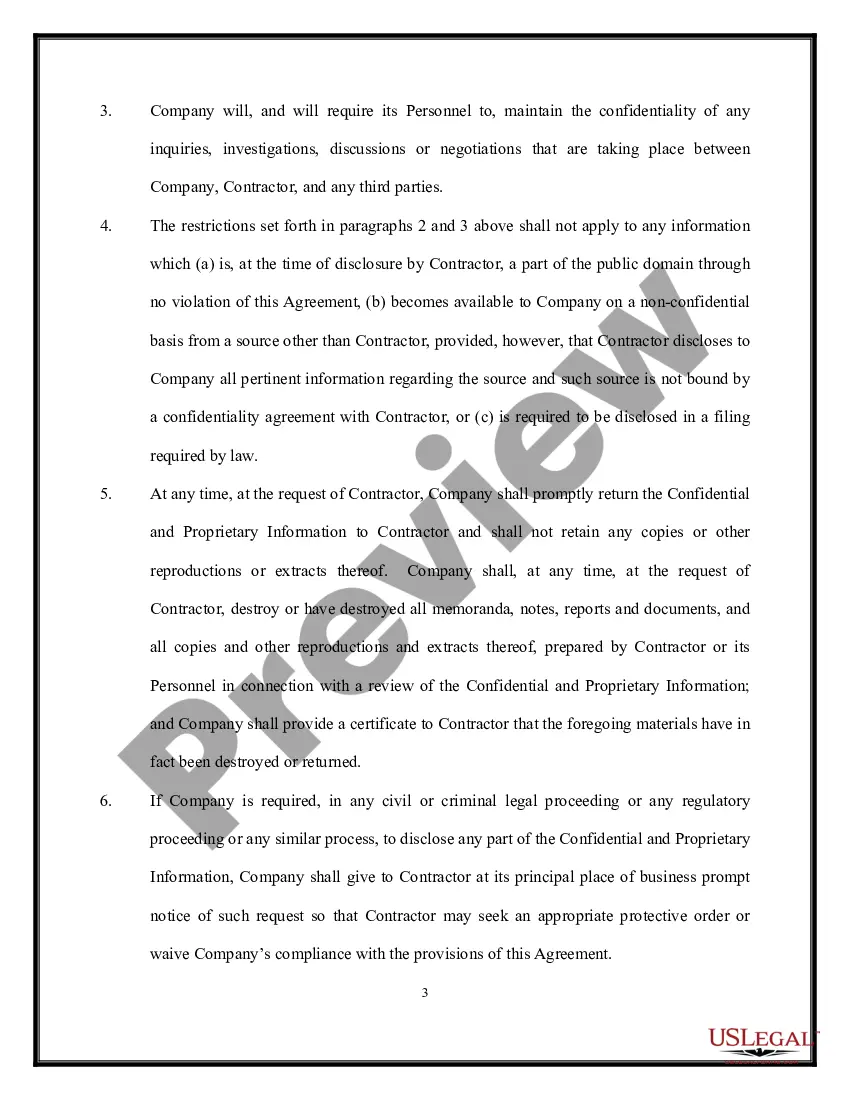
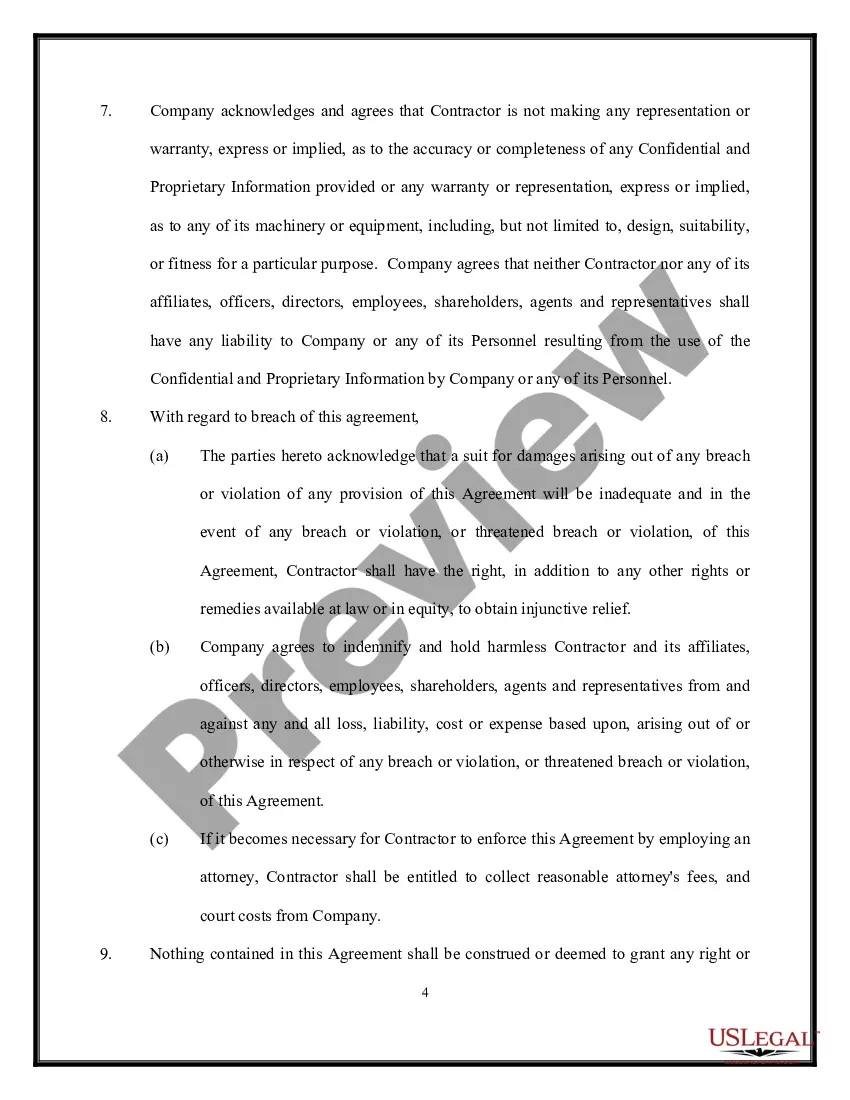
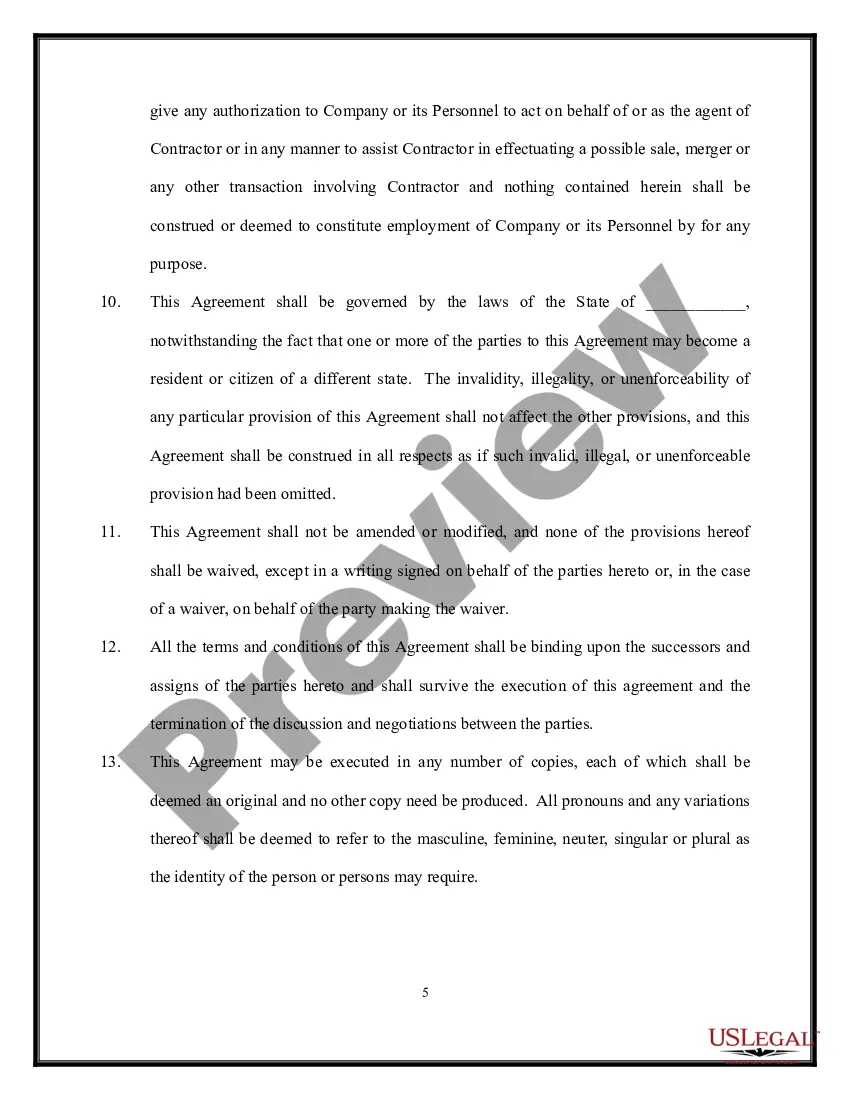
An Ohio non-disclosure agreement (NDA) is a legal contract that safeguards confidential information shared between parties. This confidentiality agreement prevents the receiving party from using the disclosed information without permission, in compliance with Ohio state law.
An NDA limits how information is used, for what purposes, and with what consequences. If the party that signs the NDA uses your secret information without your authorization, you could file a court order to prevent them from making further disclosures. Another option would be to sue the violator for damages.
An NDA creates the legal framework to protect ideas and information from being stolen or shared with competitors or third parties. Breaking an NDA agreement triggers a host of legal ramifications, including lawsuits, financial penalties, and even criminal charges.
Introduction. The new FTC rule on non-competes will make most non-compete clauses illegal. It is scheduled to go into effect 120 days from April 23, 2024. A non-compete in Ohio is a contract between an employer and employee that states that the employee cannot compete with the employer after termination.
How do I write a Non-Disclosure Agreement? Contact information for the parties involved. Details about the confidential information that needs protection. Permitted uses of the confidential information by the recipient. Time restrictions for keeping information confidential. Reason for disclosure.
(B)(1) A person is allowed to act in self-defense, defense of another, or defense of that person's residence.
Non-disclosure agreements (NDAs) are agreements in contract law where parties agree that certain information will remain confidential. As such, an NDA binds a person who has signed it and prevents them from discussing any information included in the contract with anyone not authorized by the NDA.
Signing an NDA is a wise precaution to help ensure privacy when exchanging commercially sensitive material. They are often signed before entering into further business dealings, for example they help to ensure client confidentiality and protect commercial interests when sharing ideas with investors or designers.
NDA is also commonly used in an employee-employer relationship where employees need to have access to confidential information in course of their employment and the employer prepares a non-disclosure agreement to prevent the use or disclosure of the information for any other purpose.
