Nondisclosure Confidentiality Agreement With Client In Nevada
Description

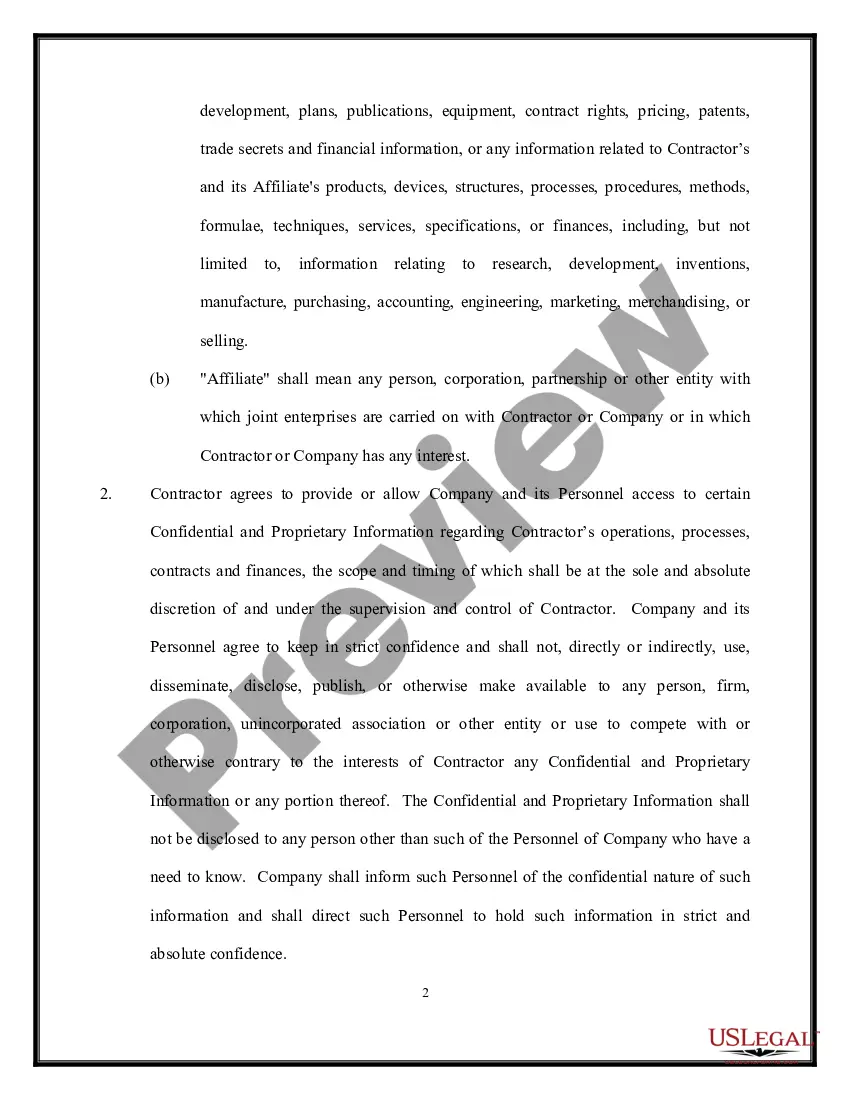
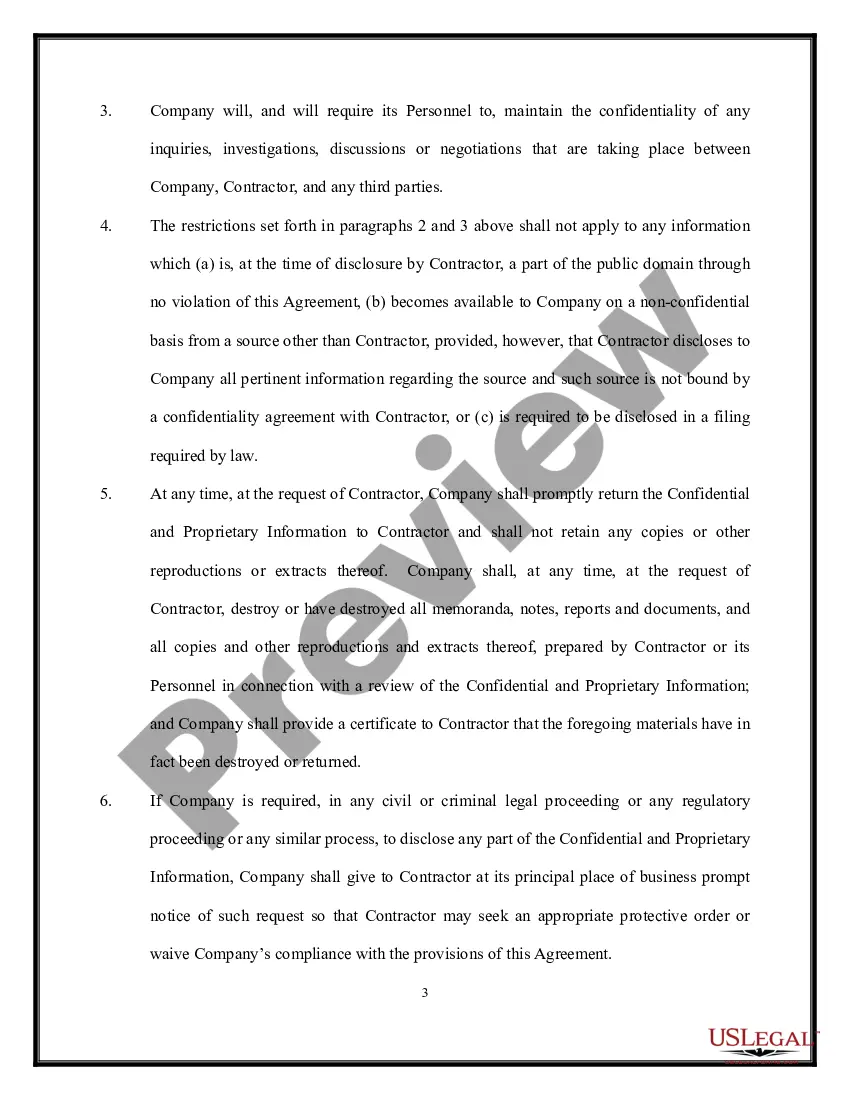
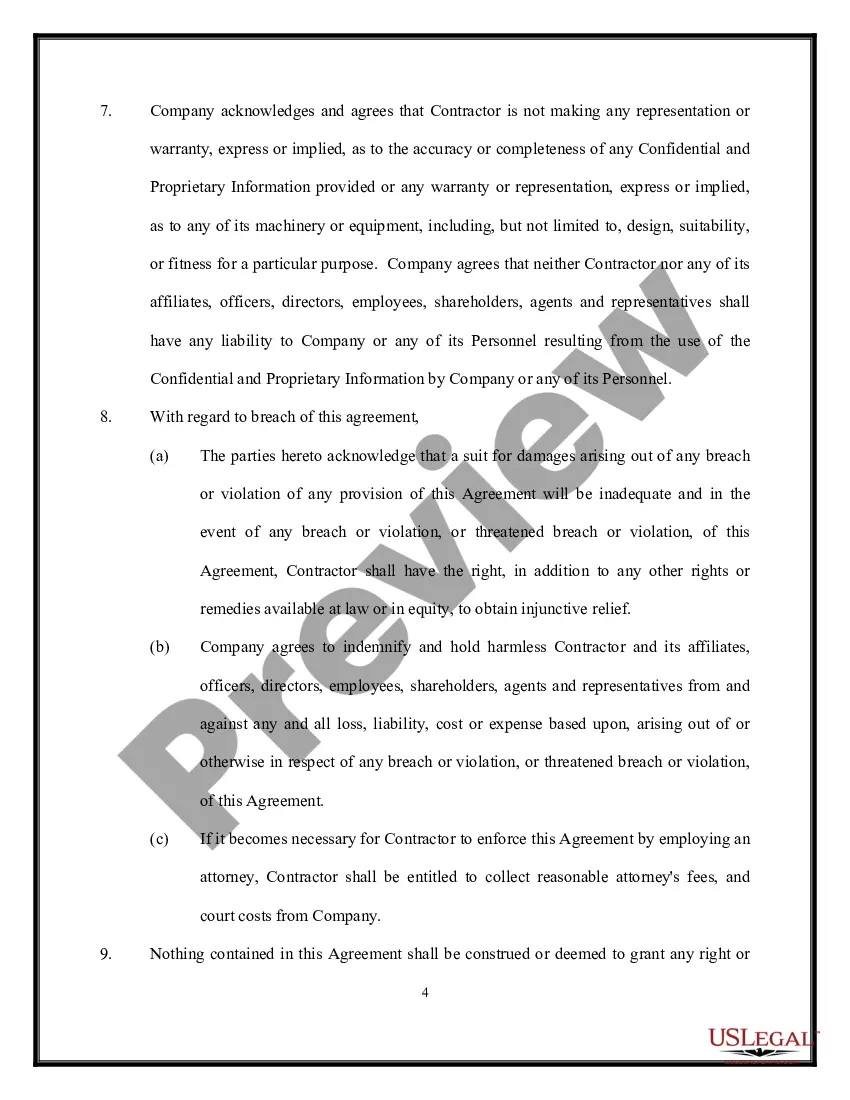
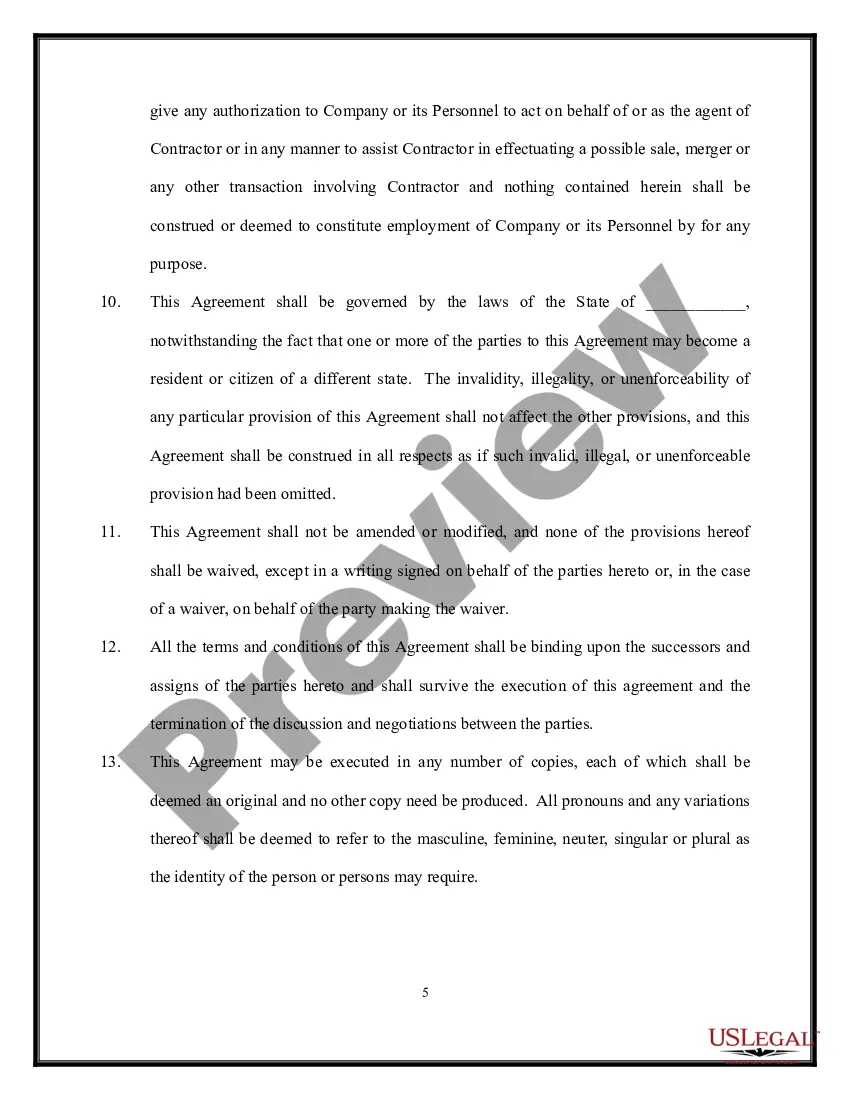
Get your form ready online
Our built-in tools help you complete, sign, share, and store your documents in one place.
Make edits, fill in missing information, and update formatting in US Legal Forms—just like you would in MS Word.
Download a copy, print it, send it by email, or mail it via USPS—whatever works best for your next step.
Sign and collect signatures with our SignNow integration. Send to multiple recipients, set reminders, and more. Go Premium to unlock E-Sign.
If this form requires notarization, complete it online through a secure video call—no need to meet a notary in person or wait for an appointment.
We protect your documents and personal data by following strict security and privacy standards.

Make edits, fill in missing information, and update formatting in US Legal Forms—just like you would in MS Word.

Download a copy, print it, send it by email, or mail it via USPS—whatever works best for your next step.

Sign and collect signatures with our SignNow integration. Send to multiple recipients, set reminders, and more. Go Premium to unlock E-Sign.

If this form requires notarization, complete it online through a secure video call—no need to meet a notary in person or wait for an appointment.

We protect your documents and personal data by following strict security and privacy standards.
Looking for another form?






Form popularity
FAQ
For example, if two parties wish to discuss sensitive material without the threat of that information leaking to a third party, they can use an NDA to establish confidentiality rules. Doctor-patient confidentiality, attorney-client privilege, and bank–client confidentiality are forms of non-disclosure agreements.
As such, periods of confidentiality are typically 2-5 years from disclosure of the Confidential Information. Consequences of a breach. The NDA should spell out the consequences of a party's breach of the NDA. These can include the damages or other compensation for the breach.
In a unilateral NDA, one party agrees not to reveal confidential information. In a mutual NDA, both sides agree that they will not share confidential information. In all other aspects, these two types of confidentiality agreements are identical, especially when it comes to enforcement and the consequences of a breach.
A confidentiality agreement should include a clear definition of the confidential information, scope of the agreement, obligations of the receiving party, the duration of the contract, any exceptions to confidentiality, and the consequences of a breach of the contract.
Confidentiality clause Party A and Party B shall not disclose any information or materials provided by the other party to a third party for any reason, form or purpose without the permission of the other party, otherwise Party B shall bear the corresponding legal responsibility and compensate for the losses.
An NDA is generally an enforceable contract, and violating it could lead to a lawsuit on a number of grounds. Those who have been victims of an NDA violation should carefully review their options before taking legal action. They may have no choice but to act to protect their business or reputation.
A Confidential Disclosure Agreement (CDA), also referred to as non-disclosure agreement (NDA) or secrecy agreement, is a legal agreement between a minimum of two parties which outlines information the parties wish to share with one another for certain evaluation purposes, but wish to restrict from wider use and ...
"The parties agree that all information disclosed by one Party to the other Party, whether orally or in writing, will be treated as confidential and proprietary, and shall not be used for any purpose other than the performance of this Agreement without the prior written consent of the disclosing party."
The key elements of Non-Disclosure Agreements: Identification of the parties. Definition of what is deemed to be confidential. The scope of the confidentiality obligation by the receiving party. The exclusions from confidential treatment. The term of the agreement.
A confidentiality agreement should include the names and addresses of the parties to the contract. Consider also including: Reason for the agreement: Explain why you're sharing this information. The information disclosed: Be specific about the subject matter and what exactly is included in the agreement.
