Non-disclosure Agreement With External Auditors In Montgomery
Description

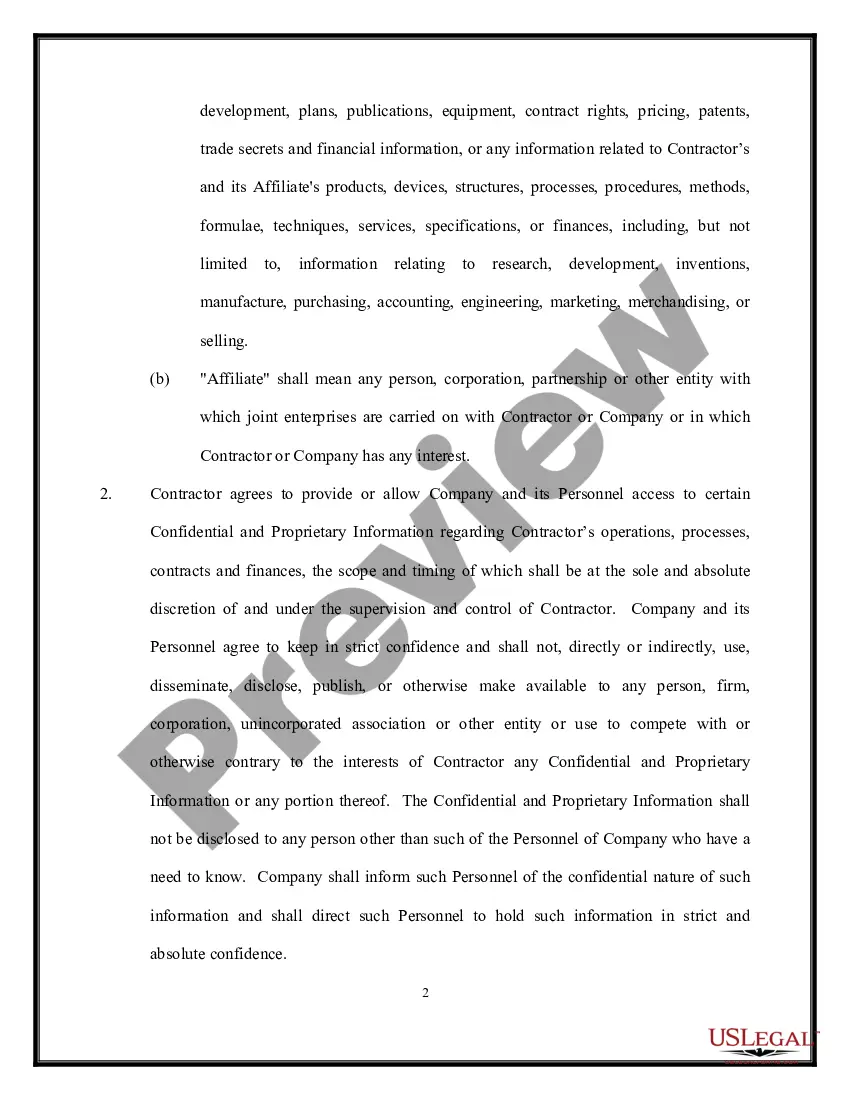
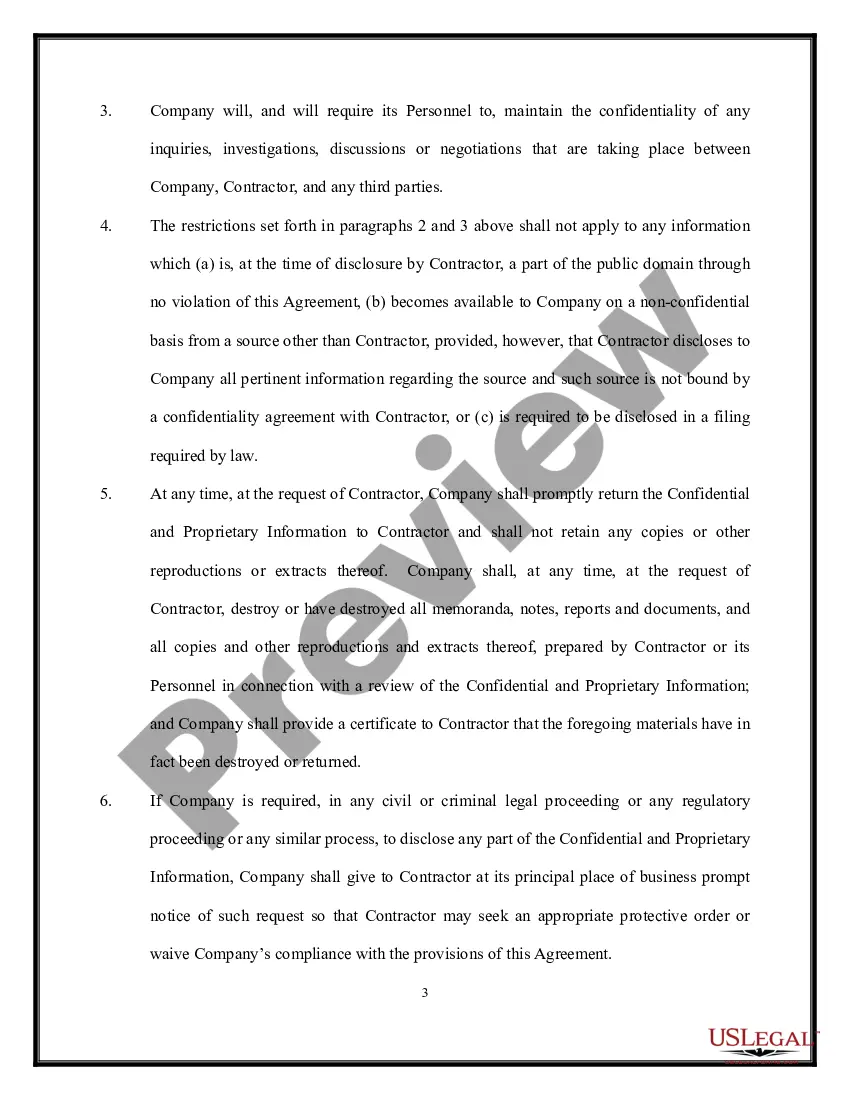
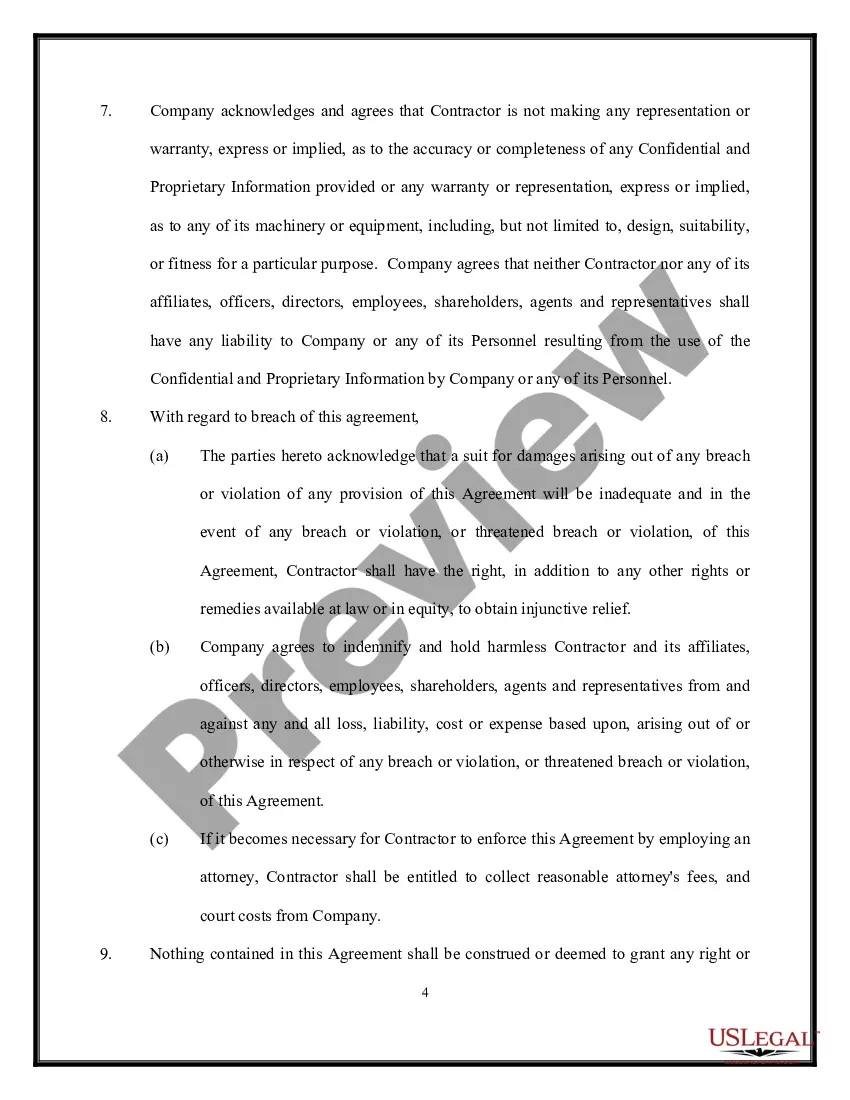
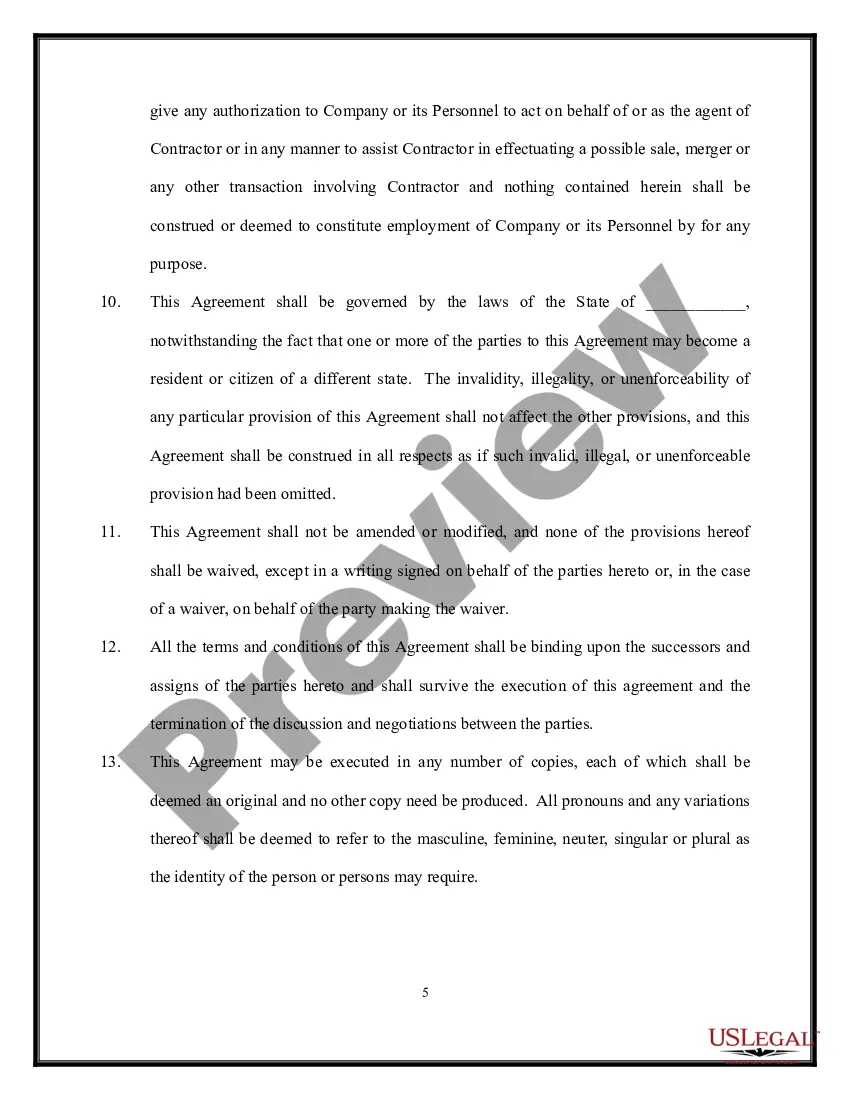
Get your form ready online
Our built-in tools help you complete, sign, share, and store your documents in one place.
Make edits, fill in missing information, and update formatting in US Legal Forms—just like you would in MS Word.
Download a copy, print it, send it by email, or mail it via USPS—whatever works best for your next step.
Sign and collect signatures with our SignNow integration. Send to multiple recipients, set reminders, and more. Go Premium to unlock E-Sign.
If this form requires notarization, complete it online through a secure video call—no need to meet a notary in person or wait for an appointment.
We protect your documents and personal data by following strict security and privacy standards.

Make edits, fill in missing information, and update formatting in US Legal Forms—just like you would in MS Word.

Download a copy, print it, send it by email, or mail it via USPS—whatever works best for your next step.

Sign and collect signatures with our SignNow integration. Send to multiple recipients, set reminders, and more. Go Premium to unlock E-Sign.

If this form requires notarization, complete it online through a secure video call—no need to meet a notary in person or wait for an appointment.

We protect your documents and personal data by following strict security and privacy standards.
Looking for another form?

Form popularity
FAQ
Protecting sensitive information: Signing an NDA creates a legal obligation to keep sensitive information confidential. Any leak of that information is a breach of contract.
In order to minimize the risk of information falling into the wrong hands, make sure to avoid the four common NDA traps below. Typos and Clerical Errors. Poorly Defining "Confidentiality" ... Not Defining Enforcement and Penalties. Having the Wrong Person Sign.
Before signing an NDA, look out for seven crucial red flags that could limit your freedom or expose you to risks, including broad definitions of confidential information, indefinite duration, lack of mutuality, restrictive non-compete clauses, absence of provisions for legal disclosures, unclear remedies for breach, ...
If you need an NDA, looking at templates online isn't a bad place to start, but ideally you should work with a lawyer who can write a simple NDA for you or tweak the one you have. You may be able to find someone in your community who can do it for a few hundred bucks.
Before you sign an NDA, keep the following seven points in mind. Parties to the agreement. Identification of what information is confidential. Time frame of the agreement. Return of the information. Obligations of the recipient. Remedies for breaches of agreement. Other clauses.
Coordination of audit efforts can be accomplished through: periodic meetings to discuss matters of mutual interest, such as planned audit activities; access to each other's audit programs and working papers; exchange of audit reports and management letters; and.
Typically, a legal professional writing the NDA will complete these steps: Step 1 - Describe the scope. Which information is considered confidential? ... Step 2 - Detail party obligations. Step 3 - Note potential exclusions. Step 4 - Set the term. Step 5 - Spell out consequences.
Overly broad language. If an employer writes an NDA that is too broad or too restrictive, a court is more likely to view it with skepticism. That is especially true if the agreement is not limited in duration or scope.
To create a Non-Disclosure Agreement, include the following information: The parties' names and contact information. The length of the non-disclosure period. The scope and definition of the confidential information. The obligations of the Non-Disclosure Agreement. The ownership and return information.
NDAs may be unilateral ("One-Way In" or “One-Way Out”), involving a party either disclosing or receiving confidential information, or Bilateral ("Two-Way"), with mutual exchange of confidential information.
