Legal Definition For Affidavit In Georgia
Description
Get your form ready online
Our built-in tools help you complete, sign, share, and store your documents in one place.
Make edits, fill in missing information, and update formatting in US Legal Forms—just like you would in MS Word.
Download a copy, print it, send it by email, or mail it via USPS—whatever works best for your next step.
Sign and collect signatures with our SignNow integration. Send to multiple recipients, set reminders, and more. Go Premium to unlock E-Sign.
If this form requires notarization, complete it online through a secure video call—no need to meet a notary in person or wait for an appointment.
We protect your documents and personal data by following strict security and privacy standards.

Make edits, fill in missing information, and update formatting in US Legal Forms—just like you would in MS Word.

Download a copy, print it, send it by email, or mail it via USPS—whatever works best for your next step.

Sign and collect signatures with our SignNow integration. Send to multiple recipients, set reminders, and more. Go Premium to unlock E-Sign.

If this form requires notarization, complete it online through a secure video call—no need to meet a notary in person or wait for an appointment.

We protect your documents and personal data by following strict security and privacy standards.
Looking for another form?






Form popularity
FAQ
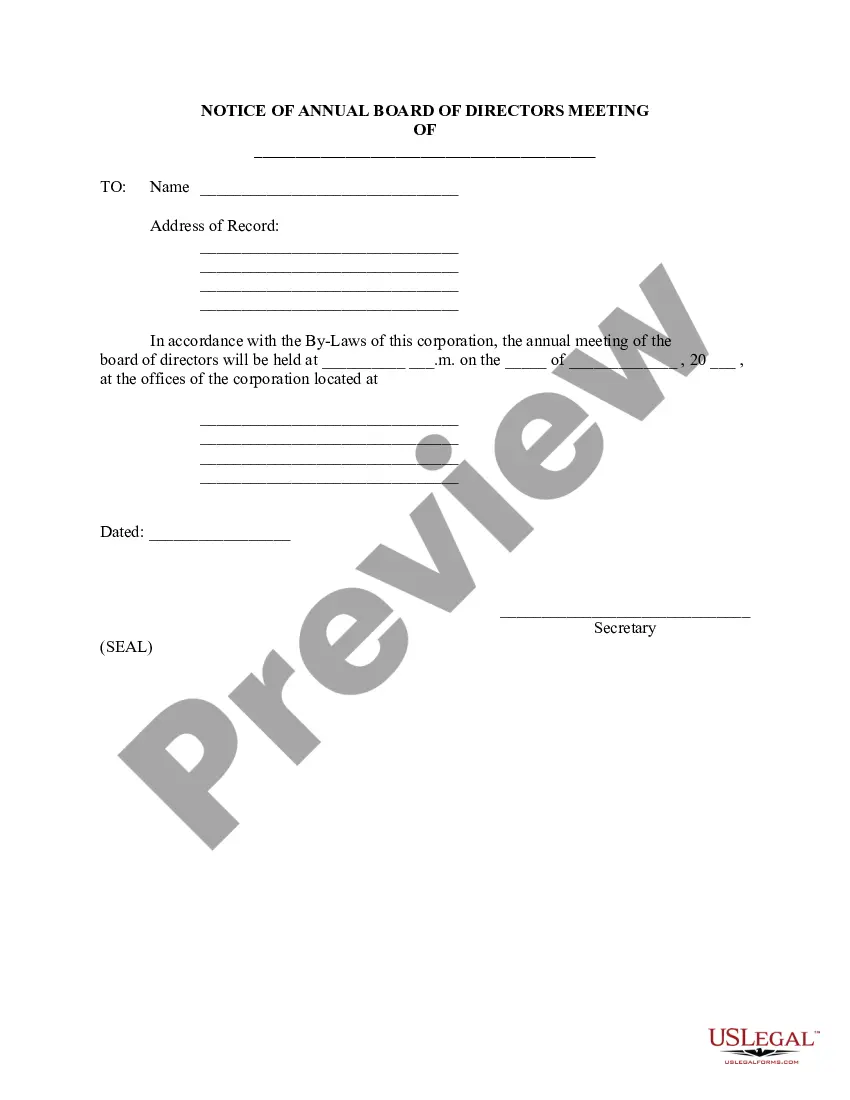
Affidavit definition. An affidavit is a sworn statement put in writing. When you use an affidavit, you're claiming that the information within the document is true and correct to the best of your knowledge. Like taking an oath in court, an affidavit is only valid when you make it voluntarily and without any coercion.
Overview of GA Affidavit of Correction The affidavit serves as a formal statement, with the affiant affirming the truthfulness of the corrected information.
An affidavit is a sworn statement a person makes before a notary or officer of the court outside of the court asserting that certain facts are true to the best of that person's knowledge. Affidavits by both plaintiff / prosecutor and defense witnesses are usually collected in preparation for a trial .
Noun. af·fi·da·vit ˌa-fə-ˈdā-vət. : a sworn statement in writing made especially under oath or on affirmation before an authorized magistrate or officer compare deposition, examination. Etymology. Medieval Latin, he/she has pledged faith, third singular perfect of affidare see affiant.
All affidavits, petitions, answers, defenses, or other proceedings required to be verified or sworn to under oath shall be held to be sufficient when the same are sworn to before any notary public, magistrate, judge of any court, or any other officer of the state or county where the oath is made who is authorized by ...
Sworn statement: A statement made under oath, often used interchangeably with “affidavit.” Declaration: A formal statement, sometimes without an oath, that conveys similar meaning in legal settings. Testimonial: A statement given by a witness, which may take a written or verbal form, often used in court.
An affidavit (/ˌæfɪˈdeɪvɪt/ AF-ih-DAY-vit; Medieval Latin for "he has declared under oath") is a written statement voluntarily made by an affiant or deponent under an oath or affirmation which is administered by a person who is authorized to do so by law.
N. A sworn written statement of evidence used mainly to support certain applications and, in some circumstances, as evidence in court proceedings. The person who makes the affidavit must swear or affirm that the contents are true before a person authorized to take oaths in respect of the particular kind of affidavit.
Affidavit refers to a written promise, and its Latin roots connect it to another kind of promise in English. It comes from a past tense form of the Latin verb affidare, meaning “to pledge”; in Latin, affidavit translates to “he or she has made a pledge.”
An affidavit is a sworn statement put in writing. When you use an affidavit, you're claiming that the information within the document is true and correct to the best of your knowledge. Like taking an oath in court, an affidavit is only valid when you make it voluntarily and without any coercion.