Non Disclosure Form For Employees In Mecklenburg
Description

Form popularity
FAQ
North Carolina's only statutory provision directly addressing non-compete agreements requires that any contract limiting a person's right to do business anywhere in the state must be in writing and signed.
Employee inclusive of his/her direct beneficiaries in business, interest and title in recognition of the transfer of Confidential and Proprietary Information to Company Name hereby agrees not to directly or indirectly compete with the business of Company name and its successors and assigns during the term of the ...
Nearly 20 states have passed laws restricting their use in dealing with sexual misconduct in the workplace, including Arizona, California, Colorado, Hawaii, Illinois, Louisiana, Maine, Maryland, Nevada, New Jersey, New Mexico, New York, Oregon, Tennessee, Utah, Vermont, Virginia, and Washington.
The Residential Property Disclosure Act, codified as North Carolina G.S. 47E, requires the seller of residential real estate (one to four dwelling units) to complete a form—known formally as the Residential Property and Owners' Association Disclosure Statement—disclosing conditions and defects with the property.
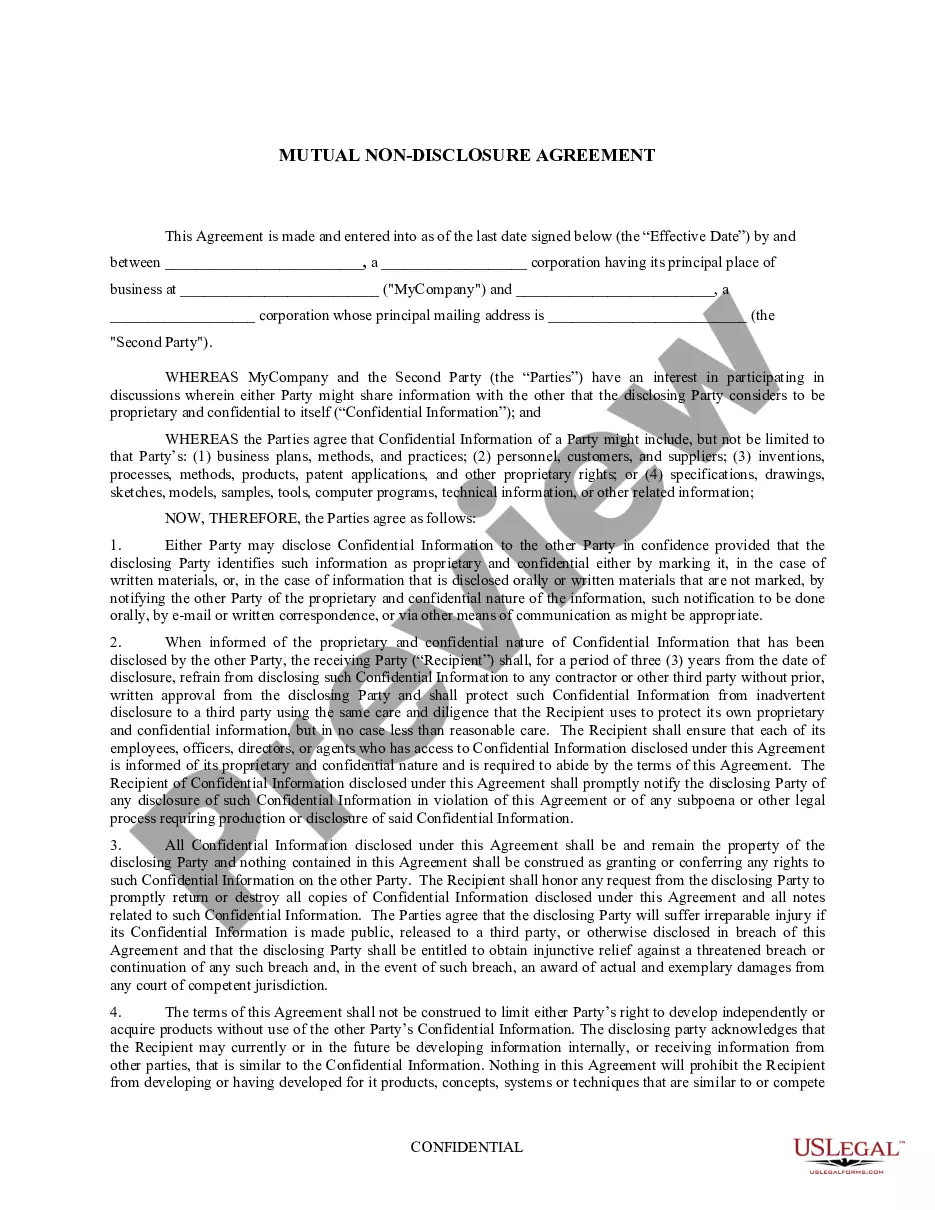
You do not need a lawyer to create and sign a non-disclosure agreement. However, if the information you are trying to protect is important enough to warrant an NDA, you may want to have the document reviewed by someone with legal expertise.
In North Carolina, the legal implications of NDAs and non-compete agreements differ significantly. Non-disclosure agreements are generally more widely accepted and enforceable compared to non-compete agreements due to their narrower scope and focus on protecting specific confidential information.
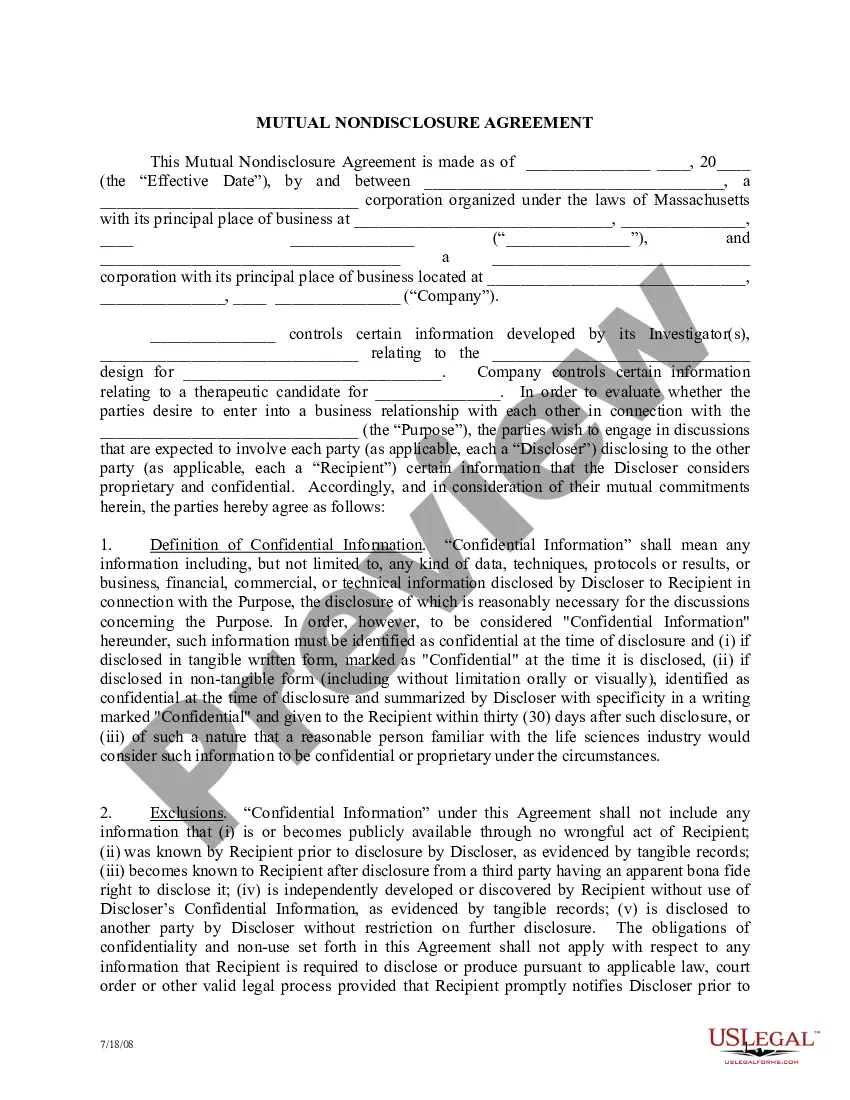
A North Carolina non-disclosure agreement (NDA) is a legal contract that safeguards confidential information shared between parties. This confidentiality agreement prevents the receiving party from using the disclosed information without permission, in compliance with North Carolina state law.
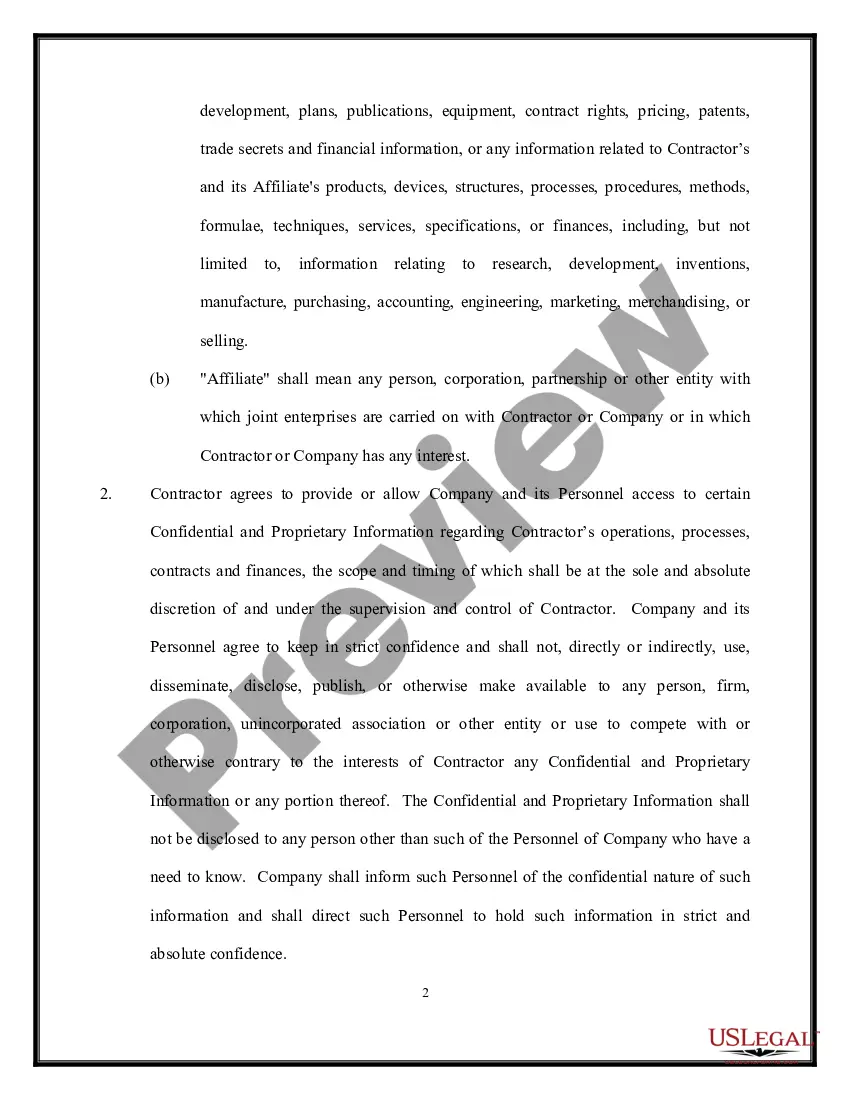
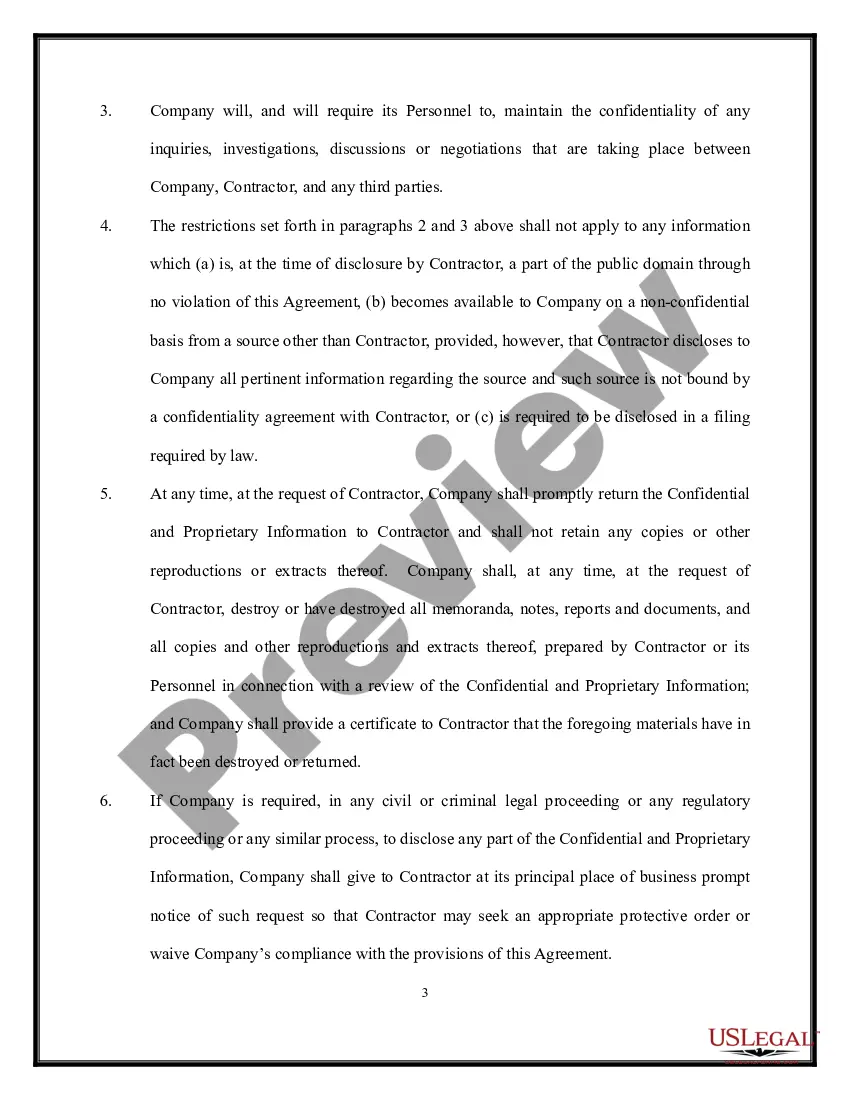
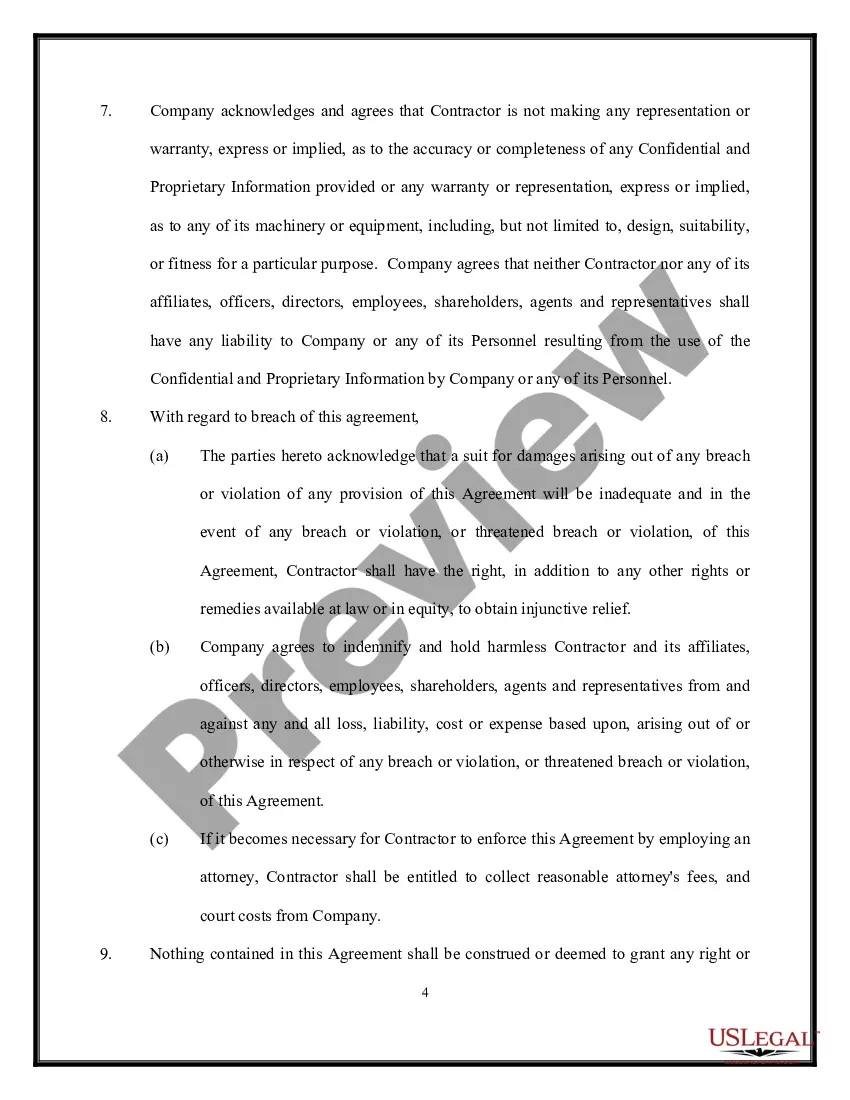
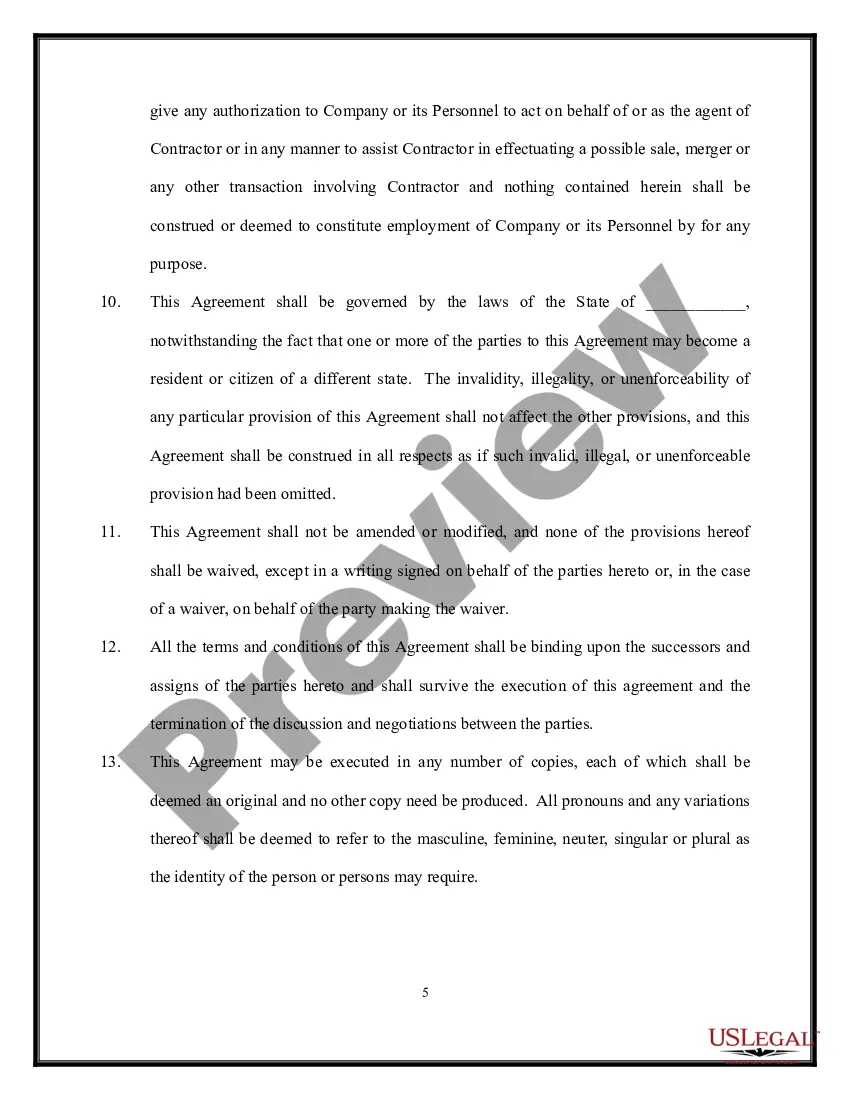
Employee agrees that he/she will never use any Confidential Information for his/her own benefit or for the benefit of any person or entity other than the Company, and will not permit or allow any Confidential Information to be used in competition with the Company.
2. NDAs are enforceable when they are signed — if they are properly drafted and executed.
What happens if someone breaches a North Carolina non-disclosure agreement? If a party breaches the NDA without written approval, the other party can seek legal remedies, such as injunctive actions or damages as per North Carolina state laws.
