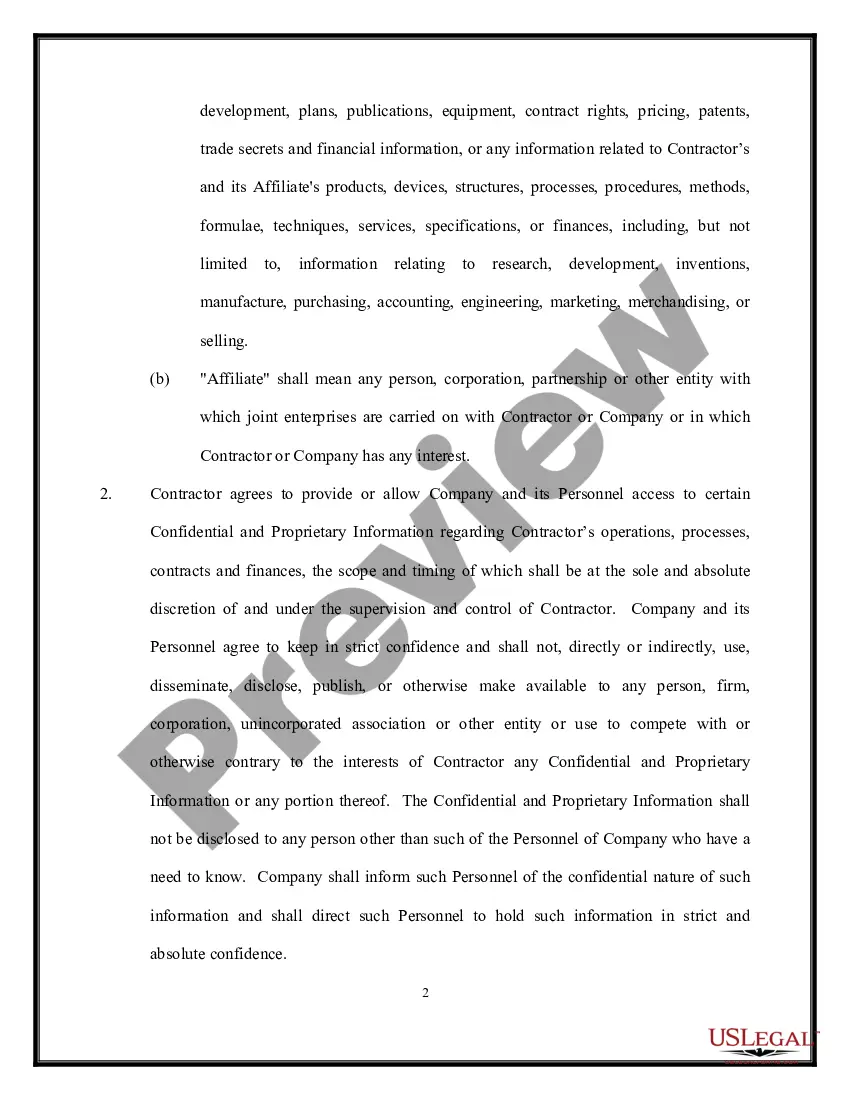
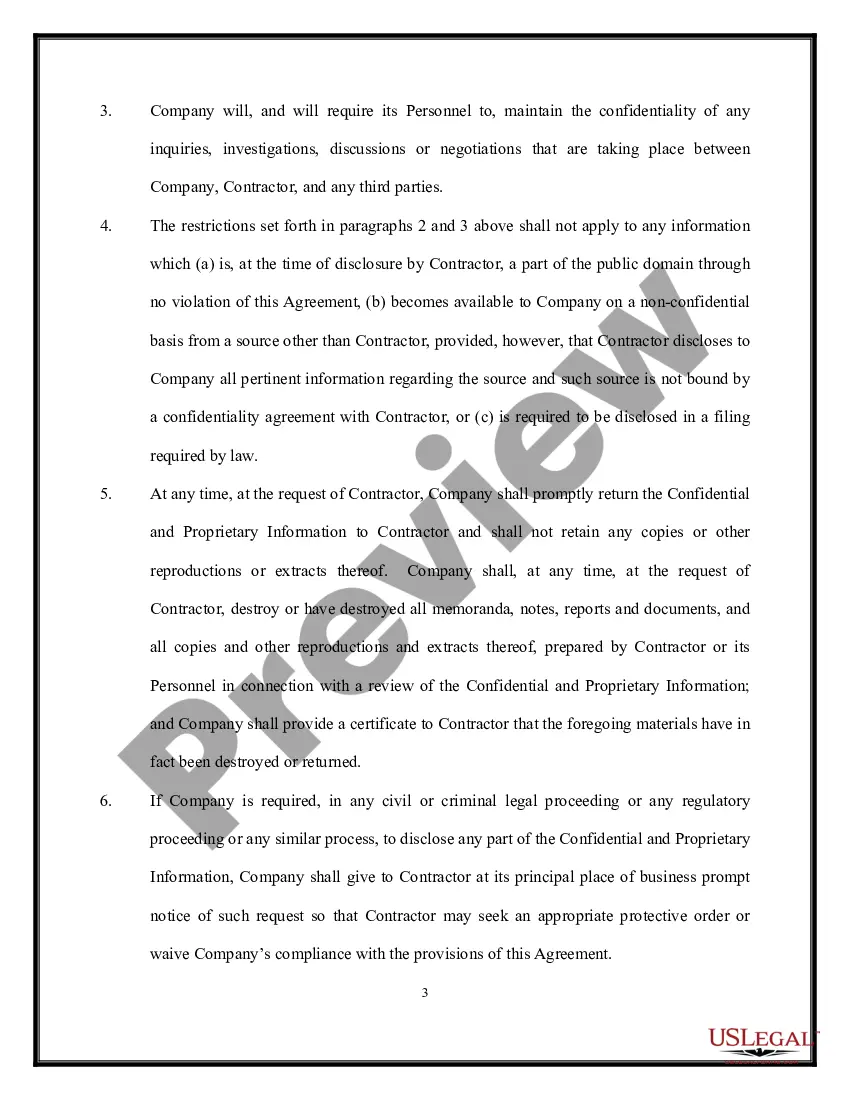
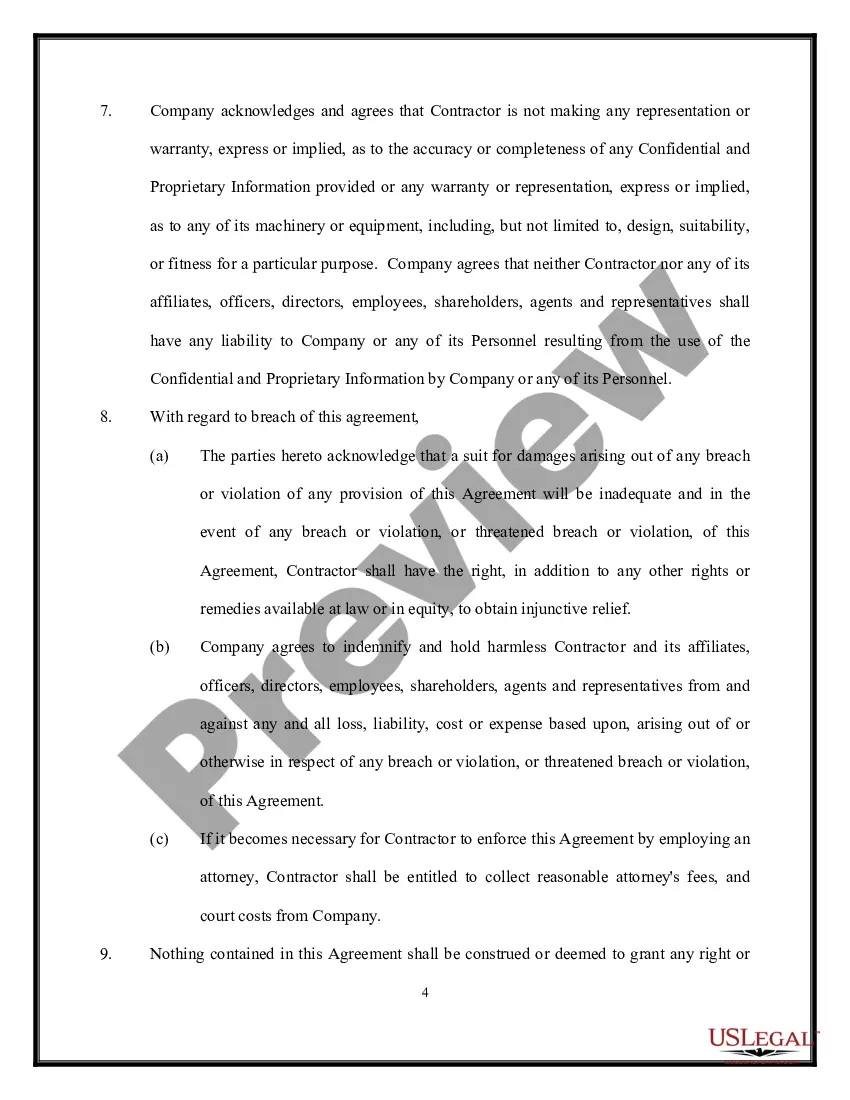
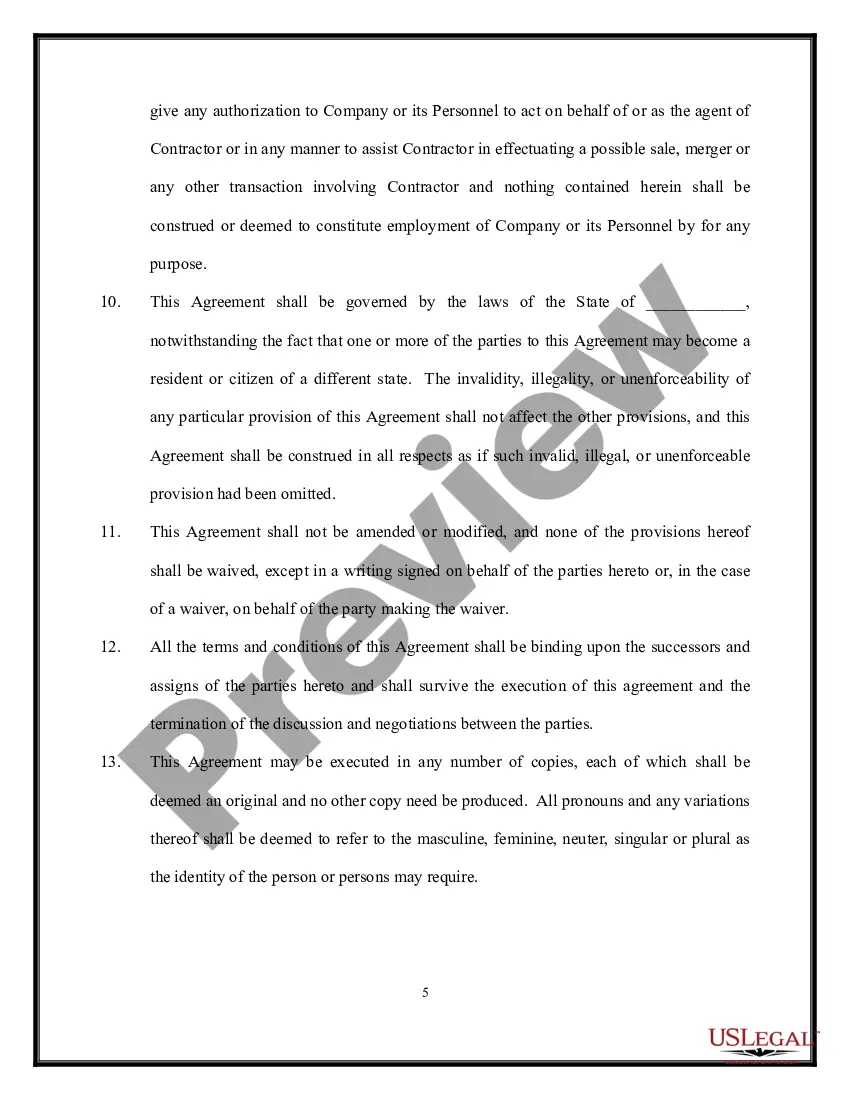
Nondisclosure Confidentiality Contract With Attorney In Massachusetts
Description

Get your form ready online
Our built-in tools help you complete, sign, share, and store your documents in one place.
Make edits, fill in missing information, and update formatting in US Legal Forms—just like you would in MS Word.
Download a copy, print it, send it by email, or mail it via USPS—whatever works best for your next step.
Sign and collect signatures with our SignNow integration. Send to multiple recipients, set reminders, and more. Go Premium to unlock E-Sign.
If this form requires notarization, complete it online through a secure video call—no need to meet a notary in person or wait for an appointment.
We protect your documents and personal data by following strict security and privacy standards.

Make edits, fill in missing information, and update formatting in US Legal Forms—just like you would in MS Word.

Download a copy, print it, send it by email, or mail it via USPS—whatever works best for your next step.

Sign and collect signatures with our SignNow integration. Send to multiple recipients, set reminders, and more. Go Premium to unlock E-Sign.

If this form requires notarization, complete it online through a secure video call—no need to meet a notary in person or wait for an appointment.

We protect your documents and personal data by following strict security and privacy standards.
Looking for another form?







Form popularity
FAQ
NDAs restrict you from disclosing your employer's trade secrets or confidential information beyond your employment with the company. An NDA safeguarding a company's confidential data is a common provision, and, for the most part, enforceable.
Non-Disclosure Agreements (NDAs) as well as Proprietary Information Agreements (PIAs) and Confidentiality Agreements (CAs) are synonymous terms for legal contracts that protect and govern the exchange of confidential or proprietary information.
No matter its title, an NDA is a binding contract, commonly used when two or more parties wish to enter into initial discussions about specific confidential processes, methods or technology, to consider a potential, future relationship, and to agree to restrict the usage and additional disclosure of the shared ...
A Confidential Disclosure Agreement (CDA), also referred to as non-disclosure agreement (NDA) or secrecy agreement, is a legal agreement between a minimum of two parties which outlines information the parties wish to share with one another for certain evaluation purposes, but wish to restrict from wider use and ...
A lawyer's duty of confidentiality, the attorney-client privilege, and file retention requirements can be impacted by signing a client's NDA. A lawyer who signs a client's NDA may argue that the NDA is subordinate or subject to any ethics rules or unenforceable as against public policy.
For example, if two parties wish to discuss sensitive material without the threat of that information leaking to a third party, they can use an NDA to establish confidentiality rules. Doctor-patient confidentiality, attorney-client privilege, and bank–client confidentiality are forms of non-disclosure agreements.
Types of NDAs Use a one-way NDA if only you are disclosing information and a mutual NDA if both parties are. If the NDA is one-way only, it may need to be executed as a deed to make it enforceable. This is easy to do, so don't make what should be a one-way agreement into an artificial mutual agreement.
Which clauses should be included in an NDA? Identify the parties - who's concerned? ... Define confidential material - what are you trying to keep under wraps? ... Identify the purpose of disclosure - on what basis does the recipient need the information? ... Exclude certain material - what's unnecessary?
An NDA constitutes a legally binding agreement, albeit without the same level of scrutiny as a non-compete clause. It solely restricts the use of information rather than overall competition. Typically, the agreement will specify that the employer is entitled to injunctive relief in the event of a breach.
The purpose of a non-disclosure agreement is twofold: confidentiality and protection. Information protected by a confidentiality agreement can include everything from product specs to client rosters. Business models, test results and even embargoed press releases or product reviews can all be covered by an NDA.
