Confidentiality Form For Volunteers In Massachusetts
Description
Get your form ready online
Our built-in tools help you complete, sign, share, and store your documents in one place.
Make edits, fill in missing information, and update formatting in US Legal Forms—just like you would in MS Word.
Download a copy, print it, send it by email, or mail it via USPS—whatever works best for your next step.
Sign and collect signatures with our SignNow integration. Send to multiple recipients, set reminders, and more. Go Premium to unlock E-Sign.
If this form requires notarization, complete it online through a secure video call—no need to meet a notary in person or wait for an appointment.
We protect your documents and personal data by following strict security and privacy standards.
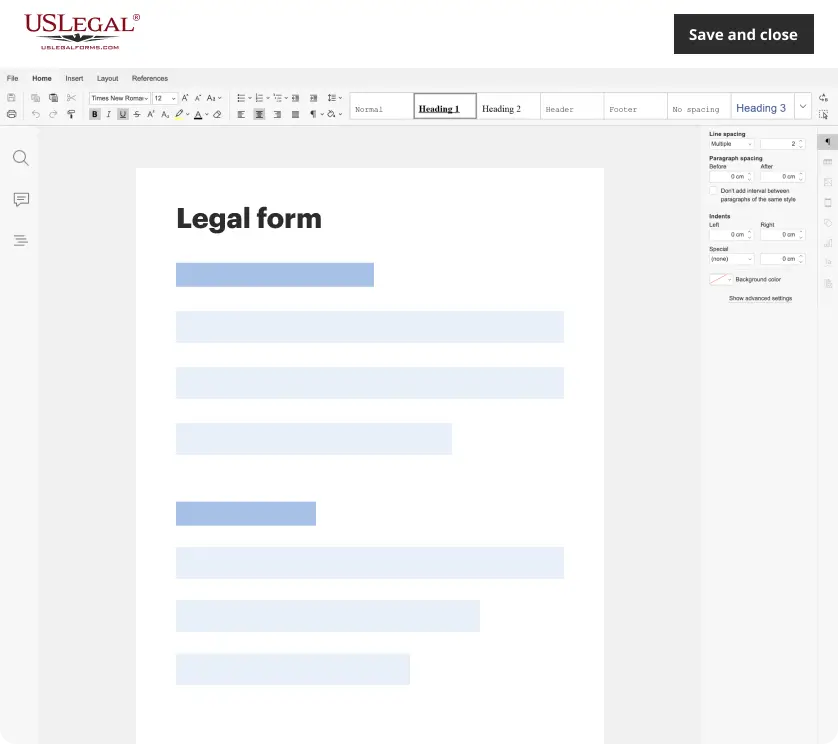
Make edits, fill in missing information, and update formatting in US Legal Forms—just like you would in MS Word.
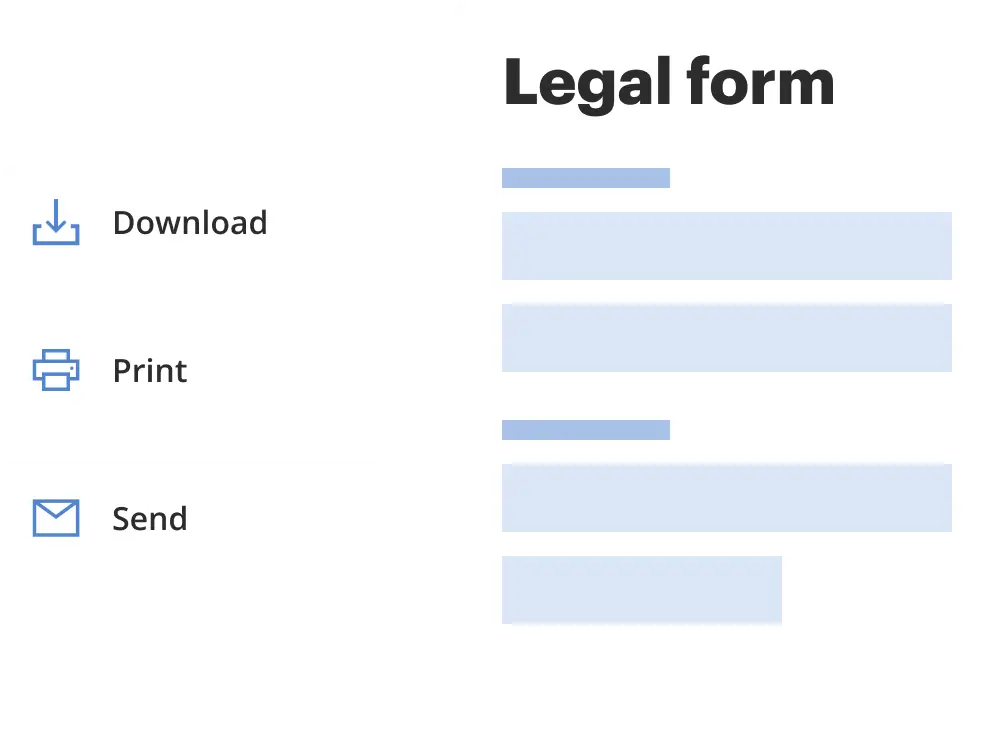
Download a copy, print it, send it by email, or mail it via USPS—whatever works best for your next step.
Sign and collect signatures with our SignNow integration. Send to multiple recipients, set reminders, and more. Go Premium to unlock E-Sign.
If this form requires notarization, complete it online through a secure video call—no need to meet a notary in person or wait for an appointment.
We protect your documents and personal data by following strict security and privacy standards.
Looking for another form?
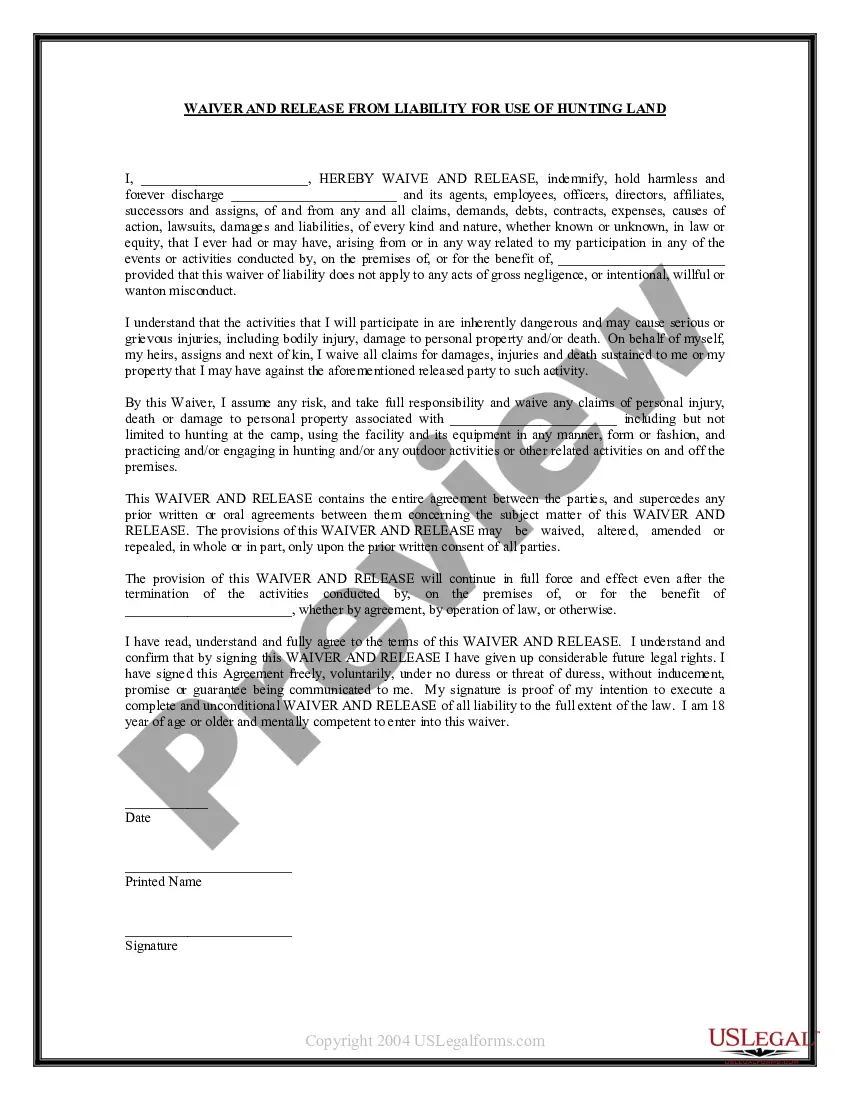
Form popularity
FAQ
In unilateral NDAs, only one party agrees not to disclose classified information. A mutual NDA means that both/all parties agree not to share any confidential information. For this article, the term “NDA” equates to a unilateral NDA and the term “confidentiality agreement” equates to a mutual NDA.
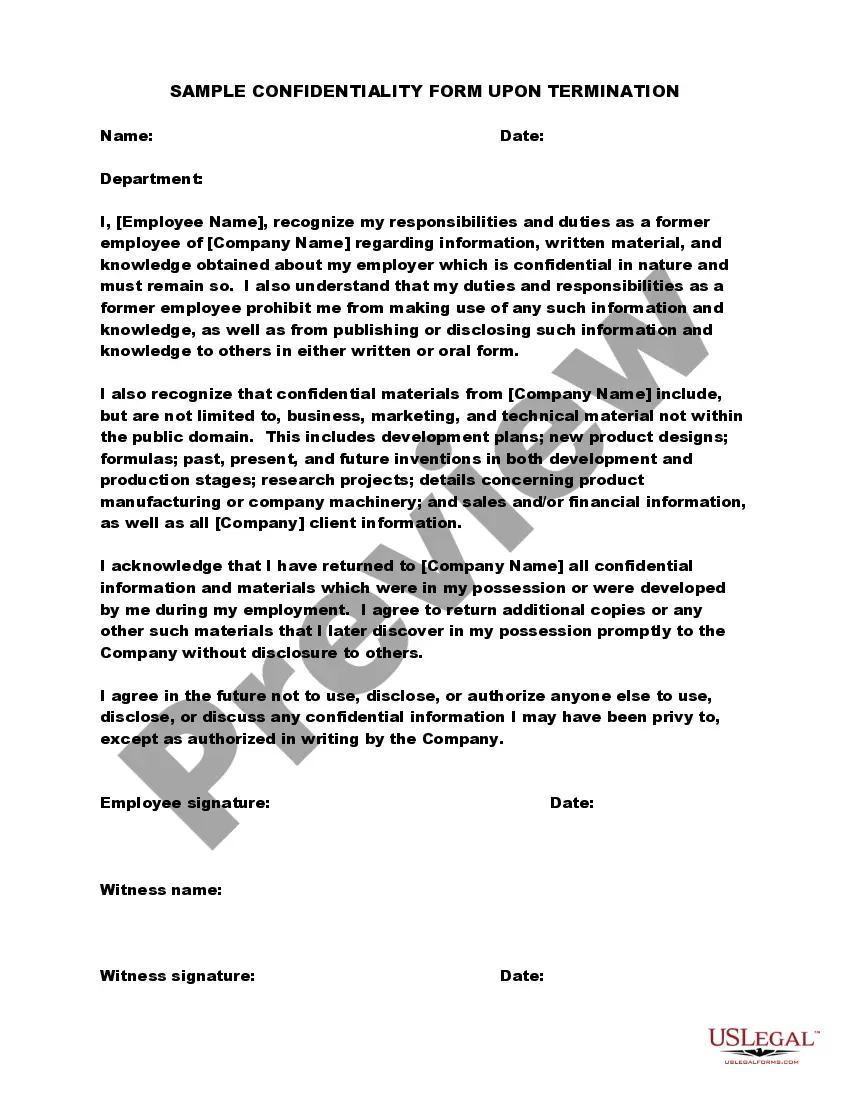
I agree that: a) I shall not share this information, material or documents (information) with persons within or outside of the ________ who are not authorized to have this information. b) I shall not publish such information. c) I shall not communicate such information without authority.
Use: NDAs are often used by startups or third-party partnerships. CDAs are used in high-value corporate transactions or in military service.
What is the difference between a DPA and a NDA? A DPA (Data Processing Agreement) outlines terms for data processing, focusing on ensuring data protection and privacy compliance. An NDA (Non-Disclosure Agreement) is a contract where parties agree not to disclose confidential information they've shared with each other.
The Lamb warning involves explaining to the party the fact that information the party gives to the court investigator is not confidential and will be shared with the court. There cannot be any “off the record” discussion prior to interviewing a party. See Commonwealth v. Lamb, 1 Mass.
I will establish and maintain security measures to safeguard the confidential information from unauthorised access, use, copying, reproduction or disclosure and will protect the confidential information using the same degree of care as a prudent person would use to protect their own confidential information.
The only times a psychologist would break confidentiality are in the event of threats of harm to self or other; reports that a child (under 18 years of age) or an elder (60 years and older) is being abused or neglected in some way; or if there is a subpoena or court order.
Legal confidentiality. Medical confidentiality. Clinical and counseling psychology. Commercial confidentiality. Banking confidentiality. Public policy concerns. See also. References.
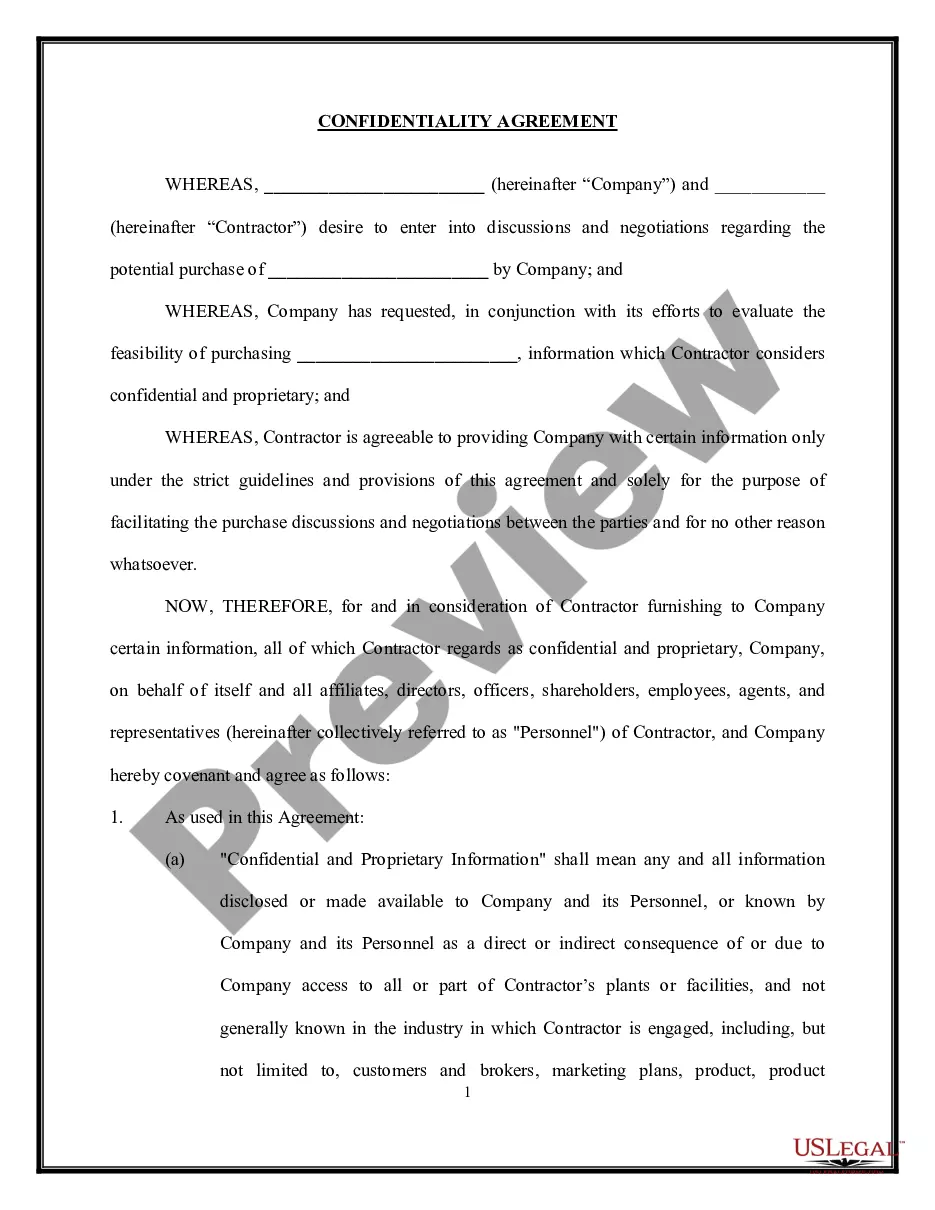
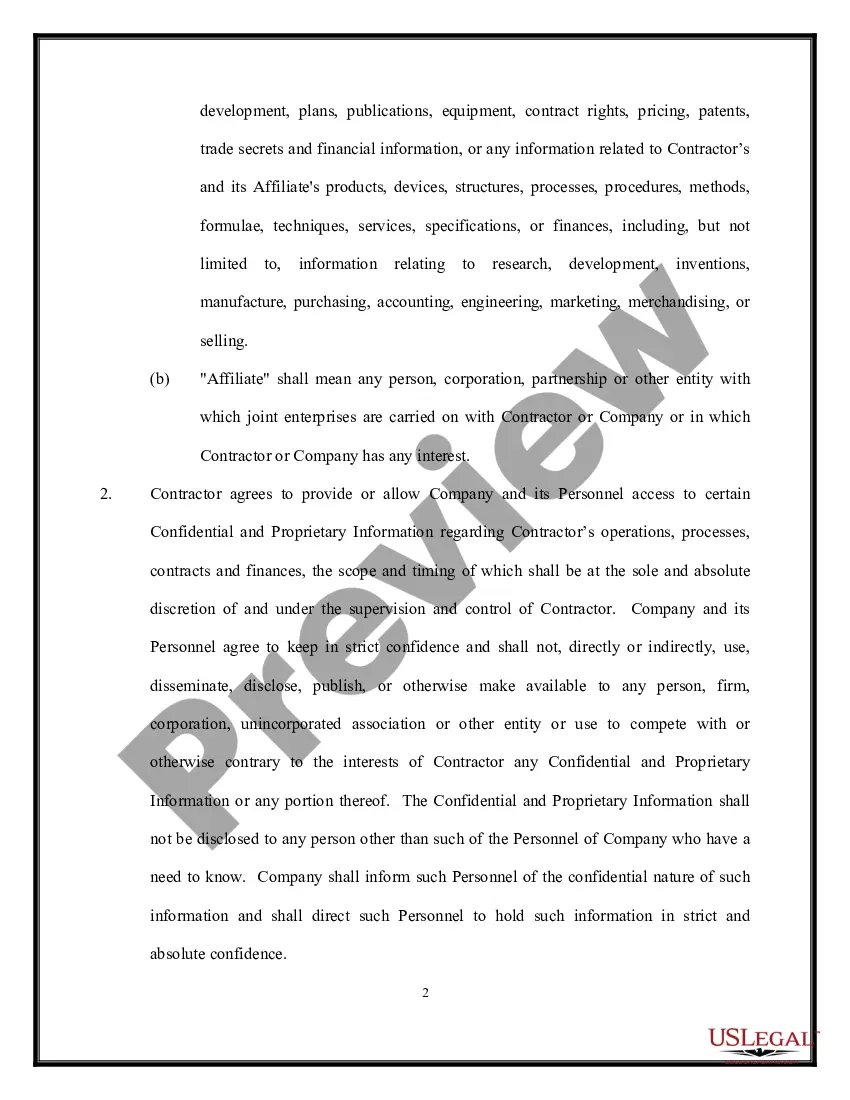
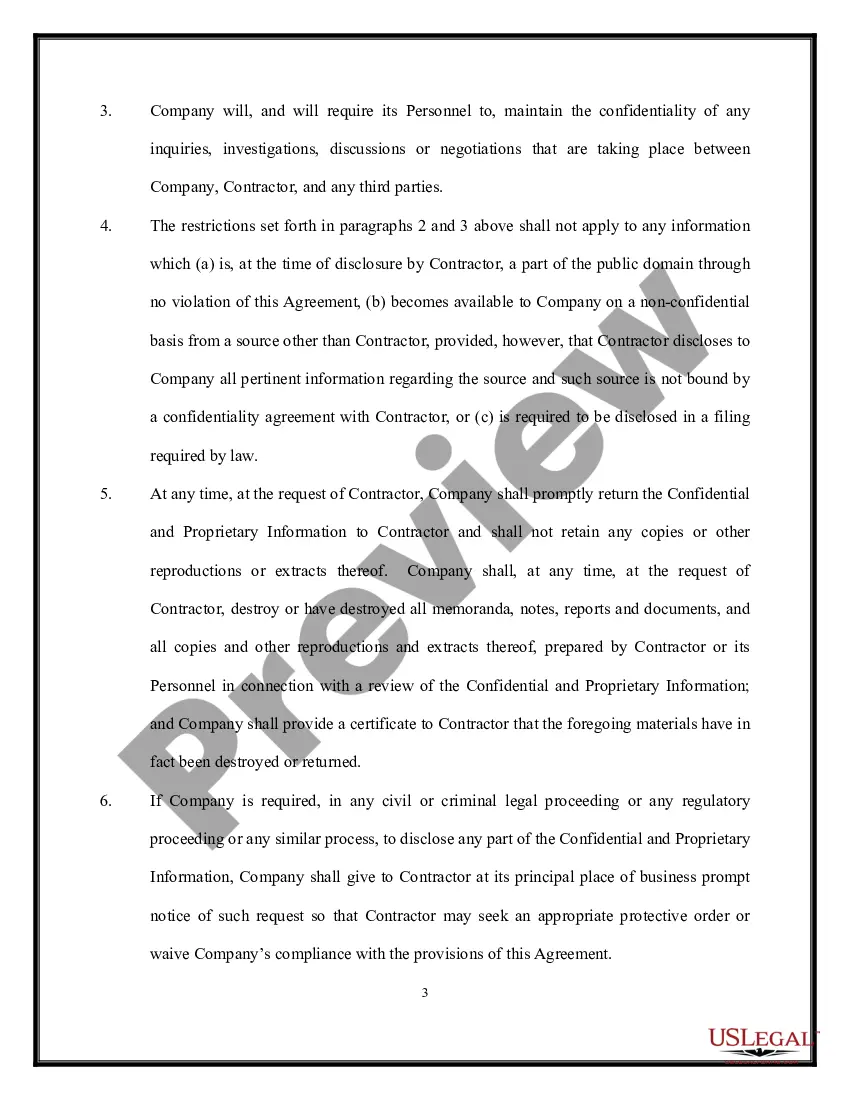
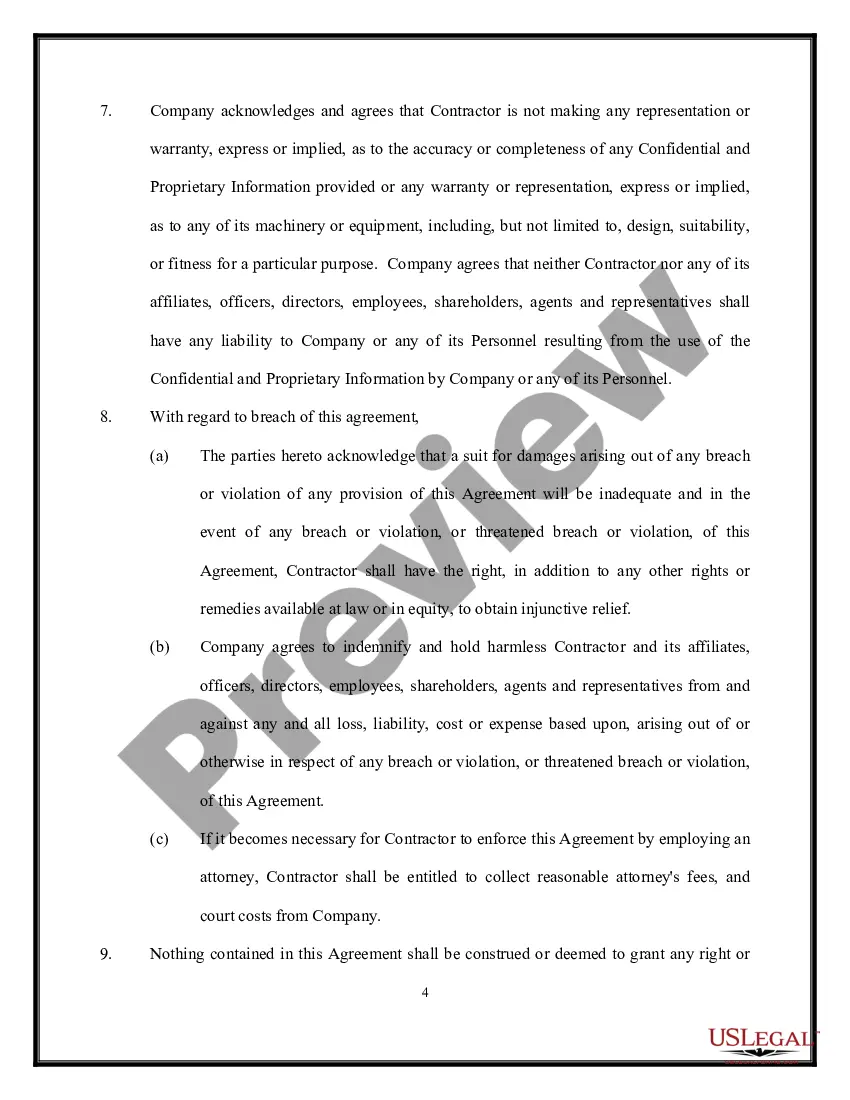
A confidentiality agreement should include the names and addresses of the parties to the contract. Consider also including: Reason for the agreement: Explain why you're sharing this information. The information disclosed: Be specific about the subject matter and what exactly is included in the agreement.
Citation order: Anonymised institution/agency (in square brackets) Year produced (in round brackets) Anonymised title (in italics) (use square brackets for the anonymised part) Location - use the county if giving the town or city would identify the specific organisation. Anonymised producer (in square brackets)