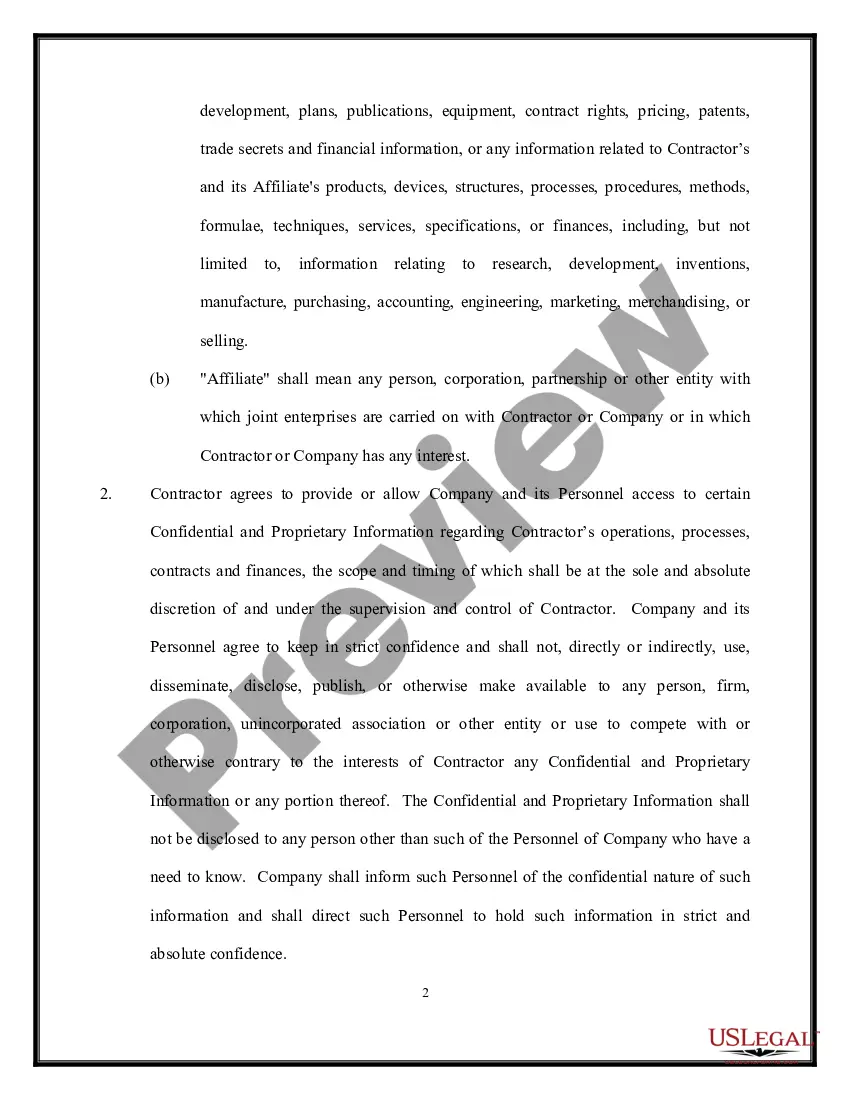
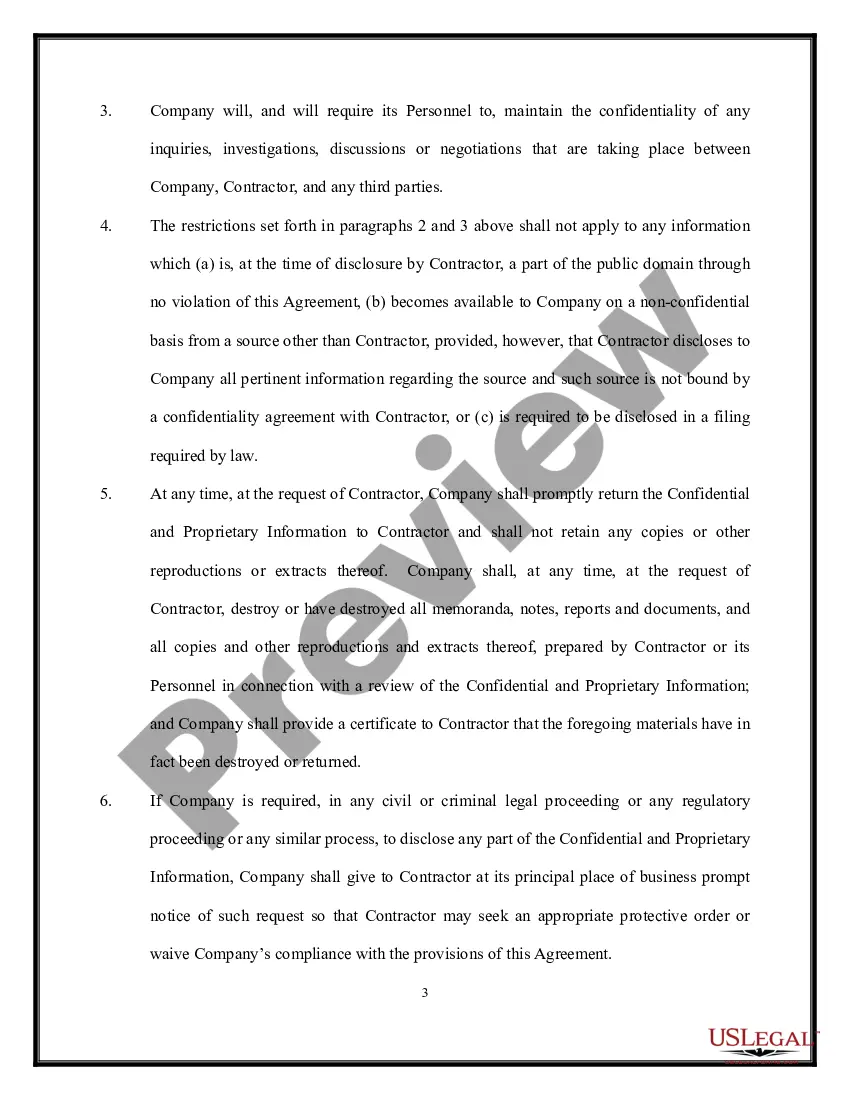
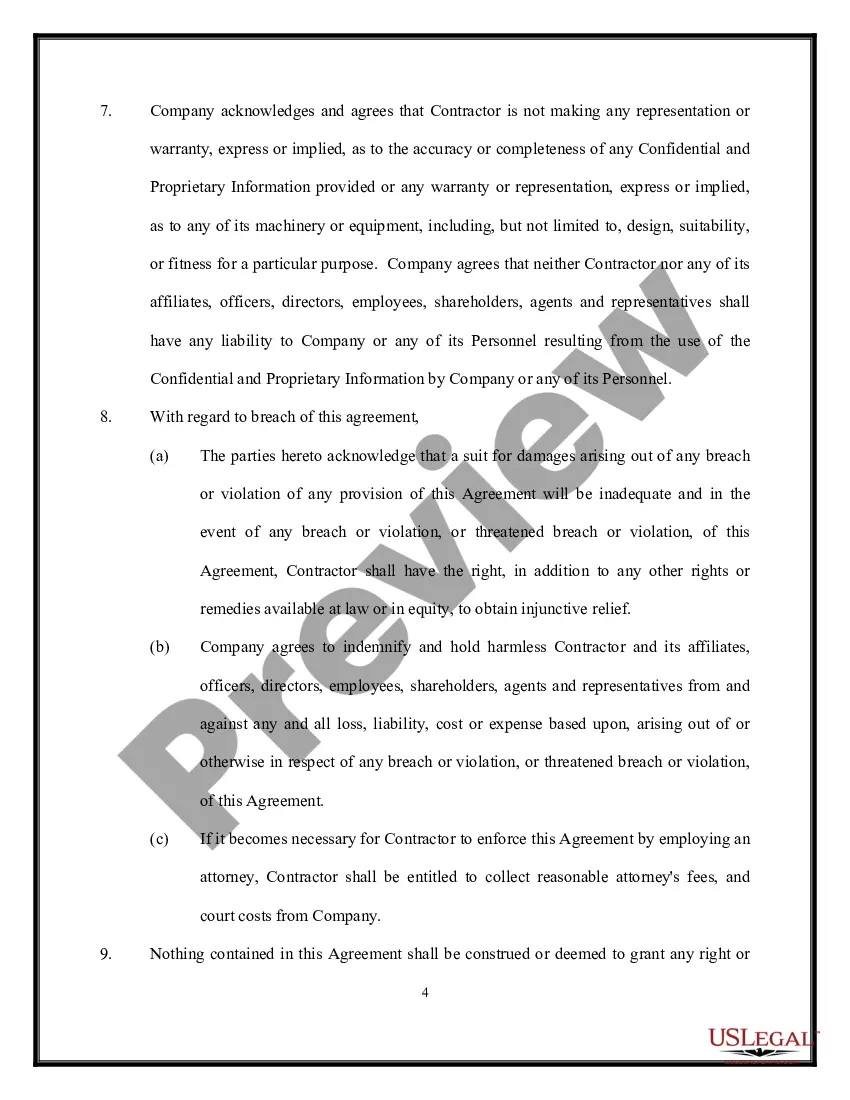
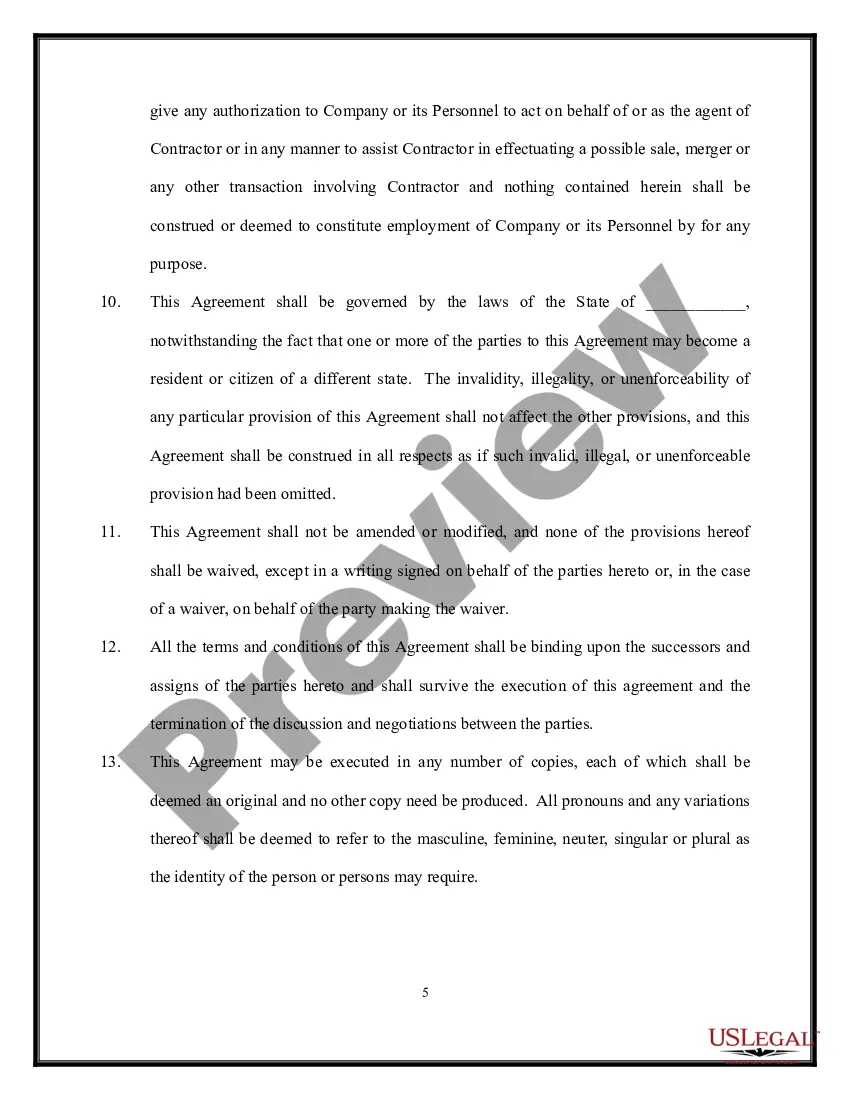
Nondisclosure And Confidentiality Agreement In Maricopa
Description

Get your form ready online
Our built-in tools help you complete, sign, share, and store your documents in one place.
Make edits, fill in missing information, and update formatting in US Legal Forms—just like you would in MS Word.
Download a copy, print it, send it by email, or mail it via USPS—whatever works best for your next step.
Sign and collect signatures with our SignNow integration. Send to multiple recipients, set reminders, and more. Go Premium to unlock E-Sign.
If this form requires notarization, complete it online through a secure video call—no need to meet a notary in person or wait for an appointment.
We protect your documents and personal data by following strict security and privacy standards.

Make edits, fill in missing information, and update formatting in US Legal Forms—just like you would in MS Word.

Download a copy, print it, send it by email, or mail it via USPS—whatever works best for your next step.

Sign and collect signatures with our SignNow integration. Send to multiple recipients, set reminders, and more. Go Premium to unlock E-Sign.

If this form requires notarization, complete it online through a secure video call—no need to meet a notary in person or wait for an appointment.

We protect your documents and personal data by following strict security and privacy standards.
Looking for another form?








Form popularity
FAQ
A party begins a civil contempt proceeding by filing a petition that recites the essential facts alleged to be contemptuous. The petition must comply with this rule and Rules 91(b), (c), (e), and (h).
If you're doing it on your own, however, you may contact your court clerk for information on how to do this. The motion has to state what your ex-spouse isn't doing, what areas he or she is in violation of. It must clarify why he or she ought to be held in contempt of the divorce decree. You must prove your case.
Rule 49 allows full discovery of important facts to avoid “litigation by ambush.” The Rule promotes greater professionalism among counsel, with the ultimate goal of increasing voluntary cooperation and exchange of information.
What is Rule 69, and Why is it Beneficial? In essence, Rule 69 allows divorcing spouses in Arizona to settle some or all of their disputes on their own. The family court will ultimately decide any remaining divorce matters.
Arizona Rule of Family Law Procedure 49 (Rule 49) requires both parties to share information in family law cases. It requires each party send to the other party a detailed statement with the specific positions the party proposes to resolve all issues.
Contact Us. For assistance with the records and data viewers, call 602-506-7833 or email AQDImpact@maricopa. You can also submit a public records request.
To submit a Public Records Request for the Ada County offices and departments listed below, fill out a General Request Form, being as specific as possible, and submit it online. For questions or assistance, contact the Ada County Prosecutor's Office at 208 287-7700.
To review the record, the subject may request a Record Review Packet by contacting the Central State Repository Section at (602) 223-2000, Option #2 (Records and Reports), then Option #3 (Statewide Criminal Records). Or you can download the information below.
The affidavit of financial information or “AFI” is a document each litigant must complete under oath and file in any Arizona family court case involving requests for child support, spousal maintenance, and/or attorney's fees. A copy of the form used in Maricopa County Superior Court can be found here.
To request public records of the Superior Court or Judicial Branch in Maricopa County as defined by Arizona Supreme Court Rule 123 (Public Access to the Judicial Records of the State of Arizona), please email PublicRecords@jbazmc.maricopa.
