Non Disclosure Confidentiality Contract With Nike In Maricopa
Description

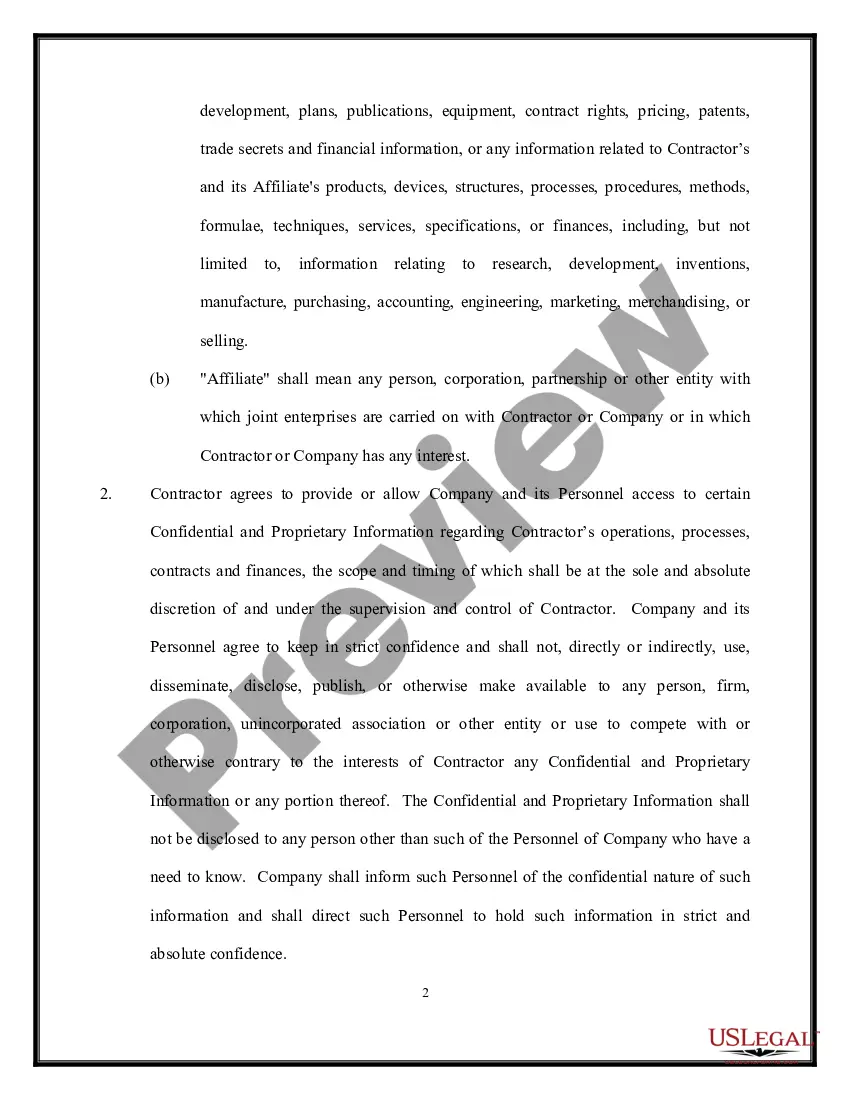
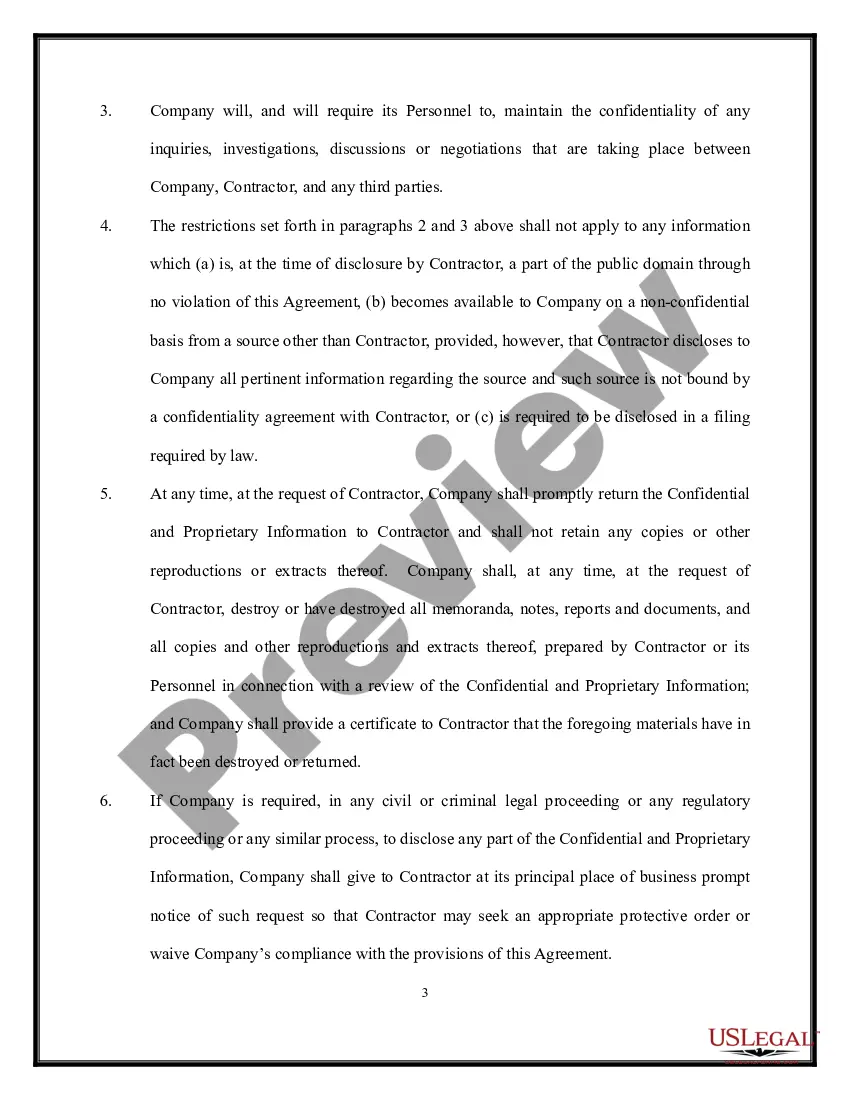
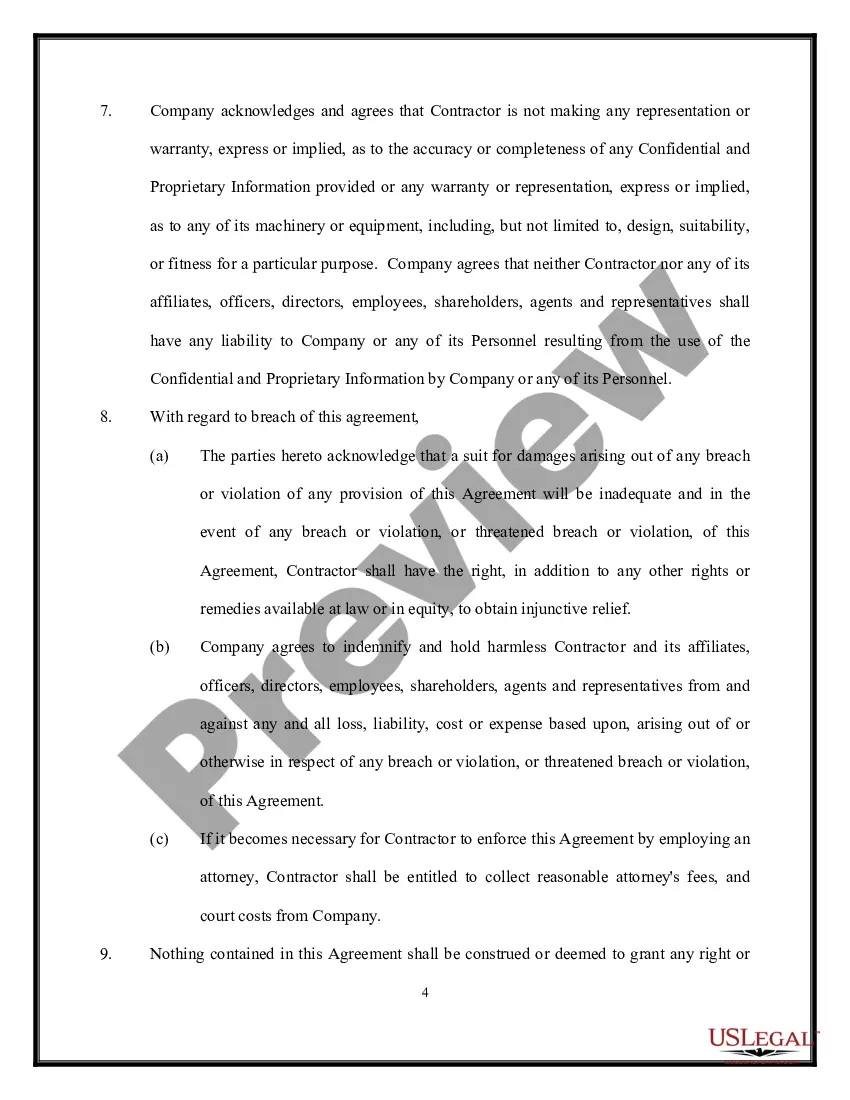
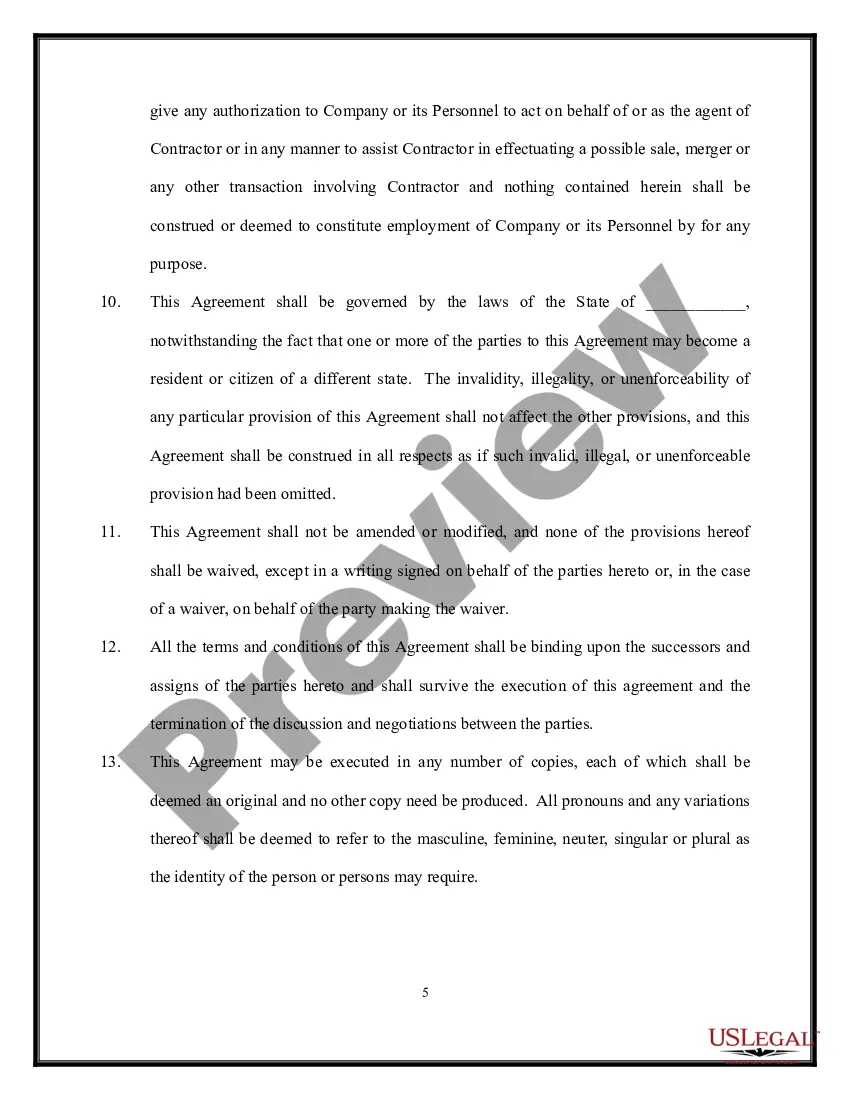
Get your form ready online
Our built-in tools help you complete, sign, share, and store your documents in one place.
Make edits, fill in missing information, and update formatting in US Legal Forms—just like you would in MS Word.
Download a copy, print it, send it by email, or mail it via USPS—whatever works best for your next step.
Sign and collect signatures with our SignNow integration. Send to multiple recipients, set reminders, and more. Go Premium to unlock E-Sign.
If this form requires notarization, complete it online through a secure video call—no need to meet a notary in person or wait for an appointment.
We protect your documents and personal data by following strict security and privacy standards.

Make edits, fill in missing information, and update formatting in US Legal Forms—just like you would in MS Word.

Download a copy, print it, send it by email, or mail it via USPS—whatever works best for your next step.

Sign and collect signatures with our SignNow integration. Send to multiple recipients, set reminders, and more. Go Premium to unlock E-Sign.

If this form requires notarization, complete it online through a secure video call—no need to meet a notary in person or wait for an appointment.

We protect your documents and personal data by following strict security and privacy standards.
Looking for another form?
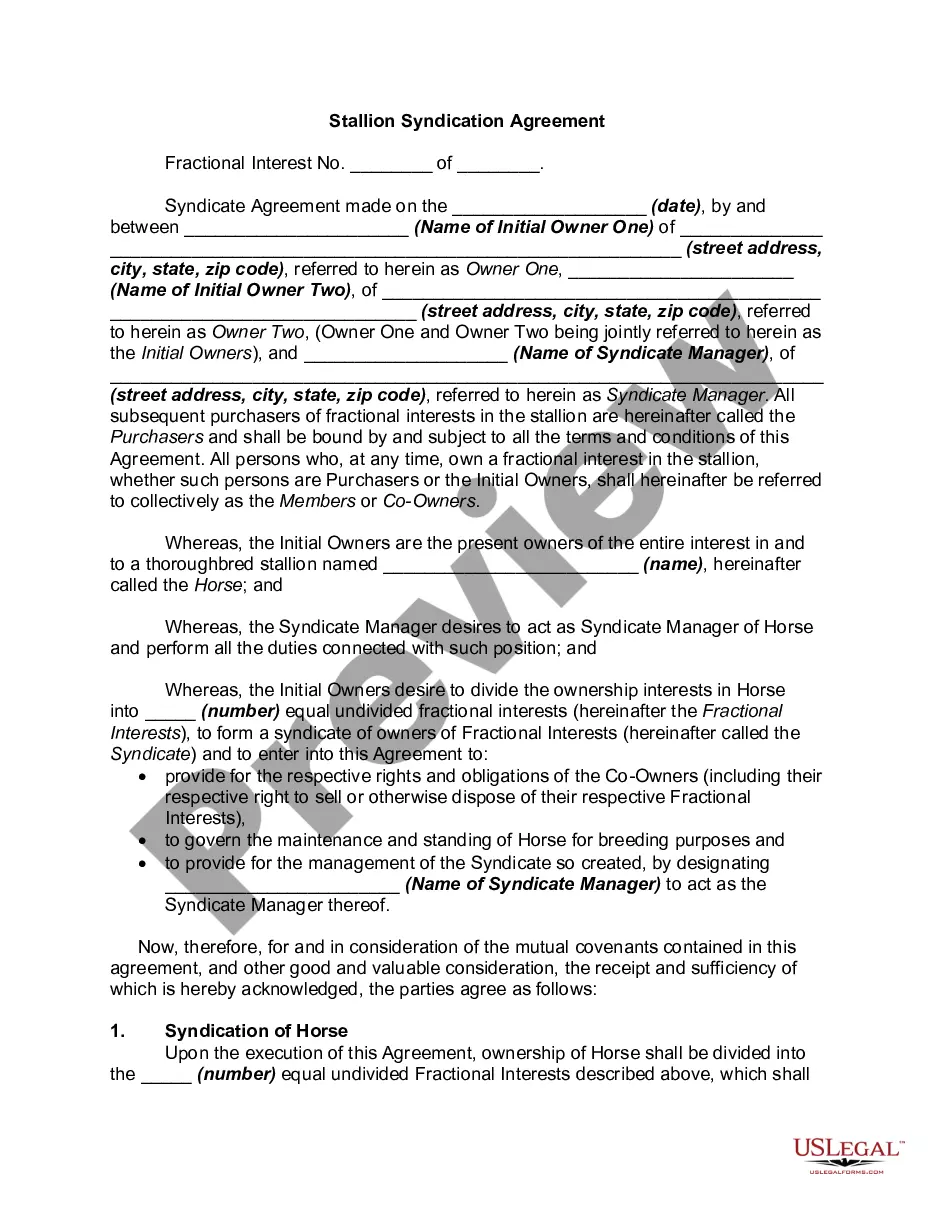


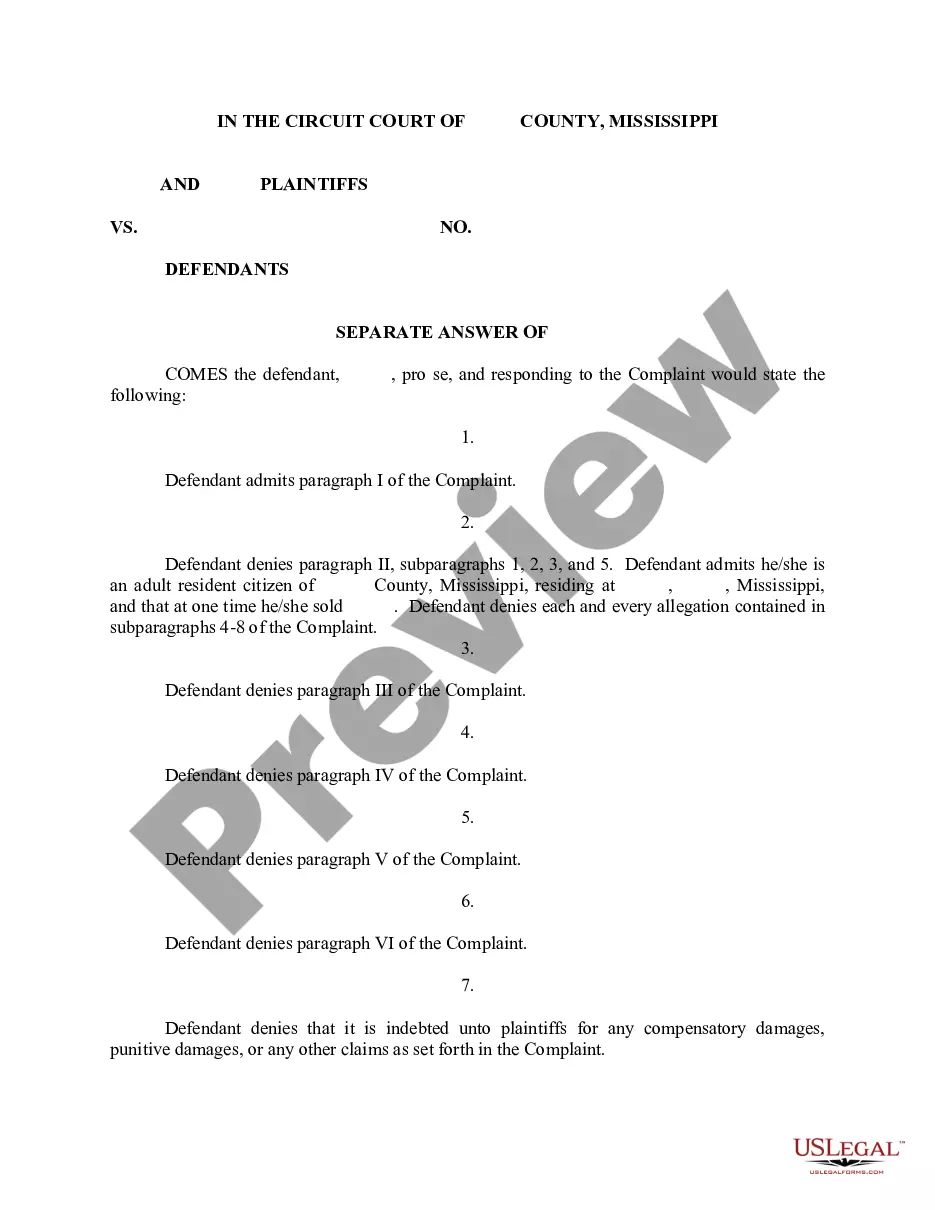


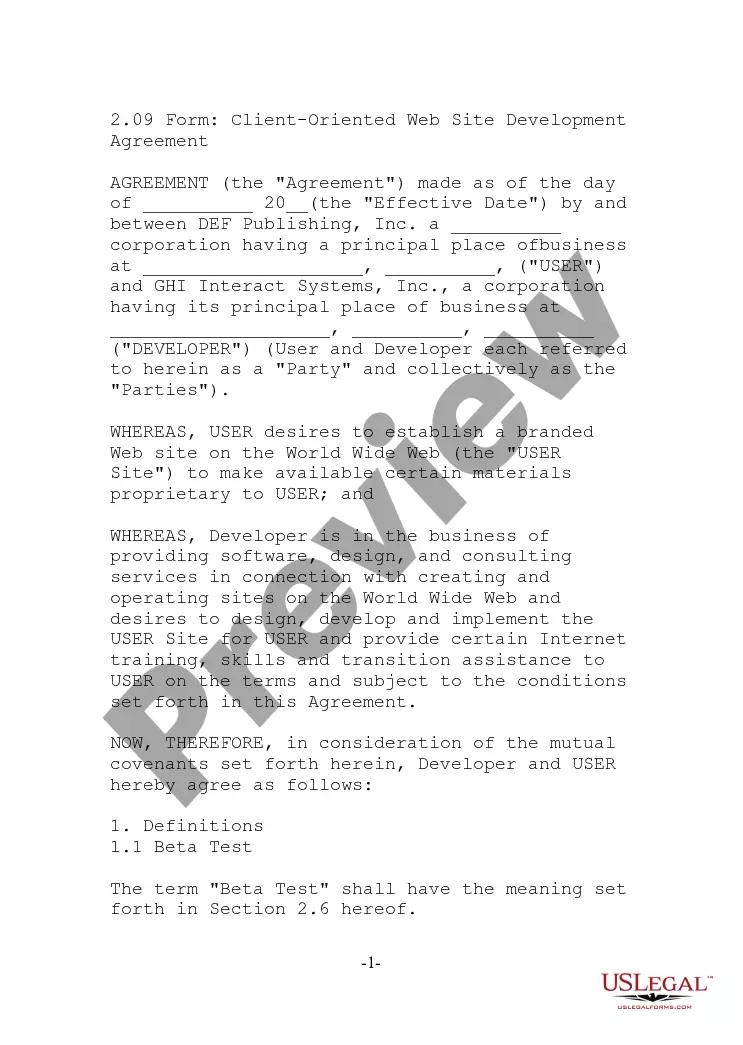



Form popularity
FAQ
The key elements of Non-Disclosure Agreements: Identification of the parties. Definition of what is deemed to be confidential. The scope of the confidentiality obligation by the receiving party. The exclusions from confidential treatment. The term of the agreement.
No matter its title, an NDA is a binding contract, commonly used when two or more parties wish to enter into initial discussions about specific confidential processes, methods or technology, to consider a potential, future relationship, and to agree to restrict the usage and additional disclosure of the shared ...
Some common exceptions include information that is or becomes public through no act of the recipient, information that was already in the possession of the recipient as of the date of disclosure, and information that is disclosed by court order.
As a general concept, non-disclosure agreements, often referred to as NDAs, are agreements between parties that are used to ensure that certain information will remain confidential.
Non-Disclosure Agreements (NDAs) as well as Proprietary Information Agreements (PIAs) and Confidentiality Agreements (CAs) are synonymous terms for legal contracts that protect and govern the exchange of confidential or proprietary information.
An NDA could be unenforceable if it is too broad, is not for a defined time period, covers information that is not confidential, or asks for illegal conduct.
In order to minimize the risk of information falling into the wrong hands, make sure to avoid the four common NDA traps below. Typos and Clerical Errors. Poorly Defining "Confidentiality" ... Not Defining Enforcement and Penalties. Having the Wrong Person Sign.
Some of the exception clauses are: – Information that is in the public domain. – Information that the disclosing party disclosed before signing the agreement. – Information received by the “receiving party” from a third party, wherein the third party was not obliged to keep the information confidential.
What is a nondisclosure agreement? Whereas confidentiality agreements are typically devised in employment or personal situations to protect sensitive information, NDAs are often used in business and legal settings to protect trade secrets, client lists, and financial data.
You do not need a lawyer to create and sign a non-disclosure agreement. However, if the information you are trying to protect is important enough to warrant an NDA, you may want to have the document reviewed by someone with legal expertise.
