Confidentiality Form For Counseling In Kings
Description

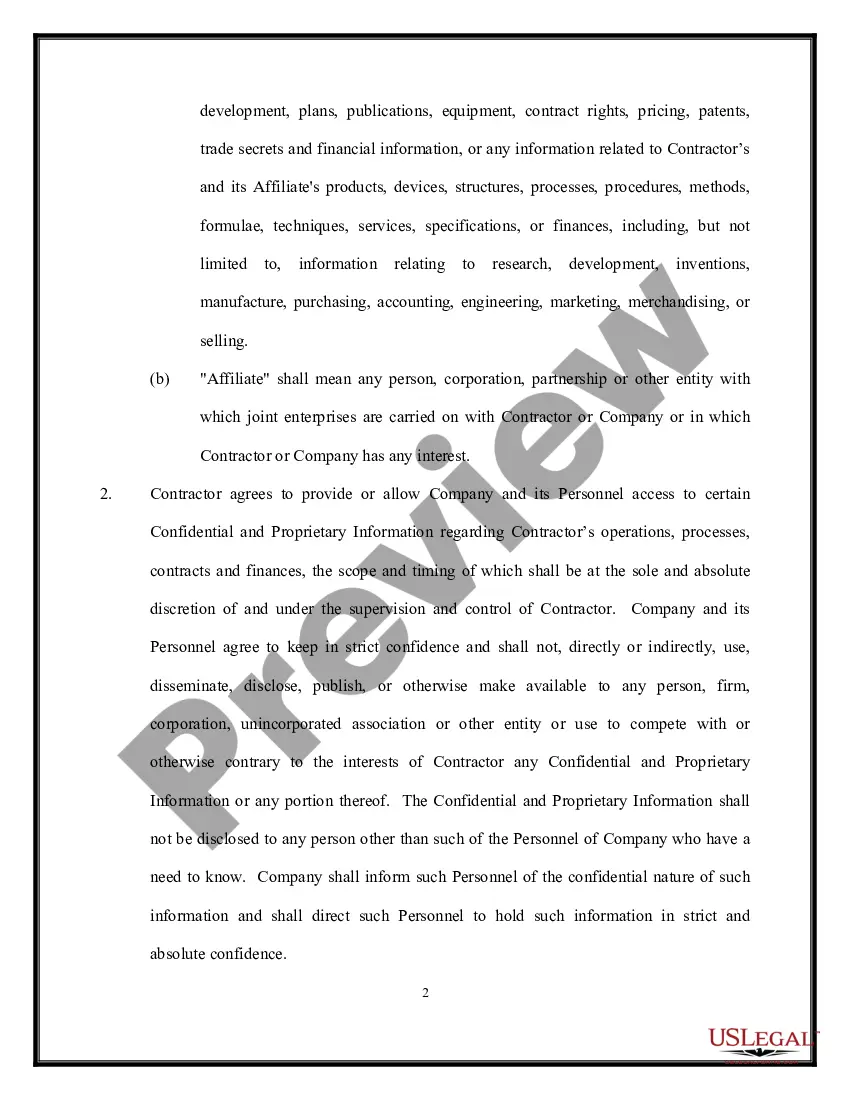
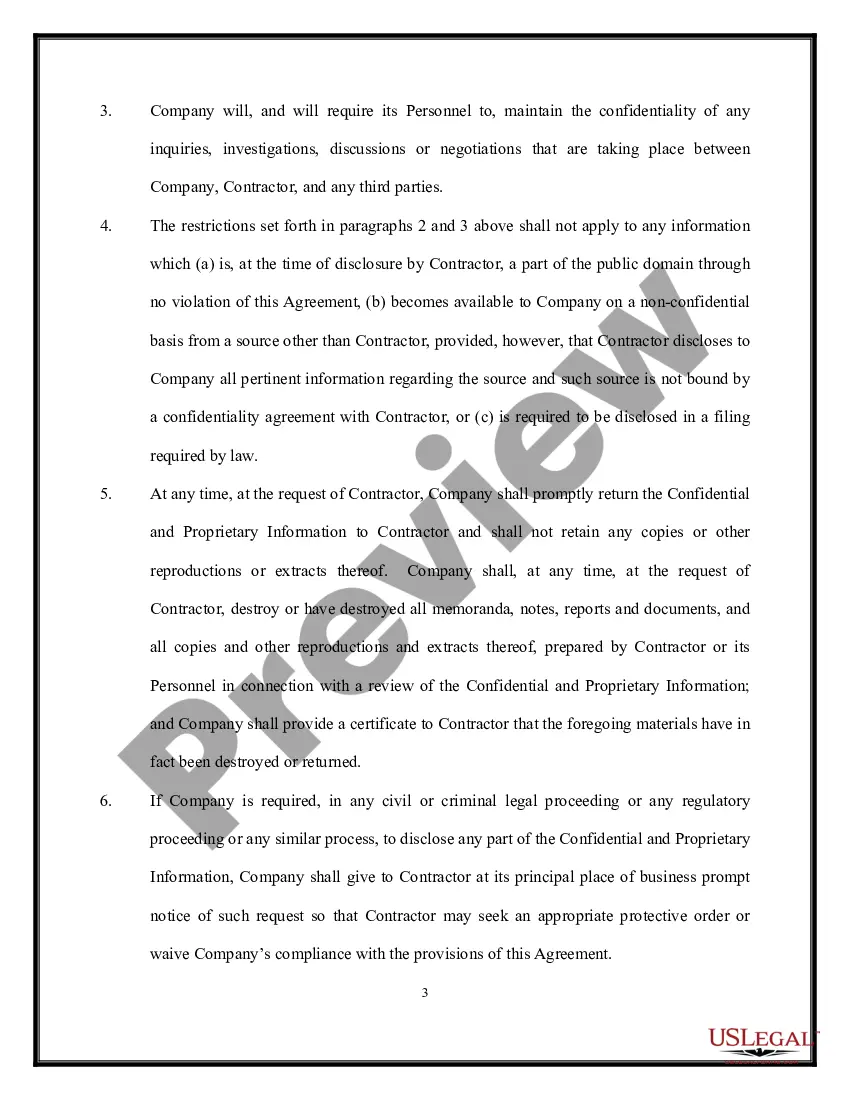
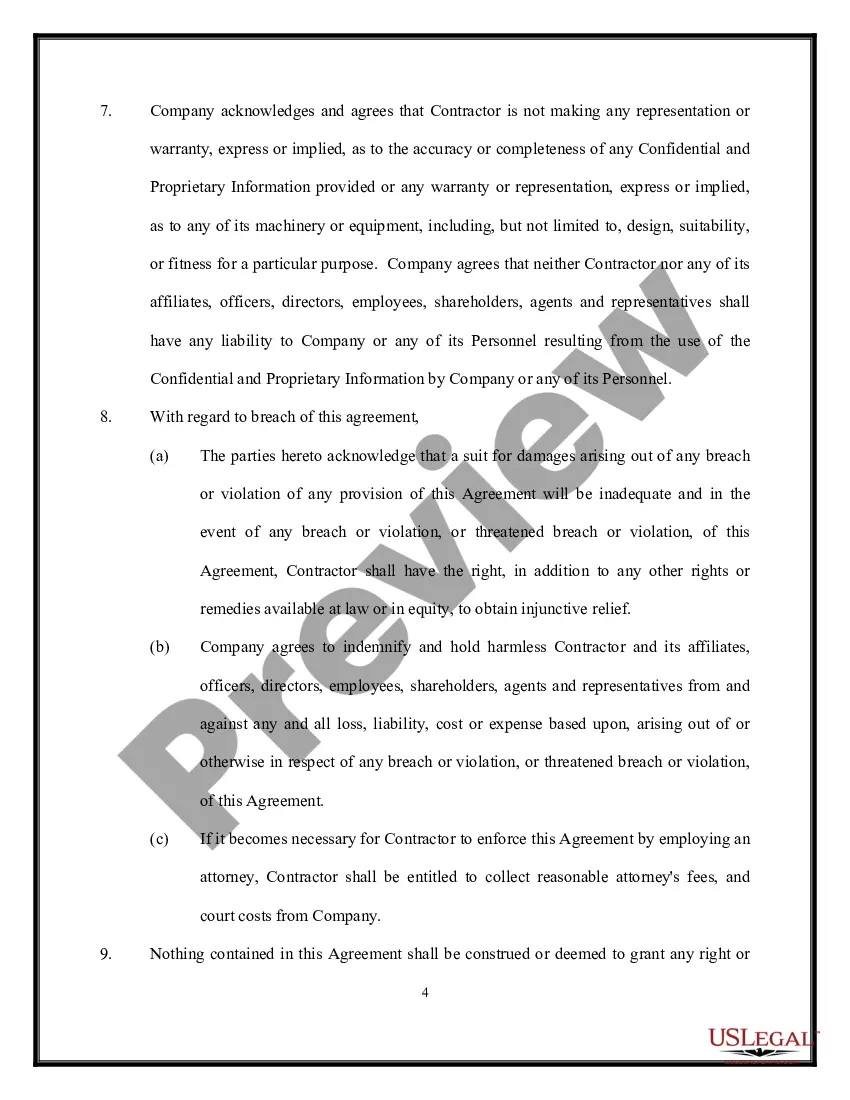
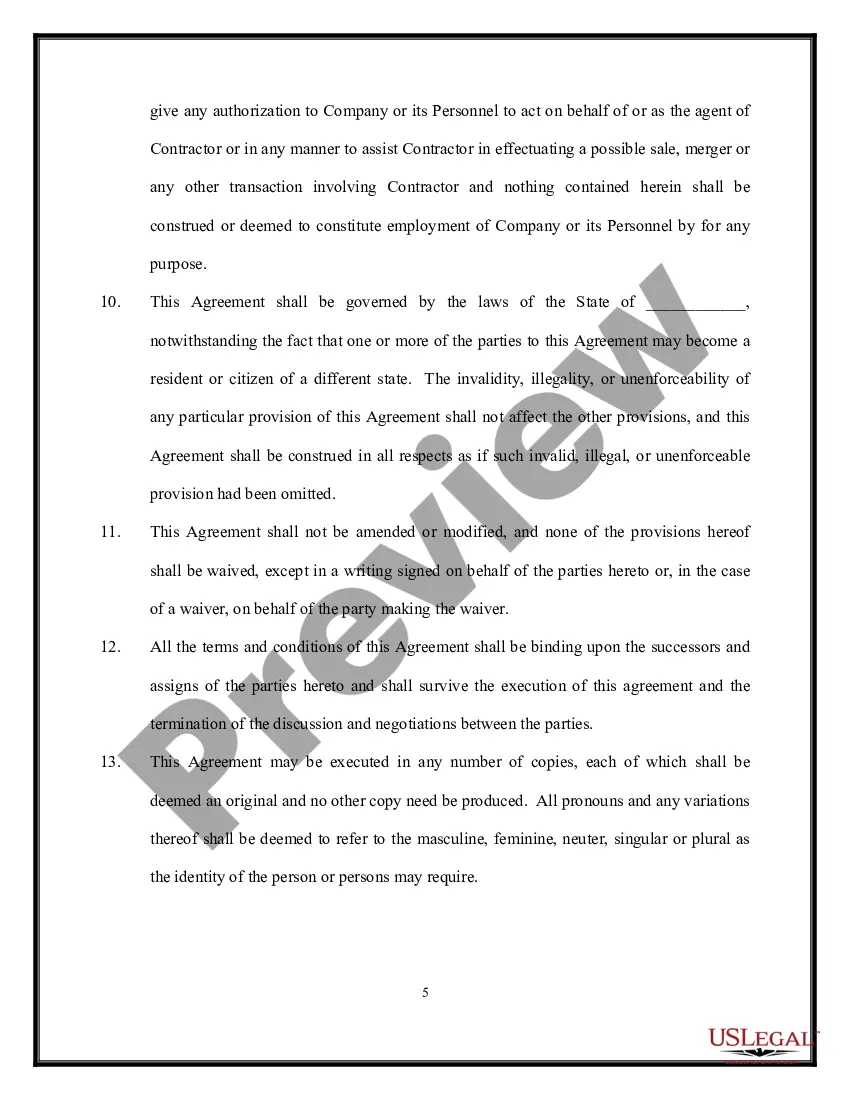
Get your form ready online
Our built-in tools help you complete, sign, share, and store your documents in one place.
Make edits, fill in missing information, and update formatting in US Legal Forms—just like you would in MS Word.
Download a copy, print it, send it by email, or mail it via USPS—whatever works best for your next step.
Sign and collect signatures with our SignNow integration. Send to multiple recipients, set reminders, and more. Go Premium to unlock E-Sign.
If this form requires notarization, complete it online through a secure video call—no need to meet a notary in person or wait for an appointment.
We protect your documents and personal data by following strict security and privacy standards.

Make edits, fill in missing information, and update formatting in US Legal Forms—just like you would in MS Word.

Download a copy, print it, send it by email, or mail it via USPS—whatever works best for your next step.

Sign and collect signatures with our SignNow integration. Send to multiple recipients, set reminders, and more. Go Premium to unlock E-Sign.

If this form requires notarization, complete it online through a secure video call—no need to meet a notary in person or wait for an appointment.

We protect your documents and personal data by following strict security and privacy standards.
Looking for another form?
Form popularity
FAQ
When first meeting with a client, I explain the concept of confidentiality so that they understand what kinds of information I can protect on their behalf. I use clear communication strategies to verify disclosures with a client and only share information that the client explicitly requests for me to distribute.
This means I will not share information about you with a third party unless you consent to that disclosure. So I will not tell anyone that you attend counselling, or what you say in our sessions, without your permission to do so.
Because of a confidentiality agreement, the details of the accusation were hidden from the public.
Confidentiality is about keeping our personal information private, safe and secure. If our information is confidential, then nobody should share it unless we agree to it. It means that when we talk to professionals about our mental health, they shouldn't tell anyone else what we've said.
Counselling is confidential. This means I will not share information about you with a third party unless you consent to that disclosure. So I will not tell anyone that you attend counselling, or what you say in our sessions, without your permission to do so.
Confidentiality refers to the agreements you make with subjects about how you will collect, store, analyze, use, and report on information about themselves that they agree to share with you. By contrast, privacy refers to the control over what information someone shares with others.
Help the student script a statement that they can use to discuss confidentiality that also includes when they would have to break that confidentiality: "Everything you tell me will remain confidential, unless it involves an issue of seriously harming yourself, harming someone else, or someone is harming you." Assure ...
You can say that confidentiality means that everything they tell you will stay just between the two of you. Their personal information, experiences, and feelings won't be shared with anyone else unless they say it's okay. This builds a safe and private space for them to talk openly and honestly.
I cannot and will not tell anyone else what you have told me, or even that you are in therapy with me without your prior permission. You can authorize me to share information with whomever you choose, and you may change your mind and revoke that permission at anytime.
Example Answer: "To get the right balance, I focus on being open and honest in my communication while also being mindful of what information is appropriate to share. I also use secure methods of communication when I'm discussing sensitive topics, which makes sure that our conversation stays confidential.