Non Disclosure Vs Confidentiality In Illinois
Description

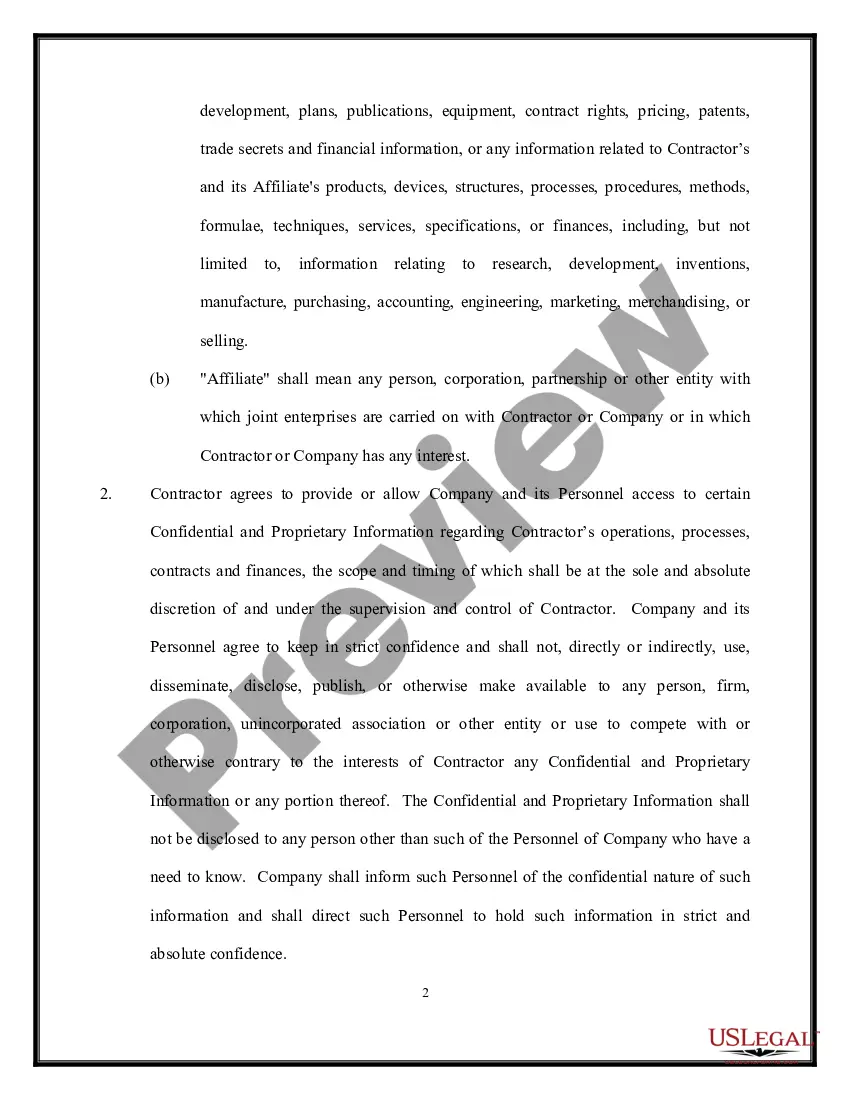
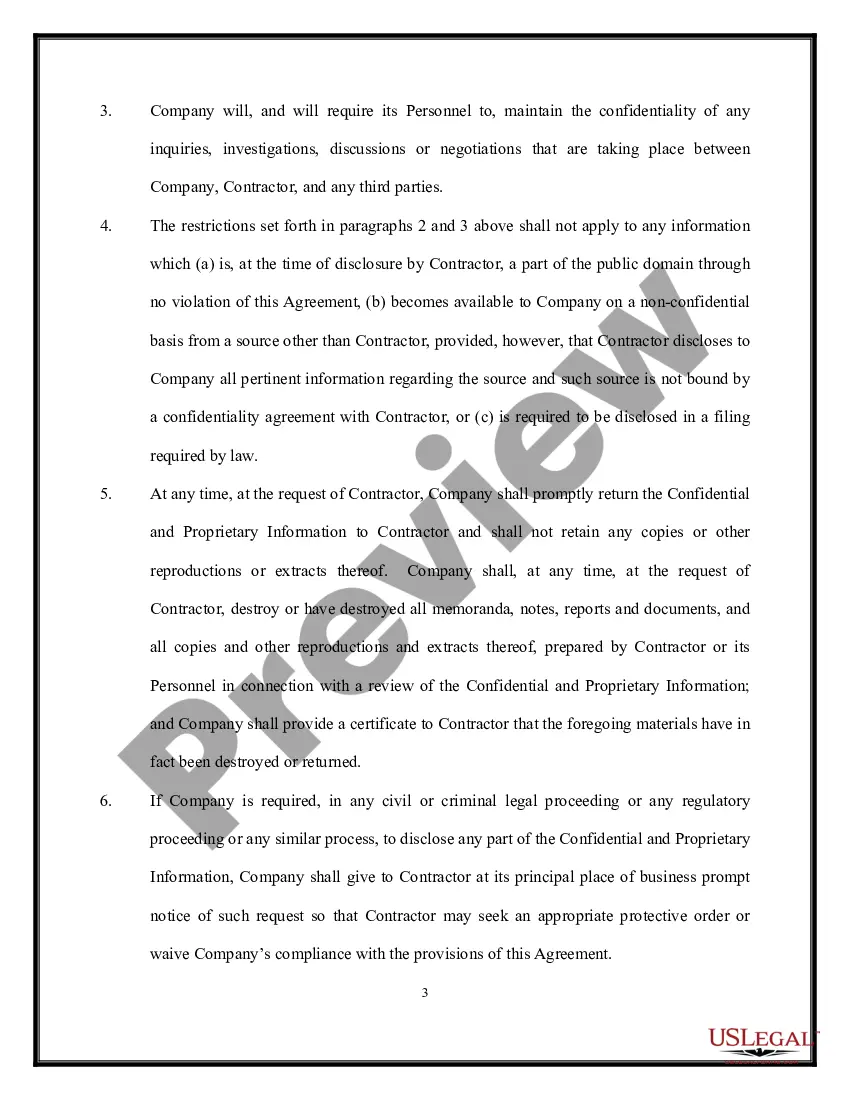
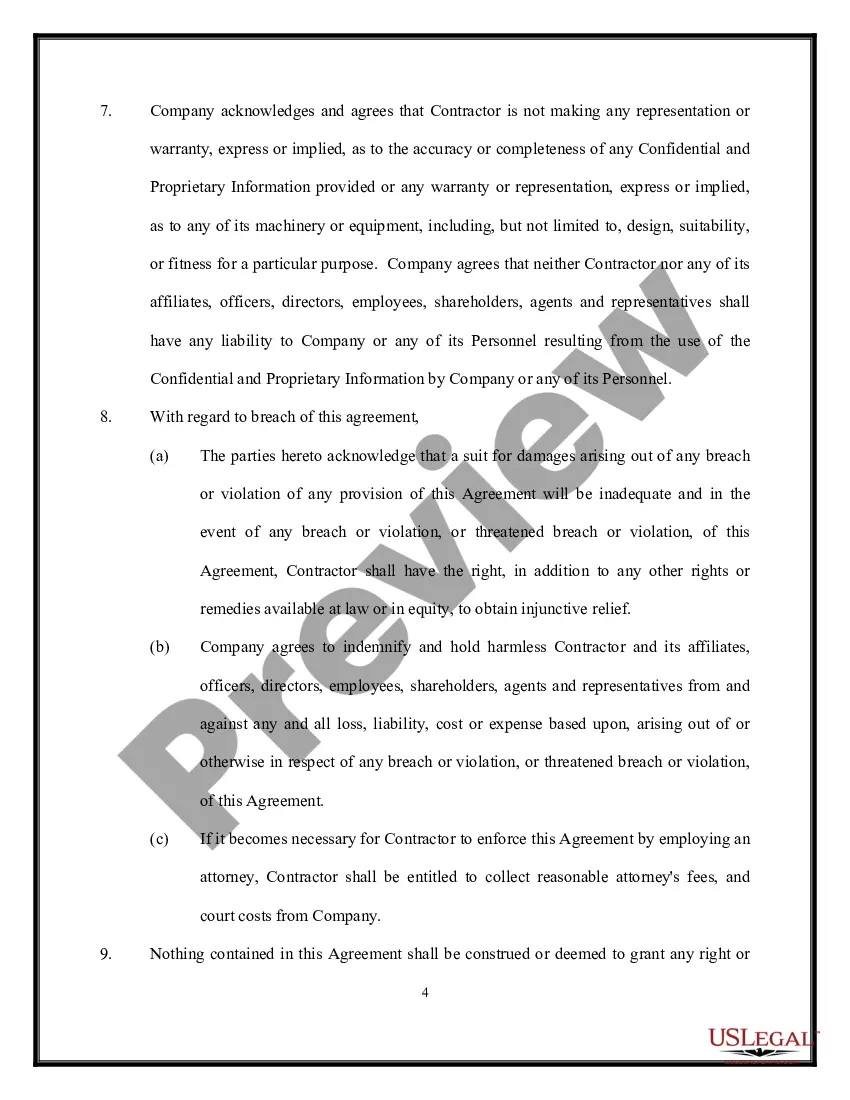
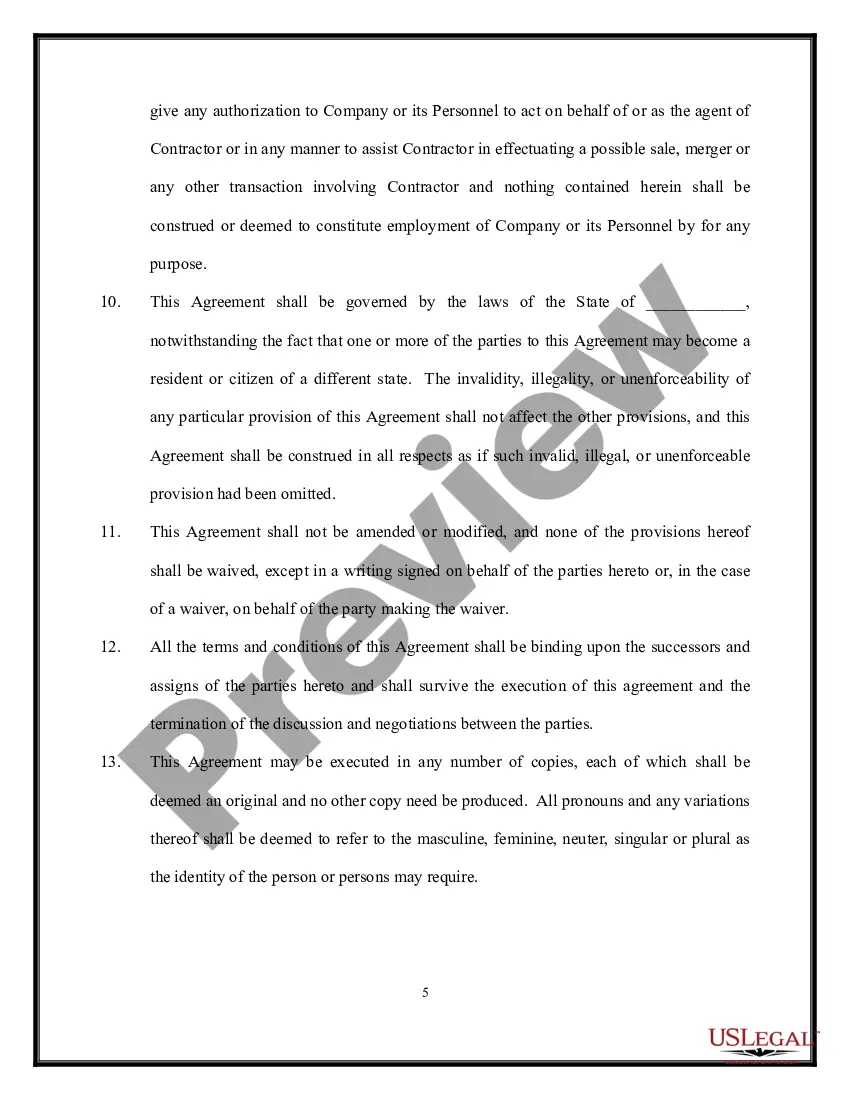
Get your form ready online
Our built-in tools help you complete, sign, share, and store your documents in one place.
Make edits, fill in missing information, and update formatting in US Legal Forms—just like you would in MS Word.
Download a copy, print it, send it by email, or mail it via USPS—whatever works best for your next step.
Sign and collect signatures with our SignNow integration. Send to multiple recipients, set reminders, and more. Go Premium to unlock E-Sign.
If this form requires notarization, complete it online through a secure video call—no need to meet a notary in person or wait for an appointment.
We protect your documents and personal data by following strict security and privacy standards.

Make edits, fill in missing information, and update formatting in US Legal Forms—just like you would in MS Word.

Download a copy, print it, send it by email, or mail it via USPS—whatever works best for your next step.

Sign and collect signatures with our SignNow integration. Send to multiple recipients, set reminders, and more. Go Premium to unlock E-Sign.

If this form requires notarization, complete it online through a secure video call—no need to meet a notary in person or wait for an appointment.

We protect your documents and personal data by following strict security and privacy standards.
Looking for another form?










Form popularity
FAQ
A confidential relationship means that at least one party has a duty not to disclose the relevant knowledge without authorization. In general, a non-disclosure agreement can be categorized as either a unilateral or mutual/bilateral NDA. In unilateral NDAs, only one party agrees not to disclose classified information.
Information is 'confidential' if there is a restriction on its disclosure, normally placed by the person or organisation that provides it.
What is a nondisclosure agreement? Whereas confidentiality agreements are typically devised in employment or personal situations to protect sensitive information, NDAs are often used in business and legal settings to protect trade secrets, client lists, and financial data.
The Illinois law permits disclosure when a therapist, in their sole discretion, determines that it is necessary to “protect the recipient or other person against a clear, imminent risk of serious physical or mental injury or disease or death being inflicted … by the recipient on himself or another…”
820 ILCS 96/ Workplace Transparency Act. Updating the database of the Illinois Compiled Statutes (ILCS) is an ongoing process. Recent laws may not yet be included in the ILCS database, but they are found on this site as Public Acts soon after they become law.
Use: NDAs are often used by startups or third-party partnerships. CDAs are used in high-value corporate transactions or in military service.
NDAs with employees are generally legal in Illinois. However, there are certain limits employers need to be aware of, and several best practices that will help ensure your agreement is immune from challenge in court.
As a general concept, non-disclosure agreements, often referred to as NDAs, are agreements between parties that are used to ensure that certain information will remain confidential.
An employment contract is an excellent example of a unilateral NDA. When an employee is hired, they sign a unilateral NDA agreeing not to share information learned on the job.
By the way, if you're going to use nondisclosure agreement, lose the hyphen: I agree with Garner's Modern American Usage that “With few exceptions, the prefix non– does not take a hyphen unless it is attached to a proper noun.”
