Confidentiality Agreement Form Template For Therapists In Fulton
Description

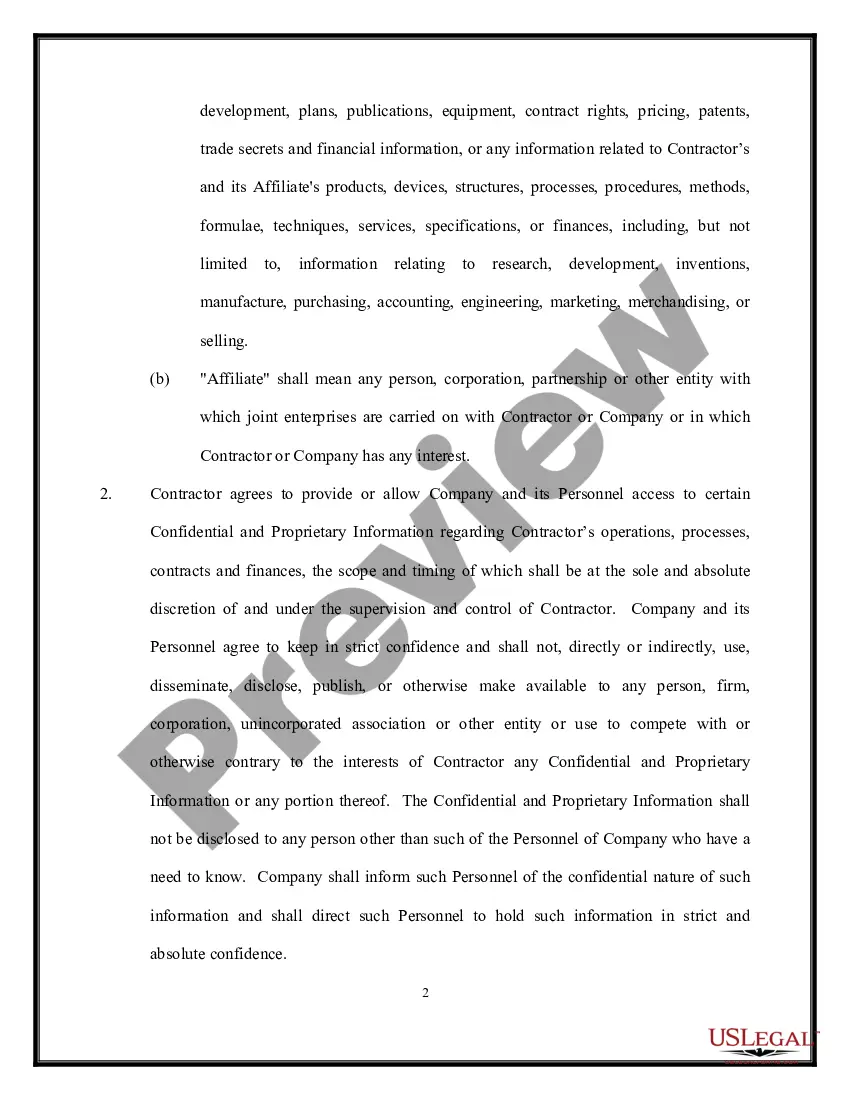
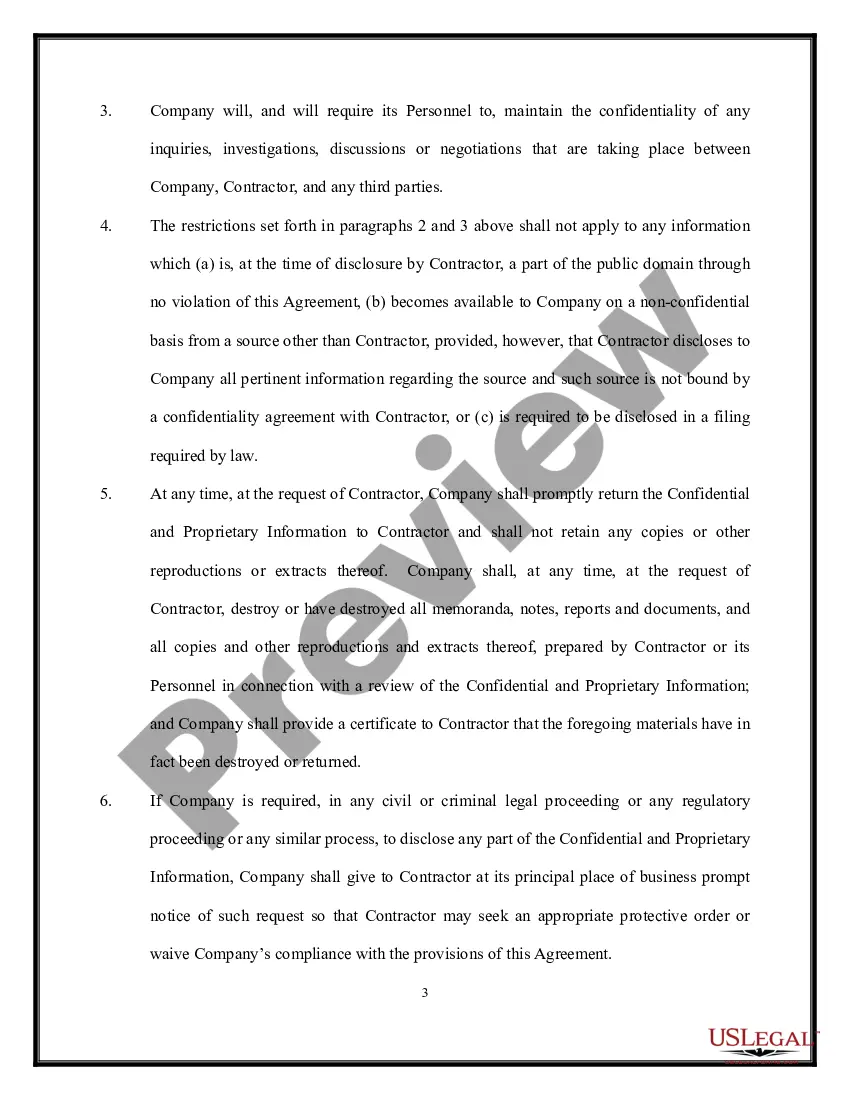
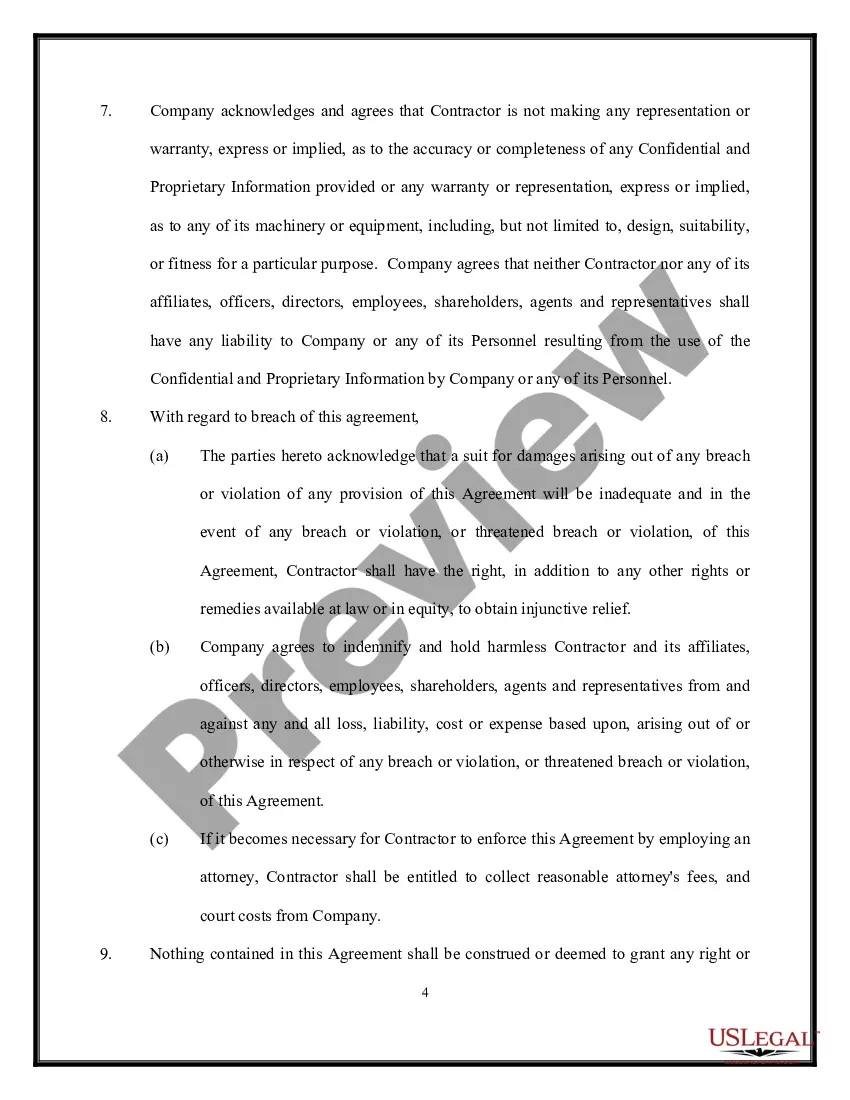
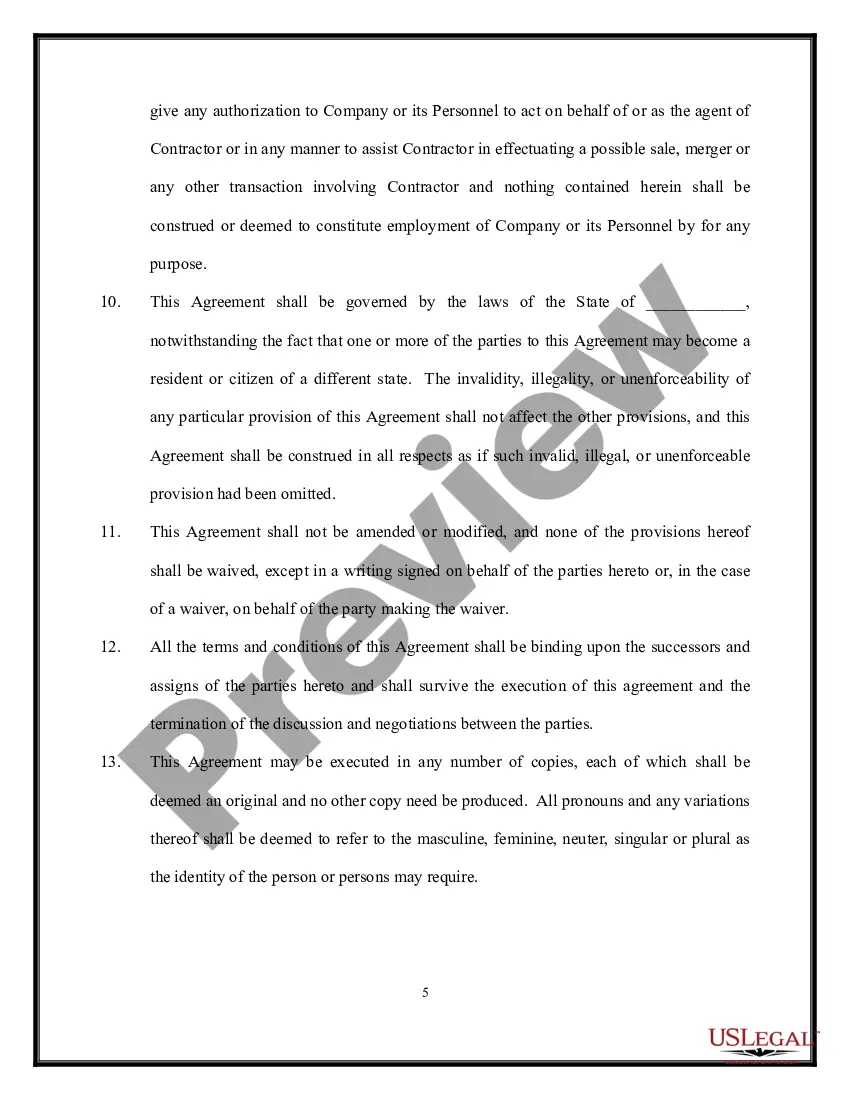
Get your form ready online
Our built-in tools help you complete, sign, share, and store your documents in one place.
Make edits, fill in missing information, and update formatting in US Legal Forms—just like you would in MS Word.
Download a copy, print it, send it by email, or mail it via USPS—whatever works best for your next step.
Sign and collect signatures with our SignNow integration. Send to multiple recipients, set reminders, and more. Go Premium to unlock E-Sign.
If this form requires notarization, complete it online through a secure video call—no need to meet a notary in person or wait for an appointment.
We protect your documents and personal data by following strict security and privacy standards.

Make edits, fill in missing information, and update formatting in US Legal Forms—just like you would in MS Word.

Download a copy, print it, send it by email, or mail it via USPS—whatever works best for your next step.

Sign and collect signatures with our SignNow integration. Send to multiple recipients, set reminders, and more. Go Premium to unlock E-Sign.

If this form requires notarization, complete it online through a secure video call—no need to meet a notary in person or wait for an appointment.

We protect your documents and personal data by following strict security and privacy standards.
Looking for another form?










Form popularity
FAQ
If an organisation fails to properly deal with confidential information, breaches can occur. This can lead to a loss of trust and integrity in the eyes of clients and the public as a whole. It can also lead to the termination of contracts and costly legal action being taken against you.
Confidentiality agreements are legal documents that require the parties to not share or profit from classified information. They are implemented whenever confidential business information or expertise should not be revealed to the public, third parties, or competitors.
A confidentiality agreement should include the names and addresses of the parties to the contract. Consider also including: Reason for the agreement: Explain why you're sharing this information. The information disclosed: Be specific about the subject matter and what exactly is included in the agreement.
No matter its title, an NDA is a binding contract, commonly used when two or more parties wish to enter into initial discussions about specific confidential processes, methods or technology, to consider a potential, future relationship, and to agree to restrict the usage and additional disclosure of the shared ...
I understand that any information concerning the identities and information shared by people participating in project-related focus groups, individual interviews, or other needs assessment activities is to be kept confidential at all times.
I cannot and will not tell anyone else what you have told me, or even that you are in therapy with me without your prior permission.
A confidentiality agreement should include the names and addresses of the parties to the contract. Consider also including: Reason for the agreement: Explain why you're sharing this information. The information disclosed: Be specific about the subject matter and what exactly is included in the agreement.
THIS DOCUMENT AND THE INFORMATION IN IT ARE PROVIDED IN CONFIDENCE, FOR THE SOLE PURPOSE OF INSERT DETAILS, AND MAY NOT BE DISCLOSED TO ANY THIRD PARTY OR USED FOR ANY OTHER PURPOSE WITHOUT THE EXPRESS WRITTEN PERMISSION OF INSERT DETAILS.
Example: Confidentiality Clause None of the parties shall disclose to any person or use for any purpose any confidential information of the other as a result of entering into this Agreement. This restriction shall continue to apply after the expiration or termination of this agreement without limit of time.
The following information is confidential: Social Security number. Name. Personal financial information. Family information. Medical information. Credit card numbers, bank account numbers, amount / what donated. Telephone / fax numbers, e-mail, URLs.
