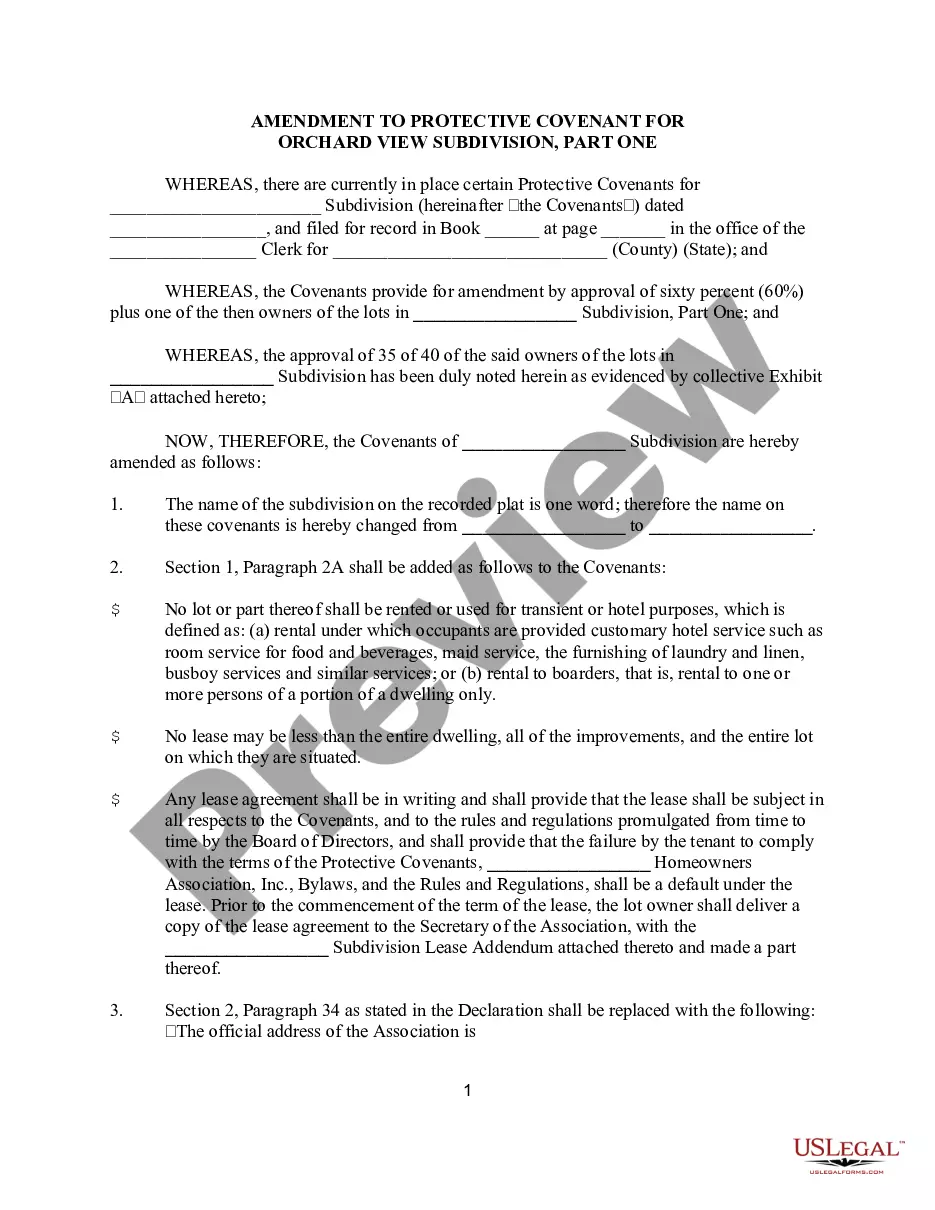
Non Disclosure Agreement Template For Small Business In Florida
Description

Get your form ready online
Our built-in tools help you complete, sign, share, and store your documents in one place.
Make edits, fill in missing information, and update formatting in US Legal Forms—just like you would in MS Word.
Download a copy, print it, send it by email, or mail it via USPS—whatever works best for your next step.
Sign and collect signatures with our SignNow integration. Send to multiple recipients, set reminders, and more. Go Premium to unlock E-Sign.
If this form requires notarization, complete it online through a secure video call—no need to meet a notary in person or wait for an appointment.
We protect your documents and personal data by following strict security and privacy standards.

Make edits, fill in missing information, and update formatting in US Legal Forms—just like you would in MS Word.

Download a copy, print it, send it by email, or mail it via USPS—whatever works best for your next step.

Sign and collect signatures with our SignNow integration. Send to multiple recipients, set reminders, and more. Go Premium to unlock E-Sign.

If this form requires notarization, complete it online through a secure video call—no need to meet a notary in person or wait for an appointment.

We protect your documents and personal data by following strict security and privacy standards.
Looking for another form?










Form popularity
FAQ
In Florida, NDAs are governed by both state and federal laws. These agreements must comply with relevant statutes to be enforceable. It's important to understand the nuances of these laws to ensure that an NDA is legally sound and effective.
By law, a nondisclosure contract must be reasonable and necessary for protecting a legitimate business interest. It must also be limited in scope and duration, in terms of timing, geography, and other relevant factors. While not required, you should put any confidentiality agreement in writing.
Florida law says that non-disclosure agreements are enforceable if the drafting party can justify the existence of the document with a legitimate business interest. Non-disclosure agreements can protect trade secrets, sensitive business data, and other things that a business would want to keep confidential.
In Florida, non-disclosure agreements that apply to former employees or contractors can generally last from six months to two years, while NDAs involving former distributors, franchisees, or licensees can generally last from one to three years.
2. NDAs are enforceable when they are signed — if they are properly drafted and executed.
You do not need a lawyer to create and sign a non-disclosure agreement. However, if the information you are trying to protect is important enough to warrant an NDA, you may want to have the document reviewed by someone with legal expertise.
Yes, you can. NDA can be made between individuals like you would between independent contractors.
Indeed, the potential client may well get you to sign an NDA yourself, to protect any business secrets they indulge during your pitch. So by presenting them with an NDA of your own, and making a strong case for them to sign it, you're actually conveying your seriousness and raising your authority overall.
Both parties must enter into the NDA voluntarily and with a clear understanding of its terms. If there was coercion or deception involved, the agreement may not be valid.